Skip to content
Michigan homeowners can prevent frozen pipes by insulating vulnerable lines in crawl spaces, basements, garages, and exterior walls. Keep indoor temps 68–70°F by day and at least 60–62°F overnight. Seal drafts around sill plates and penetrations, and clear vents for steady airflow. Use UL‑listed heat tape correctly. Let cold and hot taps drip during deep freezes, especially on north walls. Shut off and drain outdoor spigots and irrigation. Open cabinet doors near sinks. Learn to spot and safely thaw trouble early for confidence.
Key Takeaways
- Insulate vulnerable pipes in unheated areas (crawl spaces, garages, exterior walls) with foam sleeves or fiberglass wrap to reduce freezing risk.
- Maintain indoor temperatures at 68–70°F by day and never below 60–62°F overnight; open cabinet doors to warm under-sink pipes.
- Seal drafts at rim joists, sill plates, and utility penetrations with caulk or foam; weatherstrip windows and doors to block cold air.
- Let cold and hot taps drip on lines along exterior walls or north-facing sinks during extreme cold; run HVAC fan to circulate warm air.
- Shut off and drain outdoor faucets and irrigation; use frost-proof sillcocks and insulated covers, and disconnect and store garden hoses.
Identify and Insulate Vulnerable Pipes Before the First Freeze
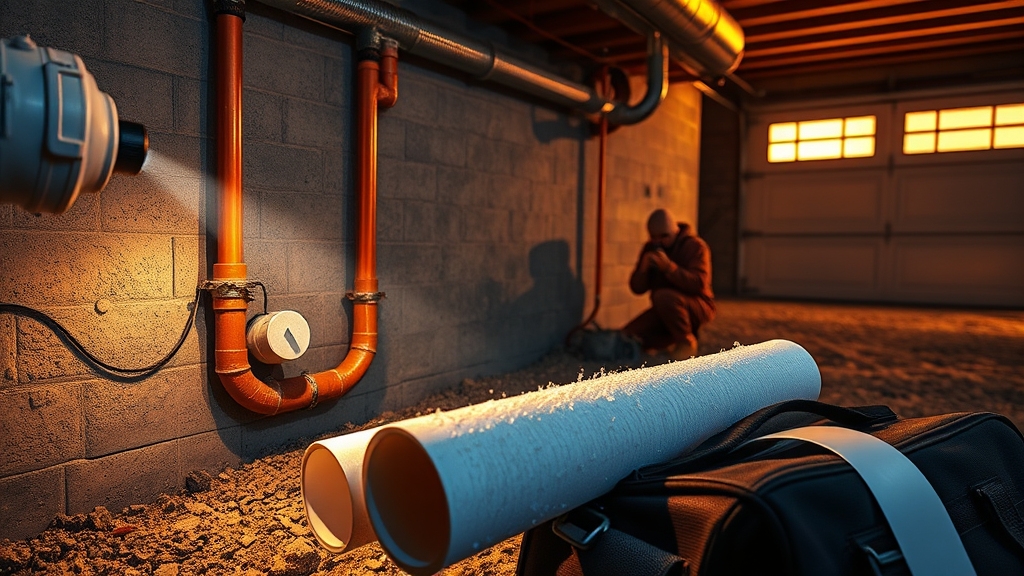
Before temperatures plunge, a methodical sweep of the property identifies pipes most likely to freeze and burst. Effective pipe identification begins with locating lines in unheated or draft-prone areas: crawl spaces, exterior walls, garages, and basements near foundation vents.
Exposed sections, tight bends, and metal piping warrant special attention because heat loss accelerates there. Visual checks for gaps, cracks, and missing sleeves guide prioritization.
Once targets are known, appropriate insulation materials are selected. Foam tube sleeves sized to the pipe’s diameter provide fast, continuous coverage.
Fiberglass wrap suits irregular runs and fittings. Closed-cell foam or rubber is preferred where moisture is present. Seams are sealed with weather-resistant tape, and valves, elbows, and hose bibs receive fitted covers to eliminate cold bridges and improve thermal continuity.
Maintain Consistent Indoor Temperatures Day and Night
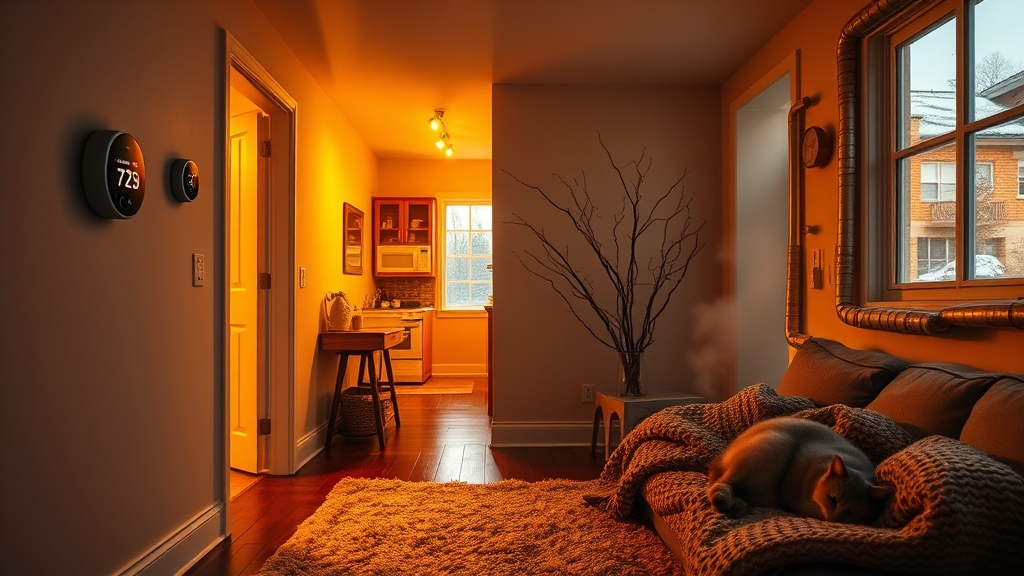
Maintaining steady indoor temperatures helps protect plumbing from freeze-thaw stress.
This section outlines ideal thermostat settings that balance comfort with energy efficiency.
It also introduces smart zoning strategies to keep critical areas warm without overheating the whole home.
Ideal Thermostat Settings
Consistency matters when setting a winter thermostat. For Michigan homes, maintaining steady heat reduces pipe-freeze risk and improves thermostat efficiency.
Experts commonly recommend keeping indoor temperatures between 68–70°F during occupied hours and no lower than 60–62°F overnight or when away briefly. This range supports reliable temperature regulation across basements, crawl spaces, and exterior walls where plumbing is most vulnerable.
Small adjustments—no more than 2–4 degrees—prevent stress on the heating system and limit cold spots that can chill pipes.
Doors to lower levels should remain open to allow warm air circulation. If a homeowner will be away, setting the thermostat to at least 60°F and opening cabinet doors near sinks helps maintain ambient warmth.
Regularly replace filters and confirm vents are unobstructed to sustain even heating.
Smart Zoning Strategies
Though thermostats set the tone, smart zoning makes consistency practical by directing heat where and when it’s needed.
In Michigan winters, zoning techniques divide a home into areas with similar heat demand—basements with vulnerable pipes, bathrooms over garages, and draft-prone rooms. Sensors and smart dampers coordinate temperature control, keeping at-risk zones slightly warmer overnight without overheating occupied spaces.
Programmable schedules maintain steady heat through cold snaps, limiting swings that stress plumbing. Hydronic systems can balance radiator loops; forced air can use motorized dampers to route warm air.
Doors, returns, and balanced supply registers help each zone perform. Residents can monitor trends via apps, adjust setpoints, and receive alerts for sudden drops. This targeted approach reduces energy waste while protecting pipes continuously.
Seal Drafts and Close Gaps in Basements, Crawl Spaces, and Garages
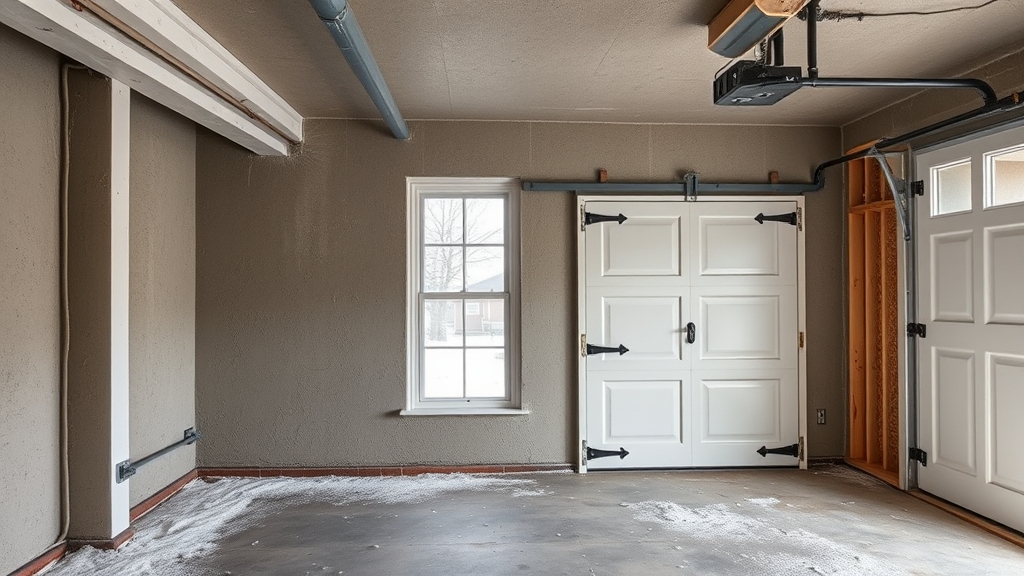
While winter air presses against a home’s weak points, sealing drafts and closing gaps in basements, crawl spaces, and garages reduces heat loss and protects plumbing from freezing. A careful walkthrough identifies cold leaks around sill plates, rim joists, utility penetrations, and drafty windows. Caulk, low-expansion foam, and weatherstripping block air infiltration that chills pipes and stresses heating systems. Rigid foam or insulated doors help stabilize garage temperatures, especially when plumbing runs nearby. Balanced basement ventilation preserves air quality while limiting uncontrolled cold entry.
| Area | Action |
| Rim joists | Seal with foam and add insulation |
| Drafty windows | Weatherstrip and apply interior film |
| Pipe penetrations | Caulk or grommet around lines |
Regularly recheck seals after storms; shifting materials can reopen gaps.
Use Heat Tape and Pipe Heating Cables Safely and Effectively
When temperatures plummet, heat tape and pipe heating cables can prevent frozen lines if selected and used correctly.
The discussion outlines how to choose the right products for pipe type and location, the essential installation steps, and key safety checks and maintenance.
With proper sizing, secure attachment, and routine inspection, these devices offer reliable freeze protection.
Choosing the Right Products
How can homeowners tell which heat tape or pipe heating cable is worth trusting through a hard freeze? Product selection begins with independent safety certification and clarity about pipe material and diameter.
A buyer should also confirm whether a cable is constant-wattage or self-regulating; each behaves differently in Michigan temperature swings and with pipe insulation. Compatibility with GFCI outlets, moisture exposure, and UV conditions matters for crawlspaces and exteriors.
1) Verify listings: Look for UL/ETL marks, a built-in thermostat, and a stated minimum ambient temperature rating equal to expected lows.
2) Match application: Choose self-regulating for mixed exposures and plastic piping; constant-wattage for uniform metal runs with known loads.
3) Check practicals: Confirm length, overlap permissions, jacket durability, warranty, and manufacturer guidance for use under pipe insulation.
Proper Installation Steps
With the right cable selected, success depends on meticulous installation that respects the product’s ratings and the pipe’s material. The installer first confirms compatibility with plumbing materials—copper, PEX, or PVC—and notes minimum bend radius and temperature limits.
For effective pipe installation, the cable is laid straight along the pipe, not spiraled unless the manufacturer specifies, maintaining even contact without crossing itself. Fiberglass or approved tape secures it at recommended intervals; vinyl or metal tapes are avoided if prohibited.
Thermostat placement follows the instructions, positioned on a representative cold section. Insulation is added over the assembly using closed-cell foam or fiberglass, leaving control components accessible.
Power connections use a grounded outlet and a properly rated GFCI circuit. Exterior spigots, exposed crawlspaces, and well lines receive priority coverage.
Safety Checks and Maintenance
Start by treating heat tape and pipe heating cables as electrical appliances that demand routine inspection. A careful observer checks cords, plugs, and thermostats for wear, overheating, or brittleness, especially after Michigan’s freeze-thaw cycles.
Labels and manufacturer instructions guide safe use; mixing brands or overlapping cables risks fire and failure. Integrating these checks into seasonal maintenance and plumbing inspections reduces surprises when temperatures plunge.
1) Inspect and test: Verify GFCI outlets trip correctly, confirm indicator lights function, and feel along cables for soft spots or cracks. Replace damaged components immediately.
2) Verify installation: Confirm tight contact to pipes, no overlaps, proper insulation over cables, and clearances from combustibles or valves that restrict heat.
3) Monitor operation: Use plug-in timers or thermostats, document amperage draw, and recheck after storms or power outages.
Let Faucets Drip Strategically During Extreme Cold
When temperatures plunge, allowing select faucets to drip can relieve pressure in vulnerable pipes and reduce the risk of freezing. In Michigan’s extreme cold, a slow, steady trickle keeps water moving, which helps prevent ice blockages that can burst lines.
Homeowners should target fixtures served by pipes along exterior walls, in unheated basements, crawlspaces, and under sinks on the north side of the home.
Cold and hot taps may both be set to drip to keep both supply lines active. A pencil-width stream is unnecessary; a light, rhythmic drip suffices and conserves water.
Open cabinet doors beneath sinks to let warmer room air circulate around plumbing. If a specific pipe has frozen before, prioritize that fixture.
Monitor dripping faucets periodically and adjust flow as temperatures moderate.
Protect Outdoor Spigots, Hoses, and Lawn Irrigation Lines
After keeping interior lines moving during arctic snaps, attention turns outdoors where exposed fixtures fail first. Homeowners should prioritize shutting off and draining exterior lines before hard freezes arrive.
Frost-proof sillcocks help, but any spigot benefits from outdoor insulation and a tight cap to block wind. Hoses should be disconnected, drained, and placed in dry hose storage to prevent trapped water from freezing and rupturing fittings.
Even frost-proof spigots need insulation and capped wind protection; disconnect, drain, and dry-store hoses to prevent bursts.
Irrigation systems require full blowouts with compressed air to clear lateral lines and backflow assemblies.
- Shut off and drain exterior spigots; add insulated covers and seal gaps around the hose bib.
- Practice diligent hose storage: disconnect, drain, coil loosely, and keep above ground moisture.
- Schedule a professional irrigation blowout; insulate and protect backflow preventers with weather-rated covers.
Open Cabinet Doors and Improve Warm Air Circulation
Why do pipes behind closed doors freeze first? Inside base cabinets and vanities, cold exterior walls chill supply lines while doors trap stagnant air.
Opening cabinet doors allows room heat to reach those hidden sections, restoring cabinet warmth and reducing the chance of freezing. This simple step is most helpful on exterior-wall kitchens and bathrooms, especially overnight or during cold snaps.
Improving whole-room air circulation further stabilizes temperatures around plumbing. Clear vents and registers, move rugs or furniture that block airflow, and run the HVAC fan on “on” or “circulate” during extreme cold.
In small spaces, a low, safe setting on a portable heater can help, placed away from combustibles. Together, open doors and better air circulation level temperatures and protect vulnerable pipes.
Know the Signs of a Frozen Pipe and How to Thaw It Safely
How can a homeowner tell a pipe is freezing before it bursts? Clear frozen signs include a sudden drop in water flow, visible frost on exposed lines, and unusual odors from partially blocked drains.
Walls may feel cold or show damp spots near plumbing. Acting early reduces damage risk.
1) Identify frozen signs
- Low or no water at one faucet, but normal elsewhere
- Frost, ice, or bulging on pipes in basements, crawlspaces, or exterior walls
- Intermittent gurgling or sewer smells
2) Safe thawing methods
- Open the faucet to relieve pressure
- Warm the pipe with a hair dryer or heat gun on low, moving steadily
- Wrap with warm towels or use UL-listed heat tape
3) What to avoid
- No open flames
- Don’t thaw hidden pipes; call a plumber
- Check for leaks afterward
Frequently Asked Questions
Are Frozen Pipe Damages Covered by Standard Homeowners Insurance in Michigan?
Yes, standard homeowners policies in Michigan often provide insurance coverage for sudden, accidental pipe damage from freezing, including resulting water damage.
However, claims may be denied if the homeowner failed to maintain heat or properly winterize the property. Coverage typically excludes repairing the pipe itself if wear, neglect, or long-term leaks are involved.
Policy language varies, so reviewing endorsements, exclusions, and duties after loss, and confirming with an insurer or agent, helps clarify specific protections.
How Does Michigan Building Code Address Pipe Insulation Requirements?
Michigan’s code addresses pipe insulation through plumbing and energy building regulations requiring minimum R‑values and protection against freezing in unheated spaces.
It mandates insulating domestic hot and cold water lines, with additional measures for exterior walls, crawlspaces, and attics.
Designers must locate pipes within conditioned zones or add heat tracing where insulation alone is insufficient.
Compliance follows the Michigan Residential Code, Michigan Plumbing Code, and Michigan Energy Code, which adopt and amend relevant IPC and IECC provisions.
What Temperature Qualifies as a Hard Freeze in Michigan Counties?
A hard freeze in Michigan counties is typically defined as temperatures at or below 28°F (-2°C) for several hours.
Meteorologists use this threshold because it causes significant temperature impact on vegetation, ending the growing season, and can freeze exposed water sources.
Counties may issue Hard Freeze Warnings when forecasts meet this duration and temperature.
Gardeners, farmers, and homeowners monitor these alerts to protect plants, irrigation systems, and sensitive equipment from prolonged subfreezing conditions.
Can Smart Leak Detectors Help Prevent Winter Pipe Bursts?
Yes. Smart leak detectors can help prevent winter pipe bursts by providing early leak detection, temperature monitoring, and instant alerts.
Using smart technology, these devices sense moisture, track freezing risks, and notify homeowners via apps before minor issues escalate. Some integrate with smart valves to automatically shut off water, reducing damage.
They also generate usage insights, highlight hidden vulnerabilities, and support routine maintenance. While not foolproof, they greatly improve response time and overall protection.
How Should Vacation Homes Be Winterized During Extended Absences?
Vacation homes should be winterized by shutting off the main water valve, draining the water system, and blowing out lines if possible.
Water heater and outdoor hose lines must be emptied, with non-toxic antifreeze added to traps.
Thermostats should be set around 55°F, with interior doors open for airflow.
Power-smart leak detectors and sump alarms help.
Arrange scheduled vacation checks, verify insurance requirements, and document procedures.
Seal drafts, insulate pipes, and test backup heat and power sources.
Final Thoughts
Michigan winters don’t have to mean frozen pipes. By insulating vulnerable lines, sealing drafts, keeping steady indoor heat, and using heat tape correctly, you’ll drastically cut freeze risk. When temperatures plunge, let at-risk faucets drip, open cabinet doors, and shut off/drain outdoor spigots to keep water moving and pressure low. Just as important: know the early signs of a freeze and thaw safely to prevent bursts.
For professional winterization—or fast help if a line freezes or bursts—trust DNA Honest Plumbing. Our licensed team handles pipe repair and pipe replacement, sump pump installation, and 24/7 emergency plumbing to protect Michigan homes all winter.
Stay ahead of freeze damage—call 586-257-1272 or visit our Contact Page to schedule winterization or emergency service today. With DNA Honest Plumbing, your home stays safe, dry, and efficient—because honesty flows through every pipe.