Skip to content
Water heaters are essential appliances in our homes, providing us with hot water for showers, dishwashing, laundry, and more. However, like any other appliance, they can develop issues over time. Recognizing the signs that your water heater needs repair is crucial to avoid costly replacements and ensure your home remains comfortable. In this blog post, we will discuss the top five signs that indicate you need water heater repair before it’s too late.
Key Takeaways
- Unusual Noises: Banging, popping, or rumbling sounds can indicate sediment buildup or other issues.
- Inconsistent Water Temperature: Fluctuating water temperatures may signal a failing heating element or thermostat.
- Water Discoloration: Rusty or discolored water can indicate corrosion within the tank.
- Leaks and Puddles: Any signs of water pooling around the heater should be addressed immediately.
- Increased Energy Bills: A sudden spike in your energy bill may indicate that your water heater is working harder than it should.
1. Unusual Noises
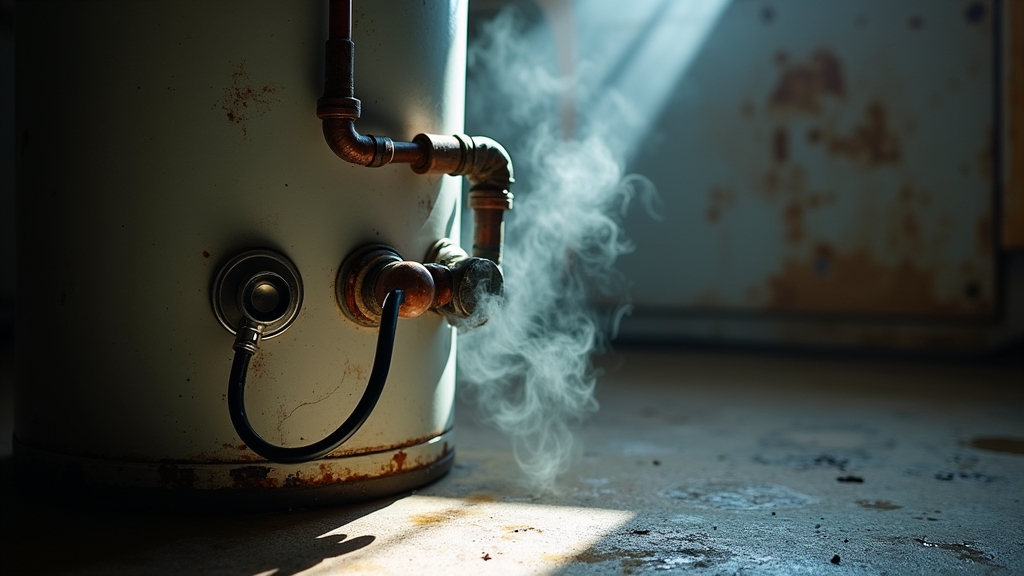
One of the first signs that your water heater may need repair is the presence of unusual noises. If you hear banging, popping, or rumbling sounds coming from your water heater, it could be a sign of sediment buildup at the bottom of the tank. Over time, minerals and debris can accumulate, causing the heating element to work harder and create noise as it heats the water.
Ignoring these sounds can lead to more significant issues, such as overheating or even tank failure. If you notice unusual noises, it’s essential to contact a professional for water heater repair to assess the situation and perform necessary maintenance.
2. Inconsistent Water Temperature
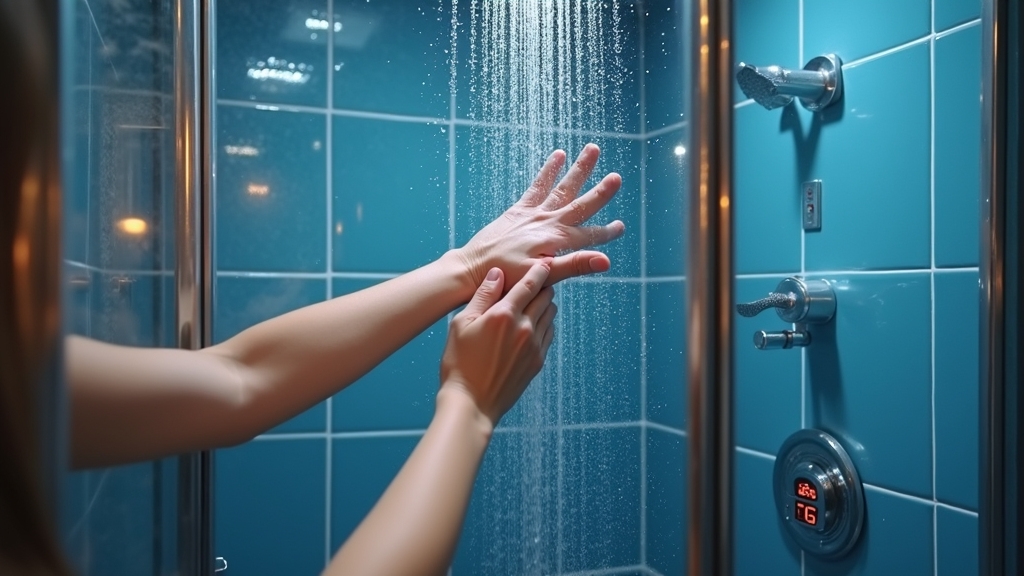
Another clear sign that your water heater may need repair is inconsistent water temperature. If you find that your hot water supply fluctuates between hot and cold, it could indicate a failing heating element or thermostat.
Inconsistent temperatures can be frustrating, especially during a shower or while washing dishes. If you experience this issue, it’s crucial to have a professional inspect your water heater. They can determine whether the heating elements need replacement or if there are other underlying issues affecting the temperature regulation.
3. Water Discoloration
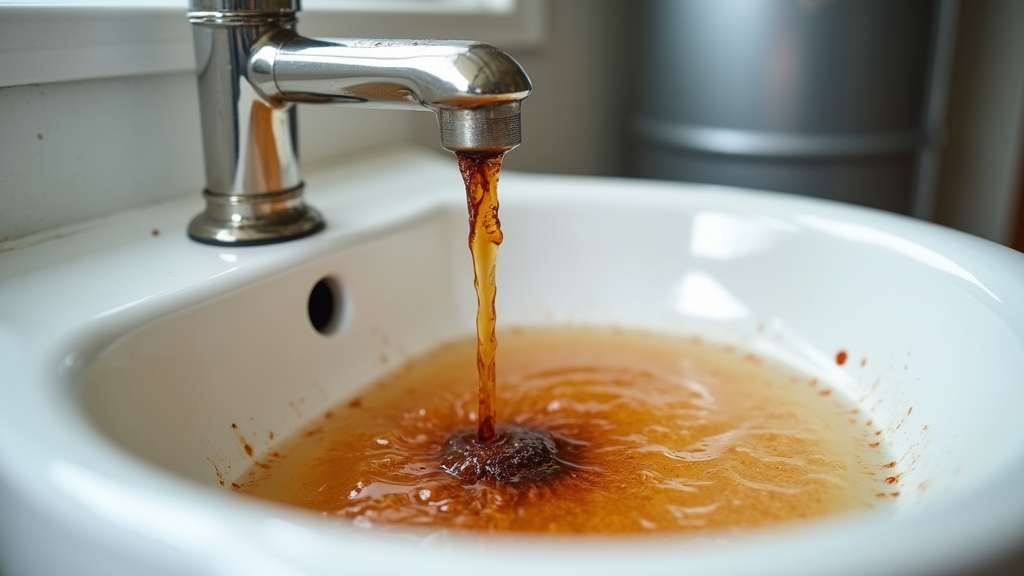
Water discoloration is another significant indicator that your water heater may require repair. If you notice rusty or discolored water coming from your taps, it could be a sign of corrosion within the tank. Rusty water can not only affect the taste and appearance of your water but can also indicate that your water heater is nearing the end of its lifespan.
In some cases, discolored water may also be caused by sediment buildup or issues with your plumbing system. Regardless of the cause, it’s essential to address this issue promptly. A professional water heater repair technician can diagnose the problem and recommend the best course of action, whether it’s flushing the tank or replacing it altogether.
4. Leaks and Puddles
One of the most alarming signs that your water heater needs repair is the presence of leaks or puddles around the unit. If you notice water pooling around your water heater, it could indicate a leak in the tank or the plumbing connections.
Leaks can lead to significant water damage in your home and can also pose safety hazards, such as electrical issues. If you see any signs of leaking, it’s crucial to turn off the water supply to the heater and contact a professional immediately. They can assess the situation, identify the source of the leak, and perform the necessary repairs to prevent further damage.
5. Increased Energy Bills
If you notice a sudden spike in your energy bills, it may be a sign that your water heater is working harder than it should. An inefficient water heater can consume more energy, leading to higher utility costs.
Several factors can contribute to increased energy consumption, including sediment buildup, a failing heating element, or an aging unit. If you suspect that your water heater is the culprit behind your rising energy bills, it’s essential to have it inspected by a professional. They can identify any issues and recommend repairs or upgrades to improve efficiency and reduce your energy costs.
FAQs
Q: How often should I have my water heater serviced? A: It’s recommended to have your water heater serviced at least once a year to ensure optimal performance and longevity. Regular maintenance can help identify potential issues before they become significant problems.
Q: Can I repair my water heater myself? A: While some minor maintenance tasks, such as flushing the tank, can be done by homeowners, it’s best to leave repairs to professionals. Water heaters can be complex, and attempting repairs without proper knowledge can lead to further damage or safety hazards.
Q: How long does a water heater typically last? A: The average lifespan of a water heater is around 8 to 12 years, depending on the type and maintenance. Regular servicing can help extend its lifespan.
Q: What should I do if my water heater is leaking? A: If you notice a leak, turn off the water supply to the heater and contact a professional immediately. Leaks can lead to significant damage and should be addressed as soon as possible.
Q: How can I improve the efficiency of my water heater? A: Regular maintenance, such as flushing the tank, insulating the unit, and checking the thermostat settings, can help improve the efficiency of your water heater. Additionally, consider upgrading to a more energy-efficient model if your current unit is older.
Final Thoughts
If your water heater is making strange noises, producing rusty water, or failing to deliver consistent hot water, don’t wait for a full system failure. These are clear warning signs that it’s time to schedule a professional water heater repair. Addressing issues early not only prevents costly replacements but also helps improve energy efficiency and extend your unit’s lifespan.
At DNA Honest Plumbing, our licensed technicians specialize in comprehensive water heater services — from diagnostics and repairs to complete replacements. We service all makes and models, ensuring your system operates safely and efficiently. Whether you need emergency plumbing repairs, leak detection, or routine maintenance, we’re here 24/7 to keep your hot water flowing.
Call 586-257-1272 or visit our Contact Page to schedule service today. Protect your comfort, lower your energy bills, and ensure peace of mind with expert water heater care from DNA Honest Plumbing — where honesty flows through every pipe.