Understanding Energy Efficiency in Plumbing
Energy efficiency in plumbing refers to the use of systems and fixtures that minimize water and energy consumption while maintaining optimal performance. This concept is crucial for homeowners looking to reduce utility bills and environmental impact.
Implementing energy-efficient plumbing solutions can include upgrading to low-flow fixtures, installing tankless water heaters, and ensuring proper insulation of pipes. These measures not only conserve resources but can also enhance the longevity of plumbing systems, ultimately leading to cost savings over time.
Benefits of Energy-Efficient Plumbing Solutions
Investing in energy-efficient plumbing solutions provides numerous advantages for homeowners. Not only do these systems reduce water and energy consumption, but they can also improve the overall comfort and functionality of your home.
For instance, energy-efficient water heaters heat water on demand, eliminating standby heat loss and significantly lowering energy bills. Additionally, using high-efficiency toilets and faucets can lead to substantial water savings, contributing to both environmental sustainability and reduced utility costs.
Common Plumbing Issues Affecting Energy Efficiency
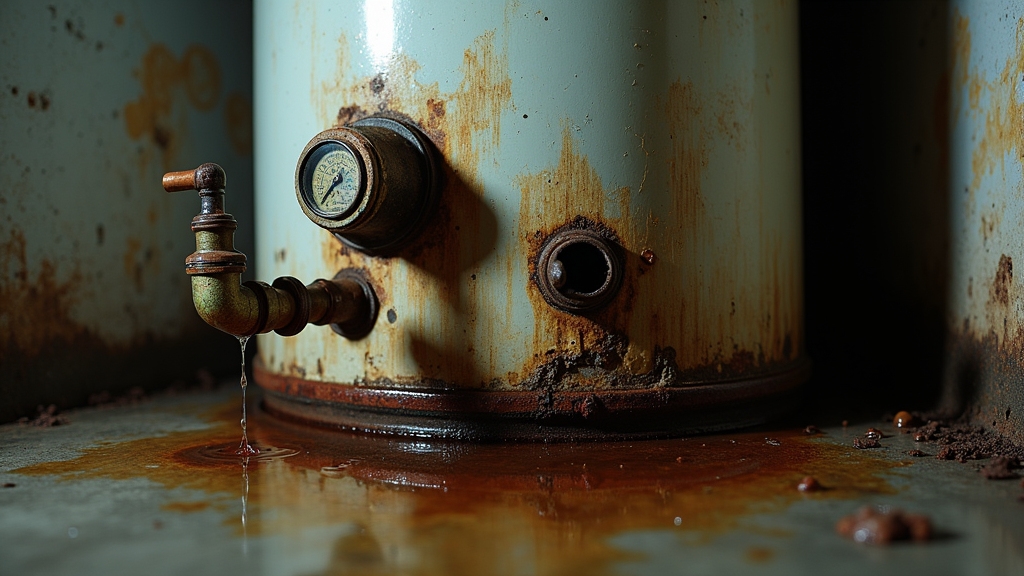
Understanding common plumbing issues is vital for maintaining energy efficiency in your home. Problems such as leaks, clogs, and outdated fixtures can lead to increased water usage and energy waste.
For example, a small leak in your plumbing can waste gallons of water daily, while old, inefficient fixtures may require more energy to operate effectively. Regular maintenance and timely repairs are essential to ensure that your plumbing system operates at peak efficiency, preventing unnecessary expenses and conserving resources.
Tips for Maintaining Energy-Efficient Plumbing
Proper maintenance is key to ensuring your plumbing systems remain energy-efficient over time. Regular checks and updates can help identify issues before they escalate, saving you money and resources.
Homeowners should consider scheduling annual plumbing inspections, checking for leaks, and ensuring that all fixtures are functioning correctly. Additionally, flushing water heaters and cleaning aerators on faucets can optimize performance and maintain energy efficiency throughout the plumbing system.
 Skip to content