
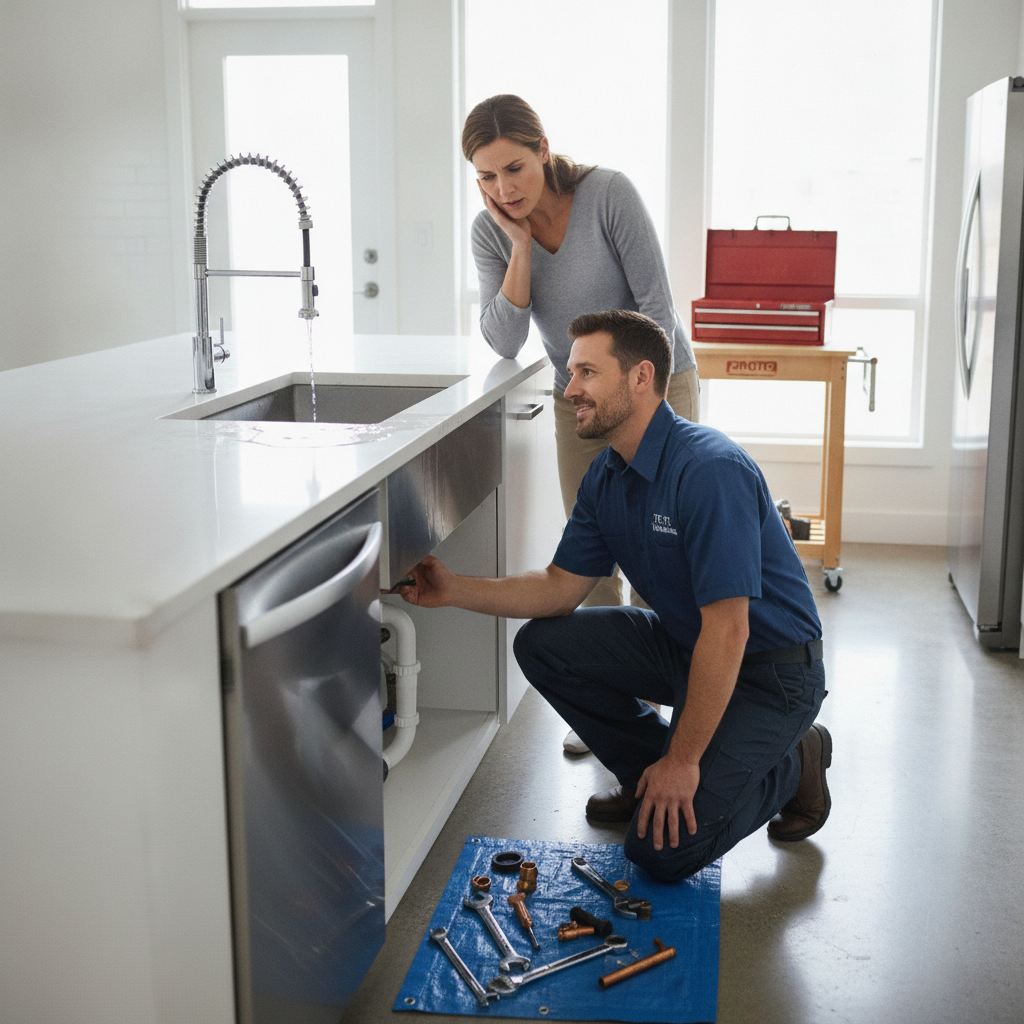
When a pipe bursts at midnight or a toilet overflows during a busy workday, knowing what to do in a plumbing emergency can make all the difference. For small business owners, developers, and residents in the area, fast and reliable emergency plumbing services are essential for protecting property and minimizing costly downtime. If you’re facing your first crisis, it’s normal to have questions: How quickly can help arrive? What should you do before the plumber gets there? What costs should you expect? This comprehensive guide to Emergency Plumbing FAQs Sterling Heights is designed to answer your most pressing concerns, help you make informed decisions, and ensure you’re ready when the unexpected happens. Whether you’re a business owner safeguarding your investment or a homeowner wanting peace of mind, understanding how emergency plumbing works in this community will empower you to act quickly and confidently. Let’s dive into the essential FAQs and expert tips every first-time client should know about emergency plumbing in the region.
Emergency Plumbing FAQs Sterling Heights
When disaster strikes, time is of the essence. The most common question first-time clients ask is: “What is considered a plumbing emergency?” In general, any issue that poses an immediate risk to property, health, or safety qualifies, think burst pipes, sewage backups, major leaks, or water heater failures. These situations require urgent attention to prevent damage and costly repairs. For business owners, a plumbing emergency can halt operations, disrupt customers, and even damage inventory. Homeowners face risks like mold growth, structural damage, and skyrocketing water bills if problems aren’t addressed promptly.
A reputable emergency plumbing service in the area will prioritize calls based on severity. If you’re unsure whether your situation is an emergency, it’s always better to call and describe the problem. Plumbers can help you assess the urgency and advise on immediate steps to take, such as shutting off the main water supply or relocating valuables away from water exposure.
For those who want to learn more about what constitutes an emergency and how to prepare, it’s important to have a trusted local expert on speed dial. Preparation is key: keep your plumber’s contact information handy, know where your main shutoff valve is, and educate your staff or family on basic emergency protocols. Being proactive can save you thousands in repairs and lost productivity.
Remember, not every plumbing issue requires a midnight call. Minor drips or slow drains can usually wait for regular business hours, but anything involving flooding, sewage, or loss of water service should be treated as urgent. By understanding the difference, you’ll be able to act decisively and avoid unnecessary stress.
Emergency Plumbing FAQs Sterling Heights, MI
One of the top concerns for first-time clients is response time. How quickly can an emergency plumber reach your property? In most cases, reputable services in this city aim for a response window of 60 to 90 minutes, depending on traffic and call volume. This rapid response is crucial for minimizing water damage and restoring normalcy as soon as possible.
Another frequently asked question is about the types of emergencies handled. Local plumbers are equipped to deal with a wide range of urgent issues, including burst pipes, overflowing toilets, blocked sewer lines, and malfunctioning water heaters. Many also offer advanced solutions like hydro-jetting for severe clogs or root intrusion, ensuring your plumbing system is restored to full function quickly.
For business owners, downtime means lost revenue. That’s why many emergency plumbers offer after-hours and weekend services, so you’re never left waiting when every minute counts. Residential clients benefit from the same commitment to fast, efficient service, with clear communication and upfront pricing to reduce anxiety during stressful times.
If you’re facing plumbing emergencies and need immediate help, look for a provider with a proven track record, transparent policies, and a focus on customer satisfaction. The right team will walk you through every step, from initial assessment to final cleanup, so you can focus on getting back to business or enjoying your home.
Emergency Plumbing FAQs Sterling Heights Michigan
Understanding the costs associated with emergency plumbing is a top priority for many first-time clients. Emergency Plumbing FAQs Sterling Heights often include questions about after-hours rates, diagnostic fees, and payment options. Most local plumbers charge a premium for services outside of regular business hours, reflecting the urgency and resources required to respond quickly. However, reputable companies provide clear, upfront estimates before work begins, so there are no surprises on your final bill.
It’s also common to ask about insurance and warranties. Many emergency plumbing services in the region are fully licensed and insured, offering peace of mind that your property is protected. Additionally, warranties on parts and labor are standard, ensuring that if a repair fails prematurely, you’re covered without additional expense.
Payment options are another frequent topic. Most companies accept credit cards, checks, and sometimes even digital payments, making it easy to settle your bill quickly and securely. For larger repairs, some providers offer financing or payment plans to help spread out costs over time.
By asking these questions up front, you can avoid misunderstandings and ensure you’re working with a trustworthy, transparent provider. Emergency Plumbing FAQs Sterling Heights are designed to empower you with knowledge, so you can make the best decisions for your property and budget.
What to Do Before the Plumber Arrives
When a plumbing emergency strikes, your actions before the plumber arrives can make a significant difference in minimizing damage. The first step is to locate and shut off the main water supply. This simple action can prevent further flooding and water damage. If you’re unsure where the shutoff valve is, now is the time to find out, don’t wait until disaster hits.
Next, try to contain the affected area. Use towels, buckets, or mops to soak up standing water and prevent it from spreading to other rooms. Move valuables, electronics, and important documents to a dry, safe location. If the issue involves sewage, avoid contact and keep children and pets away from the area to reduce health risks.
Document the situation with photos or videos. This can be helpful for insurance claims and for explaining the problem to your plumber. Make a list of symptoms and any steps you’ve already taken, so you can provide a clear, concise report when help arrives.
Finally, stay calm and avoid DIY repairs unless you’re confident in your skills. Temporary fixes can sometimes make the problem worse or void warranties. Trust the professionals to handle the emergency, and focus on keeping your property and loved ones safe until they arrive.
How to Choose the Right Emergency Plumber
Selecting the right emergency plumber is crucial for a fast, effective resolution. Start by looking for companies with strong local reputations and positive online reviews. Ask about licensing, insurance, and years of experience. A reputable plumber will be happy to provide credentials and references upon request.
Availability is another key factor. Choose a provider that offers 24/7 service, so you’re never left waiting during a crisis. Ask about response times, coverage areas, and the types of emergencies they handle. Some plumbers specialize in residential work, while others are equipped for large-scale commercial jobs.
Transparency is essential. Look for companies that provide clear, upfront pricing and detailed explanations of the work required. Avoid providers who are vague about costs or reluctant to answer your questions. Good communication is a sign of professionalism and respect for your time and money.
Finally, consider the range of services offered. Some plumbers provide advanced solutions like hydro-jetting, video inspections, and trenchless repairs, which can save time and reduce disruption. By doing your homework before an emergency strikes, you’ll be ready to act quickly and confidently when the need arises.
Common Plumbing Emergencies and Their Causes
Understanding the most common plumbing emergencies can help you recognize problems early and prevent future issues. Burst pipes are often caused by freezing temperatures, corrosion, or excessive water pressure. Clogged drains and toilets typically result from improper disposal of grease, wipes, or foreign objects. Sewer backups can be triggered by tree root intrusion, collapsed pipes, or heavy rainfall overwhelming the system.
Water heater failures may stem from sediment buildup, faulty thermostats, or worn-out heating elements. Leaking fixtures and pipes are usually due to worn seals, loose connections, or aging materials. By understanding these root causes, you can take proactive steps to maintain your plumbing system and avoid emergencies.
Regular inspections, prompt repairs, and proper usage are the best ways to keep your plumbing in top shape. Don’t ignore warning signs like slow drains, unusual noises, or unexplained increases in your water bill. Addressing small issues early can prevent them from escalating into costly emergencies.
Table: Emergency Plumbing FAQs at a Glance
| FAQ | Quick Answer |
|---|---|
| What is a plumbing emergency? | Any issue causing immediate risk to property, health, or safety (e.g. burst pipes, sewage backups). |
| How fast can a plumber arrive? | Usually within 60–90 minutes for urgent calls in the region. |
| What should I do before help arrives? | Shut off main water, contain area, move valuables, document damage. |
| Are emergency services more expensive? | Yes, after-hours rates apply, but reputable plumbers provide upfront estimates. |
| What types of payment are accepted? | Most accept credit cards, checks, and digital payments; some offer financing. |
Preventing Plumbing Emergencies
While emergency plumbing services are essential when disaster strikes, prevention is always the best strategy. Regular maintenance is the key to avoiding unexpected breakdowns. Schedule annual inspections with a licensed plumber to check for leaks, corrosion, and signs of wear. Clean drains regularly and avoid flushing anything other than toilet paper and human waste.
Insulate exposed pipes to protect against freezing in colder months, and monitor water pressure to prevent stress on your plumbing system. For businesses, train staff on proper disposal practices and encourage prompt reporting of any issues. Homeowners should keep an eye on water bills for unexplained spikes, which can indicate hidden leaks.
Investing in preventative care not only reduces the risk of emergencies but also extends the lifespan of your plumbing infrastructure. The peace of mind that comes from knowing your property is protected is well worth the effort.
What to Expect During an Emergency Plumbing Visit
When you call for emergency plumbing help, the process is designed to be as smooth and stress-free as possible. The plumber will start with a quick assessment over the phone to determine the nature and severity of the problem. Upon arrival, they’ll conduct a thorough inspection, identify the source of the issue, and explain your options for repair.
Expect clear communication about costs, timelines, and any necessary parts or equipment. Most emergency plumbers carry a wide range of tools and materials, allowing them to resolve most issues on the spot. If a more complex repair is needed, they’ll secure the situation and schedule a follow-up visit as soon as possible.
Cleanup is an important part of the service. Reputable plumbers will leave your property as tidy as they found it, disposing of debris and sanitizing affected areas if necessary. Before leaving, they’ll review the repair with you, answer any questions, and provide tips for preventing future emergencies.
Insurance, Warranties, and Peace of Mind
One of the most reassuring aspects of working with a professional emergency plumbing service is the protection they offer. Licensed and insured plumbers safeguard you from liability in case of accidental damage or injury during repairs. This is especially important for business owners, who may face greater risks and higher stakes.
Warranties on parts and labor provide additional peace of mind. If a repair fails within the warranty period, the plumber will return to fix the issue at no extra cost. Make sure to ask about warranty terms and keep all documentation for your records.
For insurance claims, detailed invoices and photos of the damage are invaluable. Your plumber can often assist with the documentation required by your insurance company, streamlining the process and helping you recover costs more quickly. By choosing a reputable provider, you can rest easy knowing your property is in good hands.
Final Thoughts
Facing a plumbing emergency for the first time can be overwhelming, but with the right knowledge and preparation, you can handle the situation confidently. By familiarizing yourself with Emergency Plumbing FAQs Sterling Heights, you’ll know what to expect, how to act quickly, and how to choose a reliable professional. Remember to keep essential contact information handy, perform regular maintenance, and don’t hesitate to ask questions about costs, warranties, and procedures. Whether you’re protecting your business or your home, being proactive and informed is the best way to minimize damage and stress. When the unexpected happens, you’ll be ready to respond, safeguard your property, and restore normalcy with minimal disruption.