Plumbing emergencies can strike at any time, often when you least expect them. Whether it’s a burst pipe, a sudden leak, or a malfunctioning water heater, these situations can quickly escalate and cause significant damage to your property. For homeowners and small business owners in the area, being prepared and knowing how to respond safely is crucial. Emergency Plumbing Safety Sterling Heights is not just about fixing issues quickly, it’s about protecting your home, your loved ones, and yourself from harm. In this comprehensive guide, you’ll discover essential safety tips, practical steps, and expert insights to help you manage plumbing emergencies with confidence. From understanding the most common hazards to knowing when to call a professional, this article will empower you to handle urgent plumbing situations safely and effectively. Read on to learn how to safeguard your property and avoid costly mistakes during a plumbing crisis.
Emergency Plumbing Safety Sterling Heights
When a plumbing emergency happens, your first priority should always be safety. Emergency Plumbing Safety Sterling Heights is all about taking the right steps to minimize risk and damage. Start by assessing the situation calmly. If water is leaking or flooding, locate your main water shutoff valve immediately. Turning off the water supply can prevent further damage and reduce the risk of electrical hazards. Remember, standing water can be dangerous, never enter a flooded area if you suspect electrical outlets or appliances are submerged.
If you notice a strong smell of gas or hear hissing near your water heater or pipes, evacuate the premises and contact emergency services. Gas leaks are life-threatening and should never be handled without professional help. Even if you think you can manage the issue, it’s better to err on the side of caution.
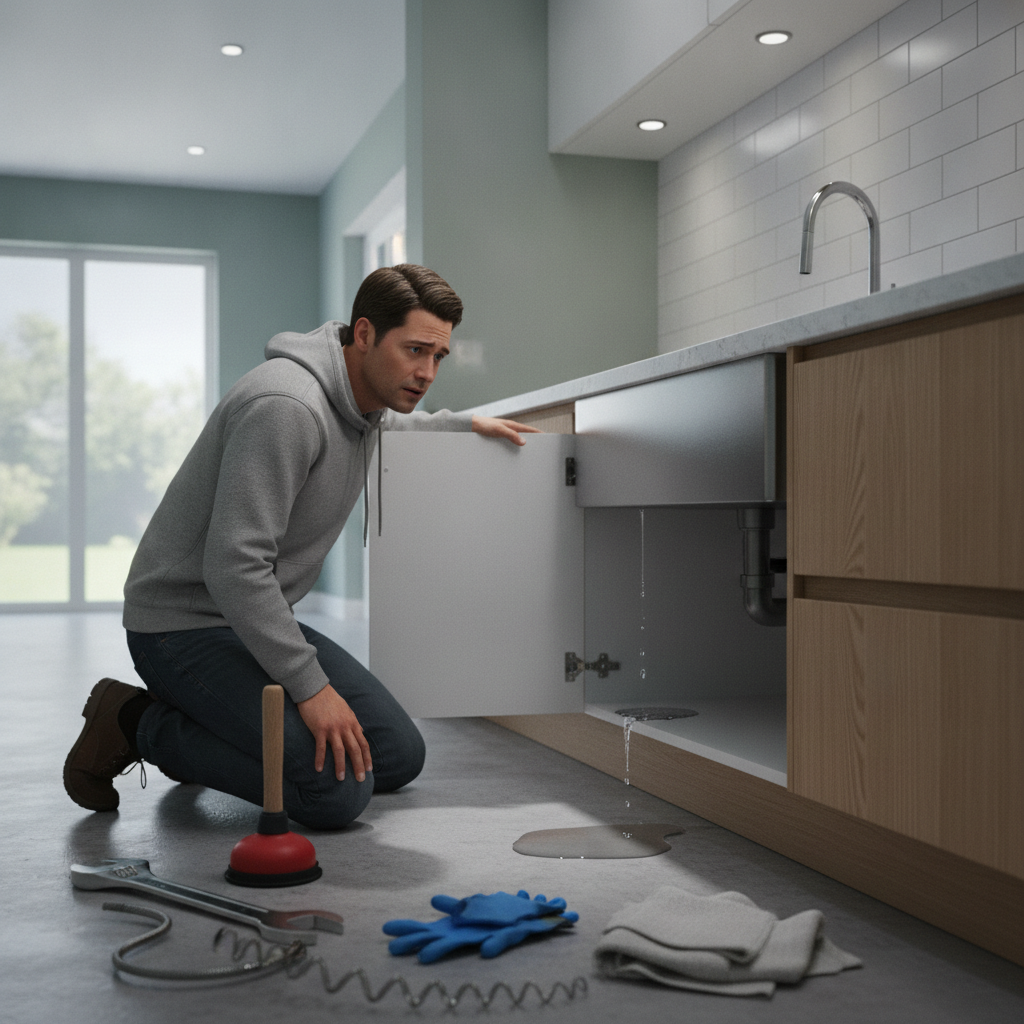
For less severe emergencies, such as a clogged drain or a leaking faucet, use basic tools like a plunger or pipe wrench, but avoid using excessive force. Over-tightening or aggressive plunging can cause further damage. Always wear protective gloves and eye protection to prevent injury from debris or splashing water.
For more detailed guidance on handling sewer line issues and inspections, visit our site for expert resources and professional support.
Emergency Plumbing Safety Sterling Heights, MI
In the region, plumbing emergencies can be particularly challenging due to seasonal changes and older infrastructure. Emergency Plumbing Safety Sterling Heights is especially important during winter months when pipes are more likely to freeze and burst. Insulating exposed pipes and keeping your home at a consistent temperature can help prevent these issues.
If a pipe does burst, immediately shut off the main water valve and open faucets to drain the system. This relieves pressure and minimizes water damage. Avoid using electrical appliances near the affected area, as water and electricity are a dangerous combination.
Another common emergency is a sump pump failure, which can lead to basement flooding. Regularly inspect and maintain your sump pump to ensure it’s functioning properly. If you notice unusual noises or the pump fails to activate, address the issue promptly to avoid costly water damage.
For a comprehensive overview of sump pump installation and maintenance, check out this resource on plumbing safety to keep your property protected year-round.
Emergency Plumbing Safety Sterling Heights Michigan
Residents of this community should be aware of the unique plumbing challenges that can arise in Michigan’s climate. Emergency Plumbing Safety Sterling Heights is more than a catchphrase, it’s a set of practices that can save you time, money, and stress. One crucial step is to familiarize yourself with your home’s plumbing layout. Know where the main shutoff valves are located for water, gas, and electricity.
If you experience a sudden drop in water pressure or notice discolored water, it could indicate a pipe rupture or contamination. Avoid using the water until the issue is resolved, and contact a professional if you’re unsure of the cause. Never attempt to repair major plumbing issues without the proper tools and knowledge, as this can lead to further damage or personal injury.
For minor issues like dripping faucets or running toilets, quick action can prevent bigger problems down the line. However, always prioritize safety, turn off water supplies before attempting any repairs, and use the correct tools to avoid injury.
For more practical plumbing safety tips and step-by-step repair guides, explore trusted local resources to ensure your home stays safe and functional.
Identifying Common Plumbing Emergencies
Understanding the most frequent plumbing emergencies can help you respond quickly and effectively. Burst pipes, overflowing toilets, and leaking water heaters are among the most common issues faced by homeowners. Recognizing the signs early, such as water stains on ceilings, unexplained puddles, or the sound of running water behind walls, can prevent a minor issue from becoming a major disaster.
Another frequent emergency is a backed-up sewer line. This can cause foul odors, slow drains, and even sewage backups into your home. If you notice these signs, avoid using water fixtures and call a professional immediately. Attempting to fix a sewer backup without proper equipment can expose you to harmful bacteria and hazardous gases.
Water heater malfunctions can also pose serious risks. If you hear popping noises, see rust-colored water, or notice the pilot light frequently going out, turn off the heater and have it inspected. A faulty water heater can leak or even explode if not addressed promptly.
By staying alert to these warning signs and acting quickly, you can minimize damage and protect your home from costly repairs.
Essential Tools for Emergency Plumbing Safety
Having the right tools on hand can make a significant difference during a plumbing emergency. Every homeowner should keep a basic plumbing toolkit that includes a plunger, adjustable wrench, pipe tape, and a bucket. These tools can help you manage minor leaks, clogs, and repairs until a professional arrives.
A flashlight is also essential, especially if you need to inspect dark or hard-to-reach areas. Always keep extra batteries nearby. Rubber gloves and safety goggles provide protection from dirty water and sharp objects. For more advanced emergencies, such as a burst pipe, a pipe cutter and pipe clamps can be invaluable for temporary fixes.
It’s also wise to keep a list of emergency contacts, including local plumbers and utility companies, in an easily accessible location. This ensures you can quickly reach out for help when needed.
By assembling a well-stocked toolkit and knowing how to use each item, you’ll be better prepared to handle unexpected plumbing issues safely and efficiently.
How to Shut Off Water, Gas, and Electricity Safely
One of the most important steps in emergency plumbing safety is knowing how to shut off your home’s main utilities. In a crisis, acting quickly can prevent further damage and protect your family from harm.
To shut off the water, locate the main shutoff valve, usually found where the water line enters your home. Turn the valve clockwise to stop the flow. For gas, the main shutoff is typically near your gas meter, use a wrench to turn the valve perpendicular to the pipe. If you suspect a gas leak, evacuate immediately and call emergency services from a safe location.
For electrical emergencies, find your circuit breaker panel and switch off the main breaker. Never attempt to handle electrical issues if water is present, as this can result in serious injury or death. When in doubt, wait for a qualified professional to arrive.
Familiarizing yourself with these shutoff points before an emergency occurs can save valuable time and prevent panic when every second counts.
Preventing Plumbing Emergencies Through Regular Maintenance
The best way to avoid plumbing emergencies is through regular maintenance and inspections. Schedule annual checks of your plumbing system, including pipes, faucets, water heaters, and sump pumps. Look for signs of wear, corrosion, or leaks, and address minor issues before they escalate.
Insulate pipes in unheated areas to prevent freezing during winter. Clean out gutters and downspouts to direct water away from your foundation. Test your sump pump by pouring water into the pit and ensuring it activates properly. Replace worn washers and seals on faucets to prevent drips and leaks.
Regular maintenance not only reduces the risk of emergencies but also extends the lifespan of your plumbing fixtures. By taking a proactive approach, you can save money on repairs and enjoy greater peace of mind.
Consider creating a maintenance schedule to keep track of inspections and repairs. This simple step can help you stay organized and ensure nothing is overlooked.
When to Call a Professional Plumber
While some plumbing issues can be handled with basic tools and know-how, others require the expertise of a licensed professional. Knowing when to call for help is an essential part of emergency plumbing safety. If you encounter a major leak, sewage backup, or gas smell, do not attempt to fix the problem yourself. These situations can be hazardous and often require specialized equipment and training.
Professional plumbers can quickly diagnose the issue and implement effective solutions, minimizing damage and ensuring your home remains safe. They also have access to advanced tools, such as pipe cameras and hydro-jetting equipment, which can resolve complex problems that DIY methods cannot.
If you’re unsure whether a situation warrants professional assistance, err on the side of caution. It’s better to make a quick call than to risk injury or further damage to your property.
Establish a relationship with a trusted local plumber before an emergency arises. This ensures you have reliable support when you need it most.
Safety Tips for DIY Plumbing Repairs
Many homeowners enjoy tackling small plumbing repairs themselves, but safety should always come first. Before starting any DIY project, turn off the water supply to the affected area. Wear protective gear, including gloves and safety glasses, to shield yourself from sharp edges and splashing water.
Use the right tools for the job, and never force fittings or pipes. Over-tightening can crack fixtures and cause leaks. If you’re using chemicals to clear a clog, follow the manufacturer’s instructions carefully and ensure the area is well-ventilated. Never mix different types of drain cleaners, as this can create toxic fumes.
If you encounter a problem that seems beyond your skill level, stop and call a professional. Attempting complex repairs without proper knowledge can lead to costly mistakes and potential hazards.
By following these safety tips, you can handle minor plumbing issues confidently while keeping yourself and your home protected.
Emergency Plumbing Safety Checklist
Having a checklist can help you stay organized and focused during a plumbing emergency. Review the following table to ensure you’re prepared for unexpected situations:
| Task | Action |
|---|---|
| Locate main water shutoff | Know its location and test periodically |
| Shut off electricity | Find the main breaker and switch off if needed |
| Inspect for gas leaks | Evacuate and call emergency services if detected |
| Keep emergency contacts handy | List plumbers and utility companies |
| Stock basic tools | Plunger, wrench, pipe tape, flashlight, gloves |
| Regular maintenance | Inspect and service plumbing fixtures annually |
Use this checklist as a guide to prepare your household for plumbing emergencies. Being proactive ensures you can respond quickly and safely when the unexpected occurs.
Final Thoughts
Plumbing emergencies are never convenient, but with the right knowledge and preparation, you can minimize their impact and keep your property safe. By following the principles of Emergency Plumbing Safety Sterling Heights, you empower yourself to act quickly and confidently in a crisis. Remember to prioritize safety, know when to call a professional, and maintain your plumbing system regularly to prevent future issues. Whether you’re a homeowner, business owner, or developer in the region, these tips will help you protect your investment and ensure peace of mind. Stay prepared, stay safe, and take charge of your plumbing emergencies with confidence.