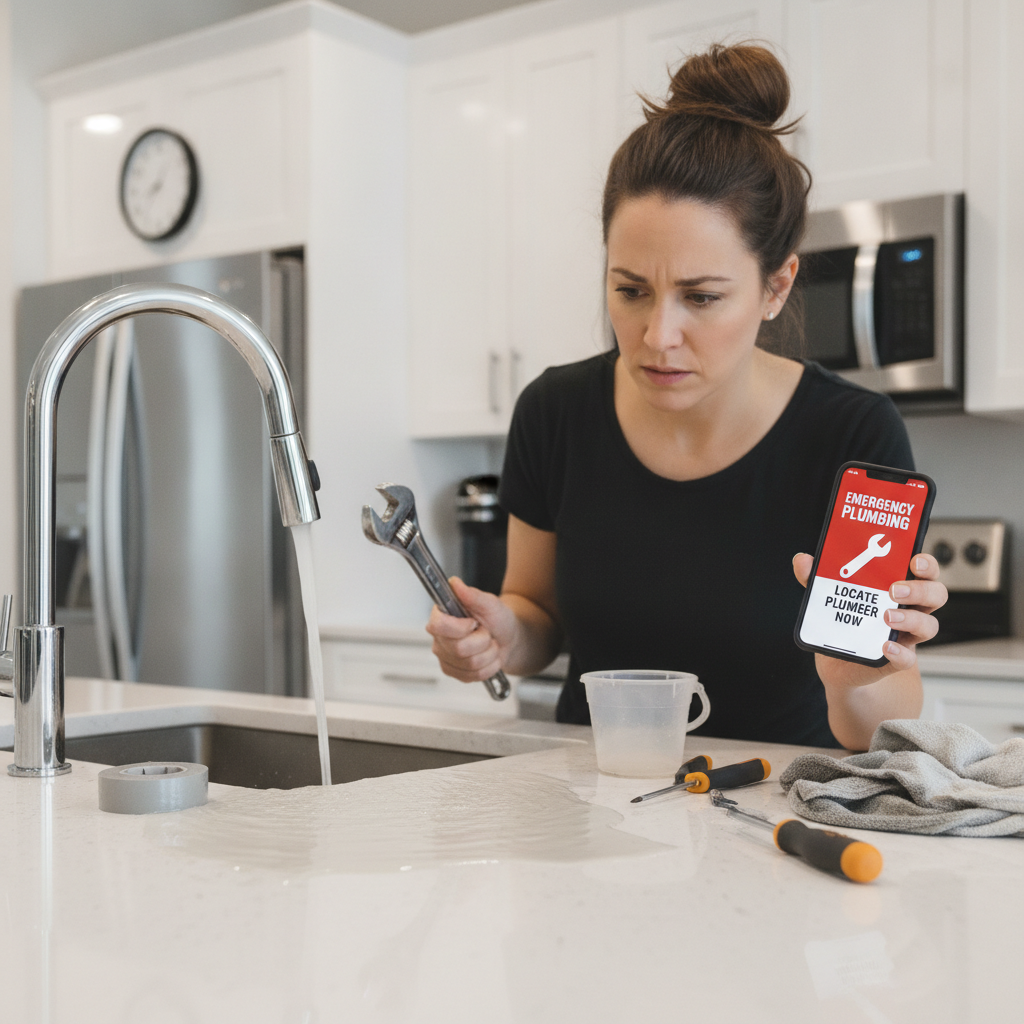
Plumbing emergencies can strike at the most inconvenient times, causing stress for homeowners, business owners, and anyone responsible for property maintenance. Whether you’re running a small business, managing a property, or simply taking care of your home, knowing how to respond to sudden plumbing issues is essential. In the area, fast action can make the difference between a minor inconvenience and a major disaster. This article explores the most common plumbing emergencies Sterling Heights residents face, practical steps for handling them, and when to call in the professionals. From burst pipes and overflowing toilets to gas leaks and water heater failures, you’ll find clear guidance to protect your property and minimize damage. By understanding the basics of plumbing emergencies Sterling Heights locals encounter, you’ll be better prepared to act quickly and confidently when every second counts.
Common Plumbing Emergencies in Sterling Heights
Every property owner in this city is likely to face a plumbing emergency at some point. Understanding the most frequent crises can help you react effectively and prevent further damage. Plumbing emergencies Sterling Heights residents encounter range from minor annoyances to full-blown disasters. Here’s a closer look at the top issues:
- Burst or leaking pipes
- Clogged drains and toilets
- Overflowing toilets
- Sewer line backups
- No hot water or water heater failures
- Gas leaks
- Flooded basements
- Frozen pipes in winter
Burst pipes are particularly notorious for causing extensive water damage within minutes. If a pipe bursts, immediately shut off the main water supply and open faucets to drain the system. For clogged drains, avoid using chemical cleaners, as they can worsen the problem or damage your pipes. Instead, try plunging or using a drain snake. Overflowing toilets often result from blockages in the trap or drain line; shutting off the toilet’s water valve and using a plunger can help contain the mess.
Sewer backups are serious health hazards, requiring immediate professional intervention. Water heater failures can leave you without hot water, but they may also signal dangerous pressure buildup. Gas leaks are emergencies, if you smell gas, evacuate the building and call emergency services. Flooded basements can result from heavy rains or sump pump failures, while frozen pipes are a winter risk that can lead to bursts.
If you’re unsure how to handle any of these situations, consider reaching out for expert help. For more information on managing plumbing crises in Sterling Heights, professional services are available to assist you 24/7.
Plumbing Emergencies in Sterling Heights, MI
When a plumbing emergency occurs in your home or business, knowing the right steps to take can prevent further damage and save money. Plumbing emergencies Sterling Heights can include anything from a sudden water heater failure to a rapidly flooding basement. Here’s how to respond to the most common emergencies in the region:
- Shut off the main water supply as soon as you notice uncontrolled leaks or bursts.
- Turn off the water heater to prevent overheating or pressure buildup.
- Use towels or buckets to contain minor leaks while waiting for help.
- Avoid flushing toilets or using sinks if you suspect a sewer backup.
- Evacuate the building and call emergency services if you detect a gas leak.
Quick action is essential. For instance, if a pipe bursts, shutting off the main water valve can limit water damage to just one area. If your water heater is leaking, turn off the power supply (electric or gas) before addressing the leak. In the event of a sewer backup, keep everyone away from contaminated water and avoid contact until professionals arrive. For frozen pipes, gently warm the affected area with a hair dryer, never an open flame, to prevent further damage.
Many plumbing emergencies Sterling Heights residents face can be minimized with prompt intervention. However, some issues require immediate professional attention. If you’re unsure, it’s always safer to call in the experts. For urgent help with plumbing emergencies Sterling Heights, local professionals are available around the clock to provide support and repairs.
Handling Plumbing Emergencies in Sterling Heights Michigan
Responding to plumbing emergencies in this community requires both quick thinking and a basic understanding of your home or business’s plumbing system. The first step is always safety, identify the source of the problem and assess any immediate dangers, such as electrical hazards or contaminated water. If you encounter a burst pipe, shut off the main water valve and open faucets to relieve pressure. For overflowing toilets, turn off the water supply to the fixture and use a plunger to clear the blockage.
If you suspect a gas leak, evacuate the building immediately and contact emergency services. Never attempt to locate the leak yourself. For water heater issues, turn off the power supply and water inlet. If the basement floods, avoid contact with standing water, especially if electrical outlets are submerged. Use a wet/dry vacuum to remove water if it’s safe to do so, but call professionals for large-scale flooding.
Preventive maintenance can reduce the risk of emergencies. Regularly inspect pipes for signs of corrosion or leaks, and ensure your sump pump is functioning before heavy rains. Insulate pipes in unheated areas to prevent freezing during winter. Knowing the location of your main water shut-off valve and how to operate it is crucial for every property owner in the neighborhood.
Burst Pipes and How to Respond
Burst pipes are among the most destructive plumbing emergencies Sterling Heights residents may encounter. A burst pipe can release gallons of water in minutes, soaking floors, walls, and belongings. The most common causes include freezing temperatures, corrosion, or excessive water pressure. Here’s what to do if you discover a burst pipe:
- Shut off the main water supply immediately to prevent further flooding.
- Open all faucets to drain the remaining water from the system.
- Move valuables and electronics away from the affected area.
- Use towels, buckets, or a wet/dry vacuum to remove standing water.
- Contact a professional plumber to assess and repair the damage.
Preventing burst pipes starts with insulation and regular maintenance. Insulate pipes in attics, basements, and crawl spaces, especially in older buildings. During cold snaps, allow faucets to drip slightly to keep water moving and reduce the risk of freezing. If you plan to be away during winter, set your thermostat to at least 55°F and have someone check on your property periodically.
Remember, acting quickly can minimize damage and repair costs. Keep emergency plumber contact information handy so you can respond without delay when a crisis strikes.
Dealing with Clogged Drains and Toilets
Clogged drains and toilets are common plumbing emergencies Sterling Heights property owners face. While they might seem minor, severe blockages can quickly escalate into overflowing fixtures and water damage. The most frequent causes include buildup of hair, grease, paper products, or foreign objects in the pipes.
- For sinks and showers, use a plunger or a drain snake to clear minor clogs.
- Avoid chemical drain cleaners, which can damage pipes and worsen blockages.
- For toilets, shut off the water supply valve behind the fixture before plunging.
- If water is rising, remove the tank lid and manually close the flapper to stop the flow.
- If plunging fails, call a professional plumber to avoid damaging your plumbing system.
Prevent clogs by disposing of grease, wipes, and other non-flushable items in the trash rather than down the drain. Install drain screens to catch hair and debris in showers and sinks. Educate family members or employees about what should and shouldn’t go down the drain.
Regular maintenance and prompt action can keep your plumbing system running smoothly and help you avoid the stress and expense of a major emergency.
Overflowing Toilets and Immediate Solutions
An overflowing toilet is a messy and stressful plumbing emergency. It can quickly flood your bathroom, damage flooring, and create sanitation concerns. The most common causes are blockages in the trap or drain line, excessive toilet paper, or foreign objects flushed down the toilet.
- Turn off the water supply valve behind the toilet to stop the flow.
- Remove the tank lid and close the flapper to prevent more water from entering the bowl.
- Use a plunger to attempt to clear the blockage.
- Clean up standing water promptly to prevent water damage and mold.
- If the blockage persists, call a professional for assistance.
To prevent future overflows, avoid flushing anything other than toilet paper and human waste. Educate children and staff about proper toilet use. Consider installing low-flow toilets to reduce the risk of clogs and overflows.
Quick action and proper technique can limit the damage and restore normal function to your bathroom in no time.
Sewer Backups and Health Risks
Sewer backups are among the most hazardous plumbing emergencies Sterling Heights locals might experience. These incidents occur when wastewater flows back into your home or business, often due to blockages, tree root intrusion, or damaged sewer lines. The resulting mess is not only unpleasant but also poses serious health risks due to bacteria and contaminants.
- Avoid contact with contaminated water to prevent illness.
- Do not use toilets, sinks, or drains until the issue is resolved.
- Ventilate the area by opening windows and doors.
- Contact a professional plumber immediately for assessment and cleanup.
- Consider professional sanitization services after the backup is cleared.
Prevent sewer backups by avoiding flushing grease, wipes, and other debris. Schedule regular sewer line inspections, especially in older properties or those with large trees nearby. Installing a backwater valve can provide extra protection against backups during heavy rains.
Remember, health and safety come first. Never attempt to clean a sewer backup yourself unless you have the proper equipment and training.
Water Heater Failures and No Hot Water
A sudden lack of hot water can disrupt daily routines and signal a more serious plumbing emergency. Water heater failures may result from faulty thermostats, sediment buildup, or leaks. In rare cases, pressure buildup can create dangerous conditions.
- If you notice water pooling around your heater, turn off the power (electric or gas) and shut off the water supply.
- Do not attempt to repair gas water heaters yourself; call a licensed professional.
- Check the thermostat and reset it if necessary.
- Flush the tank annually to remove sediment and extend the life of your heater.
- If you hear banging or popping noises, schedule a professional inspection.
Preventive maintenance, such as regular flushing and inspections, can help you avoid sudden breakdowns. If your water heater is over 10 years old, consider replacing it with a newer, more efficient model to reduce the risk of emergencies and lower energy costs.
Always prioritize safety and consult a professional for any repairs involving gas or electrical components.
Gas Leaks and Emergency Response
Gas leaks are among the most dangerous plumbing emergencies Sterling Heights property owners may face. Natural gas is highly flammable and can cause explosions or carbon monoxide poisoning. Common signs of a gas leak include a rotten egg smell, hissing sounds near gas lines, or dead vegetation near outdoor pipes.
- If you suspect a gas leak, evacuate the building immediately.
- Do not use electrical switches, phones, or open flames.
- Call emergency services from a safe location.
- Do not attempt to locate or repair the leak yourself.
- Have your gas lines inspected regularly by licensed professionals.
Prevent gas leaks by ensuring all appliances are properly installed and maintained. Install carbon monoxide detectors throughout your property for added safety. Regular inspections can catch small leaks before they become emergencies.
Always treat gas leaks as emergencies and prioritize the safety of everyone in the building.
Flooded Basements and Sump Pump Failures
Flooded basements are a recurring issue, especially during heavy rains or when sump pumps fail. Water can enter through foundation cracks, window wells, or plumbing leaks, causing extensive property damage and creating a breeding ground for mold and mildew.
- If your basement floods, turn off electricity to the affected area before entering.
- Use a wet/dry vacuum or pump to remove standing water if it’s safe to do so.
- Move valuables and furniture to dry areas.
- Clean and disinfect all surfaces to prevent mold growth.
- Have your sump pump inspected and maintained annually.
Install a backup sump pump or battery system to ensure protection during power outages. Consider sealing foundation cracks and improving exterior drainage to prevent water intrusion. Regular maintenance and prompt action can limit the damage and reduce recovery costs.
Flooded basements are best handled by professionals, especially if the water is contaminated or the flooding is severe.
Preventive Measures and Maintenance Tips
Preventing plumbing emergencies Sterling Heights property owners dread is possible with regular maintenance and a proactive approach. Here are some essential tips to keep your plumbing system in top shape:
- Inspect pipes regularly for leaks, corrosion, or signs of damage.
- Insulate exposed pipes to prevent freezing in winter.
- Flush water heaters annually to remove sediment buildup.
- Avoid disposing of grease, wipes, or other debris down drains.
- Test sump pumps before the rainy season to ensure proper operation.
- Know the location of your main water shut-off valve and how to use it.
- Schedule annual plumbing inspections with a licensed professional.
By taking these simple steps, you can significantly reduce the risk of unexpected plumbing emergencies Sterling Heights residents often face. Preventive care not only saves money but also protects your property and provides peace of mind.
| Emergency Type | Immediate Action | When to Call a Pro |
|---|---|---|
| Burst Pipe | Shut off main water, drain faucets | Always |
| Clogged Drain/Toilet | Plunge or use drain snake | If blockage persists |
| Sewer Backup | Avoid contact, ventilate area | Always |
| Water Heater Failure | Turn off power and water supply | If leaking or no hot water |
| Gas Leak | Evacuate, call emergency services | Always |
| Flooded Basement | Turn off electricity, remove water | If severe or contaminated water |
Final Thoughts
Plumbing emergencies Sterling Heights property owners experience can be overwhelming, but with the right knowledge and preparation, you can minimize damage and protect your investment. Remember to act quickly, prioritize safety, and know when to call in the professionals. Regular maintenance and preventive measures are your best defense against unexpected crises. By staying informed and prepared, you’ll be ready to handle any plumbing emergency that comes your way, keeping your home or business safe and functional year-round.