Skip to content
When a pipe bursts, shut off your main water supply immediately and open nearby faucets to relieve pressure, then turn off electricity to wet areas. Contain and extract standing water, prop up soaked items, and document damage. Apply a temporary clamp or rubber patch, or use a repair sleeve; for frozen pipes thaw with a hair dryer, never open flame. Cut out and replace badly corroded sections, check valves and regulators, and monitor until you can get a pro — keep going to learn practical how-tos and priorities.
Key Takeaways
- Shut off the main water supply immediately and open nearby faucets to relieve pressure and stop flooding.
- Turn off electricity to wet areas before entering to reduce shock and fire risk.
- Contain and remove standing water quickly with pumps, wet/dry vacuums, and towels to limit damage and mold.
- Apply a temporary rubber patch and pipe clamp or repair sleeve over the burst after cleaning and drying the pipe.
- Plan a permanent repair: cut to sound pipe, replace with compatible materials, deburr ends, and pressure-test the joint.
Shut Off Main Water Supply Immediately
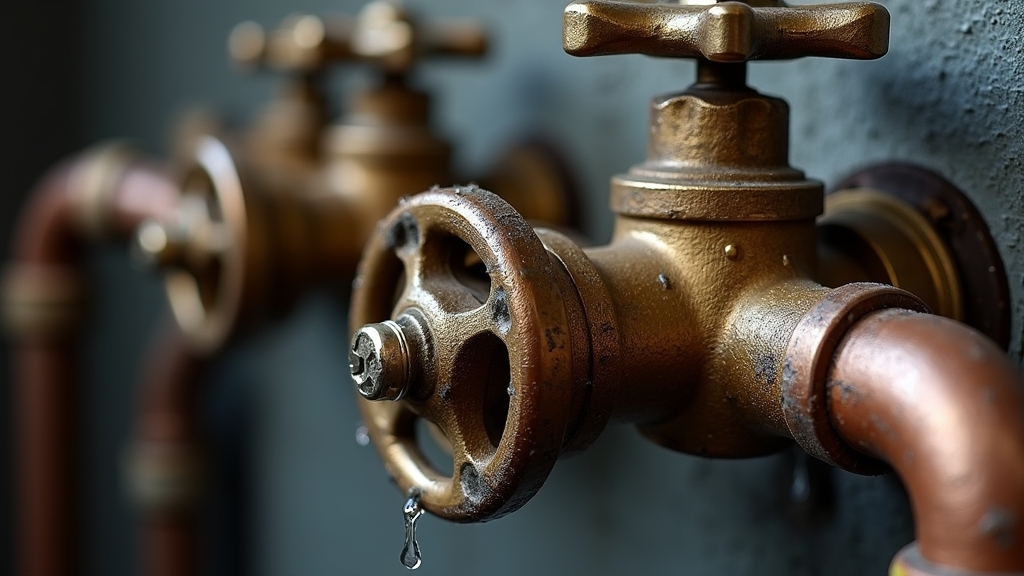
Turn the water off at the main shutoff immediately to stop flooding and limit damage.
Turn off the main water shutoff right away to stop flooding and minimize further damage.
You’ll want to Locate Valve quickly—check the perimeter of your home, garage, basement, or near the water meter.
Once you’ve found the valve, turn it clockwise firmly until it stops; ball valves go a quarter turn, gate valves need several turns. If the valve’s seized, don’t force it—call your plumber.
After you shut the supply, open faucets on lower and upper floors to drain remaining water and relieve pressure.
Use towels and buckets to contain leaks, and move valuables from affected areas.
While you work, have Emergency Contacts ready: your licensed plumber, your insurance agent, and a trusted contractor. Send photos for documentation and note times of actions.
If you smell gas or see electrical hazards, evacuate and call the appropriate emergency services instead of staying inside.
These steps limit water damage and prepare you for repairs.
Turn Off Electricity to Affected Areas
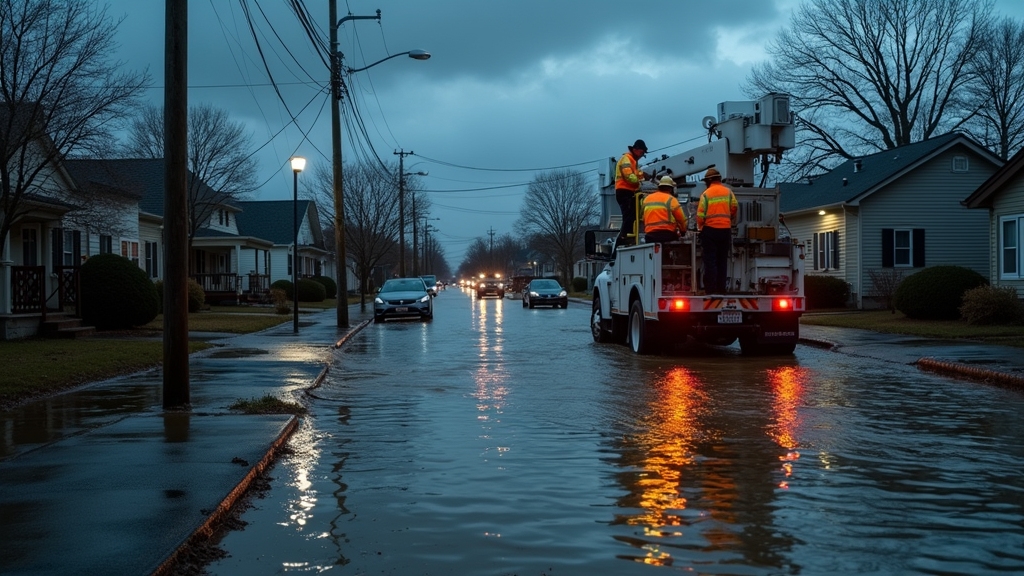
After you’ve shut off the water and stopped the flooding, shut power to the affected areas to prevent shock and electrical fires. You’ll locate the main panel, use breaker identification to find circuits serving wet rooms, and switch them off. If circuits aren’t labeled, turn off likely zones (bathrooms, laundry, basement) and call an electrician for proper electrical isolation.
| Step | Action | Why |
| 1 | Open panel | Access breakers safely |
| 2 | Identify breakers | Use labels or test one-off |
| 3 | Switch off | Isolate power to wet areas |
Don’t touch wet electrical equipment and avoid stepping in water while handling the panel. Wear rubber-soled shoes and use a dry flashlight. If you smell burning or see sparking, leave immediately and call emergency services. Once power’s isolated, you’ll reduce immediate danger and make it safer for repair crews to work.
Contain and Remove Standing Water
Once the main water is off and electricity is isolated, contain the spread by blocking doorways with towels or plastic sheeting and get standing water out quickly using a wet/dry vacuum, pumps, or buckets—doing so reduces water damage, mold risk, and structural strain.
You’ll want to work methodically: start with easy-to-move items, protect valuables, and document everything for insurance documentation.
Remove wet rugs and cushions, prop up soaked furniture to aid drying, and prioritize furniture salvage where possible.
- Extract water: use a wet/dry vacuum for small areas, a pump for deep standing water, and buckets with squeegees for corners.
- Dry and ventilate: open windows, run fans and dehumidifiers, and lift damp materials off floors to speed evaporation and prevent mold.
- Record and protect: photograph damage, log removed items for insurance documentation, and store salvageable furniture elevated on blocks or plastic to avoid re-soaking.
Apply a Temporary Patch to the Burst Pipe
First, shut off the water supply to stop the flow before you touch the pipe.
Wipe the area dry and remove any debris so the patch will seal properly.
Then fit a temporary clamp or repair sleeve over the burst to hold until a permanent fix is made.
Shut off Water Supply
Before you touch the damaged pipe, shut off the water to stop flow and limit damage—locate the main shutoff valve for your home or the nearest isolation valve for the affected line and turn it clockwise until it stops.
Once stopped, relieve pressure by opening a faucet at a lower level. Check valve labeling so you know which controls serve which zones; clear labels save time in future emergencies. Good access planning makes this quicker and safer—keep the valve areas clear and reachable.
- Verify shutoff: confirm flow stopped and note which valve you used.
- Secure the area: turn off electricity to wet zones and mop up pooling water.
- Prepare patch: gather tools and materials before you begin temporary repairs.
Clean and Dry Surface
While the water’s off and the area is safe, dry and clean the pipe around the break so any temporary patch will adhere properly. You’ll want to remove standing droplets and wipe the metal or plastic with a clean cloth.
Use a mild detergent solution or isopropyl alcohol for Surface Sanitization; that removes oils and reduces contaminants that prevent adhesion. After cleaning, dry the area thoroughly with paper towels or a heat gun on low, keeping it moving to avoid damage.
Quick, effective cleaning helps Mold Prevention by removing moisture and organic residues that feed growth. Wear gloves, ventilate the space, and dispose of contaminated cloths.
Once the surface is clean and dry, you can prepare to apply a temporary patch confidently.
Apply Temporary Clamp
Placing a temporary clamp is the quickest reliable way to stop a leak and buy you time to arrange a permanent fix.
You’ll first shut off water, dry the area, and inspect the damage. Follow manufacturer guidelines for clamp size and torque so you don’t cause more harm.
- Select the right clamp: match pipe material and diameter, and check the manufacturer guidelines for compatibility.
- Position and tighten: center the clamp over the breach, tighten incrementally, and confirm the leak slows or stops.
- Monitor and log: keep the repair under observation, note the date on your maintenance schedule, and plan a professional replacement.
This temporary patch buys time but isn’t a substitute for permanent repair.
Use Pipe Clamps and Rubber for Short-Term Seals
If you need a quick temporary seal, grab a rubber patch or piece of inner tube and clamp it over the leak to stop most dripping.
Make sure you pick a pipe clamp the right size so it fully covers the damaged area without crushing the pipe.
Tighten evenly and check for leaks before leaving it as a short-term fix.
Quick Temporary Seal
When a pipe bursts and you need an immediate fix, a pipe clamp paired with a piece of rubber offers a fast, reliable temporary seal you can install in minutes; you’ll stop most leaks long enough to shut off water and call a plumber.
You’ll want a clean surface, a rubber patch (cut from hose or inner tube), and a clamp tightened snugly over the leak.
If you don’t have rubber, epoxy putty or adhesive tape can supplement the seal until a pro arrives.
Steps to follow:
- Dry the area, center the rubber patch over the hole, and position the clamp.
- Tighten evenly until water flow stops, but don’t over-torque.
- Monitor the seal and replace with permanent repair promptly.
Choosing Clamp Size
How do you pick the right clamp size for a temporary rubber patch?
You’ll start with a simple measurement technique: measure the pipe’s outside diameter where the patch will sit.
If the burst is irregular, measure the widest point and average multiple readings.
Compare that number to clamp ranges; clamps list minimum and maximum diameters, so pick one that comfortably covers your measured size without over-compressing the rubber.
Check manufacturer standards for recommended clamp torque and rubber thickness to secure a proper seal and avoid material failure.
When in doubt, choose a slightly larger adjustable clamp and tighten gradually while watching for leaks.
Document your measurements and the clamp model so a permanent repair matches the temporary work.
Isolate and Drain Damaged Sections
Start by shutting off the water supply to the affected line so you stop more water from entering the burst section.
Next, use isolation mapping to identify which valves control the damaged zone; valve labeling will help you and others find them quickly during future emergencies. Once isolated, relieve pressure and drain the section to minimize leaks and water damage.
- Turn off the main or zone valve, then open nearby faucets to release pressure and drain remaining water.
- Use isolation mapping to trace the branch lines; label each valve clearly with permanent markers or tags for quick reference.
- Collect drained water with buckets or a wet vacuum, and check low points and traps for residual water that could cause ongoing leaks.
You’ll want clear access and a dry work area before attempting repairs or calling a pro. Proper isolation and draining reduces damage and speeds any follow-up repair.
Replace Corroded or Burst Pipe Sections
With the damaged section isolated and drained, you can remove corroded or burst pipe segments and install replacements.
First, cut back to solid metal or sound plastic, leaving clean, square ends.
Measure carefully and choose replacement pipe based on material selection—match metal types (copper, steel) to avoid galvanic corrosion, or pick compatible plastics (PVC, CPVC, PEX) for temperature and pressure ratings.
Deburr and clean ends before joining.
For metal pipes, you’ll use appropriate welding techniques or soldering; if you’re not trained, opt for brazing by a pro or use threaded/flared fittings as safer alternatives.
For plastics, solvent cement or mechanical couplings work well.
Always pressure-test the repair at low pressure, then gradually raise it while checking for leaks.
Secure the new section with proper supports and insulation where needed.
Keep records of fittings and materials for future maintenance.
Thaw Frozen Pipes Safely
If a pipe’s frozen, act quickly but safely to restore flow and prevent bursts: you’ll want to locate the frozen section and open nearby taps to relieve pressure.
Never use an open flame; instead, apply safe heat sources and monitor the pipe as it warms. Use a hair dryer, electric heat pad, or space heater kept off combustible surfaces.
- Locate and expose: remove insulation or drywall carefully to see the pipe, then open the faucet to flow once thawed.
- Apply steady heat sources: move a hair dryer or heat pad slowly along the pipe; don’t concentrate heat in one spot and avoid torches or unvented gas heaters.
- Prevent recurrence: wrap pipes with proper pipe insulation, seal drafts, and keep a low steady heat in vulnerable spaces during cold snaps.
If you suspect a crack or you’re unsure, shut the main valve and call a plumber to avoid water damage and unsafe repairs.
Check and Repair Water Pressure Regulators and Valves
Check your pressure regulator by measuring outlet pressure with a gauge to verify it’s holding steady under normal flow.
If the regulator is erratic or above recommended limits, you’ll need to adjust or replace it to prevent pipe stress.
Also inspect shutoff and check valves for leaks or stiffness and swap any that won’t seal properly.
Test Pressure Regulator Performance
Start by shutting off the main feed and relieving pressure at a convenient faucet so you can test the pressure regulator safely and accurately. You’ll perform bench testing-like checks and simple pressure mapping to verify setpoint and stability.
Connect a gauge to the downstream port, reopen supply, and note steady-state pressure. If it fluctuates or exceeds safe limits, you’ll need adjustment or service.
- Record inlet and outlet readings over several minutes to map pressure changes.
- Adjust the regulator screw in small increments, then repeat readings to confirm the setpoint.
- If the regulator won’t hold or leaks, isolate it and prepare for replacement.
These steps help you confirm regulator performance without moving to valve replacement procedures.
Inspect and Replace Valves
Inspecting and replacing valves keeps your system safe and prevents recurring pressure problems. You’ll check shut-offs, pressure regulators, and gate or ball valves for leaks, corrosion, and proper operation. Do a seat inspection to verify seals; replace worn seats and cartridges. Confirm material compatibility when swapping parts to avoid galvanic corrosion or failed seals. If pressure spikes continue after regulator service, replace the regulator.
| Task | Tip |
| Shut-off check | Operate monthly |
| Seat inspection | Look for wear |
| Regulator test | Use gauge |
| Material compatibility | Match metals |
| Replacement | Use OEM parts |
Turn off water before work, relieve pressure, and test at the meter. Call a pro if unsure or if problems persist.
Inspect for and Repair Resulting Water Damage
Once the burst pipe is shut off and the immediate leak’s controlled, look over the affected areas for water damage—wet drywall, swollen baseboards, stained ceilings, musty odors, and warped floors are clear signs.
You’ll want to document everything with photos, then dry the area with fans and dehumidifiers to limit mold growth.
If you spot discoloration or persistent odor, arrange professional mold remediation promptly.
Also schedule a structural assessment when framing, joists, or load-bearing elements look compromised.
- Remove soggy materials: Cut out ruined drywall, pull up soaked carpet, and detach baseboards to speed drying and reveal hidden damage.
- Disinfect and dry: Use antimicrobial cleaners, run air movers, and monitor moisture levels until readings return to normal.
- Repair and restore: Replace damaged framing or subfloor per the structural assessment, reinstall finishes, and confirm no lingering moisture before closing walls.
Act quickly—timely action minimizes repair scope and long-term costs.
Frequently Asked Questions
How Do I File an Insurance Claim for Pipe Burst Damage?
You file a claim by contacting your insurer, documenting damage with photos and receipts (Claim Documentation), reviewing Policy Coverage, submitting forms promptly, keeping repair estimates, and following up until settlement, and you’ll want copies of everything for records.
Can I Use Household Glue or Tape as a Temporary Fix?
You shouldn’t rely on household glue or tape as a permanent fix; glue limitations make them weak under pressure and moisture. Use tape alternatives like pipe repair tape, rubber patch kits, or call a plumber for a proper temporary repair.
Is It Safe to Return Home After a Major Water Leak?
You can return only after professionals confirm it’s safe; you’ll want checks for electrical hazards and compromised structural integrity, drying, mold inspection, and repaired water sources before reentry to protect your health and home.
When Should I Call a Plumber Versus DIY Repair?
Call a plumber when problems exceed your skill assessment or need specialized tools; you should DIY only if you’ve got the right tool availability, clear instructions, and minor damage. Don’t risk safety or worsening leaks.
Will a Burst Pipe Cause Mold Growth in Weeks?
Yes, a burst pipe can cause mold growth in weeks; you’ll often see spores within 24–72 hours. Prioritize moisture monitoring, dry affected areas fast, and call a pro if dampness persists to prevent long-term damage.
Final Thoughts
When a pipe bursts, acting fast is the only way to limit damage and keep your home safe. Shutting off the main water supply, isolating electrical hazards, removing standing water, and applying a temporary patch all buy you time—but they aren’t a substitute for a professional, permanent repair. Burst pipes can weaken structures, trigger mold within days, and create hidden pressure problems that return if the underlying cause isn’t resolved.
For expert help, DNA Honest Plumbing provides rapid, round-the-clock emergency service and durable repairs you can rely on. Our licensed technicians handle everything from 24/7 emergency leak response to pipe repair, pipe replacement, and complete moisture and drainage assessments with camera sewer inspections. For broader protection, explore our full list of plumbing services, including support for frozen pipes, fixture damage, and interior plumbing issues.
Don’t wait for secondary damage or mold to develop. If the repair exceeds DIY safety or skill, call in a licensed professional right away. For urgent help, estimates, or follow-up service after temporary stabilization, connect with us here: Contact DNA Honest Plumbing.