Skip to content
If you suspect a leak, first shut off the main water supply to prevent damage, then check your water meter with all fixtures off to confirm ongoing flow indicating a leak. Listen closely for running water sounds behind walls or floors and look for damp spots or discoloration. Quickly contain leaks with towels or buckets and contact a licensed plumber who uses advanced tools like acoustic detection or thermal imaging to pinpoint hidden leaks. Knowing these steps helps you react swiftly and minimize harm while more detailed solutions follow.
Key Takeaways
- Shut off the main water supply immediately to prevent further damage during a leak emergency.
- Contact a licensed 24/7 emergency plumbing service for fast, professional assistance.
- Contain the leak with towels or buckets to protect belongings until help arrives.
- Document the damage with photos for insurance claims and repair records.
- Know the location of your main shut-off valve for quick action in any plumbing emergency.
Common Signs of Plumbing Leaks to Watch For
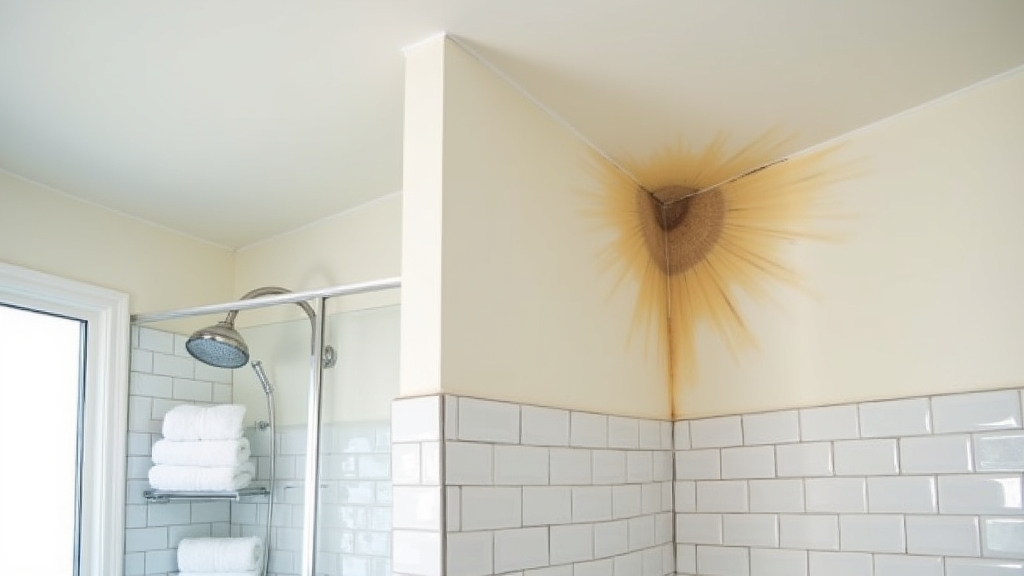
How can you tell if a plumbing leak is lurking unseen in your home? Watch for sudden spikes in your water bill, as a hidden leak can quietly waste gallons without you noticing.
Listen for the sound of running water when all taps are off—this could mean a leak is active behind walls or under floors.
Hearing running water with all taps off? That’s a telltale sign of a leak lurking behind walls or beneath your floors.
Check for water stains on ceilings or walls; these brownish marks often signal a leak above or behind the surface.
If you spot damp spots, musty smells, or mold growth, especially near appliances or baseboards, leak detection is urgent.
Low water pressure or warped flooring can also point to a problem.
Don’t ignore dripping sounds or visible corrosion on pipes.
Catching these signs early helps prevent costly damage.
Regularly inspecting for water stains and unusual changes keeps your home safer and your plumbing in better shape.
How to Perform a Quick Leak Assessment at Home
Start your quick leak assessment by turning off all water fixtures and appliances in your home, then closely observe your water meter for any movement. If the meter’s indicator spins or changes, you likely have a leak somewhere in your plumbing system. Next, listen carefully for dripping sounds near pipes, faucets, or behind walls, and check for visible signs like damp spots, discoloration, or mold. These steps form the core of effective leak detection. For quick fixes, tighten loose fittings, replace worn washers, or apply sealing tape to minor drips.
| Feeling Worried? | Spot the Leak Fast! | Act Swiftly! |
| Annoyed by noise | Pinpoint trouble | Save your money |
| Concerned about damage | Detect dampness | Prevent costly repairs |
| Keen to fix ASAP | Use your senses | Restore peace of mind |
This simple method helps you catch leaks early and perform quick fixes before damage worsens.
Immediate Actions to Take During a Leak Emergency
If you spot a sudden leak, shut off the main water supply right away to stop more water from flowing. This immediate action is essential in any emergency response to minimize water damage.
Quickly locate your main shut-off valve—usually near the water meter, in the basement, garage, or outside—and turn it clockwise to stop the flow.
Quickly find your main shut-off valve—usually near the water meter, basement, garage, or outside—and turn it clockwise to stop water flow.
After that, focus on leak identification to then understand where the flood is coming from and how severe it is. Check pipes, fixtures, appliances, or water heaters to pinpoint the source.
Once identified, contain the leak as best you can using towels, buckets, or plastic sheeting to protect your belongings. Remove valuables from the affected area and if safe, turn off electrical power in proximity to the leak to avoid hazards.
Document the damage with photos for insurance, and call a licensed plumber promptly to get expert emergency response and repairs underway.
Advanced Leak Detection Technologies Explained
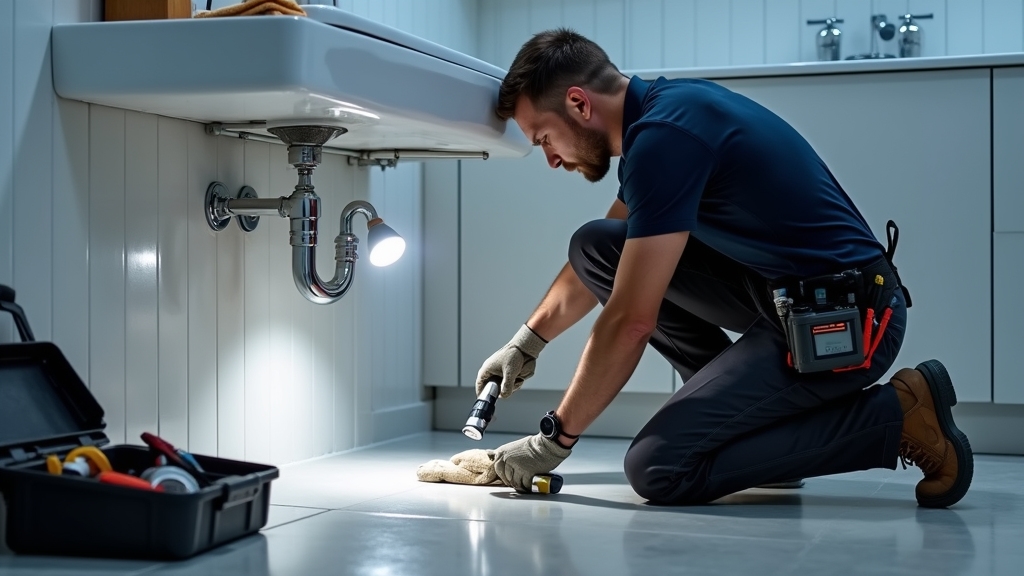
Advanced leak detection technologies use a combination of sensors, acoustic devices, and smart monitoring systems to identify leaks early and precisely, helping you prevent costly water damage. These tools give you the advantage of catching problems before they escalate into emergencies.
Acoustic leak detection works by capturing the distinct sounds water makes when escaping from pipes. Specialized microphones amplify these vibrations, allowing technicians to pinpoint leak locations without invasive digging.
Infrared thermography uses thermal cameras to detect temperature variations caused by water leaks, revealing hidden problems behind walls and beneath floors.
You’ll also benefit from:
- Electronic moisture detectors that identify leaks in hidden areas with precision
- Real-time pressure monitoring systems that alert you to drops indicating leaks
- Smart water meters using data analytics to detect abnormal usage patterns
These non-invasive methods minimize property disruption while delivering accurate results. By combining multiple detection technologies, you’re equipped to address leaks quickly and effectively.
Choosing the Right 24/7 Emergency Plumbing Service
What should you look for when choosing a 24/7 emergency plumbing service? Start by verifying that the company’s licensed and insured—this protects you from liability and guarantees they meet industry standards.
Your emergency response time matters enormously; ask how quickly they’ll arrive and confirm they’re truly available around the clock, not just during business hours.
Service reliability depends on experience and expertise. Look for plumbers with proven track records handling various emergency repairs, as they’ll diagnose and fix issues efficiently.
Check customer reviews and ratings online, focusing on feedback about response time, professionalism, and work quality.
Don’t accept over-the-phone estimates—reputable companies require on-site inspections first to provide accurate pricing and identify underlying issues.
Finally, observe professionalism: marked vehicles, uniforms, and courteous staff indicate a company that takes its work seriously and won’t leave you scrambling during your crisis.
What to Expect From Professional Leak Repair
When you call a professional plumber for emergency leak repair, they’ll start with a thorough assessment to pinpoint the leak’s exact location and determine the best repair strategy for your specific situation.
Once they’ve identified the problem, they’ll execute the repair using appropriate methods—whether that’s applying epoxy putty for temporary fixes, clamping damaged sections, or replacing pipe segments entirely.
After completing the repair work, they’ll test your plumbing system under pressure and inspect all connections to confirm the leak is fully resolved and your pipes can handle normal water pressure without issues.
Professional Assessment Process
If you call in a professional for leak repair, they’ll start by evaluating your system to pinpoint the exact location and cause of the leak. This expert evaluation uses multiple assessment criteria to guarantee thorough diagnosis.
Professionals employ several key methods during their inspection:
- Visual inspection of affected areas and common leak locations
- Advanced technology like thermal imaging cameras and acoustic sensors to detect hidden moisture
- Pressure testing to identify system weaknesses and pressure drops
They’ll examine damp patches, check your water meter for unusual readings, and assess the severity of water damage.
This all-encompassing approach allows technicians to determine the best repair strategy, whether that’s temporary solutions like epoxy putty or permanent fixes requiring pipe replacement.
Their detailed findings guide the next steps in restoration.
Repair Execution Steps
Once your technician has identified the leak’s source and severity, they’ll execute a systematic repair plan tailored to your specific situation.
This plan often starts with precise leak detection methods to pinpoint all affected areas. Next, they’ll prepare by shutting off the water supply and drying the pipes to guarantee effective repair.
Depending on the plumbing materials involved—such as copper, PVC, or galvanized steel—they select suitable techniques and parts. Repairs might involve applying epoxy putty, plumbing clamps, or slip couplings for temporary or permanent solutions.
In more severe cases, they replace the faulty pipe segment completely, ensuring proper fittings and seals. Afterward, the technician tests the system by restoring water flow and checking for leaks to confirm a successful repair.
Preventative Measures to Minimize Future Leak Risks
Because water damage can occur suddenly and cause significant property harm, you’ll want to implement preventative measures that reduce your leak risks before an emergency happens.
Regular maintenance tips and smart leak detection are key to keeping your home safe. Check your pipes, faucets, and appliances often for signs of wear or leaks. Replace worn washers and gaskets as needed, and make sure all connections are tight.
Install leak detection sensors in high-risk areas like under sinks, near water heaters, and by washing machines. These sensors can alert you early, giving you time to act before a small drip becomes a big problem.
Also, know where your main water shutoff valve is and how to use it quickly.
- Inspect plumbing fixtures and appliances regularly
- Install leak detection sensors for early warnings
- Replace worn washers and gaskets promptly
Understanding Different Types of Leaks: Slab, Pipe, Faucet
Different types of leaks require different detection and repair strategies.
Slab leaks happen when pipes beneath your home’s concrete foundation crack or break, letting water seep into the soil or foundation. These leaks are hidden, making them tough to spot until you see signs like unexplained water bills, damp floors, or uneven flooring.
Pipe leaks, on the other hand, occur in accessible areas like under sinks, in walls, or crawl spaces. You’ll often notice water stains, puddles, or dripping sounds with these leaks.
Slab leaks usually need professional help and may require breaking through concrete or rerouting pipes, while pipe leaks are easier to fix and often involve simple repairs or replacements.
Knowing the difference helps you respond quickly and effectively, minimizing damage and repair costs. Always pay attention to warning signs and act fast to protect your home from both slab leaks and pipe leaks.
Water Damage Mitigation and Post-Leak Cleanup Tips
When you’re facing water damage from a leak, you’ll need to act quickly with immediate water extraction using specialized equipment like truck-mounted vacuums and pumps to remove standing water before it causes further harm.
Next, you’ll want to thoroughly dry and dehumidify the affected areas using industrial-grade fans, dehumidifiers, and air scrubbers to restore normal moisture levels and prevent mold growth.
Finally, you’ll complete extensive cleaning and disinfection procedures to sanitize all impacted surfaces and contents, ensuring your property is restored to a safe and healthy condition.
Immediate Water Extraction
The first few hours after discovering a leak are critical for minimizing structural damage and preventing mold growth, making immediate water extraction your top priority.
You’ll want to employ effective water removal techniques tailored to your situation’s scale.
Your emergency response strategies should include:
- Using wet-dry vacuums for smaller leaks and submersible pumps for larger floods
- Removing standing water with buckets and towels as supplementary methods
- Operating fans and dehumidifiers simultaneously to accelerate drying
Swift action prevents secondary damage like structural deterioration and mold proliferation.
Start by shutting off your main water valve, then assess water contamination levels—clean, gray, or black water each requires different sanitization protocols.
Open windows for air circulation and monitor moisture levels closely.
Every minute counts when addressing water damage, so don’t delay initiating extraction efforts.
Thorough Drying & Dehumidification
Once you’ve extracted standing water, eliminating residual moisture becomes crucial to prevent mold growth and structural damage.
Focus on moisture control by using dehumidifiers to pull water vapor from the air, reducing humidity levels quickly and efficiently.
Combine this with air circulation—place fans or air movers strategically to promote steady airflow over damp surfaces, speeding evaporation.
Open windows and doors if weather permits, to enhance natural ventilation.
Keep monitoring moisture levels with moisture meters to guarantee drying progresses uniformly and no hidden damp spots remain.
Maintaining proper drying conditions minimizes health risks and protects building materials from long-term damage.
Acting decisively here not only preserves your home but also cuts restoration time and costs considerably.
Cleaning & Disinfection Procedures
After you’ve dried everything out, it’s time to tackle cleaning and disinfection to keep your space safe and healthy.
Using the right cleaning supplies is essential—start by removing dirt and debris with detergent and water before applying disinfectants. Effective disinfection techniques involve spraying antimicrobial agents or bleach solutions to kill bacteria, mold, and viruses left behind after drying.
Make sure you allow disinfectants to sit on surfaces for the recommended contact time to maximize their effectiveness.
- Always clean surfaces first with detergent to remove grime before disinfecting
- Use EPA-registered disinfectants or a bleach solution (e.g., ¼ cup bleach per gallon of water) on hard surfaces
- Wear protective gear like gloves and masks to avoid exposure during cleaning and disinfection
This process minimizes health risks after water damage and prevents lingering odors or microbial growth.
Frequently Asked Questions
Will My Homeowners Insurance Cover Emergency Plumbing Repairs?
Your homeowners insurance can cover emergency plumbing repairs if the damage is sudden and accidental, not due to wear, tear, or neglect. Coverage limits and specific terms vary by insurance policy, so review your policy details carefully.
Does a Plumbing Protection Plan Cover Appliance Repairs?
A plumbing protection plan generally focuses on plumbing systems and may not cover appliance repairs, which are typically included under appliance warranty coverage or a broader home warranty plan. Check your plan details to confirm specific appliance coverage versus plumbing plan benefits.
Can I Get Emergency Plumbing Help on Weekends or Holidays?
You can get emergency plumbing help with weekend availability and holiday service since many plumbers offer 24/7 emergency assistance, including nights, weekends, and holidays, ensuring you’re covered anytime urgent issues arise.
Is There a Service Fee for Emergency Plumbing Call-Outs?
Yes, you’ll typically pay emergency call out fees ranging from $75 to $150, plus plumbing service rates between $100 and $500 per hour. Material costs and parts add extra charges to your total bill.
Does Coverage Start Immediately After Enrolling in a Protection Plan?
No, your coverage doesn’t start right away. After your enrollment process, there’s usually a waiting period before coverage activation, so you won’t be protected for emergencies immediately after signing up.
Final Thoughts
When every drop counts, fast action and trusted professionals make all the difference. At DNA Honest Plumbing, we’re available 24/7 to handle any leak—big or small—with precision diagnostics, transparent pricing, and no-mess repair methods that protect your home and your wallet.
Our licensed plumbers use advanced tools like acoustic leak detection, thermal imaging, and pressure testing to pinpoint problems accurately before they cause costly damage. Whether it’s a burst pipe, slab leak, or water heater failure, we respond fast, fix it right, and document everything for your insurance claims.
Need more protection? Explore our plumbing maintenance plans to prevent future leaks, sump pump installation to guard against flooding, and winter plumbing prep to keep pipes from freezing during Michigan’s coldest months.
Call 586-257-1272 anytime for emergency leak help in Sterling Heights, Macomb County, and across Metro Detroit. Or, request service through our Contact Page for same-day scheduling. DNA Honest Plumbing — Fast, Fair, Reliable. From hidden leaks to major bursts, we’re the team that finds it, fixes it, and finishes it right—the first time.