Skip to content
Michigan homeowners should map vulnerable pipes in unheated areas, then insulate with closed-cell foam or wraps, sealing elbows and valves. Hunt drafts at rim joists, sill plates, outlets, and windows; caulk or foam gaps, and add weatherstripping. Set a smart thermostat to 68°F occupied, modest setbacks, and balanced airflow. Shut off and drain outdoor spigots; install tight covers. During deep freezes, run controlled drips and open cabinets. Maintain steady heat and monitor cold snaps. Next, learn travel prep and emergency steps.
Key Winter Plumbing Takeaways to Prevent Frozen PipesKey Takeaways
- Insulate vulnerable pipes in unheated areas with closed-cell foam or fiberglass, covering elbows, valves, and hose bib feeds fully.
- Seal air leaks at rim joists, sill plates, and penetrations using caulk, spray foam, and fire-rated sealants around plumbing.
- Set your thermostat to 68°F when home with small setbacks; keep interior doors open and vents unobstructed for even heat.
- Shut off and drain exterior spigots, disconnect hoses, and install tight-fitting insulated faucet covers before hard freezes.
- During deep freezes, let coldest faucets drip, open sink cabinets, and maintain steady indoor temperatures to keep water moving.
Identify and Insulate Vulnerable Pipes
Before temperatures drop, a homeowner should locate all pipes at risk of freezing and plan insulation accordingly.
First, map the plumbing layout and mark vulnerable areas: unheated basements, crawl spaces, exterior walls, garages, and cabinets along north-facing walls. Next, identify materials; copper and galvanized lines lose heat faster than PEX. Check for past freeze points, discoloration, or prior repairs.
Map your plumbing, flag cold zones, note pipe materials, and inspect for past freeze damage.
Measure pipe diameters and lengths to purchase correct pipe insulation: closed-cell foam sleeves for most lines, fiberglass wraps for irregular runs, and heat cable paired with insulation for extreme exposures.
Dry pipes and wipe clean before applying. Cut insulation to fit, butt joints tightly, and seal seams with rated tape or ties. Label insulated sections for future checks. Verify coverage at valves, elbows, and hose bib feeds.
Seal Air Leaks and Cold Drafts
A small amount of outside air can chill pipes fast, so the process starts with a thorough leak hunt. The observer moves room to room, checking rim joists, sill plates, outlets, and drafty windows. Incense smoke or a thermal camera reveals movement. Next, they measure gaps and select appropriate insulation materials.
- Clean surfaces; dry thoroughly.
- Seal hairline cracks with acrylic caulk; bigger gaps with polyurethane foam.
- Weatherstrip window and door perimeters.
- Add gaskets to outlet and switch plates on exterior walls.
- Wrap penetrations—plumbing, cable, dryer vents—with fire-rated sealants.
| Cold Entry Point | Corrective Action |
| Drafty windows | Foam backer rod + caulk; weatherstrip sashes |
| Door thresholds | Adjustable sweep; seal screw holes |
| Rim joists | Rigid foam + sealed edges |
| Pipe penetrations | Fire-rated foam/caulk |
| Attic hatches | Insulated cover, compressible seal |
Set Smart Thermostat and Heat Practices
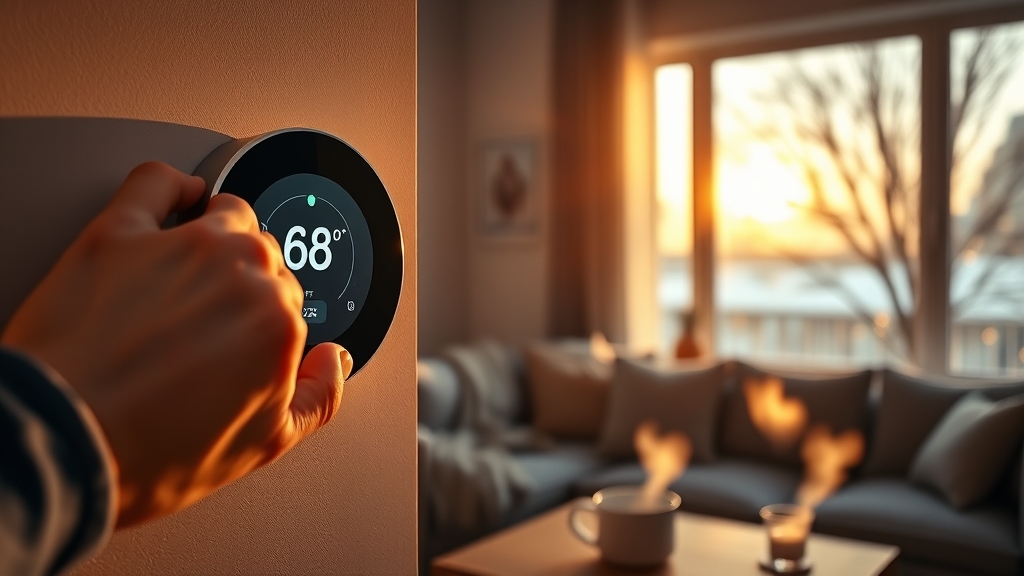
Start by setting the smart thermostat to an ideal winter range—typically 68°F when occupied and a modest setback (no more than 5–7°F) when asleep or away.
Enable scheduling so temperatures adjust automatically without wide swings that stress plumbing.
Maintain consistent heat throughout the home by keeping interior doors slightly open and ensuring vents are unobstructed to prevent cold spots near pipes.
Optimal Thermostat Settings
While outdoor temperatures drop, ideal thermostat settings keep pipes safe and energy costs controlled. Begin by setting occupied-home temperatures between 68–70°F to balance freeze protection and energy efficiency.
Next, limit setbacks to no more than 3–4°F at night to prevent pipe-chilling drafts and excessive furnace cycling. Program a smart thermostat to raise heat before dawn, supporting stable temperature regulation.
When away briefly, set heat no lower than 60°F; for longer trips, choose 62–64°F if the home has vulnerable plumbing or crawlspaces.
Verify that bathrooms, kitchens, and basements receive adequate warm airflow by opening interior doors and ensuring vents are unobstructed.
Use thermostat alerts and geofencing to adjust schedules automatically.
Finally, calibrate the thermostat annually and confirm sensor placement away from vents, windows, and exterior doors.
Maintain Consistent Heat
Consistency protects pipes and curbs energy spikes, so establish steady heat with a smart thermostat and disciplined habits.
First, program a 24-hour schedule that limits swings; maintain a narrow band for temperature regulation between occupied and sleep periods.
Second, enable adaptive learning or geofencing to avoid deep setbacks that jeopardize heat retention in walls and crawlspaces.
Third, set a minimum hold (no lower than 55°F) for basements, utility rooms, and areas with exposed lines.
Fourth, run the HVAC fan on circulate during extreme cold to even temperatures at exterior walls.
Fifth, open interior doors and under-sink cabinets to distribute warmth around vulnerable piping.
Finally, verify sensors: place one near the coldest pipe runs and receive alerts to correct drops before freezing occurs.
Protect Outdoor Spigots and Hose Bibs
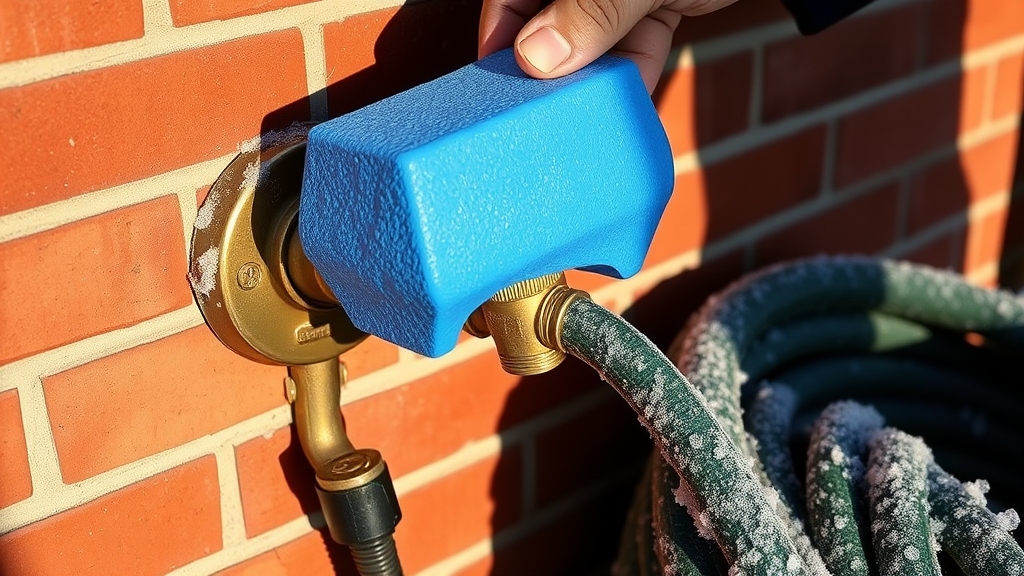
Before temperatures drop, protecting outdoor spigots and hose bibs prevents burst pipes and costly leaks.
Begin by locating every exterior faucet and dedicated shutoff valve inside the home. Turn off each interior valve, then open the outside spigot to drain remaining water. Disconnect and store hoses; leaving one attached traps water that can freeze and expand.
Locate exterior faucets and shutoff valves, close valves, drain spigots, and remove hoses to prevent freeze damage.
Add outdoor insulation where piping is exposed, especially in rim joists or crawlspaces. Install spigot covers over each faucet; select insulated, cold-rated models that fit tightly against siding.
For frost-free sillcocks, still remove hoses and verify a slight exterior slope so water drains outward.
Seal gaps around the pipe penetration with exterior-rated caulk or foam to block drafts.
Finally, confirm the shutoff holds by checking for drips after 10 minutes.
Keep Water Moving During Deep Freezes
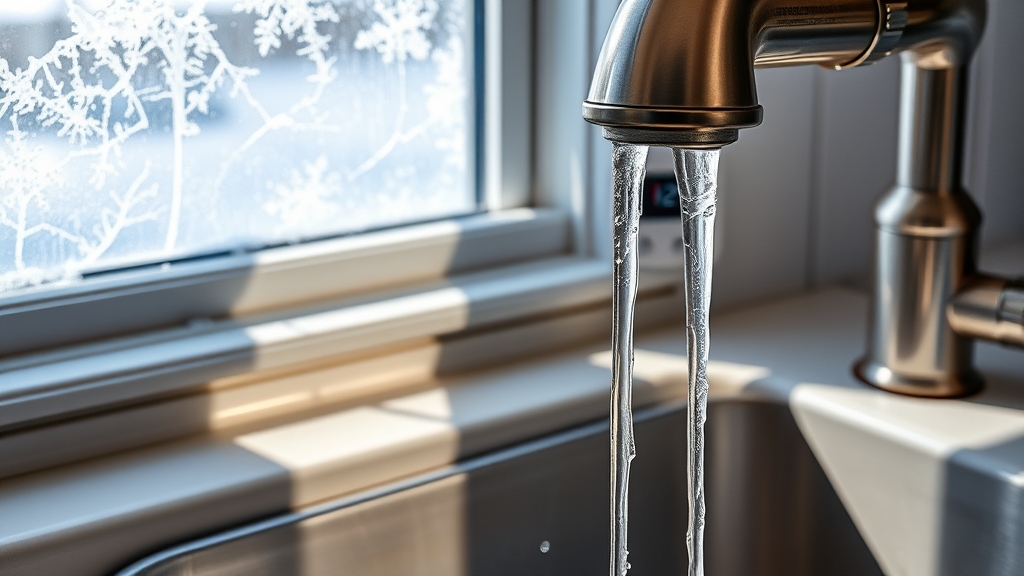
After securing outdoor spigots and hose bibs, attention shifts to keeping interior lines moving when temperatures plunge. Motion prevents ice formation. A steady trickle reduces pressure build-up, while warm air and pipe insulation shield vulnerable runs.
Focus on pipes in exterior walls, crawlspaces, and unheated basements. Monitor cold snaps closely and make small adjustments early.
- Set controlled faucet drips at coldest fixtures—preferably one hot and one cold on each level—to maintain flow and relieve pressure.
- Open vanity and cabinet doors to circulate warm air around sink supplies; keep space heaters away from combustibles.
- Apply pipe insulation to exposed copper, PEX, and PVC; seal gaps where cold air leaks near sill plates.
- Maintain indoor temperatures consistently; avoid overnight setbacks that invite rapid pipe cooling.
Prepare for Travel and Emergency Response
A few deliberate preparations keep plumbing safe when a home sits empty and guarantee fast action if a line bursts. Before leaving, they set heat to 55–60°F, open cabinet doors near sinks, and close crawlspace vents.
They shut off the main water valve, then open a low faucet to relieve pressure. If heat may fail, they drain the system: open all faucets, flush toilets, and pour RV antifreeze into traps.
They assemble a travel checklist: main valve and drain steps, thermostat setting, and sump pump test. They label the breaker for the well pump.
They verify emergency contacts—licensed plumber, utility providers, trusted neighbor—with numbers posted near the main shutoff. They install smart leak sensors and a monitored thermostat, share app access, and request periodic property checks.
Frequently Asked Questions
Does Homeowner’s Insurance Cover Damage From Frozen or Burst Pipes?
Yes, policies often cover sudden burst or frozen pipes and resulting water damage. They should: review policy exclusions, document damage, stop water flow, photograph evidence, mitigate further loss, file insurance claims promptly, keep receipts, and coordinate adjuster inspections.
What Plumbers Are Available 24/7 for Emergency Pipe Repairs in Michigan?
Several Michigan providers offer emergency plumbing with 24 hour service: Roto-Rooter, Mr. Rooter, Rooter-Man, C&L Plumbing, and local unions. He should call, confirm coverage area, response time, upfront pricing, licensure, and warranties before dispatch.
How Can I Tell if My Pipes Are Already Freezing Without Visible Leaks?
They assess slow flow, unusual noises, and cold taps; then compare pipe temperature to room temperature, check frost indicators on exposed sections, feel for rigidness, inspect condensation, test nearby faucets, note toilet refill issues, and monitor sudden pressure drops.
Are There Michigan Building Codes Affecting Pipe Insulation Requirements?
Yes. Michigan regulations adopt the Michigan Residential/Mechanical Codes, referencing IECC insulation standards. He should: confirm climate zone, verify R-value for pipes in unconditioned spaces, insulate exterior exposures, seal penetrations, document compliance, and consult local authority for amendments.
What Types of Pipe Materials Resist Freezing Better in Cold Climates?
PEX resists freezing better than copper or CPVC, thanks to flexibility. For pipe material comparison: choose PEX, then insulate thoroughly. Improve insulation effectiveness: add foam sleeves, seal air leaks, maintain heat, allow trickle flow, and prioritize interior routing.
Final Thoughts
Michigan winters are tough on plumbing systems, but preparation makes all the difference. By insulating exposed pipes, sealing air leaks, and maintaining steady indoor temperatures, you can prevent frozen or burst lines before they cause costly damage. Don’t forget to drain and cover outdoor spigots, disconnect hoses, and let faucets drip during deep freezes to keep water moving safely through your system.
For professional help winterizing your home or repairing frozen or burst pipes, trustDNA Honest Plumbing — Sterling Heights’ reliable local experts. Our licensed technicians specialize inpipe repair,pipe replacement,sump pump installation, and24/7 emergency plumbing services to protect your home year-round.
Stay ahead of winter plumbing problems — call 586-257-1272 or visit ourContact Page to schedule your inspection or service. Whether it’s preventive insulation or emergency pipe repair, DNA Honest Plumbing keeps Michigan homes safe, dry, and efficient — because honesty flows through every pipe.