Skip to content
You need emergency plumbing repair tips because acting quickly can save you from costly damage. A small leak can turn into a major issue if ignored, and knowing the signs of trouble helps you respond effectively. Familiarizing yourself with common emergencies and quick fixes can keep your home safe. Plus, having essential tools on hand can make all the difference. Stick around to discover proactive steps and troubleshooting strategies that can save you time and stress.
Key Takeaways
- Quick action can prevent minor plumbing issues from escalating into costly disasters, saving time and money.
- Identifying signs of plumbing emergencies early helps mitigate water damage and avoid significant repairs.
- Equipped with essential tools and knowledge, you can tackle minor issues before they require professional help.
- Regular maintenance and preparedness reduce stress during emergencies and ensure efficient plumbing systems.
- Understanding when to call a professional ensures safety and compliance, preventing further damage from complex plumbing issues.
The Importance of Quick Action in Plumbing Emergencies
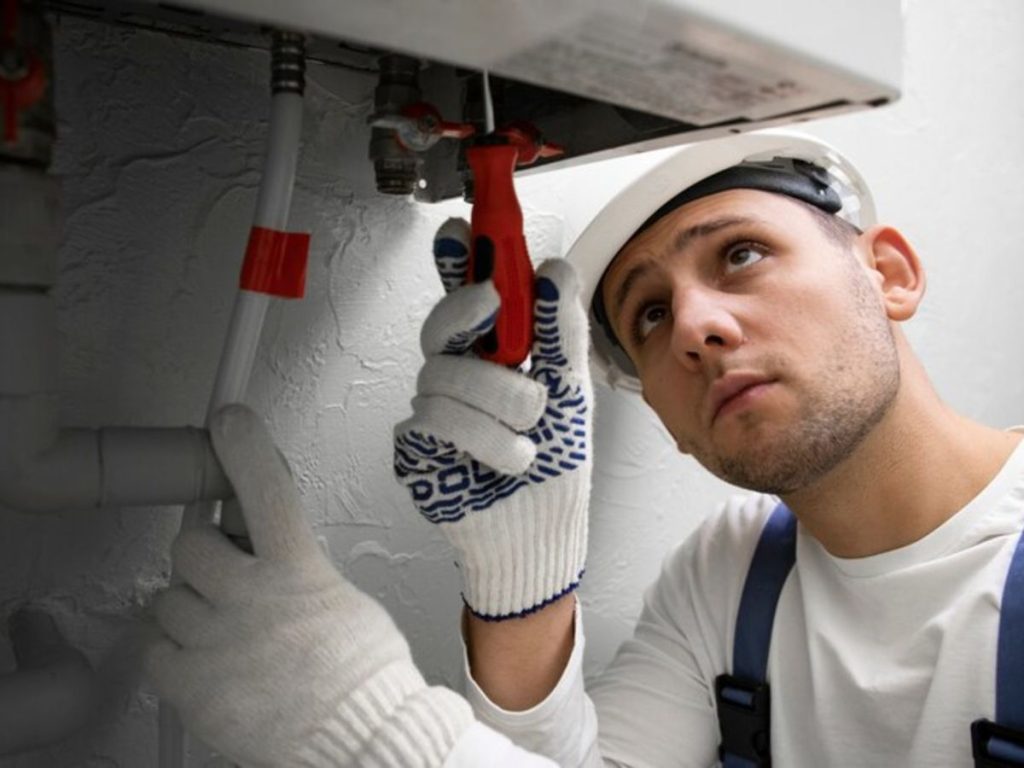
When a plumbing emergency strikes, acting quickly can mean the difference between a minor inconvenience and a major disaster. Having emergency preparedness in mind is essential.
Your plumbing knowledge can help you identify issues before they escalate. For instance, knowing where your main shut-off valve is can save you from extensive water damage. If you notice a leak or a backup, don’t hesitate—address it immediately.
Gather the right tools and supplies to tackle simple repairs, and keep contact information for a reliable plumber handy. Remember, the faster you act, the less likely you’re to face costly repairs and extensive damage.
Being proactive with your plumbing can save you time, money, and stress in the long run.
How to Identify a Plumbing Emergency
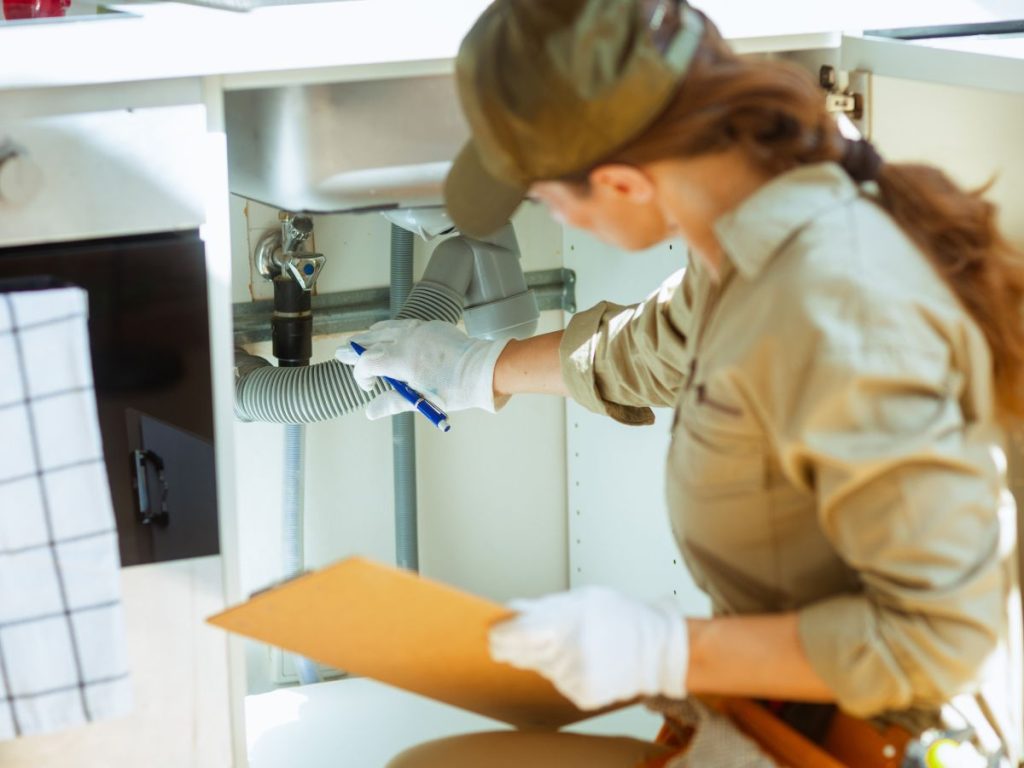
When it comes to plumbing issues, recognizing the signs of a potential emergency is key.
If you notice water damage, hear unusual noises, or experience sudden pressure changes, it’s time to take action.
Ignoring these indicators can lead to bigger problems down the line.
Signs of Water Damage
Noticing the signs of water damage is essential for preventing a plumbing emergency. Keep an eye out for water stains on walls or ceilings, as these can indicate leaks.
If you spot damp walls or peeling paint, it’s a clear signal that moisture is present. Don’t ignore warped flooring; it often suggests underlying water issues.
Additionally, look for mold growth, which thrives in wet conditions and can pose health risks. Musty odors in your home can also point to hidden leaks.
Finally, inspect your foundation for cracks, as these can lead to serious structural problems if not addressed. By recognizing these signs early, you can take action before a small issue becomes a plumbing nightmare.
Unusual Noises and Smells
If you hear unusual noises coming from your pipes or notice strange smells wafting through your home, it’s time to pay attention.
These signs often indicate plumbing emergencies that shouldn’t be ignored. Gurgling sounds might signal unusual clogs, while hissing or dripping noises could suggest strange leaks in your system. These issues can escalate quickly, leading to more serious damage if not addressed promptly.
Additionally, foul odors can point to sewer line problems or stagnant water, both of which require immediate action. Trust your instincts: if something feels off, it’s better to investigate sooner rather than later.
Identifying these noises and smells can save you time, money, and hassle in the long run. Stay alert to protect your home!
Sudden Pressure Changes
Sudden changes in water pressure can signal a plumbing emergency that demands your attention. If you notice pressure fluctuations—like water rushing out too quickly or barely trickling—it’s time to investigate.
These changes can indicate a failing pressure regulator or even a hidden leak. Ignoring these signs can lead to more significant issues, such as burst pipes or water damage.
To identify a plumbing emergency, check if the pressure remains inconsistent after adjusting your faucets. If it doesn’t stabilize, you likely need professional help.
Quick action can save you from costly repairs and extensive damage. Keep your plumbing in check by monitoring pressure regularly; it’s essential for maintaining effective pressure regulation in your home.
Common Plumbing Emergencies and Quick Fixes
When a plumbing emergency strikes, knowing how to respond can save you time and money.
If you’re dealing with clogged drains, try using a plunger or a drain snake to clear the blockage. For tougher clogs, a mixture of baking soda and vinegar can work wonders.
For stubborn clogs, a plunger or drain snake can help, and baking soda with vinegar works wonders too.
If you face burst pipes, immediately turn off the main water supply to prevent flooding. Then, use towels to soak up any water and apply a temporary patch with duct tape until a plumber can arrive.
Remember, acting quickly can minimize damage and repair costs. Understanding these quick fixes can empower you to handle emergencies effectively until professional help is available.
Stay calm, and tackle the problem step by step.
Must-Have Tools for Tackling Plumbing Issues Yourself
When plumbing problems strike, having the right tools on hand can make all the difference.
You’ll need essential hand tools, safety gear, and some useful accessories to tackle issues confidently.
Let’s explore what you should keep in your toolkit to handle emergencies like a pro.
Essential Plumbing Hand Tools
Whether you’re facing a leaky faucet or a clogged drain, having the right plumbing hand tools can make all the difference.
Start with a reliable set of pipe wrenches to grip and turn pipes securely. Different plunger types are essential for tackling various clogs effectively. For tougher blockages, drainage snakes can reach deep into pipes.
Don’t forget faucet keys for easy access to shut-off valves and basin wrenches for tight spaces. Hose clamps help secure connections, while thread tape prevents leaks in threaded joints.
Finally, a good pair of pipe cutters will allow you to make clean cuts on new or damaged pipes. With these tools, you’ll be well-equipped to handle most plumbing emergencies.
Must-Have Safety Gear
While tackling plumbing issues yourself can be rewarding, it’s crucial to prioritize safety. Equip yourself with the right gear to protect against hazards. Here’s a quick guide to must-have safety gear:
| Safety Gear | Purpose | Why You Need It |
| Safety Goggles | Protects your eyes from debris | Keeps your vision clear and safe |
| Slip Resistant Footwear | Prevents slips on wet surfaces | Reduces the risk of falls |
| Gloves | Shields hands from sharp objects | Protects against cuts and chemicals |
| Knee Pads | Comfort during work on floors | Prevents strain and injury |
| Face Mask | Filters dust and fumes | Guarantees clean air while working |
Having these essentials makes your plumbing tasks safer and more manageable.
Useful Plumbing Accessories
To effectively tackle plumbing issues on your own, having the right tools at your disposal is essential.
Start with a sturdy plunger—it’s your first line of defense against clogs. A pipe wrench is another must-have, allowing you to grip and turn pipes easily. Don’t forget adjustable wrenches; they’re versatile for various fittings.
For leaks, a roll of plumber’s tape and a tube of silicone sealant can save the day. As you build your emergency kits, include a set of screwdrivers and a utility knife for quick fixes.
Finally, a waterproof flashlight is invaluable for those dark spaces. With these plumbing accessories, you’ll be well-prepared to handle most issues confidently.
Step-by-Step Guide to Managing Minor Leaks vs. When to Call a Pro
When you notice a minor leak, addressing it promptly can save you time and money, but knowing when to tackle it yourself or call a professional is essential.
Start with effective leak detection to pinpoint the source. If it’s a small drip, you can often use simple repair techniques like tightening fittings or applying plumber’s tape.
Effective leak detection is key; small drips may be easily fixed with simple techniques like tightening fittings or using plumber’s tape.
Consider calling a pro if you encounter:
- Persistent leaks that don’t stop with basic fixes
- Damage to walls or ceilings indicating deeper issues
- Uncertainty about the repair process or safety concerns
Proactive Steps to Prevent Plumbing Emergencies
Preventing plumbing emergencies starts with regular maintenance and awareness of your system. Begin by scheduling routine inspections of your pipes, faucets, and appliances. Look for signs of wear, leaks, or corrosion. Keeping an eye on these areas can help you catch issues before they escalate.
You should also practice preventive maintenance by flushing your water heater annually and ensuring your drains are clear of debris.
Don’t forget to check your sump pump if you have one, especially before heavy rains.
Investing time in these steps not only protects your home but also saves you money in the long run. By being proactive, you can avoid the stress and cost of emergency plumbing situations.
Stay informed and take action!
Helpful Resources for Emergency Plumbing Solutions
Even with proactive maintenance, plumbing emergencies can still happen.
Even with diligent care, unexpected plumbing issues can arise at any moment.
When they do, having the right resources at your fingertips can make all the difference. Here are some essential plumbing resources you should keep handy:
- Emergency contacts: List reliable local plumbers who offer 24/7 services.
- DIY guides: Use online tutorials for quick fixes to minor issues like leaks or clogs.
- Toolkits: Keep a basic plumbing toolkit with essential items like wrenches, plungers, and sealants.
Know When to Call a Professional Plumber?
How can you tell if a plumbing issue is serious enough to warrant a professional’s help? Here are some signs to evaluate:
| Signs to Call a Plumber | Why It Matters |
| Persistent leaks | Can cause water damage |
| Low water pressure | Might indicate pipe issues |
| Sewage backup | Health hazard and needs immediate attention |
| Unpleasant odors | Could signal serious plumbing problems |
If you notice any of these signs, don’t hesitate to call a professional. Make sure the plumber has the right qualifications and keep emergency numbers handy. Remember, tackling complex problems alone can lead to bigger issues, so it’s best to rely on an expert when in doubt.
Frequently Asked Questions
What Are Signs of a Hidden Plumbing Emergency?
Watch for water stains on walls or ceilings and listen for dripping sounds from leaky faucets. If your water bill spikes unexpectedly, it might signal a hidden plumbing emergency you need to address quickly.
How Can I Find My Main Water Shut-Off Valve?
To find your main water shut-off, check your basement or crawl space near the foundation. Look for a round or oval valve. If you’re unsure, consult your home’s plumbing diagram for valve location.
What Should I Do Before a Plumber Arrives?
Before the plumber arrives, gather emergency supplies like towels and buckets, and grab any plumbing tools you might have. This prep helps manage the situation, making it easier for you and the plumber when they arrive.
Are DIY Plumbing Repairs Safe for All Situations?
DIY plumbing repairs aren’t safe for all situations. While minor issues may be manageable, plumbing safety is essential. Know your DIY limitations; complex problems can lead to damage or hazards, so call a professional when unsure.
How Can I Prepare for Future Plumbing Emergencies?
To prepare for future plumbing emergencies, perform regular preventive maintenance and keep emergency supplies handy. Stock items like wrenches, sealants, and towels, ensuring you’re ready to tackle issues quickly when they arise.
Final Thoughts
Knowing emergency plumbing repair tips can help you respond quickly, limit damage, and protect your home or business when unexpected problems happen. At DNA Honest Plumbing, we believe preparation and fast action are key when leaks, backups, or burst pipes threaten your property. While basic troubleshooting can help in the moment, serious plumbing problems need dependable professional attention. Whether you need urgent pipe repair, fast-response 24/7 emergency plumbing services, or a trusted team to assess the problem before it gets worse, we are here to help. Visit our full services or contact us today for prompt, honest plumbing support you can count on.