Skip to content
Pipe replacement is better than repair when you’re facing multiple leaks within 18 months, pipes have reached their lifespan (75-100 years for cast iron, 40-50 years for galvanized steel), or you notice rust-colored water and decreased pressure. Health concerns arise when deteriorating materials release contaminants like lead into your water supply. Consider replacement when repair costs accumulate rapidly or when 30% of your system shows deterioration. The following guide offers critical decision factors for protecting your home’s value and family’s health.
Key Takeaways
- Replace pipes when repair history shows three or more similar failures within 18 months.
- Replacement is necessary when pipes exceed their lifespan (75-100 years for cast iron, 40-50 years for galvanized steel).
- Choose replacement when repair costs accumulate to more than 30% of full replacement expenses.
- Replace immediately if water tests show contamination from lead, rust, or bacterial growth.
- Consider replacement when pressure inconsistencies, discolored water, and visible corrosion appear simultaneously throughout your plumbing system.
The Age Factor: When Old Pipes Are Beyond Saving
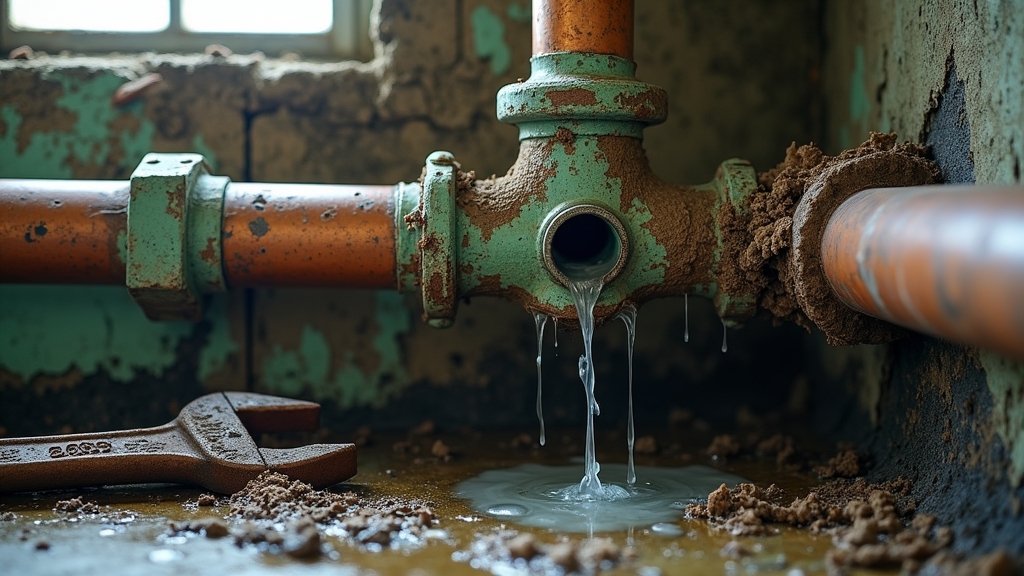
While minor repairs can extend the life of your plumbing system, aging pipes eventually reach a point where replacement becomes the only viable solution.
Cast iron pipes typically deteriorate after 75-100 years, while galvanized steel fails at 40-50 years due to internal corrosion and mineral buildup.
Old plumbing has an expiration date: cast iron lasts a century, galvanized steel barely half that.
You’ll recognize critical failure indicators through recurring leaks, rust-colored water, and decreased water pressure.
Pipe walls thin over decades, making them structurally compromised and susceptible to catastrophic failures.
When repairs occur with increasing frequency, you’re fighting a losing battle against material fatigue.
Modern PEX, copper, and CPVC alternatives offer 50+ years of service life with superior flow characteristics and corrosion resistance.
Calculate the cumulative cost of repeated repairs against a one-time replacement to determine your inflection point.
Recurring Leaks: Why Multiple Repairs Signal Replacement Time
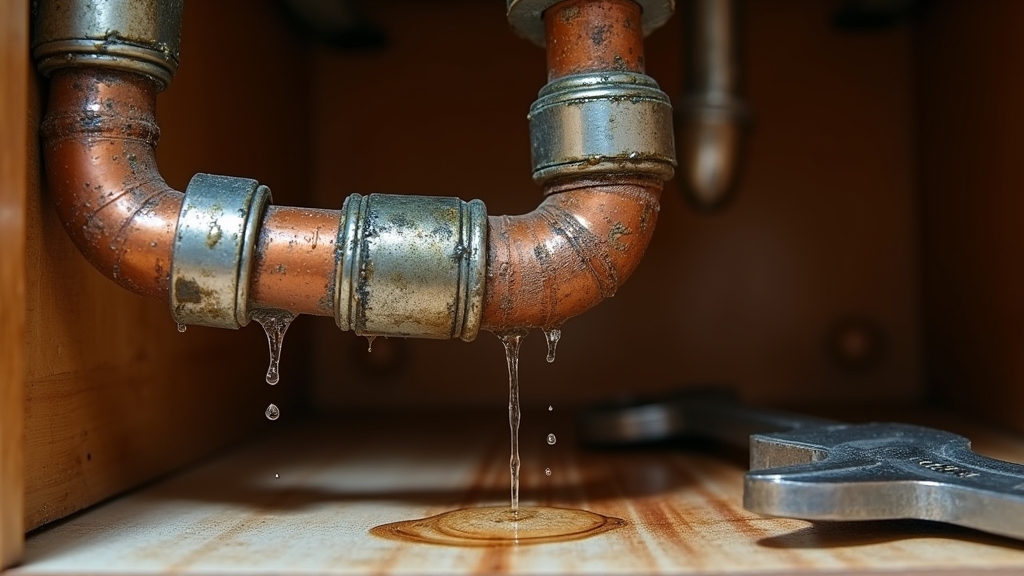
When your plumbing system experiences the same leak repeatedly, despite multiple repair attempts, you’re witnessing a critical warning sign that pipe replacement has become necessary. Recurring leaks indicate systemic material degradation beyond localized damage.
The pattern typically emerges when pipes have reached their fatigue threshold—the point where metal crystallization, corrosion, or composite breakdown has compromised structural integrity throughout the system. Each repair creates a reinforced section adjacent to weakened areas, merely shifting failure points rather than resolving underlying deterioration.
Financially, the calculus becomes straightforward: when repair frequency accelerates, replacement becomes more economical. Track your repair history—three or more similar failures within 18 months typically crosses the replacement threshold, particularly in copper, galvanized steel, or early-generation PEX installations.
Water Quality Concerns: Lead, Rust, and Contaminants
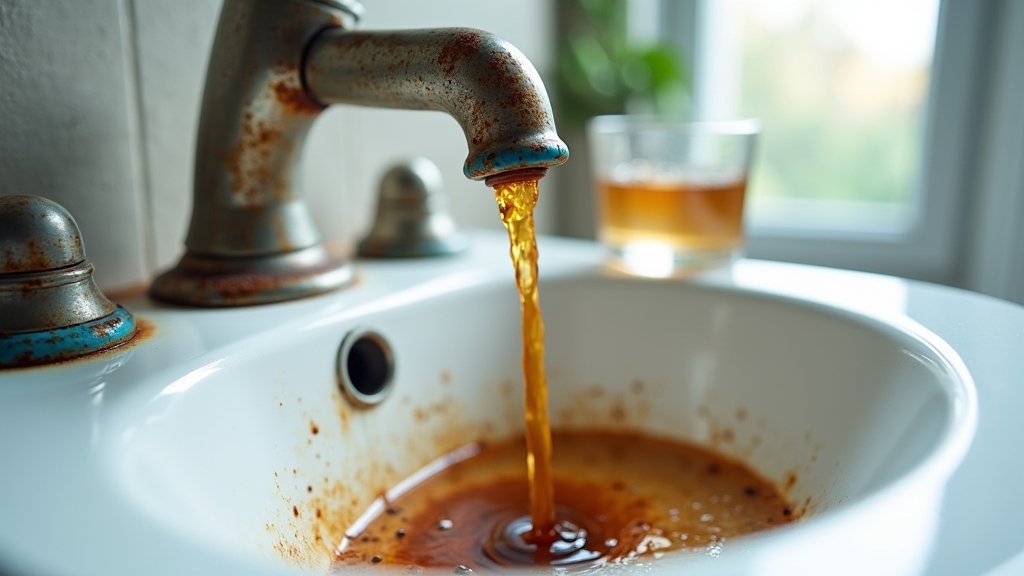
Deteriorating pipes frequently release harmful substances into your household water supply, creating health risks that transcend mere plumbing inconvenience.
Lead pipes, common in homes built before 1986, pose significant neurological hazards, particularly to children and pregnant women. Even at low exposure levels, lead contamination can cause irreversible cognitive impairment.
Galvanized steel pipes corrode internally, releasing rust particles that discolor water and potentially harbor trapped lead fragments.
Copper piping with lead solder joints presents similar risks. You’ll recognize potential contamination through discolored water, metallic taste, or sediment accumulation in faucet aerators.
While filtration systems offer temporary mitigation, they can’t address structural deterioration.
Complete replacement with PEX, copper, or CPVC piping provides the only definitive solution to eliminate these contaminants and guarantee your family’s long-term health safety.
Widespread Corrosion: Identifying Systemic Pipe Deterioration
Beyond individual water quality symptoms lies a more extensive problem: systemic pipe deterioration throughout your home’s plumbing network.
When corrosion becomes widespread, your plumbing infrastructure faces imminent failure risk that transcends spot repairs.
You’ll need to systematically evaluate your system for thorough deterioration indicators:
- Multiple leak points across different pipe sections, particularly occurring within similar timeframes
- Uniform discoloration patterns in water samples collected from various outlets throughout your home
- Pressure inconsistencies that persist despite individual valve or section repairs
- Pipe wall thinning visible during inspection camera surveys, characterized by consistent deterioration patterns
When 30% or more of your system shows these deterioration patterns, replacement typically proves more cost-effective than continuing the cycle of incremental repairs, which merely delays inevitable system-wide failure.
Cost Analysis: When Replacement Becomes More Economical Long-Term
Although repair costs for individual pipe sections may seem economical in isolation, homeowners must evaluate the cumulative financial impact of multiple repairs against complete system replacement.
The tipping point typically occurs when repair frequency exceeds once every 18-24 months, indicating systemic failure progression.
Calculate your long-term expenditure by multiplying average repair costs ($250-$800 per incident) by projected frequency, then compare this to replacement costs ($4,000-$15,000 for whole-house replumbing).
Factor in depreciated property value from outdated plumbing (3-5%) and increased insurance premiums from repeated claims.
Consider opportunity cost—replacement using modern PEX or copper piping can reduce water bills by 10-15% through improved flow efficiency and eliminated micro-leaks that consistently waste resources.
You’ll also avoid unpredictable emergency repair surcharges during high-demand periods.
Material Matters: How Pipe Type Affects Repair vs. Replace Decisions
The specific pipe material in your home’s plumbing system fundamentally determines both lifespan expectations and appropriate intervention strategies. Understanding these material properties enables you to make informed decisions when faced with leaks or deterioration.
- Copper pipes typically last 50+ years but develop pinhole leaks due to water chemistry; localized repairs work well until multiple failure points emerge, signaling replacement need.
- PVC/CPVC pipes remain viable for 25-40 years; they’re repair-friendly until joints fail repeatedly or embrittlement occurs from UV/chemical exposure.
- Galvanized steel pipes warrant full replacement at first sign of trouble; their 20-50 year lifespan ends with internal corrosion that progressively restricts water flow.
- PEX tubing offers 40+ year durability with minimal connection points; when leaks occur, section replacement is typically more cost-effective than individual repairs.
Signs of Hidden Water Damage That Necessitate Complete Replacement
While visible leaks immediately signal plumbing problems, concealed water damage often progresses undetected until significant structural compromise occurs.
You’ll need to identify subtle indicators: persistent musty odors emanating from walls, floors, or ceilings; unexplained increases in water bills without usage changes; and irregular water pressure fluctuations throughout your home.
Inspect for discoloration on drywall—yellow or brown stains typically indicate sustained moisture infiltration.
Monitor for efflorescence (white mineral deposits) on basement walls, a telltale sign of water migrating through concrete.
Watch for warping or buckling of floorboards, especially near bathrooms and kitchens.
Most critically, examine for black mold formation, which indicates long-term moisture exposure and requires immediate pipe system replacement rather than localized repair.
Health and Safety Considerations for Your Family
When your home’s plumbing system deteriorates, it creates significant health risks beyond mere inconvenience or property damage.
Compromised pipes can introduce contaminants into your water supply, potentially causing immediate or long-term health consequences.
Consider these critical health factors when evaluating pipe replacement:
- Lead contamination – Older homes with lead pipes pose serious neurotoxicity risks, especially to developing children.
- Bacterial growth – Damaged pipes create environments where Legionella and other pathogens thrive and enter drinking water.
- Chemical leaching – Deteriorating PVC or copper pipes may release harmful compounds into your water supply.
- Mold exposure – Hidden leaks behind walls create ideal conditions for toxic black mold proliferation.
While repairs might temporarily address symptoms, complete replacement eliminates these health hazards, providing your family with genuinely safe water.
Modern Plumbing Upgrades That Make Replacement Worthwhile
Modern pipe replacement options offer technological advancements far beyond basic repairs, including smart water monitoring systems that track your home’s water usage in real-time.
You’ll benefit from eco-friendly pipe materials like PEX and HDPE that eliminate lead concerns while providing superior durability and temperature resistance compared to traditional copper or galvanized steel.
Integrated leak detection technology can now alert you to microscopic water escapes before they develop into catastrophic failures, potentially saving thousands in future repair costs and water damage remediation.
Smart Water Monitoring
As homeowners increasingly prioritize resource efficiency and preventative maintenance, smart water monitoring systems have emerged as a compelling reason to upgrade your plumbing infrastructure during replacement projects.
These technologies integrate seamlessly with new piping systems but often can’t be fully utilized with patched or aging infrastructure.
When replacing pipes, you’ll gain access to:
- Real-time consumption tracking – Monitors water usage patterns with precision down to the fixture level
- Leak detection algorithms – Identifies microscopic leaks before they cause structural damage
- Automatic shutoff capabilities – Prevents catastrophic floods by closing main valves when abnormal flow is detected
- Predictive maintenance analytics – Alerts you to potential issues based on pressure fluctuations and usage anomalies
These systems require modern pipe configurations and materials that support integrated sensors, making full replacement the logical choice for technology-focused homeowners.
Eco-Friendly Pipe Materials
Beyond smart technology integration, your choice of pipe materials considerably impacts both environmental footprint and system longevity.
Modern eco-friendly options include cross-linked polyethylene (PEX), which requires 67% less energy to produce than copper and offers superior flexibility and freeze resistance.
Polypropylene (PP-R) pipes, free of harmful chemicals, deliver exceptional thermal stability and a 50+ year lifespan without leaching contaminants.
High-density polyethylene (HDPE) presents another sustainable alternative, offering complete recyclability and resistance to corrosion.
These materials eliminate lead concerns while reducing heat loss by up to 38% compared to metal pipes.
Additionally, their smooth interior surfaces decrease pumping energy requirements and minimize bacterial growth potential.
When considering replacement, these eco-materials’ lower manufacturing carbon footprint, reduced energy consumption, and elimination of toxins provide compelling environmental advantages beyond mere functionality improvements.
Leak Detection Technology
Investing in extensive pipe replacement becomes considerably more valuable when you consider the revolutionary leak detection technologies now available as integrated components.
Modern systems incorporate sophisticated monitoring capabilities that transform your plumbing from reactive to proactive infrastructure.
These advanced technologies include:
- Acoustic leak detection sensors that identify minute water escapes through ultrasonic frequency analysis
- Smart flow monitors that track water usage patterns and alert you to anomalies suggesting leaks
- Pressure-monitoring systems that detect subtle drops indicating compromised pipe integrity
- IoT-enabled sensors with mobile connectivity for real-time alerts and remote shutoff capabilities
When integrated during pipe replacement, these technologies provide continuous diagnostic monitoring, potentially saving thousands in water damage costs and conservation.
The initial investment delivers long-term protection through predictive maintenance rather than emergency repairs.
Key Takeaways: When to Repair Pipes vs. Replace ThemPreparing Your Home: What to Expect During a Full Pipe Replacement Project
When your plumbing system requires a complete overhaul, preparing your home properly becomes essential for minimizing disruption and ensuring efficient project execution.
Begin by clearing access paths to all plumbing areas, including under sinks, behind toilets, and within crawl spaces. Remove valuable or fragile items from work zones and adjacent areas to prevent damage from vibrations.
You’ll need to establish a water usage plan during construction—typically, water service interruptions last 6-8 hours daily. Consider arranging temporary accommodations if the project exceeds three days.
Protect flooring with heavy canvas drop cloths rather than plastic sheeting, which creates slip hazards. Finally, secure pets in areas away from construction zones and identify electrical circuit breakers that may need deactivation during work on water lines near electrical systems.
Frequently Asked Questions: When Pipe Replacement Is Better Than Repair
1. How do I know when to replace pipes instead of repairing them?
If you’re dealing with multiple leaks within an 18-month period, noticeable rust-colored water, or inconsistent water pressure throughout your home, it’s time to consider replacement. DNA Honest Plumbing recommends full replacement when repair costs add up to more than 30% of a new system or when your plumbing materials have reached their expected lifespan.
2. What are the typical lifespans of common pipe materials?
Different materials age at different rates:
- Cast iron: 75–100 years
- Galvanized steel: 40–50 years
- Copper: 50+ years
- PEX or CPVC: 40–60 years
If your pipes are nearing or past these timeframes, even minor issues signal that replacement is the smarter long-term choice.
3. Why do recurring leaks mean my pipes are failing?
When the same sections of plumbing develop leaks repeatedly, it’s a sign of material fatigue. Each repair strengthens one weak point but shifts pressure to the next, leading to ongoing failures. DNA Honest Plumbing advises replacement after three or more similar leaks in 18 months, especially for copper, galvanized, or early-generation PEX systems.
4. What health risks come from aging pipes?
Old or corroded pipes can release contaminants like lead, rust, or bacteria into your water supply. Homes with galvanized steel, lead pipes, or older copper lines with lead solder are at risk. If you notice metallic-tasting or discolored water, schedule a professional water quality inspection immediately. DNA Honest Plumbing provides safe, code-compliant repiping with modern, lead-free materials like PEX or CPVC.
5. How can I tell if corrosion is widespread?
Widespread corrosion usually shows up as:
- Discolored water from multiple faucets
- Frequent leaks in different locations
- Persistent low pressure even after repairs
- Flaky buildup or “scaling” on exposed pipes
When these signs appear across 30% or more of your system, replacing your pipes becomes more cost-effective than continued patchwork repairs.
6. Is replacement always more expensive than repair?
Not necessarily. While replacement requires a larger upfront investment, ongoing repairs add up quickly—often exceeding full replacement costs within a few years. Replacement also improves efficiency, increases home value, and reduces insurance risks from potential water damage. DNA Honest Plumbing helps homeowners evaluate both short- and long-term costs transparently before deciding.
7. What materials does DNA Honest Plumbing recommend for replacement?
We recommend PEX or copper piping for most modern homes. PEX is flexible, resistant to corrosion, and more affordable to install, while copper offers durability and high heat tolerance. Our licensed plumbers assess your water chemistry, pressure, and budget to determine the best fit for your property.
8. Can pipe replacement improve my home’s water quality?
Absolutely. Replacing old, corroded, or contaminated pipes eliminates rust, sediment, and lead from your water system. With new piping, you’ll notice clearer water, better pressure, and reduced risk of contamination. DNA Honest Plumbing ensures all replacement materials meet current health and safety standards.
9. What modern upgrades can I include during pipe replacement?
Modern plumbing systems now integrate smart leak detection and water monitoring technology. These systems can track real-time usage, alert you to micro-leaks, and automatically shut off your water to prevent major damage. DNA Honest Plumbing can install these systems during repiping to protect your home proactively.
10. What should I expect during a full pipe replacement?
Most repiping projects take two to five days, depending on home size and accessibility. Water service may be temporarily interrupted during the process. Our team takes care to protect flooring, fixtures, and furnishings while keeping your home clean and safe. DNA Honest Plumbing prioritizes communication, keeping you informed at every stage of the project.
11. How can DNA Honest Plumbing help me decide between repair and replacement?
We provide honest, data-driven evaluations of your plumbing system using pressure testing, camera inspections, and corrosion analysis. Our experts outline your best options clearly—whether that’s targeted repair or a full repipe—so you can make an informed, confident decision. With us, you’ll always get fair pricing, licensed craftsmanship, and lasting peace of mind.
Final Thoughts
Deciding between pipe repair and full replacement comes down to long-term value, safety, and performance. If your home’s plumbing system shows frequent leaks, rust-colored water, or signs of widespread corrosion, it’s time to considerprofessional pipe replacement. Replacing aging galvanized or cast iron pipes not only prevents recurring failures but also improves water pressure, eliminates contamination risks, and enhances your home’s overall value.
AtDNA Honest Plumbing, we use advanced diagnostics likecamera line inspections and pressure testing to determine whether repair or replacement is the most cost-effective solution. Our licensed plumbers specialize inpipe repair,repiping services, and24/7 emergency plumbing support to restore efficiency and safety to your system.
Don’t wait for the next leak to cause costly water damage. Call 586-257-1272 or visit ourContact Page for an expert evaluation and honest recommendation. Whether it’s a targeted repair or complete pipe replacement, DNA Honest Plumbing delivers reliable, transparent solutions that keep Sterling Heights homes flowing smoothly — because honesty flows through every pipe.