Understanding Pipe Lifespan: Factors That Affect Durability
The lifespan of plumbing pipes can vary significantly based on several factors, including the material used, environmental conditions, and maintenance practices. For instance, while cast iron pipes can last between 75 to 100 years, galvanized steel pipes typically have a shorter lifespan of 40 to 50 years. Homeowners should be aware of these differences to make informed decisions regarding their plumbing systems.
Additionally, factors such as soil composition, water quality, and temperature fluctuations can impact the longevity of pipes. Regular inspections and maintenance can help identify potential issues early, allowing for timely repairs or replacements that can extend the life of the plumbing system.
Signs Your Pipes Need Immediate Replacement
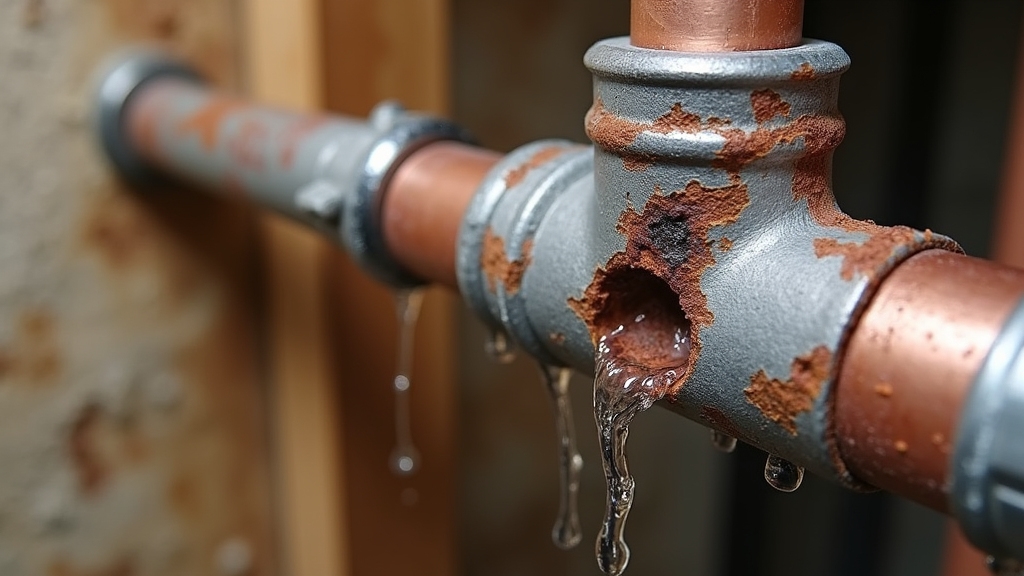
Homeowners should be vigilant for specific signs that indicate their pipes may need immediate replacement. Common indicators include frequent leaks, discolored water, and reduced water pressure. If you notice rust-colored water, it may suggest corrosion within the pipes, which could lead to severe plumbing issues if not addressed promptly.
Another critical sign is the age of your plumbing system. If your pipes are nearing the end of their expected lifespan, it's wise to consult a professional plumber for an evaluation. Ignoring these signs can lead to costly repairs and health hazards due to potential contamination from deteriorating materials.
The Importance of Professional Plumbing Inspections
Regular professional plumbing inspections are essential for maintaining the health of your plumbing system. These inspections can help detect issues that homeowners might overlook, such as hidden leaks or early signs of pipe corrosion. By identifying problems early, you can avoid more extensive damage and costly repairs in the future.
Moreover, professional plumbers have the expertise and tools necessary to assess the condition of your pipes accurately. They can provide recommendations on whether repairs or replacements are needed, ensuring your plumbing remains in optimal condition and reducing the risk of emergency plumbing situations.
Cost Considerations: Repair vs. Replacement
When deciding between repairing or replacing pipes, cost is a significant factor to consider. While repairs may seem like the more economical choice in the short term, frequent repairs can add up, leading to higher costs over time. In contrast, investing in replacement may offer long-term savings by eliminating the need for ongoing repairs.
Additionally, replacement can enhance your home's overall plumbing efficiency, potentially lowering your water bills and preventing future plumbing emergencies. It's crucial to weigh these financial implications carefully and consult with a plumbing professional to determine the best course of action for your specific situation.
 Skip to content