Skip to content
If you notice slow drainage, gurgling sounds, or unpleasant odors from your fixtures, it’s time to think about drain cleaning. Standing water in sinks or showers is a clear warning sign. Frequent clogs and multiple drain issues indicate deeper plumbing problems that could escalate. Low water pressure fluctuations might signal leaks or buildup in your pipes. Don’t wait for these issues to worsen—there are easy ways to maintain your drains and keep them flowing smoothly.
Key Takeaways
- Slow drainage and unpleasant odors are signs of potential drain blockages that require immediate attention.
- Frequent gurgling sounds from sinks or toilets indicate trapped air due to clogs.
- Standing water in sinks or showers suggests serious obstructions needing prompt cleaning.
- Water backing up in multiple fixtures signals significant plumbing issues that may require professional help.
- Regular fluctuations in water pressure can indicate underlying plumbing problems necessitating drain cleaning.
Recognizing Signs of Drain Issues: What to Look For
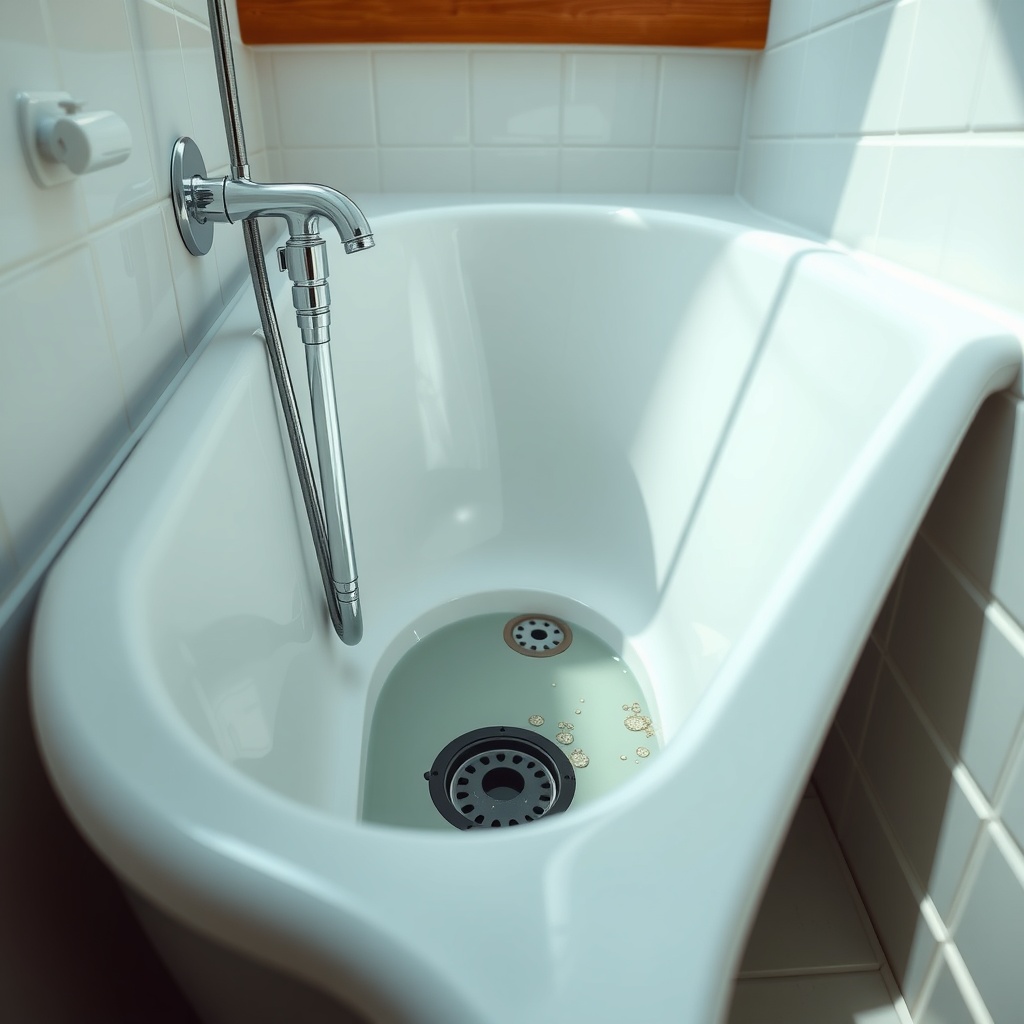
When you notice slow drainage or unpleasant odors, it’s essential to pay attention, as these signs often indicate underlying drain issues. Clogged pipes can lead to bigger problems if not addressed promptly.
Pay attention to slow drainage and unpleasant odors; they often signal underlying drain issues that need prompt attention.
You might find water pooling in sinks or tubs, which signals that something’s obstructing the flow. Listen for gurgling sounds; they often mean air is trapped in your drainage system, hinting at a blockage.
If you smell foul odors near drains, it could suggest waste buildup or stagnant water. Don’t ignore these warning signs; they’re your cue to seek effective drainage solutions.
Regularly inspecting your drains and being aware of any changes can save you from costly repairs down the line. By recognizing these indicators early, you can take action to guarantee your plumbing remains in good condition, keeping your home safe and sanitary.
Drain Cleaning: Signs of Slow Drainage
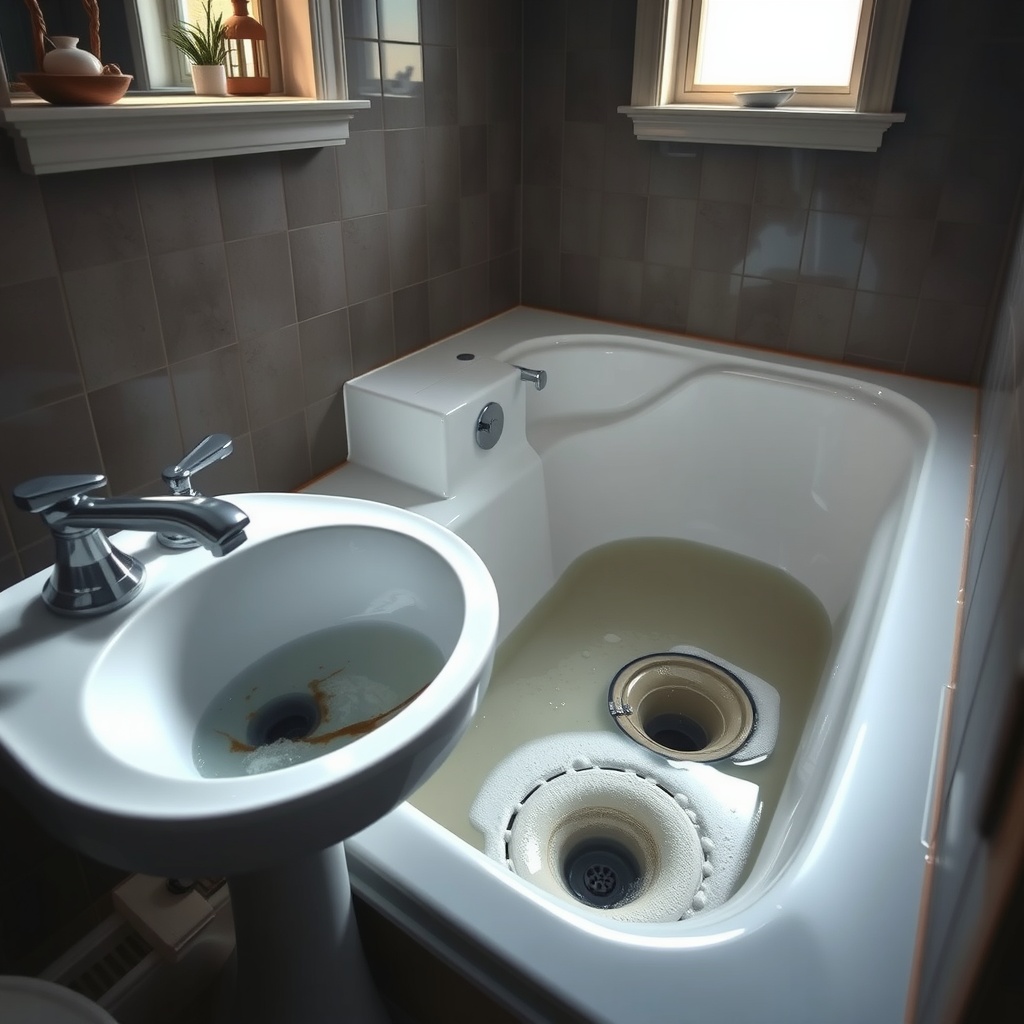
Slow drainage can be more than just a minor inconvenience; it’s often a clear sign that your plumbing needs attention. If you notice water pooling in your sink, tub, or shower, it’s time to take action.
This slow drain might indicate a buildup of hair, soap, or other debris, which can lead to more severe clogs if left untreated. Ignoring these signs can result in costly repairs down the line, so consider implementing effective drainage solutions.
Regular maintenance, like using a drain snake or enzyme cleaner, can help keep your pipes clear. Additionally, practicing clog prevention techniques—like using drain covers and avoiding pouring grease down the sink—can save you from future headaches.
Standing Water: A Warning Sign You Can’t Ignore
If you notice standing water in your sink or shower, it’s a clear warning sign that your drainage system needs immediate attention. Ignoring this issue could lead to bigger problems, like water damage or mold growth.
Here are some common water pooling causes you should consider:
- Clogged drains from hair, grease, or debris
- Broken or misaligned pipes affecting flow
- Tree roots invading your drainage system
- Improper installation of fixtures or pipes
- Age-related wear and tear on plumbing
Addressing these issues with effective standing water solutions is essential. You might need to call a professional for a thorough inspection and cleaning.
Don’t let standing water linger; it’s not just an inconvenience—it’s a sign that your home’s plumbing needs care. Taking action now can save you time, money, and stress down the line.
Water Backups in Fixtures: What They Indicate
When you notice water backing up in your fixtures, it’s more than just an inconvenience; it often signals underlying issues in your plumbing system.
Understanding the common causes can help you identify whether it’s a minor problem or something more serious.
Common Causes Explained
Water backups in fixtures often signal underlying plumbing issues that need attention. Ignoring these signs can lead to bigger problems down the line.
Here are some common causes you should know about:
- Clogged Drains: Accumulated debris, hair, or grease can restrict flow.
- Tree Roots: Roots may invade pipes, causing blockages and damage.
- Pipe Damage: Cracks or corrosion can lead to leaks and backups.
- Poor Drain Design: Improperly installed plumbing can hinder proper drainage.
- Sewer Line Issues: Serious problems in your main line can affect multiple fixtures.
Prioritizing drain health through regular plumbing maintenance can help prevent these issues, ensuring your home’s plumbing operates smoothly.
Don’t wait for backups—address the root causes early!
Signs of Serious Issues
Experiencing water backups in your fixtures often signals serious plumbing issues that require immediate attention.
When you notice water pooling in sinks, tubs, or toilets, it’s a clear sign that your drain health is compromised. This could indicate a significant clog further down the line, which can lead to more severe problems if left unaddressed.
Ignoring these backups might result in overflowing fixtures or even sewage exposure, posing health risks.
Regular monitoring and timely action are essential for clog prevention. If you’re facing recurring backups, don’t hesitate to call a professional.
Taking swift action can save you from costly repairs and guarantee your plumbing system operates smoothly.
Preventive Maintenance Tips
Ignoring water backups can lead to more serious plumbing problems, but there are simple ways to keep your drains in good shape.
Implementing preventive measures and scheduling regular inspections can save you from costly repairs down the line. Here are some tips to maintain your drains effectively:
- Use drain screens to catch debris
- Avoid pouring grease or oil down the sink
- Run hot water through your drains weekly
- Regularly check for leaks and corrosion
- Schedule professional cleanings annually
Frequent Clogs: When to Call a Pro
If you’re dealing with persistent drain blockages or slow water drainage, it’s time to take action.
Unpleasant odors can also signal deeper issues that need professional attention.
Don’t wait until it worsens; calling a pro can save you time and hassle.
Persistent Drain Blockages
Frequent clogs can be a major headache, signaling that it might be time to call in a professional.
If you’re dealing with persistent drain blockages, it’s essential to take action before those clogged pipes cause bigger issues.
Here are some signs to watch for:
- You’re using chemical drain cleaners regularly
- Water backs up in multiple drains
- Gurgling sounds come from your sinks or toilets
- Foul odors linger near your drains
- Your drains are slow even after cleaning
Ignoring these signs can lead to costly repairs and extensive drain maintenance.
Don’t wait for a minor issue to become a major one; reaching out to a pro guarantees your plumbing stays in top shape.
Slow Water Drainage
When slow water drainage becomes a regular occurrence, it’s time to take notice. This issue often signals underlying problems that require immediate attention.
If you find yourself frequently dealing with clogs, don’t ignore the signs. Slow drainage can lead to more significant plumbing issues if left unchecked.
Regular plumbing maintenance can help identify the root cause, whether it’s buildup in pipes or damaged fixtures. Exploring effective drainage solutions is essential to prevent future headaches.
Calling a professional can save you time and money in the long run, ensuring your plumbing system runs smoothly.
Unpleasant Odors Emanating
Unpleasant odors in your home can be a telltale sign that your plumbing needs urgent attention, especially if they accompany slow drainage issues.
These drain odors often indicate a buildup of debris or blockages that require immediate cause analysis. Ignoring these smells could lead to more severe plumbing problems down the line.
Here are some signs to watch out for:
- Foul smells near sinks or drains
- Persistent odors in bathrooms
- Unexplained damp spots around plumbing fixtures
- Frequent clogs in multiple drains
- Gurgling noises from your plumbing
If you notice these issues, it’s wise to call a professional. They can perform a thorough inspection and verify your drains are clear and functioning properly.
Don’t wait until it worsens!
What Are Your Pipes Telling You? Understanding Gurgling Sounds?
If you’ve been hearing gurgling sounds from your pipes, it’s time to pay attention. These gurgling noises often indicate underlying issues that need your immediate attention. They can arise from pipe vibrations caused by air trapped in your plumbing system or a blockage somewhere down the line. Ignoring these sounds might lead to bigger problems.
| Gurgling Cause | Symptoms | Action Needed |
| Air Trapped in Pipes | Bubbles in drains | Inspect vents |
| Partial Blockage | Slow draining | Consider drain cleaning |
| Pipe Damage | Frequent gurgling noises | Consult a professional |
| Sewer Line Issues | Gurgling in multiple drains | Call for immediate help |
Listening carefully to your pipes can save you time and money. Don’t let gurgling sounds become a permanent fixture in your home. Address them before they escalate!
Multiple Drain Issues: A Red Flag for Homeowners
Multiple drain issues can signal serious problems lurking in your plumbing system. If you notice multiple drains backing up or draining slowly, it’s essential to investigate. Ignoring these signs can lead to bigger headaches down the line.
Here’s what you should look out for:
- Slow drainage across various fixtures
- Frequent gurgling noises
- Foul odors emanating from drains
- Water pooling around drains
- Changes in drainage patterns in your home
These symptoms often indicate a blockage or a more extensive plumbing issue.
Scheduling regular plumbing inspections can help identify underlying problems before they escalate. Don’t wait for the situation to worsen; addressing multiple drain issues promptly can save you time, money, and stress.
Trust your instincts—if something seems off, it probably is!
Are Changes in Water Pressure a Cause for Concern?
Have you noticed fluctuations in your water pressure? These changes can be more than just an annoyance; they might signal underlying issues in your plumbing system.
Consistent water pressure is essential for your home’s functionality. When you experience water pressure fluctuations, it can indicate clogs or blockages in your drains, which, if left unaddressed, can worsen over time.
Low water pressure often points to leaks or buildup within your pipes, while sudden spikes may suggest problems with your main water line. Both scenarios can lead to significant plumbing system impact, affecting everything from your shower to your washing machine.
Ignoring these fluctuations can result in costly repairs down the line. If you’re experiencing inconsistent water pressure, it’s wise to investigate further.
A professional drain cleaning could resolve the issue before it escalates into a more significant problem. Stay proactive to keep your plumbing in top shape!
DIY Drain Maintenance Tips for Prevention
To keep your drains flowing smoothly, regular maintenance is key. You can easily prevent clogs and guarantee proper drainage with a few simple DIY drain cleaning tips.
Here are some effective strategies for your home maintenance routine:
- Use a Drain Strainer: Catch hair and debris before they enter your pipes.
- Flush with Hot Water: Regularly pour boiling water down your drains to dissolve grease buildup.
- Baking Soda and Vinegar: Combine these for a natural cleaning solution that tackles odors and minor clogs.
- Avoid Chemical Cleaners: They can damage pipes over time; opt for safer alternatives.
- Schedule Regular Inspections: Check your plumbing for early signs of trouble.
When to Seek Professional Drain Cleaning Services
If you notice slow-draining fixtures or unpleasant odors lingering in your home, it might be time to call in the pros.
These signs often indicate deeper issues that DIY methods can’t fix.
Don’t wait for the problem to worsen—seeking professional help can save you time and hassle.
Slow Draining Fixtures
Slow-draining fixtures can be a frustrating nuisance, signaling potential plumbing issues. When you notice slow drainage, it’s crucial to address it promptly to avoid clogged pipes and costly repairs.
Here are some signs that you might need professional drain cleaning services:
- Water pooling around fixtures
- Gurgling sounds when water drains
- Frequent backups in sinks or tubs
- Slow drainage in multiple fixtures
- Foul smells emanating from drains
Ignoring these symptoms can lead to more severe problems. Regular fixture maintenance can help prevent these issues, but when they arise, seeking professional help guarantees your plumbing system functions smoothly again.
Don’t let slow drains disrupt your daily routine—act now!
Unpleasant Odors Persisting
When unpleasant odors persist in your home, it’s often a clear sign that something’s not right with your plumbing.
These smells typically stem from trapped debris, grease buildup, or even stagnant water, all of which can threaten your drain health.
If you notice a foul scent coming from your sinks, showers, or drains, it’s time to act.
Ignoring these odors can lead to bigger plumbing issues down the line, including clogs and even backups.
You shouldn’t have to live with these unpleasant smells.
Seeking professional drain cleaning services can help identify and eliminate the odor sources, restoring freshness to your home.
Don’t wait—addressing these issues early can save you time, money, and stress in the long run.
Frequently Asked Questions
How Often Should I Schedule Professional Drain Cleaning?
You should schedule professional drain cleaning at least once a year for ideal drain maintenance. If you notice frequent clogs or slow drainage, consider increasing the cleaning frequency to prevent bigger issues down the line.
Can I Use Chemical Cleaners Instead of Professional Services?
You can use chemical drain alternatives, but their effectiveness comparison to professional services often falls short. Chemicals might provide temporary relief, but they won’t address underlying issues, risking future clogs and potential damage.
What Can I Do to Prevent Future Drain Issues?
To prevent future drain issues, practice regular drain maintenance, schedule pipe inspections, and avoid flushing non-biodegradable items. Keeping drains clean and monitored can save you from costly clogs and repairs down the line.
Are There Specific Drains That Require More Maintenance?
Yes, kitchen drains and bathroom drains often need more maintenance due to food particles and hair buildup. Outdoor drains can clog with leaves, while sewer drains require attention to prevent larger blockages from forming.
How Much Does Professional Drain Cleaning Typically Cost?
Professional drain cleaning costs typically range from $100 to $500, depending on service pricing and the severity of the issue. You’ll want to get quotes from local services to find the best deal.
Final Thoughts
Drain problems rarely start as an emergency—but they can become one fast when slow drainage, gurgling, odors, or recurring clogs are ignored. If you’re noticing standing water, repeated backups, or multiple fixtures acting up at the same time, it usually means there’s buildup or a blockage deeper in the line that needs more than a quick DIY fix. Taking care of it early helps protect your pipes, prevents water damage, and keeps small issues from turning into costly repairs.
At DNA Honest Plumbing, we help homeowners and businesses get their drains flowing correctly again with proven solutions that match the problem. For routine or urgent clogs, we offer professional drain cleaning, and when buildup is stubborn or recurring, hydro jetting can clear the line thoroughly. If you’re dealing with repeated issues or want to find the real cause, our camera lines and sewer inspections can pinpoint blockages, damage, or root intrusion, and we can follow up with targeted solutions like cabling sewer lines when needed.
If you’re seeing the warning signs now, schedule service before it escalates: Contact DNA Honest Plumbing.