Skip to content
To tackle common plumbing issues, you’ll want some essential tools like an adjustable wrench, plunger, and pipe cutter. For leaks, grab some plumbing tape and a towel to catch drips. If drains get clogged, try the baking soda and vinegar method for a natural solution, or use a plumber’s snake for tougher blockages. Always turn off the water supply before starting repairs. There’s so much more you can learn to handle your plumbing with confidence.
Key Takeaways
- Keep essential tools like an adjustable wrench, plunger, and pipe cutter handy for effective DIY plumbing repairs.
- Address leaky faucets promptly using plumbing tape and proper tools to prevent water damage and high bills.
- Use baking soda and vinegar monthly to naturally clean drains and minimize clogs.
- Turn off the water supply before starting any repairs to avoid accidents and flooding.
- Recognize when to call a professional, especially for recurring clogs or water damage to prevent costly issues.
Essential Tools for DIY Plumbing Repairs
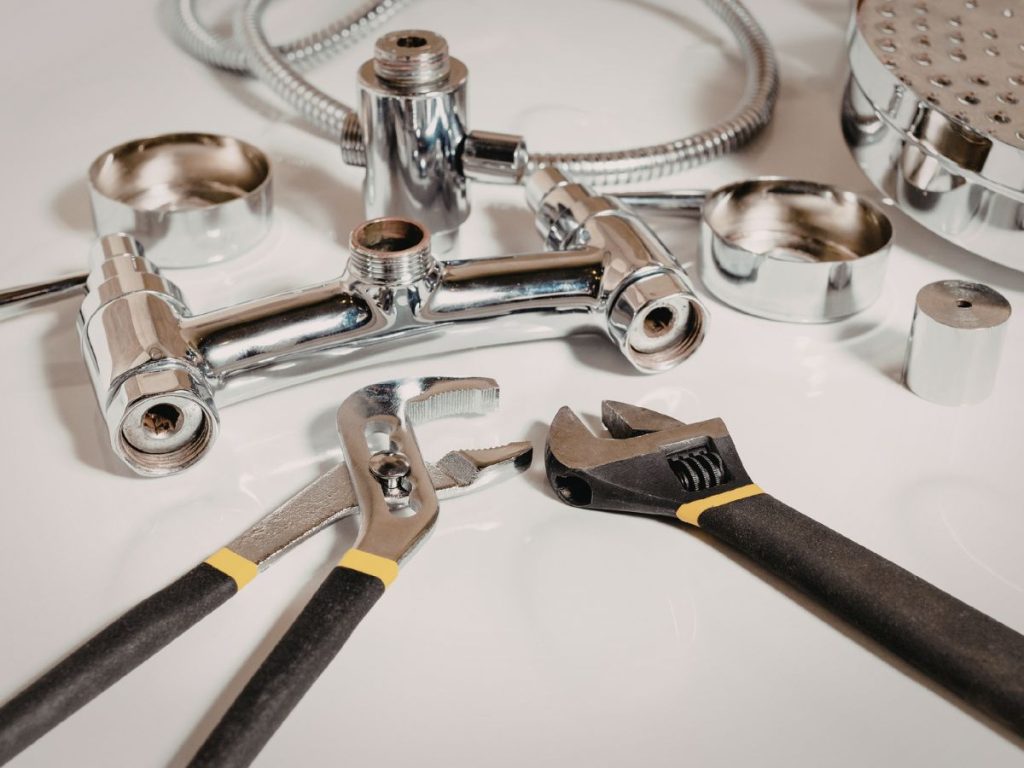
When tackling DIY plumbing repairs, having the right tools can make all the difference. You should start with a good-quality adjustable wrench; it’s essential for tightening and loosening fittings.
A pipe cutter is important for making clean cuts on pipes, ensuring a proper fit. Don’t forget a plunger for clearing clogs and a drain snake for tougher blockages.
Safety gloves and goggles are crucial for plumbing safety, protecting you from sharp edges and debris. A reliable tape measure lets you plan your repairs accurately.
Finally, a basic tool kit with screwdrivers and pliers rounds out your essential maintenance arsenal. With these tools, you’ll be well-prepared to tackle various plumbing issues with confidence.
How to Fix a Leaky Faucet Like a Pro
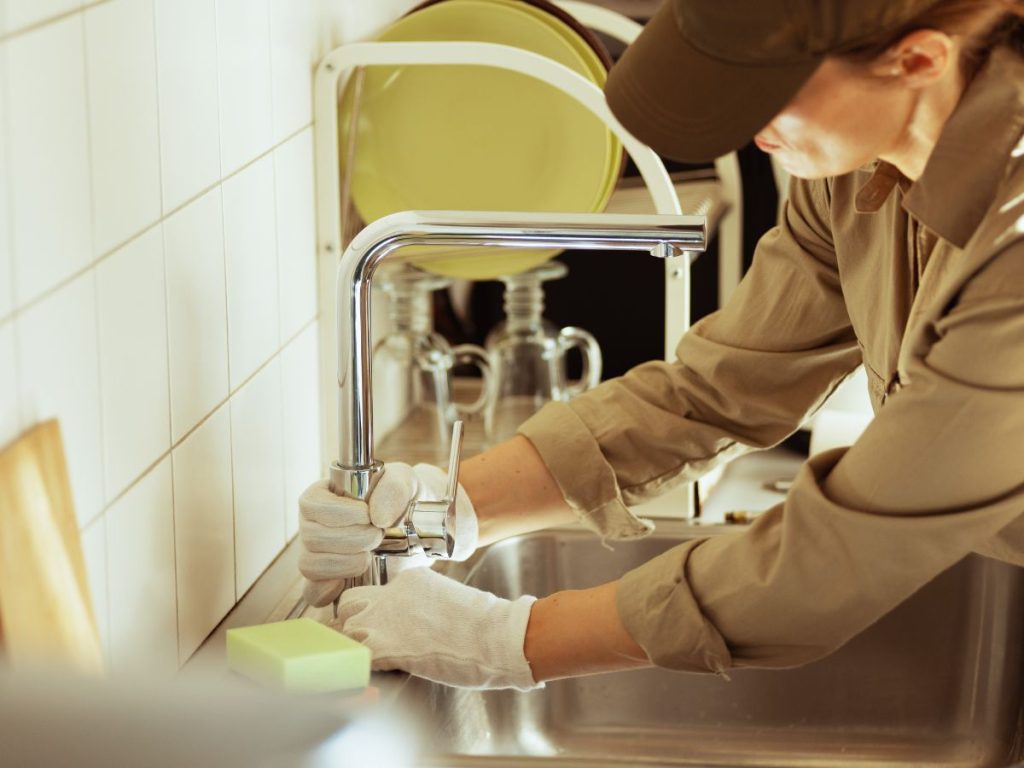
Fixing a leaky faucet is easier than you might think, and you won’t need to be a plumbing expert to get it done.
First, gather the tools you’ll need, then follow our step-by-step guide to tackle the repair like a pro.
Let’s get started and stop that drip for good!
Tools You’ll Need
To tackle a leaky faucet like a pro, you’ll need a few essential tools at your disposal.
Start with a set of pipe wrenches; these will help you grip and turn the faucet components securely. You’ll also want a flathead and Phillips screwdriver for removing screws and handles.
Don’t forget a pair of pliers for those stubborn parts that just won’t budge. Plumbing tape is another must-have; it seals threaded connections to prevent leaks.
Finally, have a towel handy to catch any drips as you work.
With these tools, you’ll be well-equipped to address that pesky faucet leak and restore peace to your sink!
Step-by-Step Repair Guide
Before diving into the repair process, make certain you’ve turned off the water supply to the faucet. This step is essential for plumbing safety.
Next, remove the handle by loosening the screw underneath or at the back. Once it’s off, take out the cartridge or washer, depending on your faucet type. Inspect these parts for wear and replace them if necessary.
Before reassembling, apply some pipe insulation around exposed pipes to prevent future leaks.
Reattach the handle, turn the water supply back on, and test for leaks. If everything’s tight and dry, you’ve successfully fixed your leaky faucet like a pro!
Quick Plumbing Repair Tips for Clogged Drains
Clogged drains can really throw a wrench in your day, but you can tackle them with some simple tips.
You’ll find that knowing common causes helps you prevent future issues, and there are effective DIY solutions that can save you time and money.
However, if the problem persists, it might be time to call in the pros.
Common Causes Of Clogs
While you mightn’t think twice about what goes down your drains, various everyday items can lead to frustrating clogs. Hair buildup is a common culprit, combining with soap to create stubborn blockages.
Grease accumulation from cooking often solidifies in pipes, causing slow drainage. Foreign objects like toys or utensils can easily get lodged, leading to significant issues.
Tree roots can invade underground pipes, causing severe pipe blockages. Additionally, mineral deposits from hard water can build up over time, narrowing pipes and restricting flow.
Even food scraps can contribute to clogs if you’re not careful. By understanding these common causes, you can take proactive steps to prevent frustrating plumbing problems.
Effective DIY Solutions
When you encounter a stubborn drain issue, don’t panic—there are effective DIY solutions you can try.
First, check for visible blockages by using a plunger. If that doesn’t work, mix equal parts baking soda and vinegar, then pour it down the drain. Let it fizz for about 30 minutes before flushing with hot water. This can break down clogs naturally.
For tougher clogs, a plumber’s snake can help you reach deeper obstructions. Also, make certain your pipes have proper insulation to prevent freezing and maintain ideal water pressure.
Regular maintenance, like pouring boiling water down your drains weekly, can keep them flowing smoothly. With these tips, you’ll tackle most clogs successfully!
When To Call Professionals
Sometimes, despite your best DIY efforts, a drain issue can persist. It’s important to know when to call in the pros. Here are some signs of urgency that indicate you should reach out to a professional plumber:
| Sign of Urgency | Reason | Action |
| Recurring clogs | Indicates complex repairs needed | Call a plumber |
| Foul odors | Could signal a plumbing emergency | Immediate attention required |
| Water damage | Poses safety risks | Contact professionals |
Homeowner responsibilities include understanding your DIY limitations and ensuring safety precautions are taken. If you lack plumbing knowledge or face emergency situations, don’t hesitate—calling a professional can save you time and prevent further damage.
Fixing a Running Toilet: A Simple Guide
A running toilet can waste over 200 gallons of water a day, leading to higher bills and unnecessary strain on your plumbing.
To fix it, start by removing the toilet tank lid. Check the flush mechanism for any worn-out parts, like the flapper or chain. If the flapper isn’t sealing properly, replace it.
Next, adjust the float height; it should be about an inch below the overflow tube. If water continuously runs, inspect the fill valve for issues.
Once you’ve made adjustments or replacements, flush the toilet to verify everything’s working correctly. Keep an eye on the water level in the tank; it should stop filling once it reaches the appropriate height.
With these simple steps, you can save water and money.
How Your Home’s Plumbing System Works
Understanding your home’s plumbing system is essential for maintaining its efficiency and preventing costly repairs. At its core, plumbing basics involve a network of pipes, fixtures, and appliances that work together to deliver water and remove waste.
Your system components include supply lines, which bring fresh water in, and drain lines, which carry wastewater out. Water enters your home via a main supply line, flowing through various fixtures like sinks and showers.
After use, it travels through the drainage system, often connecting to a sewer or septic tank. Regularly checking these components can help you spot issues early, ensuring your plumbing runs smoothly and efficiently.
Familiarizing yourself with this system lays the groundwork for effective maintenance and repair.
How to Prevent Clogged Drains
Keeping your plumbing system in top shape means actively preventing clogs in your drains. Regular drain maintenance is essential, so start by using drain covers to catch hair and debris.
Don’t pour grease down your kitchen sink; instead, collect it in a container and dispose of it properly. You should also run hot water through your drains weekly to help break down any buildup.
Consider using a mixture of baking soda and vinegar monthly for a natural cleaning solution that can help keep your pipes clear.
Finally, be mindful of what you flush down the toilet—only human waste and toilet paper should go down.
Budget-Friendly Plumbing Repair Hacks
While plumbing issues can be costly, you don’t have to break the bank to tackle them. Start by keeping a well-stocked toolbox with essential items like pliers, wrenches, and a plunger. This simple step can save you time and money when emergencies arise.
For leaks, use plumber’s tape to seal small gaps—it’s an easy fix that won’t strain your wallet. Always prioritize plumbing safety; turn off the water supply before starting any repairs to avoid accidents.
Additionally, consider DIY solutions for minor clogs, like baking soda and vinegar, which are effective and inexpensive. By following these cost-saving tips, you can handle basic plumbing repairs confidently without overspending.
Top 5 Common Plumbing Mistakes Homeowners Make
You mightn’t realize it, but some common plumbing mistakes can lead to bigger problems down the road.
Ignoring leaky pipes, overusing chemical drain cleaners, and choosing the wrong pipe materials are all issues many homeowners face.
Let’s explore these pitfalls so you can avoid them and keep your plumbing in top shape.
Ignoring Leaky Pipes
Many homeowners underestimate the impact of ignoring leaky pipes, thinking it’s just a minor annoyance. However, these small drips can lead to significant issues over time.
Here’s what you might face if you overlook that leak:
- Pipe corrosion: Prolonged moisture weakens pipes, leading to costly replacements.
- Water damage: Unnoticed leaks can cause mold growth and damage to walls and floors.
- Increased water bills: Even small leaks can add up, impacting your monthly expenses.
- Structural issues: Water pooling can weaken the foundation of your home.
Addressing leaky pipes promptly not only saves you money but also protects your home from extensive damage.
Don’t let a minor drip turn into a major disaster!
Overusing Chemical Drain Cleaners
Although it might seem like a quick fix, overusing chemical drain cleaners can lead to more problems than solutions. These harsh chemicals often damage your pipes, causing leaks or even complete failures.
Plus, they can harm the environment and your health. Instead of relying on these cleaners, consider using chemical alternatives like baking soda and vinegar, which are safer and effective for regular drain maintenance.
Regularly cleaning your drains prevents buildup without resorting to harsh chemicals. If you consistently face clogs, it might be time to consult a professional plumber for a more permanent solution.
Wrong Pipe Materials
Choosing the wrong pipe materials ranks among the top five common plumbing mistakes homeowners make. Using incompatible materials can lead to leaks and costly repairs.
To avoid these pitfalls, consider the following:
- Pipe Compatibility: Ascertain that different materials can connect without issues, as mismatched pipes can cause failures.
- Material Durability: Choose pipes that withstand your local climate and water conditions; this prevents premature deterioration.
- Cost vs. Quality: Don’t skimp on quality for lower costs; cheaper materials often lead to higher expenses down the line.
- Code Compliance: Verify that your chosen pipes meet local building codes; non-compliance can lead to fines and safety hazards.
Preventative Maintenance Tips for Long-Lasting Pipes
To guarantee your pipes last as long as possible, regular preventative maintenance is essential.
Start with routine inspections to catch issues early, like leaks or corrosion. Check your water pressure; if it’s too high, it can damage your pipes, leading to costly pipe replacement.
Invest in pipe insulation to protect against temperature changes and freezing. Seasonal maintenance, like cleaning your drains, helps prevent clogs and buildup.
Don’t forget about corrosion prevention by using appropriate materials and protective coatings. Regular leak detection can save you from extensive water damage.
When to Call a Professional Plumber?
Even with regular preventative maintenance, there are times when calling a professional plumber is the best course of action.
If you notice any of the following signs, don’t hesitate to reach out for emergency plumbing services:
- Persistent leaks that worsen despite your attempts to repair them
- Low water pressure that disrupts your daily routines
- Strange noises from pipes, indicating potential blockages or issues
- Sewage odors in your home, signaling serious plumbing problems
Addressing these signs early can save you from costly repairs down the line.
Addressing plumbing issues promptly can prevent expensive repairs in the future.
Trust your instincts; if something feels off, a professional plumber can provide the expertise you need to restore your plumbing system’s health effectively.
Frequently Asked Questions
What Are the Signs of a Plumbing Emergency?
If you notice a leaky faucet, sudden water pressure drops, or a toilet malfunction that causes overflowing, you’re likely facing a plumbing emergency. Don’t hesitate; address these issues before they escalate into bigger problems.
Can I Use Chemical Drain Cleaners Safely?
You can use chemical drain cleaners safely, but be cautious. Always follow instructions and consider chemical alternatives for regular drain maintenance to minimize risks. Regular upkeep can reduce the need for harsh chemicals in the first place.
How Do I Locate My Main Water Shut-Off Valve?
To locate your main water shut-off valve, check near your home’s foundation, often in basements or crawl spaces. Look for a round or lever-style valve. Identifying the shut-off location is essential for emergencies.
What Should I Do in Case of a Burst Pipe?
If you’ve got a burst pipe, you should shut off your main water supply immediately. Grab emergency plumbing tools like a pipe wrench and towels to minimize damage while you wait for a professional to arrive.
Are There Plumbing Repairs I Should Never Attempt Myself?
You should never attempt complex plumbing repairs like replacing sewer lines or fixing gas leaks. Stick to basic plumbing repairs, and for anything more serious, call professional plumbing services to guarantee safety and proper installation.
Final Thoughts
Knowing a few must-know plumbing repair tips can help you handle minor issues quickly, prevent costly damage, and keep your plumbing system working the way it should. At DNA Honest Plumbing, we believe every homeowner should understand the basics of preventing leaks, clearing simple clogs, and recognizing when it is time to bring in a professional. When a repair goes beyond a quick fix, our team is ready to help with dependable pipe repair, thorough drain cleaning, and trusted support through our full range of plumbing services. If you need honest, professional help for your home or business, contact DNA Honest Plumbing today and let us provide the reliable service you can count on.