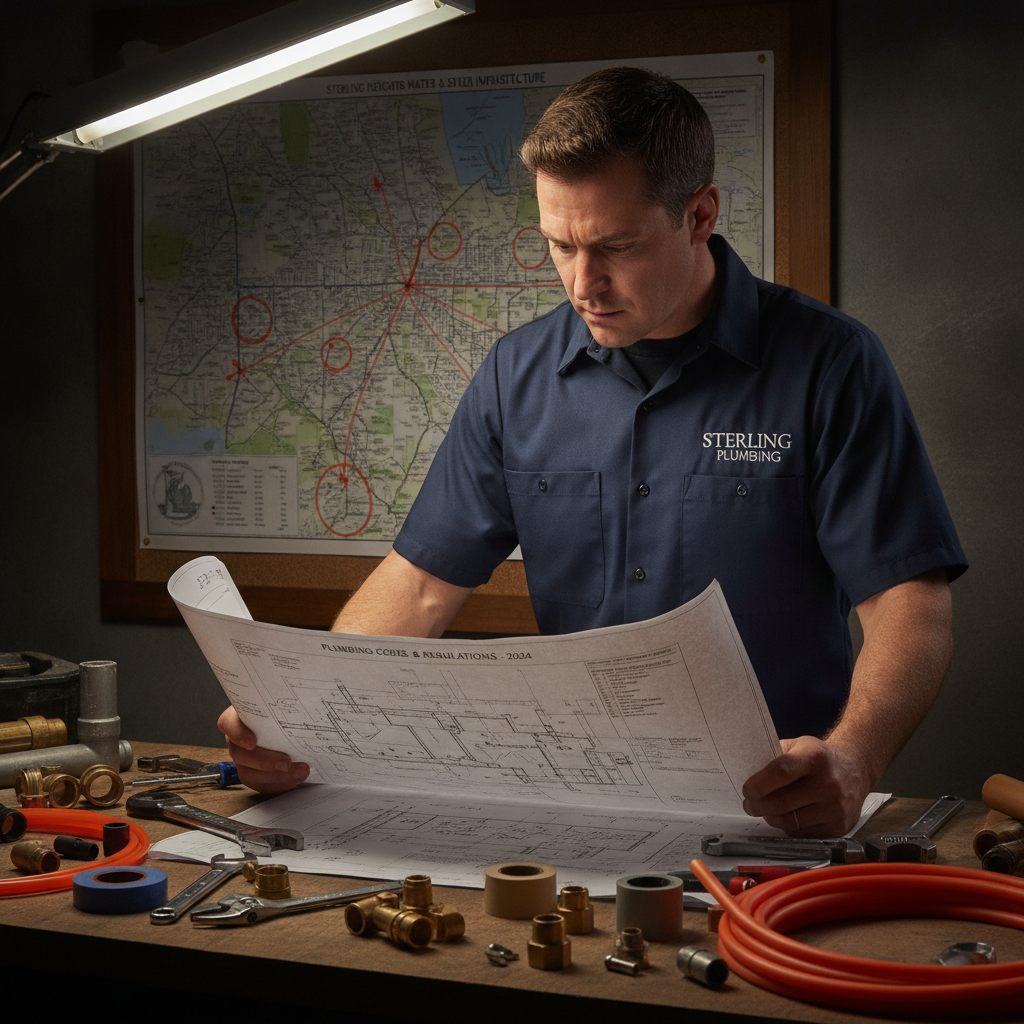
Emergencies involving plumbing can strike at any time, causing stress for business owners, developers, and residents alike. Knowing what to do when a pipe bursts or a sewer backs up is only half the battle, the other half is understanding the emergency plumbing codes that govern how repairs and installations must be handled. In this community, these codes are designed to ensure safety, protect property, and maintain public health. Whether you’re a small business owner managing a retail space or a developer overseeing new construction, being familiar with emergency plumbing codes is essential. This article will guide you through the essentials of Emergency Plumbing Codes Sterling Heights, offering practical insights, compliance tips, and the peace of mind that comes with being prepared for the unexpected.
Emergency Plumbing Codes in the City
When a plumbing emergency happens, the first thing most people think about is stopping the damage. However, it’s just as important to ensure that any repairs or installations follow the proper emergency plumbing codes. These codes are not just bureaucratic red tape, they are established to protect everyone in the area from hazards like contaminated water, gas leaks, and structural damage caused by faulty plumbing work.
For business owners, following emergency plumbing codes is especially crucial. A code violation can result in fines, business interruptions, or even forced closures. Developers need to be aware of these standards during both construction and renovation projects to avoid costly rework and delays. General readers, including homeowners and tenants, benefit from understanding these codes because they help you ask the right questions when hiring a plumber or managing a crisis.
One of the most important resources for learning about local requirements is the official set of Sterling Heights emergency plumbing regulations. These regulations outline the minimum standards for materials, installation methods, and emergency procedures. They specify how quickly repairs must be made, what types of permits are required, and the qualifications needed for anyone performing the work.
By staying informed and proactive, you can ensure that emergency plumbing work is completed safely and legally, protecting your property and everyone who uses it.
Emergency Plumbing Codes in Sterling Heights, MI
In Sterling Heights, MI, emergency plumbing codes are enforced by local authorities and are based on a combination of state and national standards. These codes address a range of emergency scenarios, from burst pipes to sewer backups and gas leaks. The intent is to provide a consistent framework that ensures repairs and installations are performed safely and efficiently.
For small business owners, understanding these codes is vital. For example, if a restaurant experiences a sudden water main break, the repair must be completed in accordance with the city’s emergency plumbing codes to prevent contamination and restore service quickly. Developers, on the other hand, need to ensure that all new construction projects incorporate these standards from the ground up, reducing the risk of future emergencies.
One of the most effective ways to stay compliant is to work with licensed professionals who are well-versed in local requirements. DNA Honest Plumbing is a trusted resource for business owners and residents alike, offering expert guidance and reliable service in emergency situations. Their team understands the nuances of local codes and can help you navigate the permitting process, inspections, and documentation.
Ultimately, being proactive about code compliance not only protects your investment but also ensures the safety and well-being of everyone in the building. Familiarize yourself with the specific requirements for your property type and always verify that your plumber is licensed and insured to perform emergency work in this region.
Emergency Plumbing Codes in Sterling Heights Michigan
Emergency Plumbing Codes Sterling Heights are designed to address the unique challenges faced by this city’s infrastructure and climate. Freezing temperatures in winter can cause pipes to burst, while heavy rains may lead to sewer backups. The local codes reflect these realities, specifying the types of materials and installation techniques best suited for the area.
For example, emergency plumbing codes require that all repairs involving potable water lines use approved, lead-free materials to prevent contamination. Gas line repairs must be completed by certified professionals and inspected before service is restored. Additionally, certain emergencies, such as a major sewer backup, may require immediate notification of local authorities and the temporary closure of affected businesses.
Staying up to date with Emergency Plumbing Codes Sterling Heights is essential for anyone responsible for property management or construction. These codes are updated periodically to reflect new technologies, materials, and safety practices. By working with experienced professionals and keeping detailed records of all emergency repairs, you can demonstrate compliance and avoid potential legal or financial issues down the road.
Whether you’re responding to a crisis or planning ahead, make sure you understand the specific code requirements that apply to your situation. This knowledge will help you make informed decisions and ensure that all emergency plumbing work is done right the first time.
Key Elements of Emergency Plumbing Codes
Understanding the key elements of emergency plumbing codes can help you respond effectively when a crisis occurs. These codes are comprehensive, covering everything from the types of materials that can be used to the qualifications required for those performing repairs. Here are some of the most important components:
- Permitting and Inspection: Most emergency repairs require a permit and a follow-up inspection to ensure compliance.
- Material Standards: Only approved materials may be used, especially for drinking water lines and gas pipes.
- Response Times: Codes specify how quickly repairs must be completed to minimize risk to health and property.
- Documentation: Detailed records of repairs and inspections must be kept for future reference.
- Professional Qualifications: Only licensed and certified professionals may perform certain types of emergency work.
By familiarizing yourself with these elements, you can ensure that your emergency response is both effective and compliant with all relevant regulations. This approach not only protects your property but also demonstrates your commitment to safety and legal responsibility.
Common Plumbing Emergencies and Code Requirements
Plumbing emergencies come in many forms, each with its own set of code requirements. Some of the most common emergencies include burst pipes, sewer backups, gas leaks, and water heater failures. Each scenario requires a specific response to ensure compliance with emergency plumbing codes.
- Burst Pipes: Repairs must use approved pipe materials and fittings, and the work must be inspected before water service is restored.
- Sewer Backups: Immediate action is required to prevent contamination, and all repairs must meet local sanitation codes.
- Gas Leaks: Only licensed professionals may perform repairs, and the system must be tested and inspected before use.
- Water Heater Failures: Replacement units must meet energy efficiency and safety standards, and installation must be performed by qualified personnel.
Being prepared for these emergencies means knowing not only how to respond, but also how to ensure that all repairs and replacements are fully compliant with the latest codes. This knowledge can help you avoid fines, legal issues, and further damage to your property.
Table: Emergency Plumbing Code Checklist
| Emergency Type | Required Action | Code Requirement |
|---|---|---|
| Burst Pipe | Shut off water, call licensed plumber | Use approved materials, inspection required |
| Sewer Backup | Stop use, notify authorities | Sanitation codes, immediate repair |
| Gas Leak | Evacuate, contact gas company | Certified professional required |
| Water Heater Failure | Turn off power/gas, call plumber | Efficiency standards, licensed installer |
This checklist can serve as a quick reference for property owners, managers, and contractors. By following these steps and ensuring compliance with emergency plumbing codes, you can minimize damage and expedite recovery during a crisis.
Permits, Inspections, and Documentation
One of the most overlooked aspects of emergency plumbing codes is the need for proper permits, inspections, and documentation. Even in urgent situations, most repairs require a permit from the local building department. Inspections are typically required after the work is completed to ensure that all repairs meet code standards.
Keeping thorough documentation is also essential. This includes copies of permits, inspection reports, and invoices from licensed professionals. These records not only demonstrate compliance but can also be invaluable when dealing with insurance claims or future property sales.
Developers and business owners should establish a system for managing these documents, making it easy to retrieve them when needed. Staying organized can help you avoid delays and additional costs if questions arise about the quality or legality of emergency repairs.
Working with Licensed Professionals
Choosing the right professionals to handle emergency plumbing repairs is critical for code compliance and safety. Emergency Plumbing Codes Sterling Heights require that only licensed and insured plumbers perform certain types of repairs, especially those involving gas lines, potable water, or sewer systems.
When selecting a plumber, always verify their credentials and ask for proof of insurance. Experienced professionals will be familiar with the latest code requirements and can ensure that all work is performed to the highest standards. They will also handle the permitting and inspection process, saving you time and reducing stress during an emergency.
For business owners and developers, building relationships with trusted local plumbers can make a big difference when emergencies occur. Having a go-to expert means you can respond quickly and confidently, knowing that all repairs will be completed safely and in full compliance with the law.
How Emergency Plumbing Codes Protect Public Health
The primary goal of emergency plumbing codes is to protect public health and safety. By establishing clear standards for repairs and installations, these codes help prevent the spread of waterborne diseases, gas leaks, and other hazards.
For example, codes require that all potable water lines be protected from contamination during repairs, and that sewer systems are restored to proper function as quickly as possible. Gas line repairs must be performed by certified professionals to prevent leaks and explosions.
These requirements are not just about compliance, they are about safeguarding the well-being of everyone in the community. By following emergency plumbing codes, property owners and professionals play a vital role in maintaining a safe and healthy environment for all.
Staying Up to Date with Code Changes
Emergency plumbing codes are updated regularly to reflect advances in technology, changes in building practices, and new safety concerns. Staying informed about these changes is essential for property owners, business managers, and contractors.
Subscribe to updates from the local building department, attend training sessions, and consult with licensed professionals to ensure you are always working with the most current information. Regularly reviewing your property’s plumbing systems and making proactive upgrades can also help you stay ahead of potential emergencies and code violations.
By making code compliance a priority, you can protect your investment, avoid legal issues, and ensure the safety of everyone who uses your property.
Final Thoughts
Emergency Plumbing Codes Sterling Heights are more than just a set of rules, they are a roadmap for protecting property, health, and peace of mind in challenging situations. Whether you’re a small business owner, a developer, or a resident, understanding and following these codes is essential. By staying informed, working with licensed professionals, and keeping thorough documentation, you can respond confidently to any plumbing emergency and ensure that all repairs are completed safely and legally. As codes continue to evolve, make it a habit to review the latest requirements and invest in proactive maintenance. In the end, knowledge and preparation are your best tools for navigating any plumbing crisis in this community.