Skip to content
When faced with plumbing emergencies, quick action is vital. Start by identifying the issue, whether it’s a leak, clog, or burst pipe. Familiarize yourself with essential tools like a reliable plunger and drain snake. Know how to shut off your water supply to prevent damage. Look for signs of leaks, like damp walls or increased bills. Staying proactive with regular maintenance can save you headaches. Want to learn more about effective home plumbing strategies?
Key Takeaways
- Identify the location of your main water shut-off valve to prevent extensive damage during emergencies.
- Keep essential tools, like a reliable plunger and drain snake, handy for quick fixes.
- Regularly inspect for signs of leaks, such as water puddles or increased bills, to catch issues early.
- Have a plan for common emergencies, including knowing when to call a professional plumber.
- Maintain a routine for drain cleaning to prevent clogs and plumbing emergencies from occurring.
Understanding Common Plumbing Emergencies
When it comes to plumbing emergencies, there are three common issues that homeowners often face: leaks, clogs, and burst pipes. Understanding these problems is vital for effective emergency preparedness.
Leaks can be subtle but lead to significant water damage if not addressed quickly. Clogs usually occur in sinks or toilets, causing frustrating backups that disrupt your daily routine. Burst pipes, often due to temperature changes, can flood your home in minutes, making swift action essential.
It’s also important to debunk plumbing myths that could lead you astray. For example, pouring chemicals down the drain might seem like a quick fix, but it often worsens the clog. Instead, keep a plunger handy and know when to call a professional.
Why Quick Response Matters in Plumbing Issues
A swift response to plumbing issues can mean the difference between a minor inconvenience and a costly disaster. When you encounter a leak or a clogged drain, your first instinct should be to assess the situation quickly. This rapid assessment helps you determine whether it’s something you can handle or if you need professional help.
Being prepared for emergencies can save you time and money. Have a plan in place to tackle plumbing issues, including knowing where your main water shut-off valve is located.
This prevents further damage while you figure out your next steps.
Essential Tools Every Homeowner Should Have
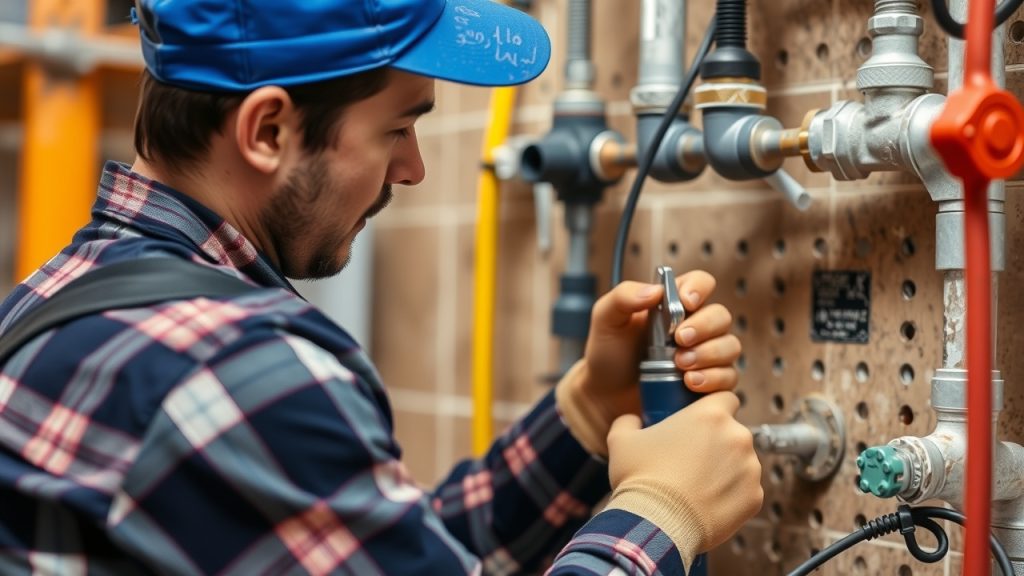
When plumbing emergencies strike, having the right tools can make all the difference.
You should know the basics of using a plunger, the different types of wrenches, and how to effectively use a drain snake.
With these essentials in your toolkit, you’ll be better prepared to tackle any plumbing issue that comes your way.
Plunger Basics Explained
Every homeowner should have at least one reliable plunger in their toolkit, as it’s your first line of defense against clogged drains.
Understanding different plunger types can make effective plunging much easier when emergencies arise. Here are the main types you should consider:
- Cup Plunger: Ideal for sinks and tubs.
- Flange Plunger: Best for toilets, featuring a rubber flap for a tighter seal.
- Accordion Plunger: Works well for tougher clogs, thanks to its unique shape.
- Toilet Auger: Not a plunger, but a useful tool for stubborn toilet clogs.
- Plunger with a Long Handle: Great for reaching deep clogs.
Having the right plunger on hand guarantees you’re ready to tackle any plumbing issue.
Wrench Types Overview
Four essential wrenches can make all the difference in tackling plumbing tasks around your home. Here’s a quick overview:
| Wrench Type | Applications | Materials |
| Adjustable Wrench | Versatile for various sizes | Steel, Aluminum |
| Pipe Wrench | Ideal for gripping pipes | Steel |
| Torque Wrench | Guarantees proper tightness | Steel, Composite |
| Specialty Wrenches | For unique fittings | Steel, Plastic |
When choosing wrench sizes, consider their applications. Regular wrench maintenance, including proper storage, is vital for safety and longevity. Always handle wrenches with care to avoid injuries. With these tools, you’ll be well-prepared for any plumbing emergency!
Essential Drain Snake Use
A drain snake is an indispensable tool for homeowners facing clogged pipes. Knowing how to use it can save you time and money.
Here are some essential tips for effective drain maintenance using snake techniques:
- Choose the right size: Confirm your drain snake fits the pipe diameter.
- Use protective gear: Wear gloves and goggles to stay safe.
- Insert carefully: Gently push the snake into the drain, avoiding damage.
- Turn the handle: Rotate the snake while pushing to break up clogs.
- Clean afterward: Remove any debris from the snake and the drain.
How to Shut Off Your Water Supply
When facing a plumbing emergency, knowing how to shut off your water supply can save you from significant damage. Start by locating your main supply valve, usually found near your water meter. Familiarizing yourself with water meter basics will help you act quickly.
Knowing how to shut off your water supply in a plumbing emergency can prevent significant damage. Locate your main supply valve near the water meter.
If you can’t find the main valve, check plumbing diagrams specific to your home; they often highlight water valve locations.
To shut off the water, turn the valve clockwise until it stops. This emergency shutoff halts water flow throughout your entire home.
If you have individual shutoff valves for specific fixtures, like sinks or toilets, make sure you know their locations too. Having quick access to these valves can prevent further issues.
Identifying Signs of a Plumbing Leak
When you notice unusual water puddles around your home, it might be time to investigate further.
An unexpected spike in your water bill can also signal a hidden leak.
Keep an eye out for damp or discolored walls, as these can be clear indicators of plumbing issues lurking beneath the surface.
Unusual Water Puddles
Have you noticed unusual water puddles forming in your home? These can be signs of hidden leaks that need immediate attention. Don’t ignore them!
Here are some key points to reflect on:
- Identify unusual sources: Check for any appliances or fixtures nearby.
- Conduct moisture detection: Use a moisture meter to assess affected areas.
- Assess drainage issues: Confirm gutters and downspouts are clear.
- Perform surface analysis: Look for cracks or damage in flooring.
- Evaluate foundation impact: Water pooling can weaken your home’s structure.
Taking these steps for leak diagnosis can help with puddle prevention and guarantee a swift emergency response.
Addressing these issues early can save you time and costly repairs down the line.
Increased Water Bills
Noticing a spike in your water bill can be alarming and might signal an underlying plumbing leak. To identify changes in your water consumption patterns, keep track of your monthly bills. If you spot unusual increases, it’s time to investigate further.
Here’s a quick guide to help you assess potential leaks:
| Indicator | Action Needed | Leak Detection Technology |
| Sudden bill increase | Review usage history | Smart water meters |
| Consistent high usage | Check for running faucets/toilets | Acoustic leak detection devices |
| Unexplained dampness | Inspect pipes | Infrared thermography |
Acting promptly can save you money and prevent further damage. Don’t hesitate to use leak detection technology for an accurate assessment.
Damp Or Discolored Walls
A sudden spike in your water bill isn’t the only sign of a plumbing issue; damp or discolored walls can also indicate a hidden leak.
Catching these signs early can prevent serious water damage and structural issues. Here’s what to look for:
- Moisture detection: Use a moisture meter for accurate readings.
- Wall inspection: Check for peeling paint or bubbling.
- Mold growth: Look for dark spots or a musty smell.
- Repair techniques: Address leaks immediately to prevent further damage.
- Ventilation improvements: Guarantee good airflow to control humidity.
Don’t ignore these signs; they could lead to costly repairs.
Consider insulation options and painting solutions to keep your home safe and dry.
What to Do After Identifying a Leak
Once you’ve identified a leak, taking swift action can prevent further damage and costly repairs. First, locate the source and shut off the water supply to stop the leak from worsening.
Next, use leak detection methods, like inspecting walls or ceilings for damp spots, to pinpoint the issue more accurately.
If you’re comfortable, apply emergency repair techniques, such as using pipe tape or a rubber patch to temporarily seal the leak. Make certain to gather any necessary tools and materials before starting.
After you’ve managed the immediate situation, document the leak and any repairs made; this can be essential for insurance claims.
Finally, reach out to a qualified plumber for a permanent fix. They’ll help ascertain that the problem doesn’t recur, giving you peace of mind.
Quick Fixes for Clogged Drains
When you’re faced with a clogged drain, quick fixes can save the day.
You can try a baking soda solution, use a plunger, or combine vinegar and hot water for a simple remedy.
These methods can often clear your drain without needing a plumber.
Baking Soda Solution
If you’ve ever faced a sudden clog in your drain, you know how frustrating it can be. Thankfully, a baking soda solution can be an effective quick fix. This natural drain cleaner not only helps clear clogs but also aids in odor elimination.
Here’s how to do it:
- Pour 1 cup of baking soda down the drain.
- Follow it with 1 cup of vinegar mixture.
- Cover the drain for 15-30 minutes.
- Rinse with hot water to flush everything out.
- Repeat if necessary for stubborn clogs.
Using this method is safe for your pipes and the environment.
Plunger Technique
While a baking soda solution can work wonders, sometimes a trusty plunger is the quickest way to tackle a stubborn clog.
First, choose the right plunger type: a flange plunger for toilets and a cup plunger for sinks. Position the plunger over the drain, ensuring a tight seal.
With steady pressure, push down firmly, then pull up quickly. This creates suction that can dislodge the blockage. Remember to keep the plunger submerged for maximum effectiveness.
Repeat this motion several times if needed, maintaining that seal. If you’re still facing resistance, don’t hesitate to take a break and reassess.
Mastering the proper technique can save you time and frustration, making it an essential skill for any homeowner.
Vinegar and Hot Water
For a quick fix to clogged drains, vinegar and hot water can be a game changer. This simple method leverages vinegar benefits to break down buildup, making it easier for water to flow freely.
Here’s how to do it effectively:
- Boil about 2 cups of hot water.
- Pour the hot water directly down the clogged drain.
- Follow it with 1 cup of vinegar.
- Cover the drain with a plug or cloth to keep the reaction contained.
- Wait for 15-30 minutes, then flush with more hot water.
This combination can help dissolve grease and grime, giving your pipes a fresh start.
Using vinegar and hot water is a practical, eco-friendly solution for unclogging your drains.
How to Handle a Toilet Overflow
When a toilet overflows, quick action is essential to prevent water damage and maintain a clean environment. Start by turning off the toilet’s water supply valve, usually located behind the toilet. Use emergency supplies like towels or a mop for a quick cleanup, limiting water spread. If the overflow continues, consider a DIY solution like using a plunger to clear blockages.
Overflow Response Steps
| Step | Action |
| 1. Turn off water supply | Locate the valve and twist it off. |
| 2. Contain the overflow | Use towels to soak up excess water. |
| 3. Clear blockages | Use a plunger or snake for clogs. |
Regular toilet maintenance and overflow prevention strategies can minimize future incidents. Always prioritize plumbing safety during bathroom repairs, and remember that swift action can save you from costly water damage.
Emergency Plumbing Fixes for Broken Water Heaters
If you find yourself facing a broken water heater, quick and effective action can save you from cold showers and potential water damage. Start with these emergency repair techniques:
- Identify common causes like sediment buildup or faulty thermostats.
- Perform water heater troubleshooting to narrow down the issue.
- Use temporary fixes, such as turning off the power and water supply, to prevent further damage.
- Implement safety precautions by checking for leaks and ensuring proper ventilation.
- Consider replacement options if the unit is old or under warranty.
Keep a homeowner checklist handy for maintenance tips to enhance energy efficiency.
Regularly inspect your water heater and address minor issues before they escalate.
When in doubt, always consult a professional to avoid costly repairs down the line.
What to Do About a Burst Pipe
A burst pipe can turn a minor inconvenience into a major disaster, especially right after dealing with a broken water heater. The first thing you should do is shut off the main water supply to prevent further flooding.
Next, drain your faucets and toilets to relieve pressure and minimize water damage.
Drain your faucets and toilets to relieve pressure and help minimize potential water damage.
If you have emergency preparedness measures in place, like knowing where your water shut-off valve is, you’ll save time and reduce chaos.
After you’ve contained the situation, assess the damage. If you’re comfortable with it, you can attempt temporary pipe repair using tape or a clamp. However, it’s often best to call a professional plumber to handle the repair properly.
Document the damage for insurance purposes and keep a list of any affected belongings.
Having a plan in place for such emergencies can make all the difference when disaster strikes.
DIY Solutions for Minor Plumbing Problems
While plumbing emergencies can feel overwhelming, many minor issues are manageable with a few simple DIY solutions. Here are some quick fixes you can tackle:
- Fix faucet leaks: Often caused by worn-out washers, replacing them can stop the drip.
- Clear shower clogs: Use a plunger or a mixture of baking soda and vinegar to unclog drains.
- Inspect the toilet flapper: If your toilet runs continuously, a faulty flapper might be the culprit.
- Address water hammer: Secure loose pipes or install water hammer arrestors to eliminate noise.
- Maintain hose bibbs: Regularly check for leaks and make sure they’re winterized to prevent freezing.
When Should You Call a Plumber?
When should you call a plumber? If you notice emergency signs like water pooling on your floor, gurgling drains, or a sudden drop in water pressure, it’s time to seek professional help.
Many homeowners believe they can handle any plumbing issue themselves, but that’s often a dangerous myth. Ignoring these signs can lead to bigger problems, like extensive water damage or costly repairs.
If you smell gas or notice a sewage backup, don’t hesitate—call a plumber immediately. These situations can escalate quickly and require expert intervention.
Additionally, if you’ve tried common DIY fixes without success, it’s best to leave it to the pros. Trust your instincts; if something feels off, it probably is.
Preventative Maintenance for Plumbing Emergencies
Preventative maintenance can save you from costly plumbing emergencies down the line.
By scheduling regular pipe inspections, establishing a drain cleaning routine, and checking your water pressure, you can catch potential issues before they escalate.
Staying proactive not only protects your home but also gives you peace of mind.
Regular Pipe Inspections
Regular pipe inspections play an essential role in preventing plumbing emergencies, as they help you identify potential issues before they escalate. By keeping a proactive maintenance schedule, you can guarantee your plumbing health remains ideal.
Here are some key benefits of regular inspections:
- Detect common issues like leaks or corrosion early
- Establish an appropriate inspection frequency for your pipes
- Identify potential hazards that could lead to costly repairs
- Benefit from professional evaluations that provide expert insights
- Implement seasonal checks as a preventative measure
Drain Cleaning Routine
Although you may not think about it often, maintaining a consistent drain cleaning routine is essential for avoiding plumbing emergencies. Regular drain maintenance keeps your pipes clear of buildup, which can obstruct water flow and lead to serious issues down the line.
Start by using a mixture of baking soda and vinegar monthly to break down minor clogs and odors. Additionally, consider using a drain strainer to catch hair and debris, preventing them from entering your pipes.
It’s also wise to flush your drains with hot water regularly, as this helps dissolve grease and soap residue. By prioritizing these simple steps, you’ll guarantee smooth water flow and reduce the risk of unexpected plumbing problems.
Water Pressure Checks
Keeping your drains clear is just one part of maintaining your plumbing system. Regular water pressure checks are essential for preventing emergencies. Here’s how to stay ahead:
- Use a pressure gauge to measure water pressure.
- Check your pressure regulator for accurate settings.
- Identify low pressure issues that may affect water flow.
- Perform pressure testing to catch pressure drops early.
- Monitor water quality, as it can impact pressure.
Seasonal Plumbing Tips for Homeowners
As the seasons change, it’s important to stay ahead of potential plumbing issues that could disrupt your home. Start with seasonal maintenance to keep everything running smoothly.
In winter, take significant precautions like insulating your pipes to prevent freezing. During summer, conduct checkups on your outdoor plumbing, ensuring hoses and sprinklers are in good shape.
Insulate your pipes in winter and check outdoor plumbing in summer to prevent issues and keep everything running smoothly.
Autumn inspections are critical, too. Clear leaves from gutters and check for any leaks before the heavy rains hit.
Spring cleaning isn’t just for your home; it’s a great time to flush out your water heater and check your sump pump.
Don’t forget about weatherproofing tips, like sealing windows and doors to prevent excess moisture.
Understanding Your Home’s Plumbing System
Understanding your home’s plumbing system is essential for preventing emergencies and guaranteeing everything runs smoothly. By familiarizing yourself with the key components, you can tackle issues more effectively.
Here are five critical elements to know:
- Pipe materials: Know what materials your pipes are made of, like PVC or copper.
- Drainage systems: Understand how your drainage system works to avoid clogs.
- Plumbing fixtures: Identify the fixtures that may need maintenance or replacement.
- Pressure regulators: Learn how these devices help maintain safe water flow.
- Leak detection: Be aware of signs of leaks to catch problems early.
Additionally, consider the importance of pipe insulation, sewage systems, and water filtration to maintain efficiency.
Familiarizing yourself with plumbing codes guarantees you’re compliant and safe. Being informed sets you up for success in handling any plumbing challenge that arises.
The Importance of Regular Plumbing Inspections
Regular plumbing inspections can save you from costly emergencies by catching problems early.
They’re not just a smart maintenance strategy; they also help boost your property’s value.
Early Problem Detection
While you might think your plumbing system is functioning just fine, neglecting regular inspections can lead to costly emergencies down the line.
Early detection of issues is key to preventing bigger problems. Look out for these warning signs:
- Unexplained water stains on walls or ceilings
- Sudden spikes in your water bill
- Dripping faucets or running toilets
- Slow drains or frequent clogs
- Unpleasant odors near pipes or fixtures
Cost-Effective Maintenance Strategy
Neglecting routine plumbing inspections can lead to unexpected and costly emergencies, making it essential to prioritize this maintenance strategy.
Regular check-ups help you catch small issues before they escalate into major problems, saving you both money and stress. By investing in these inspections, you’re following cost-saving tips that can prevent water damage, mold growth, and expensive repairs.
Schedule these check-ups at least once a year, or more frequently if you notice any unusual signs. Remember, a small upfront cost for maintenance is far better than facing a large bill from a plumbing disaster.
You’ll not only enjoy peace of mind but also guarantee that your plumbing system runs smoothly for years to come.
Increased Property Value
One key benefit of scheduling routine plumbing inspections is the potential boost to your property value. Keeping your plumbing in top shape not only prevents emergencies but also enhances your home’s appeal, especially during property renovations or home inspections.
Here’s how regular inspections help:
- Identify hidden issues early
- Guarantee compliance with local codes
- Reduce the risk of costly repairs later
- Enhance buyer confidence during sales
- Improve overall home efficiency
How to Read Your Water Meter for Issues
Understanding how to read your water meter is essential for identifying potential plumbing issues in your home. Water meter basics involve knowing how to check the numbers displayed on your meter, which can help you spot unusual water usage.
Begin by locating your meter, usually found near the street or in a basement.
To read it, look at the dials or digital display. Note the numbers and track your usage over time. If you notice a sudden spike without an increase in usage, it could indicate a leak.
For effective leak detection, turn off all faucets and appliances, then check the meter again. If the numbers change, you likely have a leak somewhere in your system.
Regularly monitoring your water meter not only helps catch plumbing issues early but also promotes better water conservation in your home.
What Causes Low Water Pressure?
When you experience low water pressure, it can be frustrating and may signal underlying plumbing issues. Understanding the common causes can help you address the problem effectively. Here are some key factors to take into account:
- Clogged pipes: Buildup of debris can restrict water flow.
- Pressure regulators: Malfunctioning regulators mightn’t maintain the necessary pressure.
- Sediment buildup: Accumulation in pipes or fixtures can impede water flow.
- Municipal supply issues: Sometimes, the problem lies with the water supply from your local provider.
- Leaky pipes: Hidden leaks can divert water, reducing pressure.
Identifying the cause is essential for finding a solution.
If you can’t pinpoint the issue, it might be time to call a plumber. They can help diagnose and fix the problem, ensuring you get back to enjoying a steady water flow in no time.
Quick Strategies for Basement Flooding
Basement flooding can strike unexpectedly, leaving you scrambling for solutions. To tackle this issue effectively, start by ensuring you have an emergency kit ready. Include items like a flashlight, batteries, a first-aid kit, and a sump pump if possible.
Knowing where your main water shut-off valve is located can also save you time in a crisis.
For flood prevention, check your gutters and downspouts regularly. Make sure they direct water away from your foundation. You might also consider installing a sump pump with a battery backup to handle heavy rains.
If the flooding starts, act quickly—remove valuables and use towels or a wet/dry vacuum to soak up water.
How to Prevent Frozen Pipes in Winter
As winter approaches, taking steps to prevent frozen pipes can save you from costly repairs and headaches.
Here’s how to protect your plumbing:
- Insulate pipes in unheated spaces, like basements and attics.
- Adjust thermostat settings to maintain a consistent temperature throughout your home.
- Disconnect and drain exterior faucets to prevent ice buildup.
- Seal cracks and openings in walls and foundations to minimize temperature fluctuations.
- Keep heating systems running efficiently, especially during extreme cold spells.
Frequently Asked Questions
What Should I Do if I Smell Gas Near Plumbing Fixtures?
If you smell gas near plumbing fixtures, evacuate immediately and call your gas company. Don’t use any electronics. Quick gas leak detection and emergency response can prevent serious accidents. Stay safe and alert until professionals arrive.
How Can I Find a Reliable Emergency Plumber?
Check plumber reviews online and ask friends for recommendations. Keep a list of emergency contacts handy, ensuring you choose someone with a solid reputation. This way, you’ll feel confident when facing urgent plumbing issues.
Are There Any Plumbing Issues I Can Safely Handle Alone?
Yes, you can handle clogged drains and leaky faucets yourself. For clogged drains, use a plunger or a drain snake. For leaky faucets, replace washers or cartridges; it’s usually a simple fix you can manage.
What Insurance Coverage Do I Need for Plumbing Emergencies?
You need homeowners insurance that covers water damage and includes liability protection. This way, you can file insurance claims for plumbing emergencies and avoid significant out-of-pocket costs. Always review your policy for specific coverage details.
How Do I Prevent Plumbing Issues During a Vacation?
To prevent plumbing issues during your vacation, turn off the water shutoff valve and perform drain maintenance. Clear any clogs and guarantee appliances aren’t leaking, so you return to a worry-free home.
Final Thoughts
In a plumbing emergency, staying calm and acting quickly can save you time, money, and serious property damage. The more familiar you are with common warning signs, shut-off locations, and basic tools, the easier it is to take control of the situation and reduce risk before it escalates.
If you’re dealing with a leak, clog, burst pipe, or water heater issue—or you want to prevent the next emergency—DNA Honest Plumbing is here to help. Explore our full range of expert plumbing services and reliable 24/7 emergency plumbing services when you need immediate support. For urgent repairs, our team provides fast, dependable options like pipe repair, pipe replacement, and drain cleaning to restore safety and performance quickly.
Need help right now or want to schedule service? Contact DNA Honest Plumbing today through our Contact Us page to request emergency assistance or book an inspection.