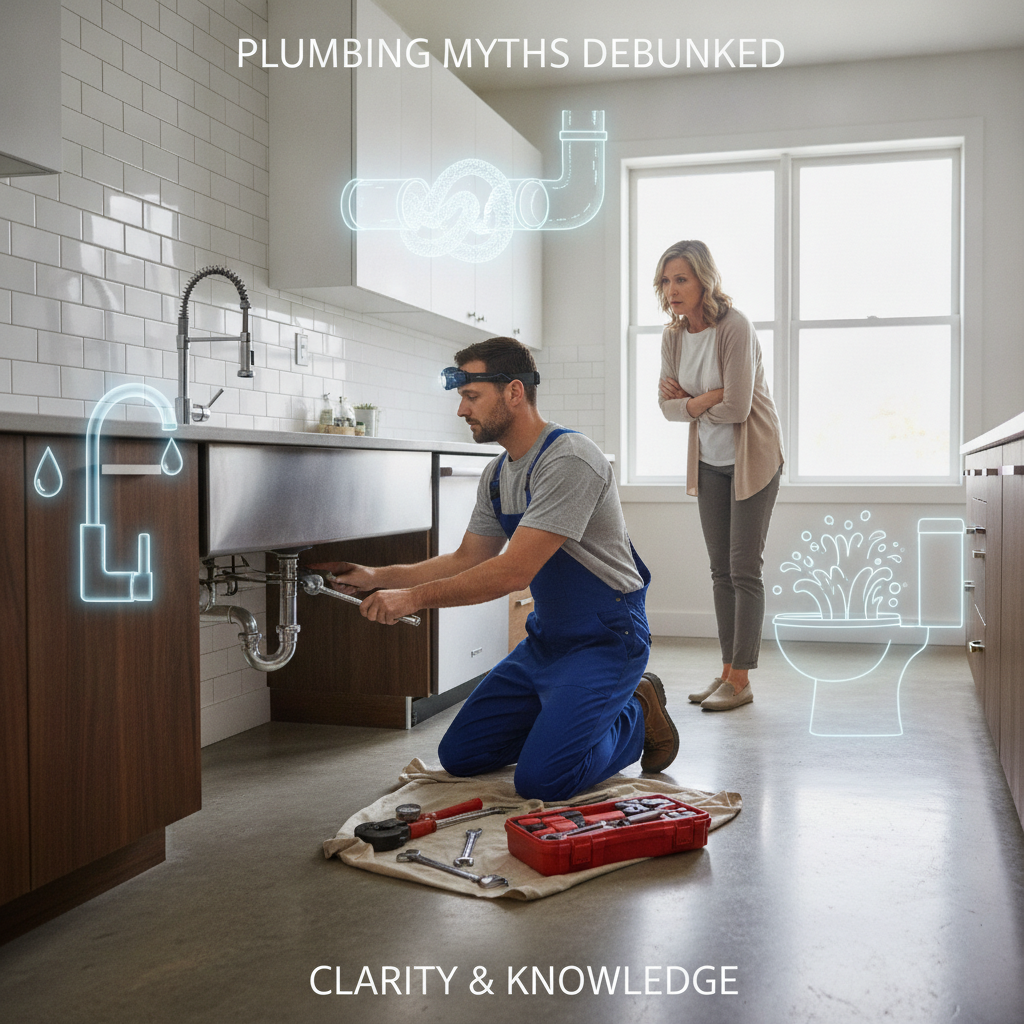
Every homeowner and business in the area relies on plumbing systems every day, yet so many persistent myths still circulate about how plumbing really works. Whether you’re a small business owner, a developer planning new construction, or simply a resident who wants to keep your property in top shape, believing the wrong information can lead to expensive mistakes. That’s why it’s crucial to separate fact from fiction when it comes to plumbing myths Sterling Heights residents often encounter. In this article, we’ll dig deep into the most common misconceptions, explain why they’re misleading, and offer practical, expert-backed advice to keep your pipes, drains, and fixtures running smoothly. From the dangers of chemical drain cleaners to the truth about flushable wipes, we’ll empower you with the knowledge you need to avoid costly repairs and make smart decisions for your home or business. Let’s set the record straight and debunk the top plumbing myths that could be costing you money and peace of mind.
Plumbing Myths Sterling Heights: What You Need to Know
The phrase “plumbing myths Sterling Heights” is often searched by those hoping to find reliable information. Unfortunately, misinformation spreads quickly, and many people in this community have fallen for outdated or flat-out wrong plumbing advice. Let’s start by tackling some of the most widespread myths that circulate locally and explain why trusting these can be risky for both homeowners and businesses.
One of the most common myths is that all plumbing issues can be solved with a simple DIY fix. While there are minor problems that can be handled without professional help, such as replacing a washer or tightening a loose faucet, many plumbing challenges are far more complex. Attempting to fix a leak or unclog a drain without the proper knowledge can result in more damage, higher repair costs, and even potential health hazards due to water contamination or mold growth.
Another frequent misconception is that as long as water is going down the drain, everything is fine. This belief can lead to ignoring slow drains, minor leaks, or odd noises in the pipes. In reality, these are often early warning signs of bigger issues like pipe blockages, corrosion, or even sewer line problems. Addressing these symptoms early can save significant time and money in the long run.
If you’re ever unsure about a plumbing issue, don’t hesitate to visit our site for expert advice and professional services. Relying on trusted local professionals ensures that problems are resolved correctly the first time, preventing unnecessary headaches down the road.
Plumbing Myths Sterling Heights, MI: Separating Fact from Fiction
When searching for “plumbing myths Sterling Heights, MI,” you’ll find a variety of claims that simply don’t hold up under scrutiny. Let’s break down a few more persistent myths and provide the facts that every resident and business owner should know.
Myth: Chemical drain cleaners are the best solution for clogs. While it’s tempting to pour a bottle of cleaner down the drain and hope for the best, these products can actually do more harm than good. The harsh chemicals can corrode pipes, especially older ones, and may only provide a temporary fix. Over time, repeated use can weaken your plumbing system, leading to leaks or even burst pipes. Instead, opt for mechanical solutions like plungers or drain snakes, or call in a professional for stubborn clogs.
Myth: Running water while using the garbage disposal prevents clogs. While water does help move waste through the disposal, it doesn’t guarantee that all debris will make it down the line. Fibrous foods, grease, and starchy items can still cause blockages further down the pipe. It’s important to know what should and shouldn’t go into your disposal to avoid costly repairs.
For a deeper dive into common plumbing misconceptions, check out resources from local experts who understand the unique needs of this region. By staying informed, you can keep your plumbing system healthy and avoid falling for advice that could end up costing you in the long run.
Plumbing Myths Sterling Heights Michigan: Local Insights
Believing plumbing myths Sterling Heights Michigan residents often hear can lead to unnecessary stress and costly repairs. For example, a widely held myth is that “flushable” wipes are safe for all plumbing systems. Despite the marketing, these wipes do not break down like toilet paper and can cause significant blockages in both residential pipes and municipal sewer systems. This issue is especially problematic in older neighborhoods, where pipes may already be susceptible to clogs and backups.
Another local misconception is that small leaks are nothing to worry about. Even a slow drip can waste hundreds of gallons of water over time, leading to higher utility bills and potential water damage. In colder climates, like those experienced here, leaks can also contribute to frozen pipes during winter months, increasing the risk of pipe bursts and flooding.
Residents sometimes believe that plumbing systems don’t require regular maintenance unless there’s a visible problem. In reality, annual inspections and routine care can catch minor issues before they escalate into major repairs. This proactive approach is especially important for businesses and landlords who want to avoid disruptions and maintain property value.
By understanding and addressing these myths, property owners can make smarter decisions and protect their investments for years to come.
The Truth About Chemical Drain Cleaners
Chemical drain cleaners are often marketed as a fast and easy solution for clogged pipes. However, the reality is that these products can do more harm than good. The harsh chemicals in these cleaners can eat away at pipes, especially if they are older or made from certain materials like galvanized steel or PVC. Over time, this corrosion weakens the pipes, making them more prone to leaks and bursts.
In addition to damaging your plumbing, chemical cleaners can be hazardous to your health and the environment. The fumes can irritate your eyes, nose, and throat, and improper disposal can contaminate local water supplies. For persistent clogs, mechanical methods such as plungers, drain snakes, or hydro-jetting are safer and more effective. If you’re unsure how to proceed, it’s always best to consult a professional who can assess the situation and recommend the safest solution.
Remember, using chemical cleaners as a quick fix can lead to bigger problems down the line. Investing in professional drain cleaning services is a smarter, safer choice for your property and the environment.
Are Flushable Wipes Really Flushable?
One of the most persistent plumbing myths Sterling Heights residents hear is that so-called “flushable” wipes are safe for all plumbing systems. Despite their name, most of these wipes do not break down quickly in water like toilet paper does. Instead, they can accumulate in pipes, causing blockages that lead to backups and expensive repairs.
Municipal sewer systems and wastewater treatment plants across the country have reported major problems caused by flushable wipes. These products can combine with grease and other debris to form large clogs, sometimes referred to as “fatbergs,” which can be extremely difficult and costly to remove. In homes and businesses, the buildup can cause slow drains, sewage backups, and even damage to septic systems.
To keep your plumbing system running smoothly, it’s best to dispose of wipes, paper towels, and other hygiene products in the trash rather than flushing them. By doing so, you’ll help prevent clogs and protect both your property and the local infrastructure.
Why Small Leaks Matter
It’s easy to ignore a small drip under the sink or a slow leak from a faucet, but these seemingly minor issues can add up to significant problems over time. Even a tiny leak can waste hundreds or thousands of gallons of water per year, leading to higher utility bills and unnecessary strain on the local water supply.
Beyond the cost, small leaks can cause hidden water damage to cabinets, floors, and walls. Over time, this moisture can promote the growth of mold and mildew, which can pose health risks to your family or employees. In colder climates, leaks can also contribute to frozen pipes, which can burst and cause extensive flooding.
The best way to avoid these issues is to address leaks as soon as they are detected. Regularly check under sinks, around toilets, and near appliances for any signs of moisture. If you find a leak, repair it promptly or call a professional to assess the situation. Preventive maintenance is always more cost-effective than emergency repairs.
Garbage Disposals: Myths and Maintenance
Garbage disposals are a convenient addition to any kitchen, but there are many myths about how they should be used and maintained. Some people believe that running hot water while using the disposal will prevent clogs, but hot water can actually cause grease to liquefy and move further down the pipes, where it can solidify and cause blockages.
Another common myth is that you can put anything down the disposal as long as it’s chopped up small enough. In reality, fibrous foods like celery, potato peels, and corn husks can wrap around the blades and cause jams. Grease, oil, and coffee grounds should also be avoided, as they can accumulate and create stubborn clogs.
To keep your disposal in good working order, run cold water while it’s in use, avoid problematic foods, and clean the unit regularly with a mixture of ice cubes and baking soda. This will help remove debris and keep odors at bay.
DIY Plumbing: When to Call a Pro
Many residents are tempted to tackle plumbing repairs themselves, especially with the abundance of online tutorials. While some minor fixes are safe for DIY, such as unclogging a sink with a plunger or replacing a showerhead, more complex issues require professional expertise.
Attempting to repair major leaks, replace pipes, or address sewer line problems without proper training can result in costly mistakes and even create safety hazards. Licensed plumbers have the tools and experience to diagnose issues accurately and perform repairs that meet local codes and regulations. This is particularly important for businesses and rental properties, where improper repairs can result in liability issues or code violations.
If you’re ever in doubt about whether a plumbing problem is safe to handle on your own, it’s best to err on the side of caution and call a professional. The investment in expert help can save you time, money, and stress in the long run.
Routine Maintenance: The Key to Healthy Plumbing
One of the most effective ways to avoid plumbing emergencies is through regular maintenance. Many property owners mistakenly believe that plumbing systems are “set and forget,” but pipes, fixtures, and appliances all require periodic attention to stay in good working order.
Annual inspections can catch small leaks, corrosion, or blockages before they become major problems. Flushing water heaters, cleaning aerators, and checking for signs of wear and tear are all simple steps that can extend the life of your plumbing system. For businesses and larger properties, scheduling routine professional maintenance is especially important to prevent disruptions and protect your investment.
By making maintenance a priority, you’ll reduce the risk of unexpected repairs, lower your water bills, and ensure that your plumbing system serves you well for years to come.
Common Plumbing Myths vs. Facts
To help you quickly identify and avoid the most common plumbing myths Sterling Heights residents encounter, here’s a handy table comparing myths to the actual facts. Use this as a reference when making decisions about your home or business plumbing system.
| Myth | Fact |
|---|---|
| Chemical drain cleaners are safe for pipes | They can corrode pipes and cause long-term damage |
| Flushable wipes are safe to flush | They can cause clogs and sewer backups |
| Small leaks are harmless | Even minor leaks waste water and can cause damage |
| Running water prevents garbage disposal clogs | Some foods still cause blockages regardless of water flow |
| DIY fixes are always best | Professional help is often safer and more effective |
Keep this table in mind the next time you hear a plumbing tip that sounds too good to be true. Relying on facts and expert advice will help protect your property and your wallet.
How Weather Impacts Local Plumbing
The region’s climate plays a significant role in the health and longevity of plumbing systems. Freezing temperatures in winter can cause pipes to contract and even burst if not properly insulated. This is a common issue for both older homes and new constructions that may not have adequate protection in place.
Another weather-related myth is that only exterior pipes are at risk during cold snaps. In reality, pipes running through unheated areas like basements, garages, and crawl spaces are also vulnerable. Taking steps to insulate exposed pipes, seal drafts, and keep indoor temperatures consistent can help prevent costly damage.
During heavy rains, local sewer systems can become overwhelmed, leading to backups in homes and businesses. Installing backflow prevention devices and maintaining your drains can reduce the risk of water damage during storms. Staying proactive and understanding how weather affects your plumbing will help you avoid emergencies year-round.
Key Takeaways
Debunking plumbing myths Sterling Heights residents often hear is essential for maintaining safe, efficient, and reliable plumbing systems. By understanding the facts behind common misconceptions, you can make smarter decisions, avoid unnecessary repairs, and protect your property’s value. Remember to avoid chemical drain cleaners, never flush wipes, address leaks promptly, and seek professional help for complex issues. Regular maintenance and awareness of local weather impacts will keep your plumbing running smoothly all year long. Stay informed, trust expert advice, and don’t let myths cost you time or money. Your home or business deserves the best care, and knowledge is your first line of defense.