Understanding the Signs of Plumbing Issues
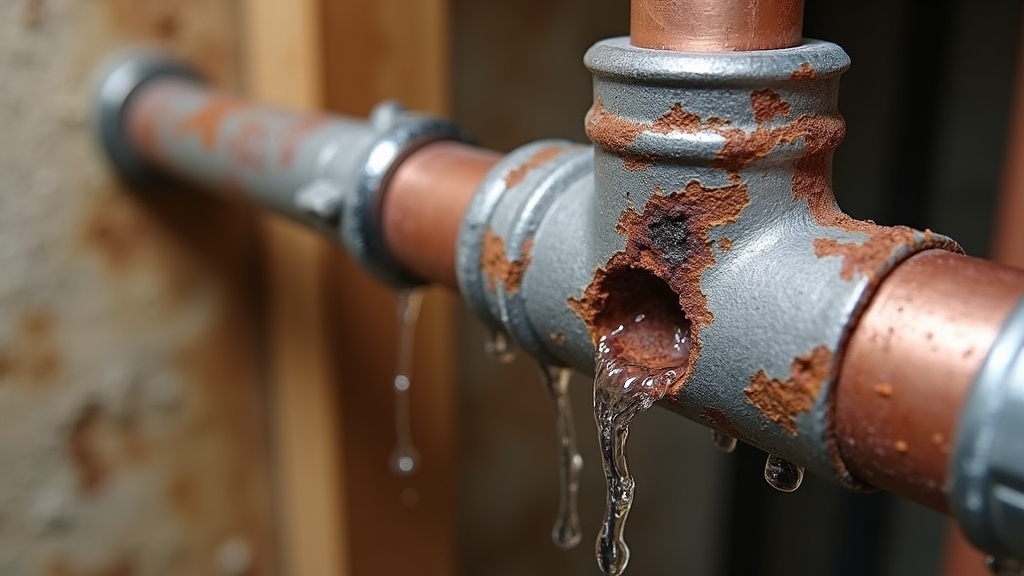
Homeowners should be vigilant about recognizing the signs that indicate plumbing issues may be present. Common symptoms include frequent leaks, water stains on walls or ceilings, and unusual sounds from pipes. These signs can help determine whether a repair or replacement is necessary.
For instance, if you notice multiple leaks within a short period, it may suggest that your plumbing system is deteriorating. Additionally, changes in water pressure or quality, such as rust-colored water, can indicate serious underlying problems that warrant a professional assessment.
Factors to Consider Before Making a Decision
Deciding whether to repair or replace plumbing fixtures involves evaluating several critical factors. Homeowners should consider the age of the plumbing system, the extent of the damage, and the cost implications of both options. This assessment can guide you toward the most cost-effective and long-lasting solution.
For example, if your pipes are nearing the end of their lifespan, investing in a replacement might save you money in the long run by preventing future repairs. Conversely, minor leaks in newer pipes may be resolved with simple repairs, making it a more economical choice.
The Cost Implications of Repair vs Replacement
Understanding the financial aspects of plumbing repairs versus replacements is crucial for homeowners. Repairs can often be less expensive upfront, but recurring issues may lead to higher costs over time. In contrast, replacement may involve a larger initial investment but can provide peace of mind and reduced maintenance costs in the future.
For example, while a temporary fix for a leaking pipe might cost a few hundred dollars, ongoing repairs could add up significantly. Conversely, replacing an old plumbing system may require a few thousand dollars initially, but it can ultimately enhance the home's value and efficiency.
Long-Term Benefits of Replacing Old Plumbing
Investing in new plumbing systems offers numerous long-term benefits that can outweigh the initial costs. Modern plumbing materials are designed to be more durable, efficient, and resistant to corrosion, which can lead to fewer issues over time. Homeowners can enjoy improved water quality and pressure with updated systems.
Moreover, replacing old plumbing can enhance energy efficiency, leading to lower utility bills. For example, newer pipes can reduce water waste and improve the overall performance of plumbing fixtures, contributing to sustainable home practices while also providing financial savings.
 Skip to content