Understanding Common Plumbing Problems
Homeowners often face a variety of plumbing issues that can disrupt daily life. Recognizing these common problems early can save time and money on repairs. Common issues include leaky faucets, running toilets, and slow drains, all of which can lead to larger, more expensive repairs if not addressed promptly.
For instance, a small leak in a faucet may seem insignificant, but over time, it can waste gallons of water and increase utility bills. Similarly, a running toilet can waste hundreds of gallons of water each month, making it crucial for homeowners to understand these issues and seek timely solutions.
Essential Plumbing Maintenance Tips
Regular maintenance is key to preventing plumbing issues and ensuring the longevity of your plumbing system. Simple tasks such as checking for leaks, cleaning drains, and inspecting water heaters can significantly reduce the risk of major problems down the line.
For example, homeowners should routinely inspect their water heater for signs of rust or corrosion and flush the tank annually to remove sediment buildup. Additionally, using drain screens can help prevent clogs caused by hair and debris, making maintenance easier and more effective.
When to Call a Professional Plumber
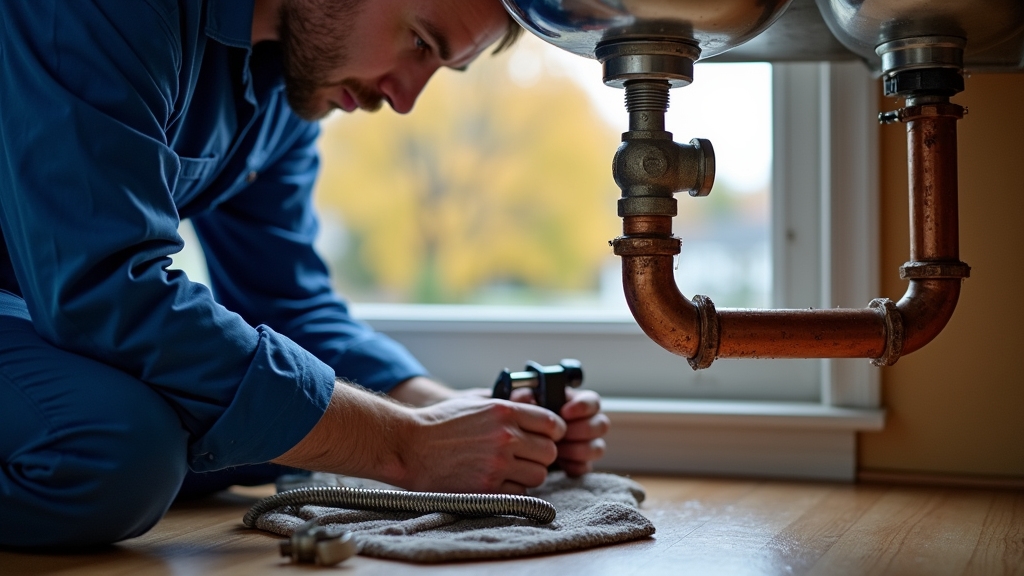
While some plumbing issues can be resolved with DIY methods, knowing when to call a professional is crucial. Complex problems such as sewer line backups, extensive leaks, or issues with the main water supply often require expert intervention to prevent further damage.
For instance, if you notice multiple drains in your home are clogged simultaneously, it may indicate a more serious issue in the main sewer line. In such cases, contacting a licensed plumber can provide the necessary expertise and equipment to diagnose and resolve the problem effectively.
DIY Plumbing Repairs: What You Can Handle
Many homeowners are capable of handling minor plumbing repairs, which can save both time and money. Simple tasks such as replacing a faucet washer, unclogging a drain, or tightening loose fittings can often be completed with basic tools and a little guidance.
For example, unclogging a sink can often be achieved with a plunger or a mixture of baking soda and vinegar. However, it's important to know your limits; if a repair seems beyond your skill level, it's best to consult a professional to avoid causing further damage.
 Skip to content