Skip to content
If you’re facing water heater problems, it’s essential to act quickly. Look for signs like temperature fluctuations, strange noises, or leaks, as these indicate a need for repairs. Regular maintenance can prevent issues and extend your heater’s lifespan. Depending on the problem, you might need a professional plumber or can try some troubleshooting steps at home. Understanding the types of water heaters and their efficiency can also help you make informed decisions. Discover more strategies to keep your water heater running smoothly.
Key Takeaways
- Identify common water heater issues like temperature fluctuations and strange noises to determine when professional help is needed.
- Regular maintenance, including flushing the tank and checking the anode rod, prevents major problems and extends the unit’s lifespan.
- Look for signs of needed repairs, such as rusty water, leaks, or age, to address issues promptly and avoid costly damages.
- Consider energy-efficient water heater options, like tankless or hybrid models, to reduce energy costs and improve performance.
- Call a plumber for emergency situations like leaks or inconsistent temperatures to ensure safe and effective repairs.
Common Water Heater Issues You Might Face
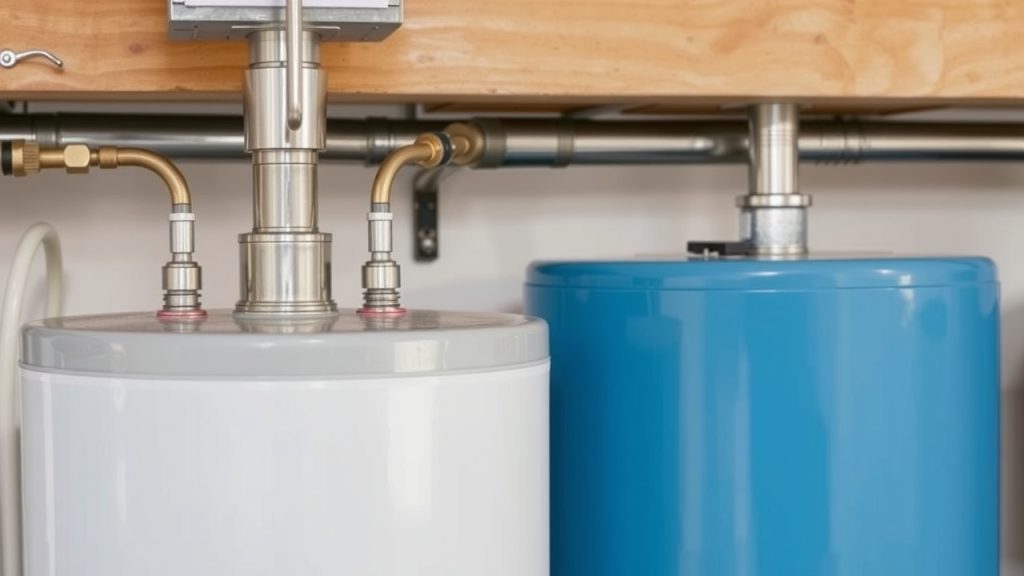
When you rely on your water heater for daily tasks, it can be frustrating to encounter issues. One common problem is water temperature fluctuations. You might notice that your showers start off hot but quickly turn cold, leaving you uncomfortable. This inconsistency can disrupt your routine and lead to stress.
Another issue to be aware of is strange noises coming from your water heater. You may hear popping, rumbling, or hissing sounds, which often indicate sediment buildup or other mechanical problems. These noises can be alarming and suggest that your water heater isn’t functioning as it should.
Strange noises from your water heater, like popping or rumbling, may signal sediment buildup or mechanical issues needing attention.
Addressing these issues promptly can save you time and money. By understanding these common problems, you can take the necessary steps to guarantee your water heater operates smoothly.
Regular maintenance can help prevent these frustrations, keeping your water heater reliable for all your needs.
Signs Your Water Heater Needs Repair
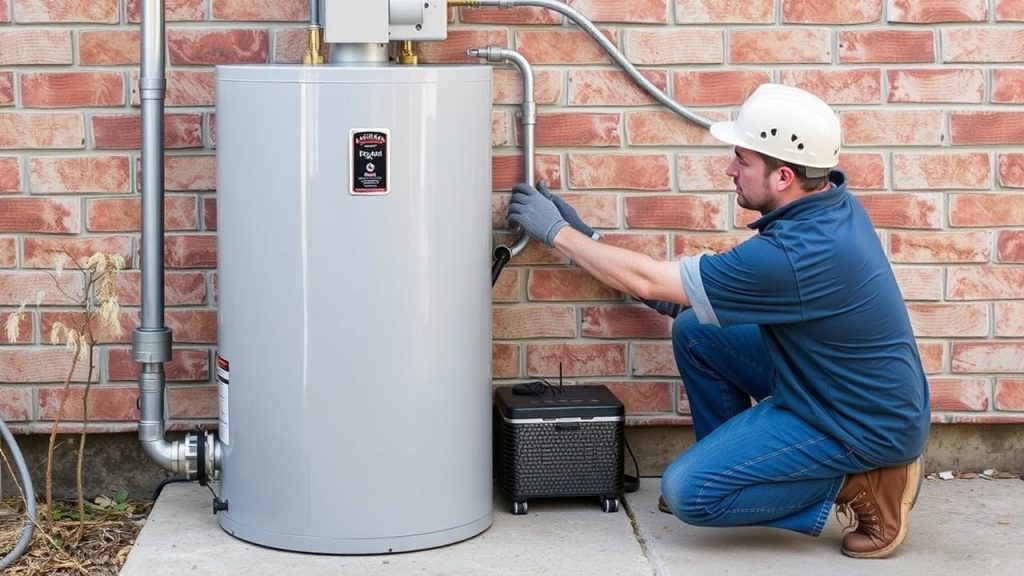
Have you noticed any unusual changes in your water heater’s performance? If your water temperature fluctuates unexpectedly or doesn’t reach the desired level, it’s a clear sign that something’s wrong.
You might also hear unusual noises—like popping, rumbling, or hissing—that indicate sediment buildup or other internal issues. These sounds can be a sign your heater’s components are under stress and might need attention.
Another red flag is rusty water; if you see discoloration, it could mean corrosion inside the tank. Additionally, if you spot leaks around the unit, it’s essential to act quickly to prevent further damage.
Finally, if your water heater is older than ten years, it’s wise to keep an eye on its performance, as aging units are more prone to issues. Recognizing these signs early can save you time, money, and a lot of hassle down the line.
Types of Water Heaters Explained
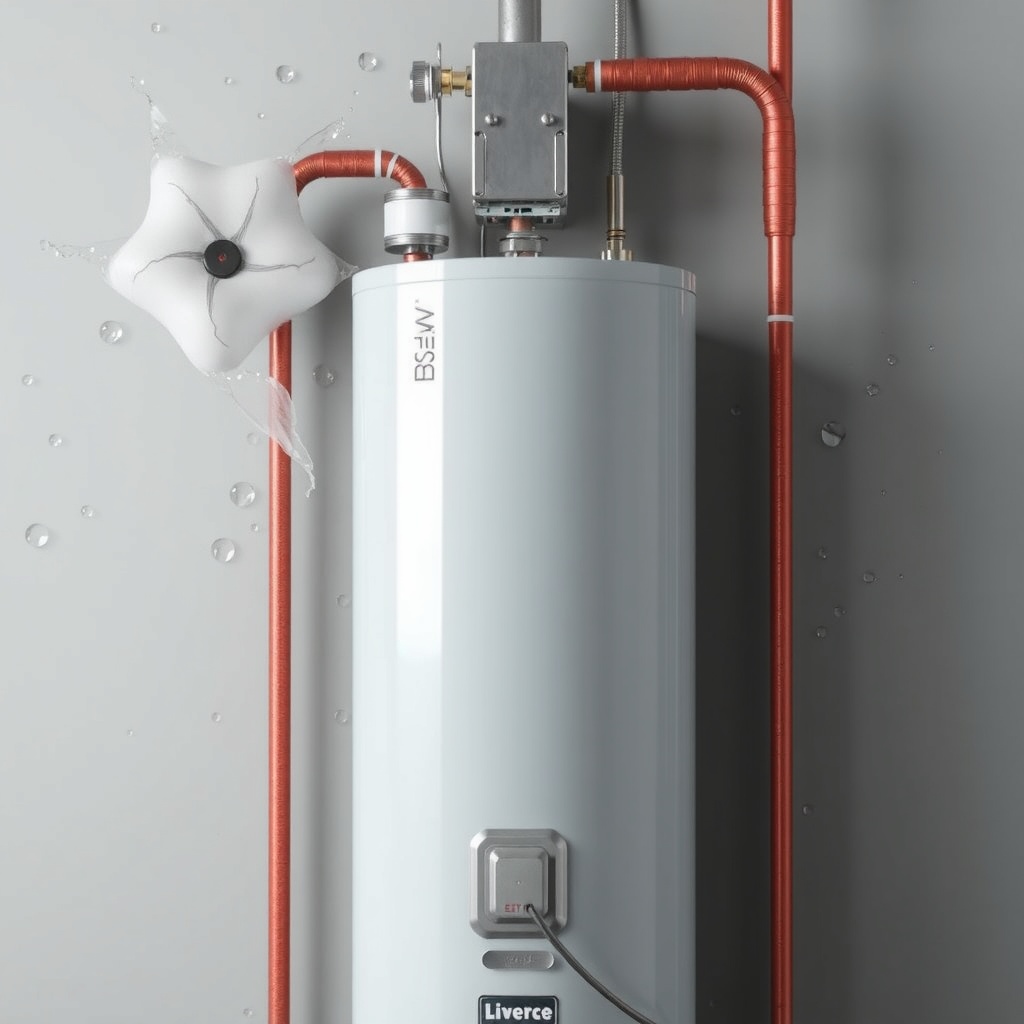
If you’ve noticed signs that your water heater needs repair, understanding the different types of water heaters can help you make informed decisions about replacements or upgrades.
Traditional tanks are the most common choice, offering reliable hot water storage but often coming with higher installation costs and lower efficiency ratings.
Tankless options heat water on demand, providing endless hot water but may require additional upfront investment.
Hybrid models combine the best of both worlds, using heat pump technology for better efficiency.
For an eco-friendly solution, solar heaters harness sunlight, though they may need backup systems for cloudy days.
Regardless of your choice, keep maintenance tips in mind, such as regular flushing and checking safety features to prolong the life of your water heater.
Choosing the right type based on your needs can greatly impact your home’s comfort and energy bills.
How to Troubleshoot Your Water Heater
If your water heater isn’t working properly, you can start by checking the power supply.
Make sure the temperature settings are adjusted correctly and look for any signs of water leaks.
These steps can help you identify and fix common issues quickly.
Check Power Supply Issues
Are you struggling to get hot water from your water heater? First, check the power supply, as power fluctuations or circuit issues might be the cause.
Start with breaker checks; a tripped breaker can cut off your energy source. If that’s not the issue, look for wiring problems or blown fuses, which may require fuse replacements.
Don’t forget to inspect safety switches, as they can prevent your unit from operating properly. If your water heater has a thermostat, consider that it may be malfunctioning.
Finally, verify your appliance compatibility with the power supply to avoid voltage drops. By systematically checking these aspects, you can often pinpoint the issue and get your hot water flowing again.
Inspect Temperature Settings
Check the temperature settings on your water heater to confirm it’s heating water to the desired level.
If the water isn’t hot enough, you might need to perform a temperature calibration or thermostat adjustment.
Here’s how you can troubleshoot:
- Locate the thermostat: Find the dial or digital display on your water heater.
- Check the current setting: Verify it’s set between 120°F and 140°F for peak performance.
- Adjust as needed: If it’s too low, carefully increase the temperature using the adjustment mechanism.
- Wait and test: After adjusting, allow the heater some time to reach the new setting before testing the water temperature again.
Examine Water Leaks
Water leaks can lead to significant damage and increased utility bills, so identifying them promptly is vital.
Start your leak detection process by checking the area around your water heater for any signs of moisture or puddles. Look for wet spots on the floor or corrosion on the heater itself.
If you notice any leaks, it’s important to determine their source—this could be from the inlet or outlet connections, the temperature and pressure relief valve, or even the tank itself.
Once you’ve pinpointed the issue, explore your repair solutions. Tightening connections or replacing faulty valves can often solve the problem.
If the leak persists, don’t hesitate to call a professional plumber for further assistance.
Why Regular Maintenance Is Key for Your Water Heater
Regular maintenance is essential for your water heater if you want to avoid unexpected breakdowns.
By staying on top of preventive care, you can extend your appliance’s lifespan and keep it running efficiently.
It’s a smart investment that pays off in the long run.
Preventive Care Benefits
Although many homeowners overlook their water heaters, scheduling regular maintenance can greatly extend the lifespan of this essential appliance.
Preventive maintenance and routine inspections help catch issues before they escalate, saving you time and money in the long run.
Here are some key benefits of regular care:
- Improved Efficiency: Well-maintained heaters use energy more effectively.
- Fewer Breakdowns: Routine checks can identify potential problems early.
- Enhanced Safety: Regular inspections reduce risks of leaks or hazardous situations.
- Consistent Performance: Keeping your heater in top shape guarantees reliable hot water supply.
Extending Appliance Lifespan
Your water heater plays an essential role in your home, and maintaining it can greatly extend its lifespan. Regular maintenance helps guarantee ideal water quality and efficiency. By implementing effective insulation techniques, you can minimize heat loss and reduce energy costs.
Here’s a quick overview of maintenance tasks:
| Maintenance Task | Frequency |
| Flush the tank | Annually |
| Check the anode rod | Every 2-3 years |
| Inspect the pressure relief valve | Annually |
| Replace filters | As needed |
| Insulate pipes | As required |
Is It Time to Replace Your Water Heater?
Wondering if it’s time to replace your water heater? Knowing when to upgrade can save you money and hassle.
Water heaters typically have a lifespan of 10-15 years. If yours is nearing that range, it might be time to think about a replacement.
Water heaters usually last 10-15 years; if yours is approaching this age, consider a replacement.
Here are some signs to watch for:
- Inconsistent water temperature: If your hot water isn’t reliable, it’s a red flag.
- Strange noises: Banging or popping sounds can indicate sediment buildup.
- Leaks or rust: Any signs of water around your heater may signal a bigger problem.
- Rising energy bills: Older models may not be as efficient, and efficiency upgrades can save you money.
If you notice any of these issues, consider evaluating your options.
Replacing your water heater could enhance your home’s comfort and efficiency, ensuring you have reliable hot water when you need it.
How to Choose the Best Water Heater for Your Home
Choosing the right water heater for your home starts with understanding your fuel options and the size you need.
Consider whether you’ll benefit more from electric, gas, or another fuel type based on availability and efficiency.
Then, think about your household’s hot water demands to guarantee you select a unit with the right capacity.
Fuel Type Considerations
When selecting a water heater, understanding the various fuel types is essential to making an informed decision.
You’ll want to weigh the pros and cons of each option to find what suits your home best. Here are some key considerations:
- Electric vs. Gas: Electric heaters are often easier to install, while gas options may heat water faster.
- Efficiency: Look for energy ratings to save on utility bills.
- Tankless Options: These provide hot water on demand, saving space and energy.
- Availability: Consider local fuel sources; gas may not be available in all areas.
Size and Capacity Factors
Understanding fuel types is just the start; selecting the right size and capacity for your water heater is equally important. You need to take into account your household’s hot water needs to determine the appropriate tank size. Here’s a simple guide to help you evaluate capacity requirements:
| Household Size | Recommended Tank Size |
| 1-2 People | 30-40 Gallons |
| 3-4 People | 40-50 Gallons |
| 5+ People | 50-80 Gallons |
Choosing the right tank size guarantees you won’t run out of hot water during peak usage. Assess your daily hot water consumption and match it with the recommended capacity to find the best fit for your home’s needs.
Energy Efficiency: Saving Money With the Right Heater
Many homeowners overlook the impact of energy-efficient heaters on their monthly bills. Choosing the right heater can greatly cut costs and improve your home’s efficiency.
Homeowners often underestimate how energy-efficient heaters can lower monthly bills and enhance overall home efficiency.
Here are some energy-saving tips to keep in mind when making heater comparisons:
- Look for Energy Star Ratings: These models meet strict efficiency guidelines set by the EPA.
- Think About Tankless Options: They heat water on demand, reducing energy waste.
- Insulate Your Heater: Proper insulation can help maintain water temperature and reduce energy use.
- Regular Maintenance: Schedule periodic check-ups to guarantee your heater runs efficiently.
When to Call a Plumber
Choosing the right heater can enhance your home’s efficiency, but knowing when to call a plumber is just as important for maintaining that efficiency. If you notice inconsistent water temperatures, leaks, or strange noises from your heater, it’s time to reach out for professional help.
Don’t let plumbing myths trick you into thinking you can handle everything yourself—some issues require expertise to avoid worsening the situation.
In emergency situations, like a burst pipe or a gas leak, calling a plumber immediately is essential. Delaying can lead to more damage and costly repairs.
Remember, your time and peace of mind matter. A skilled plumber can quickly diagnose the problem and provide the right solutions, ensuring your water heater operates efficiently.
Trust your instincts; if something feels off, don’t hesitate to seek help. You’ll save yourself time, money, and potential headaches down the road.
DIY vs. Professional Repairs: What You Should Know
While tackling minor plumbing issues on your own can be tempting, knowing when to call in a professional can save you time and money. Here are key points to evaluate:
- DIY Techniques: Simple repairs might be doable, but assess your skill level first.
- Professional Expertise: Pros have the know-how to handle complex issues and can avoid common mistakes.
- Cost Comparisons: Weigh the initial savings of DIY against potential future repairs if things go wrong.
- Safety Concerns: Some repairs involve risks that require emergency protocols better handled by a professional.
Don’t forget about warranty implications; many warranties require professional repairs to remain valid.
If a project demands significant time investment or specialized repair tools, it’s wise to call an expert.
Ultimately, a skill assessment can help you decide if it’s a DIY job or time to reach out for professional help.
How to Extend Your Water Heater’s Lifespan After Repairs
To extend your water heater’s lifespan after repairs, it’s essential to adopt a few maintenance habits.
Start by flushing the tank regularly to remove sediment buildup, which can reduce efficiency. Aim to do this at least once a year.
Another key water heater maintenance tip is to check the temperature setting; keeping it around 120°F can help prevent overheating and reduce energy costs.
Inspect the anode rod every couple of years; replacing it when it’s considerably corroded can help prevent rust and prolong the unit’s life.
Additionally, make sure to keep the area around your water heater clean and free of debris, as this promotes better airflow and efficiency.
Frequently Asked Questions About Water Heater Problems
What should you know when dealing with water heater problems? It’s essential to address issues promptly to avoid costly repairs.
Here are some common questions and answers that can help you navigate your concerns:
- What are the signs my water heater needs maintenance? Look for inconsistent temperatures, unusual noises, or leaks.
- How often should I flush my water heater? Regular flushing every six months helps prevent sediment buildup.
- Are there any common repair myths? Yes! Many believe that all leaks require a complete replacement, but often, minor repairs can do the trick.
- What are some water heater maintenance tips? Insulate your unit, check the pressure relief valve, and keep the area around it clear.
Frequently Asked Questions
Can I Install a Water Heater Myself?
You can attempt a DIY installation of a water heater, but consider safety considerations carefully. Make certain you understand local codes, follow manufacturer instructions, and guarantee proper connections to avoid potential hazards or costly mistakes.
What Are Typical Water Heater Sizes for Homes?
Typical water heater capacities range from 30 to 80 gallons, depending on your residential needs. Smaller households often require around 30-40 gallons, while larger families might need 50-80 gallons to guarantee ample hot water supply.
How Long Does a Water Heater Typically Last?
A water heater typically lasts 8 to 12 years. Factors affecting durability include maintenance, water quality, and usage patterns. Regular checks can help maximize your water heater lifespan, ensuring it runs efficiently and lasts longer.
What Permits Are Needed for Water Heater Installation?
You’ll need to check your local codes for specific permits required during water heater installation. Typically, installation regulations demand permits for plumbing, electrical work, and sometimes gas lines, ensuring everything meets safety standards.
Are Tankless Water Heaters Worth the Investment?
Yes, tankless water heaters are worth the investment. They offer tankless benefits like energy efficiency and long-term savings. Though installation costs are higher, lower maintenance and impressive flow rates make them a smart choice.
Final Thoughts
Water heater problems can escalate quickly—from inconsistent temperatures and strange noises to leaks that cause water damage. Staying proactive with routine maintenance, early troubleshooting, and timely repairs helps protect your home, improve efficiency, and extend the life of your system.
If your unit is acting up or you want expert help choosing the right solution, DNA Honest Plumbing is ready to assist. We provide professional water heater repair and dependable water heater installation to keep hot water reliable year-round. For urgent leaks or sudden loss of hot water, our team is available through 24/7 emergency plumbing services and fast-response emergency plumbing solutions.
Take action today—schedule service or request immediate support by visiting our Contact Us page or explore all available options on our Services page.