Skip to content
If your drains are slow, gurgling, or backing up, it’s time to pay attention. These signs signal potential blockages that can lead to costly plumbing issues. Unpleasant odors often point to trapped debris, while standing water can attract pests and damage your foundation. Regular inspections and maintenance can keep problems at bay. Staying ahead with timely drain cleaning guarantees a healthy home. Want to understand more about what you can do? There’s plenty to explore ahead.
Key Takeaways
- Slow Drains: Water pooling or gurgling noises indicate potential blockages that need timely inspection to prevent serious plumbing issues.
- Frequent Clogs: Multiple drains clogging often signal a major issue requiring immediate attention to avoid costly repairs down the line.
- Foul Odors: Unpleasant smells from drains usually mean trapped debris; regular cleaning helps eliminate odor sources and health risks.
- Standing Water: Accumulated water can promote harmful bacteria and weaken foundations, signaling urgent drainage needs to prevent flooding risks.
- Root Growth: Tree roots invading pipes can cause significant damage; regular inspections can help prevent costly repairs from root intrusion.
Is Your Drain Slow? Here Are the Signs
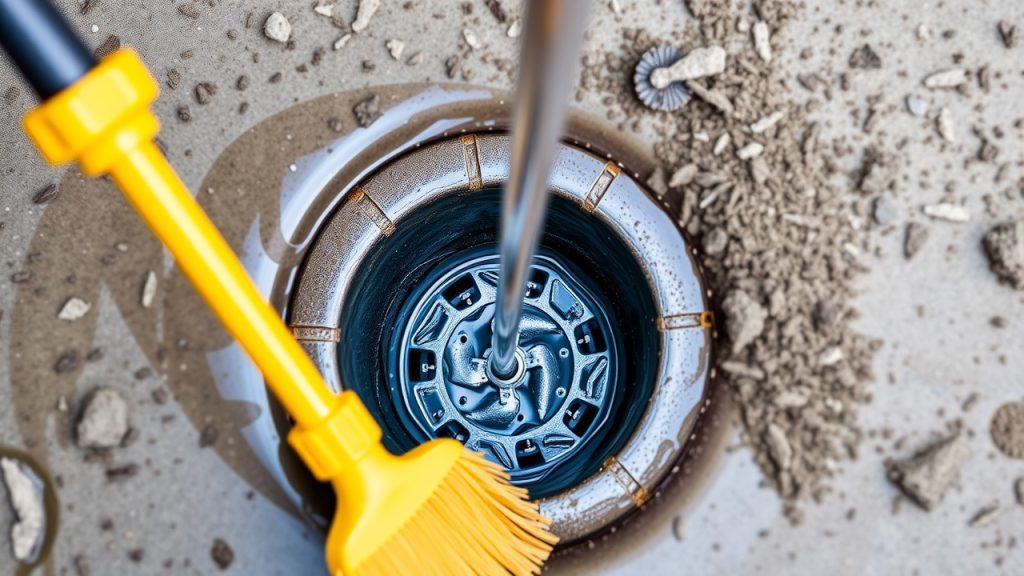
Have you noticed water pooling in your sink or tub? That could be a sign of slow drains, which may indicate underlying plumbing issues.
Pay attention to warning signs like gurgling noises or water backing up, as these are blockage indicators that your drain health is at risk. Early detection is essential; addressing these issues promptly can save you from costly repairs later on.
Pay attention to gurgling noises and water backups; early detection can prevent costly plumbing repairs.
To maintain drainage efficiency, consider these maintenance tips: regularly clean your drains, avoid putting grease or large food scraps down the sink, and use a drain strainer.
Being proactive in your home care can help prevent bigger problems down the line.
Stay aware of your plumbing system to guarantee it operates smoothly. By recognizing these signs and taking action, you can keep your drains flowing freely and maintain a healthy plumbing environment.
Gurgling Noises: What They Mean for Your Drains
Ever wondered why your drains suddenly start gurgling? This common sound often signals underlying plumbing concerns that shouldn’t be ignored.
Gurgling drains typically indicate trapped air in your plumbing system, usually caused by a blockage. When water tries to flow past the obstruction, it creates that distinctive gurgling noise.
Sound analysis of these noises can guide your drain maintenance approach. If you hear gurgling while using multiple fixtures, it might suggest a more significant issue, like a clogged sewer line.
Regular inspection and cleaning of your drains can prevent these problems from escalating.
Don’t wait for the sounds to worsen; addressing gurgling drains early can save you from costly repairs later.
Keep an ear out and stay proactive about drain maintenance. Ignoring these noises could lead to more severe plumbing issues down the line.
The Impact of Foul Odors in Your Plumbing
Foul odors in your plumbing can signal underlying issues that need your attention.
Common causes like build-up or trapped debris not only stink but can also pose health risks.
Common Causes Of Odors
While you mightn’t think much about odors in your plumbing, they can signal deeper issues that need attention. Common odor sources often include drain bacteria feeding on organic matter, like food particles and grease.
When these particles accumulate, they create a breeding ground for mold growth and emit foul smells. Stagnant water in your pipes can also contribute to unpleasant odors, as it allows bacteria to thrive.
Additionally, sewer gas can seep into your home if there’s a problem with your plumbing hygiene, leading to more serious concerns. Regular maintenance and timely drain cleaning can help eliminate these odor sources and keep your plumbing system healthy and odor-free.
Health Risks Involved
Unpleasant odors in your plumbing aren’t just a nuisance; they can pose serious health risks. Ignoring these smells can lead to significant hygiene concerns in your home.
Here are some health risks you should be aware of:
- Mold Growth: Foul odors can indicate moisture, leading to mold, which can trigger allergic reactions.
- Bacteria Proliferation: Stagnant water breeds bacteria, increasing contamination risks.
- Respiratory Issues: Exposure to mold spores and bacteria can cause respiratory problems, especially for those with existing conditions.
- Pest Attraction: Bad smells can attract pests, which may carry diseases, further elevating health risks.
Addressing foul odors promptly is essential to maintain a safe and healthy environment in your home.
Preventative Maintenance Tips
To keep your plumbing in top shape and prevent foul odors, regular maintenance is key. Start with simple drain maintenance tasks like clearing hair and debris from sink strainers and shower drains.
Use a mixture of baking soda and vinegar monthly to break down buildup and eliminate odors. Additionally, run hot water through your drains regularly to flush away any lingering residue.
Implementing preventative measures, like installing drain screens, can also help catch debris before it clogs your pipes.
Be mindful of what you dispose of in your sinks; avoid grease and large food particles. By taking these proactive steps, you can maintain fresh-smelling plumbing and reduce the risk of expensive repairs down the line.
Frequent Clogs: When to Be Concerned
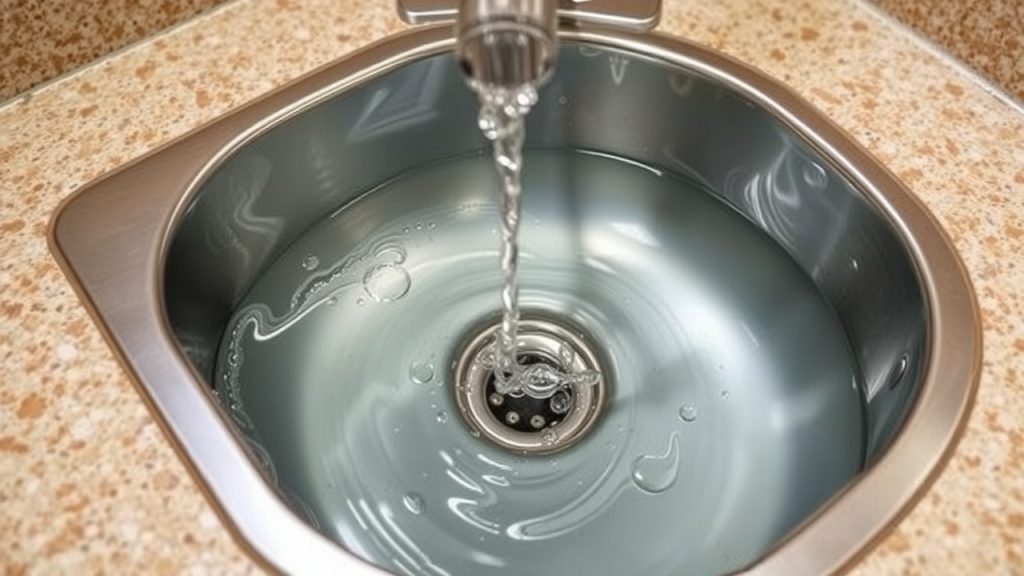
Have you ever wondered why your drains seem to clog more often than usual? Frequent clogs can be a major inconvenience, but they also serve as important warning signs that you shouldn’t ignore.
Here are some signs that might indicate you need to take action:
- Multiple drains clogging: If several drains are backing up, it’s a bigger issue than just one.
- Slow drainage: Noticeable delays when water drains can signal a buildup in pipes.
- Unpleasant odors: Foul smells often mean something’s stuck in your pipes.
- Repeated use of chemical cleaners: Relying on these can damage pipes and is a quick fix, not a solution.
For effective clog prevention, pay attention to these warning signs.
Addressing them early can save you time, money, and stress down the line.
Don’t wait until it’s too late!
Water Backup: A Major Red Flag
When you notice water backing up in your sinks or tubs, it’s more than just a nuisance; it’s a major red flag. This issue often indicates poor drainage, which can lead to bigger problems if left unaddressed.
Water backing up in sinks or tubs is a serious warning sign of poor drainage that shouldn’t be ignored.
Seasonal blockages, like leaves or debris, can easily clog your pipes, causing water to pool in your fixtures. Ignoring this sign can lead to unpleasant odors, mold growth, and even costly repairs.
You might find that the backup worsens with time, affecting multiple drains in your home. Pay attention to how often this occurs—if it’s frequent, it’s time to act.
Consider scheduling a drain cleaning to prevent further issues. By addressing the root cause, you can guarantee your plumbing system functions smoothly and efficiently.
Why Standing Water Is a Major Drainage Concern
Standing water poses a significant drainage concern because it often signals underlying plumbing issues. If you notice it around your property, it’s time to take action. Here are some reasons why you should be concerned:
- Water Stagnation: Standing water promotes the growth of harmful bacteria and mosquitoes, creating health risks.
- Moisture Management: Excess moisture can weaken your foundation, leading to costly property damage.
- Flood Risks: If left unchecked, standing water can lead to severe flooding during heavy rains, putting your home at risk.
- Ineffective Drainage Solutions: Ignoring standing water can indicate clogged drains, requiring immediate cleaning and maintenance.
Addressing standing water promptly helps you manage moisture effectively, safeguarding your property and minimizing potential damage.
Don’t wait; take steps today to guarantee your drainage system functions properly and reduces the flood risks associated with water stagnation.
How Tree Roots Can Invade Your Drains
Tree roots can sneak into your drains, causing major blockages and damage.
You might notice signs of invasion, like slow drains or unexpected backups.
Understanding root growth patterns is essential to preventing these issues before they escalate.
Root Growth Patterns
As you navigate your yard, it’s easy to overlook how tree roots can creep into your drainage system. Understanding root growth patterns helps you prevent costly blockages.
Here are four key points to contemplate:
- Root Expansion Effects: Roots naturally seek water, often invading pipes to access moisture.
- Invasive Species: Certain species have aggressive root systems that can damage your drains.
- Depth and Spread: Roots can extend far beyond the visible tree canopy, reaching underground pipes.
- Seasonal Growth: Roots typically grow more actively in spring and summer, increasing the likelihood of invasion.
Signs of Invasion
How can you tell if tree roots are invading your drains? Look for blockage signs like slow drainage or gurgling sounds in your pipes.
These symptoms might indicate root intrusion, a common issue caused by invasive species like trees seeking moisture. If you notice persistent sewer issues, it’s time for plumbing inspections to assess potential pipe corrosion from roots.
Ignoring these problems can lead to costly repairs. Regular plumbing maintenance is essential to prevent root pests from establishing themselves in your drainage system.
Consider drainage solutions like root barriers to protect your pipes. By staying vigilant and proactive, you can keep your drains clear and avoid the headaches of unexpected blockages.
How Grease Buildup Can Block Your Drains
When you cook, it’s easy to overlook the grease that accumulates in your kitchen sink. Over time, this grease can harden and create serious blockages, leading to slow drains or even backups.
Here are some grease removal techniques to keep your drains clear:
- Wipe Plates and Pans: Use a paper towel to wipe excess grease before washing dishes.
- Hot Water Flush: Pouring hot water down the drain can help break down grease.
- Vinegar and Baking Soda: This natural method clears minor clogs and neutralizes odors.
- Regular Maintenance: Schedule routine drain cleaning to prevent buildup.
Dealing With Frequent Toilet Overflows
Clogged drains aren’t the only plumbing issue that can disrupt your home; frequent toilet overflows can also lead to frustration and potential water damage. To tackle this problem, start with some essential toilet maintenance tips.
Regularly check for clogs by using a plunger or toilet auger to clear minor blockages. Avoid flushing anything other than toilet paper and waste to prevent buildup.
Implement overflow prevention strategies, such as installing a toilet tank fill valve, which can help regulate water levels. Additionally, inspect the flapper valve for leaks; a faulty flapper can cause continuous water flow, leading to overflows.
Lastly, confirm your toilet is properly aligned and securely fastened to the floor. By staying proactive with these tips, you can minimize the risk of overflows and keep your bathroom safe from water damage.
What Changes in Water Pressure Could Indicate?
Changes in water pressure can signal underlying plumbing issues that need your attention. If you notice pressure fluctuations, it’s essential to investigate further. Here are some signs to watch for:
- Low Water Pressure: If your faucets or showerheads have weak water flow, it could indicate a blockage or pipe issue.
- High Water Pressure: Excessive pressure can strain your plumbing system and lead to leaks or bursts.
- Inconsistent Flow: If the water flow varies unexpectedly, it might mean there’s an obstruction or a problem with your main supply line.
- Unusual Noises: Banging or whistling sounds when water flows could point to pressure issues or loose fittings.
Being aware of these changes helps you identify potential problems early, ensuring your plumbing remains efficient.
Don’t ignore these signs; they could save you from costly repairs down the line.
Why Regular Drain Maintenance Matters
While many homeowners overlook drain maintenance, regular attention to your plumbing can prevent serious issues down the line. Keeping an eye on your drain health guarantees that minor problems don’t escalate into costly repairs. By checking your drains frequently, you can spot clogs before they worsen, saving you time and money.
Regular maintenance helps you avoid unpleasant surprises, like backups or foul odors. It’s essential to establish a maintenance frequency that works for you—whether it’s monthly, quarterly, or biannually. This routine not only keeps your drains flowing smoothly but also extends their lifespan.
Investing a little time in your drains now means you won’t face bigger headaches later. So, make drain maintenance a priority. Your plumbing will thank you, and you’ll enjoy peace of mind, knowing you’ve taken steps to protect your home from potential plumbing disasters.
When to Call Professionals for Drain Cleaning?
How do you know when it’s time to call in the experts for drain cleaning? It’s essential to recognize the signs that indicate you need professional help, especially in emergency situations.
Here are four key indicators:
- Frequent Clogs: If you’re dealing with repeated blockages despite regular maintenance, it’s time to consult a pro.
- Unpleasant Odors: Foul smells emanating from your drains can signal deeper issues that require expert attention.
- Slow Draining: When water takes longer to drain, it might be a sign of a significant buildup or blockage.
- Backups: If wastewater is backing up into your home, it’s a clear indication that you need immediate assistance from professionals with the right qualifications.
Don’t wait until a minor issue turns into a major problem.
Waiting too long to address small issues can lead to bigger problems down the line. Act now to prevent costly repairs later.
Calling in experts can save you time, money, and frustration in the long run.
DIY Drain Cleaning: When It’s Safe and Effective
After identifying the signs that indicate when to call professionals, you might wonder if there are situations where you can tackle drain cleaning yourself. For minor clogs, DIY methods can be both safe and effective.
Start with natural alternatives like baking soda and vinegar, which can break down buildup without harsh chemicals. Simply pour them down the drain, let them sit, and flush with hot water.
If that doesn’t work, grab some effective tools such as a plunger or a drain snake. These tools can help dislodge stubborn clogs.
However, always assess the situation first. If you notice persistent issues or strange odors, it’s best to consult a professional.
How to Prevent Future Drain Issues
To keep your drains flowing smoothly and prevent future issues, regular maintenance is essential.
Establishing good plumbing habits can save you time and money in the long run. Here are four effective tips:
Establishing sound plumbing practices can lead to significant time and cost savings over time.
- Use Drain Screens: Install screens over your drains to catch hair, food particles, and debris.
- Be Mindful of What You Flush: Only flush toilet paper and human waste to avoid clogs.
- Avoid Grease Disposal: Never pour grease down the sink; it solidifies and leads to blockages.
- Schedule Regular Cleanings: Plan professional drain maintenance at least once a year to guarantee everything’s in top shape.
Why Regular Plumbing Inspections Are Key
While many homeowners underestimate the importance of regular plumbing inspections, these check-ups can prevent costly repairs down the line. By scheduling routine inspections, you can catch minor issues before they escalate. This proactive approach offers numerous plumbing benefits, including improved efficiency and extended lifespan for your systems.
So, how often should you schedule these inspections? Generally, an inspection frequency of once a year is recommended, but if you notice any signs of trouble—like leaks or unusual noises—don’t hesitate to call a professional sooner.
Regular inspections help you maintain your plumbing’s health, ensuring that everything runs smoothly. You’ll not only save money by avoiding major repairs but also enjoy peace of mind knowing your home is in good shape.
Don’t overlook the value of these essential check-ups; they’re key to protecting your investment and ensuring your plumbing works efficiently for years to come.
Common Myths About Drain Cleaning Debunked
You might think drain cleaning isn’t necessary or that chemical cleaners are safe for every situation, but that’s not always the case.
Many homeowners underestimate the importance of regular maintenance and the potential risks of harsh chemicals.
Let’s clear up these myths and get to the truth about keeping your drains in top shape.
Drain Cleaning Is Unnecessary
Many homeowners believe that drain cleaning is an unnecessary expense, assuming their pipes will function just fine without regular maintenance. This is one of the common drain myths and cleaning misconceptions that can lead to bigger problems down the line.
Here are four reasons why you shouldn’t skip drain cleaning:
- Prevent Blockages: Regular cleaning helps prevent clogs before they become serious.
- Extend Pipe Life: Routine maintenance can prolong the life of your plumbing system.
- Improve Hygiene: Clean drains reduce odor and bacteria buildup.
- Save Money: Investing in regular cleaning can save you from costly repairs later.
Understanding these points can help you realize that drain cleaning isn’t just a luxury—it’s essential for a healthy home.
Chemical Cleaners Are Safe
Homeowners often turn to chemical cleaners as a quick fix for drain issues, believing they’re safe and effective. However, it’s essential to evaluate the environmental impact of these products.
Many chemical cleaners contain harsh substances that can harm aquatic life and pollute water systems. When you compare their effectiveness to natural alternatives, you’ll find that many eco-friendly options can clear clogs without the detrimental side effects.
Additionally, frequent use of chemical cleaners can lead to pipe damage, causing more issues down the line. Understanding these facts helps you make informed choices.
How Seasonal Changes Affect Your Drainage System
As seasonal changes unfold, your drainage system faces various challenges that can impact its efficiency. Understanding these factors can help you maintain a clear and functional drainage system.
Here are four key issues to watch for:
- Seasonal Debris: Leaves and twigs accumulate in the fall, leading to blockages.
- Temperature Fluctuations: Rapid changes can cause pipes to expand and contract, increasing the risk of cracks.
- Heavy Rains: Excessive rainfall can overwhelm your drainage system, resulting in backups.
- Root Activity: Tree roots grow more actively in warmer months, potentially invading your pipes.
In winter, freezing conditions and ice formation can further complicate matters, while springtime brings heavy rains that can exacerbate existing issues.
What Will Drain Cleaning Cost?
When it comes to drain cleaning, understanding the costs can help you budget effectively.
Factors like the severity of the blockage and the type of service needed can impact the price.
On average, you can expect to see a range that reflects these variables, giving you a clearer picture of what to anticipate.
Factors Influencing Drain Costs
Understanding the factors that influence drain cleaning costs can help you make informed decisions about maintenance. Several key elements affect drain service pricing, and recognizing these can save you money in the long run.
- Severity of the issue: More complex blockages require additional resources.
- Cleaning frequency factors: Regular maintenance often results in lower costs compared to infrequent services.
- Location: Accessibility can impact labor costs; hard-to-reach areas may incur higher fees.
- Type of service: Basic cleaning might differ considerably from specialized treatments like hydro-jetting.
Average Price Ranges
Drain cleaning costs can vary widely, typically ranging from $100 to $400, depending on several factors.
To make an informed decision, consider the type of service you need and how often you require it. For example, a one-time cleaning might be on the lower end of the scale, while a more extensive job or regular maintenance can push costs higher.
Doing a cost comparison among local service providers can help you find the best deal. Additionally, if you maintain a regular service frequency, you might save money in the long run by preventing major clogs and issues.
Understanding these variables guarantees you’re prepared for potential expenses related to drain cleaning in your home.
Frequently Asked Questions
How Often Should I Schedule Professional Drain Cleaning Services?
You should schedule professional drain cleaning services at least once a year. Pay attention to signs clogs forming, like slow drainage or unusual odors, as these indicate it’s time to adjust your drain cleaning frequency.
Can I Use Chemical Cleaners for Regular Maintenance?
You can use chemical cleaners for regular maintenance, but their effectiveness varies. Consider alternative maintenance methods, like enzyme-based cleaners or physical drain snakes, to avoid potential damage and keep your drains flowing smoothly.
What Are the Environmental Impacts of Drain Cleaning Products?
Drain cleaning products can harm ecosystems. You should consider biodegradable options and eco-friendly alternatives, as they minimize toxicity and pollution. Choosing safer products helps protect water quality and supports a healthier environment for everyone.
How Do I Choose a Reliable Drain Cleaning Service?
To choose a reliable drain cleaning service, check customer reviews for quality feedback and compare service pricing. Look for transparent quotes and warranties, ensuring you get trustworthy service without hidden costs or surprises.
What Should I Do if My Drain Cleaning Doesn’t Resolve the Issue?
If your drain cleaning doesn’t resolve the issue, consider inspecting for drain blockage causes. You should also schedule a plumbing inspection to pinpoint deeper problems, ensuring you address the root cause effectively and prevent future issues.
Final Thoughts
Drain issues often start small but can escalate quickly if left unaddressed. Slow drainage, gurgling sounds, foul odors, standing water, or recurring clogs are all clear indicators that your drains need immediate attention. Acting early with timely drain cleaning helps protect your plumbing system, prevents water damage, and keeps your home safe and sanitary.
If you’re noticing any of these warning signs, DNA Honest Plumbing offers dependable solutions to resolve the problem at its source. Our team specializes in professional drain cleaning, powerful hydro jetting, and detailed camera line and sewer inspections to identify hidden blockages and long-term risks. For urgent situations, we also provide fast, reliable 24/7 emergency plumbing services across Metro Detroit.
Don’t wait for a minor drain issue to turn into a major repair. Schedule professional service today by visiting our Contact Us page or explore our full range of trusted plumbing services to keep your drains flowing smoothly year-round.