Skip to content
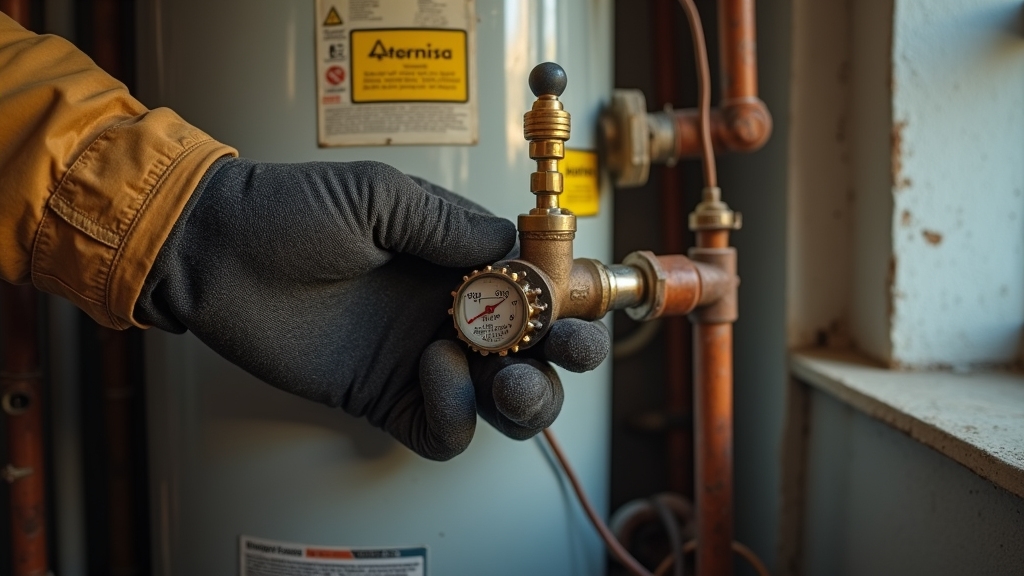
Start by keeping yourself safe: shut off power at the breaker, keep the area dry, and let the unit cool. If you’ve got no hot water, confirm gas vs. electric, then reset a tripped breaker, press the high-limit reset on electric models, or relight the pilot on gas units. If it’s leaking, close the cold-water inlet valve and power it down. Rumbles often mean sediment—flush the tank. Next, you’ll see when it’s time to call a pro.
Key Takeaways
- Shut off power at the breaker and let the heater cool before inspecting to avoid burns, gas exposure, or electrical shock.
- If leaking, close the cold-water inlet valve (or main shutoff), cut power, and use a bucket to contain water.
- Identify gas vs. electric: gas has a flue and gas valve; electric has no vent and a heavy electrical conduit.
- For no hot water on electric models, check the breaker and press the high-limit reset button behind the access panel.
- For gas models, check the pilot through the sight glass; relight if out, and call a pro for gas smells or soot.
Is It Safe to Troubleshoot Your Water Heater?
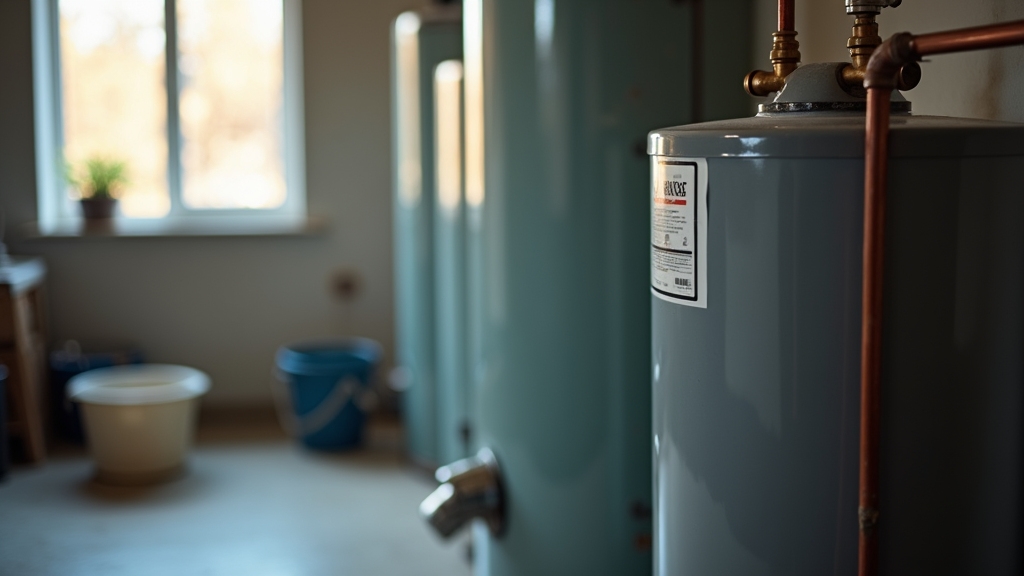
Before you start poking around your water heater, ask yourself: can you do it safely without risking burns, gas exposure, or electrical shock? If you can’t confidently answer yes, stop and call a pro.
Hot water and pressurized tanks can scald you fast, and hidden faults can turn a simple check into a serious incident.
Hot, pressurized tanks can scald in seconds, and hidden faults can turn a quick check into a serious hazard.
If you do proceed, follow strict safety precautions. Shut off power at the breaker, let the unit cool, and keep the area dry to prevent slips and shock.
Don’t remove sealed panels or disconnect wiring; you’re aiming for observation, not disassembly. Use a flashlight, not a lighter, and ventilate the space if you smell anything unusual. Wear gloves and eye protection, and keep kids and pets away.
Stick to basic DIY guidelines: verify shutoffs, look for leaks, and note error lights or sounds to report.
Is Your Water Heater Gas or Electric?
Not sure whether your water heater runs on gas or electricity? You can identify it fast by looking for a gas line, a vent pipe, or an electrical cable leading into the tank. Knowing your unit’s power source helps you choose the right parts, understand operating costs, and compare water heater types without guessing. When you weigh gas vs electric, focus on what you can observe on the unit and nearby connections.
| What you see | What it usually means |
| Flexible gas pipe and shutoff valve near the tank | It’s a gas model |
| Metal flue/vent pipe exiting the top and heading to a chimney/wall | It’s a gas model |
| No vent pipe; thick electrical conduit into the tank (often top/side) | It’s an electric model |
Check the rating plate on the side for “Gas” or “Electric” and the fuel input details. If anything looks modified or unclear, pause and confirm before ordering.
No Hot Water: Check Breaker, Reset, Pilot
Once you’ve confirmed whether your water heater is gas or electric, you can zero in on the quickest “no hot water” fixes: electric units often lose heat when a breaker trips or a high-limit reset pops, while gas units commonly stop heating when the pilot goes out or the igniter fails.
For electric models, check your panel for a tripped breaker and switch it fully off, then on. If it trips again, stop and call a pro.
Next, locate the access panel and press the red high-limit reset button; if it clicks, you’ve likely found the issue. Wait 30–60 minutes for recovery.
For gas units, look through the sight glass: if the pilot’s out, relight it using the manufacturer steps.
If you’ve got electronic ignition, listen for clicking; no click suggests a failed igniter or dirty burner.
These water heater troubleshooting checks solve many common heater issues fast.
Water Heater Leaking: Shut Off Water and Power
If you spot water pooling around your water heater or dripping from the tank, act fast: shut off the water supply and cut power to the unit to prevent flooding, electrical hazards, or further damage.
Turn the cold-water inlet valve clockwise until it stops, and if you can’t, shut off your home’s main water valve. For electric units, flip the breaker off; for gas units, set the control to OFF. Don’t touch wet electrical panels or cords.
Then assess where the leak appears: fittings, relief valve discharge, or tank seams. Place a bucket under drips and dry the area so you can track fresh water.
Tighten loose connections gently, but don’t force corroded parts.
- You protect your home by stopping pressure and flow first.
- You reduce risk by removing energy sources before troubleshooting.
- You support water heater maintenance and leak prevention by documenting the leak and calling a plumber if the tank’s compromised.
Water Heater Making Noise: Flush Sediment Fast
Sediment buildup can turn a normally quiet water heater into a rumbling, popping, or crackling nuisance, especially during a heating cycle. You’re hearing water trapped under mineral layers as the burner heats the tank, so fast flushing is your best noise reduction move.
| Step | What you do |
| Prep | Turn gas to pilot or switch power off; let water cool 20 minutes. |
| Drain | Close cold inlet, attach hose to drain valve, run to a floor drain. |
| Flush | Open a hot faucet, then open drain; briefly open cold inlet to stir and push grit out. |
| Finish | Close drain, remove hose, open cold inlet fully, purge air at a hot tap, then restore power/gas. |
If the valve clogs, stop, close it, and cycle the inlet in short bursts to dislodge debris. Flush yearly to limit sediment buildup and keep it quiet.
Water Not Hot Enough: Fix Thermostat Settings
If your water’s not hot enough, start by checking your water heater’s current thermostat setting.
Adjust the temperature in small, safe increments and follow the unit’s access-panel and power-off steps as needed.
Then run hot water after the change and confirm the temperature improves without getting scalding.
Check Current Thermostat Setting
Wondering why your hot water still feels lukewarm? Start by checking your water heater’s current thermostat setting, because a bumped dial or incorrect reading can quietly limit heat output.
For electric units, you’ll compare the two element thermostats; for gas units, you’ll confirm the control knob’s marked setting. This is basic temperature troubleshooting, and it helps you decide whether you’re facing a setting issue or something deeper like a faulty sensor.
- Find the thermostat label and note the exact number or position, not just “warm/hot.”
- Compare that setting to the tap-water temperature you’re actually getting after a full heat cycle.
- Watch for signs of poor thermostat calibration, like big swings between showers or inconsistent sink temperatures.
Adjust Temperature Safely
Before you turn the dial up, adjust your water heater temperature in small, controlled steps so you get reliably hot water without creating a scald hazard. Shut off power or set gas to “pilot,” then remove the access panel if needed. Use a screwdriver on the thermostat, and move it one notch at a time. Aim for about 120°F for most homes; go higher only if you understand the burn risk. For dual-element electric units, match both thermostats so one doesn’t overwork. If the dial seems inaccurate, do a careful thermostat calibration by aligning settings to the manufacturer marks and tightening loose screws. Replace insulation and covers before restoring power.
| Step | What you do |
| 1 | Cut power/gas safely |
| 2 | Make temperature adjustment |
| 3 | Match upper/lower dials |
Test After Adjustment
After you’ve adjusted the thermostat, run a controlled hot-water test to confirm the new setting actually fixes the “not hot enough” problem.
Let the heater recover for 30–60 minutes, then open a hot tap fully for two minutes. Measure the water with a cooking thermometer at the stream, not the sink wall. If the reading doesn’t match your target, you may need thermostat calibration or to balance upper and lower elements on electric models.
- Test the first draw and a second draw 10 minutes later to check recovery.
- Note the temperature swing; big drops can indicate sediment or a failing element.
- Watch for scald risk; don’t exceed safe settings during performance testing.
Running Out of Hot Water: Recovery vs Capacity
Although it might feel like your water heater simply can’t keep up, running out of hot water usually comes down to two factors: capacity and recovery.
Capacity is how many gallons your tank can store, while recovery is how fast it reheats new water after you use it. If you drain the tank with back-to-back showers, you’ve hit a capacity limit. If you run out during a single long shower, your recovery rate may be too slow.
Running out after back-to-back showers points to tank capacity; losing heat mid-shower suggests slow recovery.
To tell which one you’re facing, track timing. If hot water returns quickly after a short wait, the tank’s size is likely the issue. If it takes a long time to bounce back, focus on recovery: check that the thermostat isn’t set too low, avoid simultaneous heavy uses (laundry plus showers), and reduce demand with low-flow showerheads.
You’ll stretch hot water without major changes.
When to Call a Water Heater Pro Immediately
If you spot active leaks or any flooding around your water heater, you should shut off the water supply (and power) and call a pro right away.
If you smell gas or notice soot near the unit or venting, leave the area and contact your gas utility and a licensed technician immediately.
These warning signs can escalate fast, so don’t wait or try a DIY fix.
Active Leaks Or Flooding
When your water heater starts actively leaking or you spot pooling water around the tank, treat it as an urgent problem, not a “wait and see” situation.
Water can quickly damage flooring, drywall, and wiring, so you need fast action and a pro’s assessment.
First, shut off the cold-water supply valve to the heater, then cut power at the breaker (or set the unit to OFF).
If water keeps rising, close the home’s main shutoff and start draining to a safe location.
Don’t ignore “small” drips—smart leak detection often reveals pressure issues, failed valves, or a corroded tank.
- You reduce repair costs with early flood prevention
- You protect electrical areas from water exposure
- You confirm whether the tank’s integrity has failed
Gas Smell Or Soot
Gas odor near your water heater or black soot on the burner area signals a combustion or venting problem that can put your household at immediate risk.
If you notice a gas odor, don’t try to relight the pilot, adjust valves, or troubleshoot with a flame. Turn the control to OFF if you can do it safely, open windows, and leave the area. Avoid switching lights or using phones nearby, since sparks can ignite gas.
If you see soot buildup, it often means incomplete combustion, a blocked flue, or backdrafting that can spill carbon monoxide into your home. Shut the unit down and call a licensed water heater pro right away.
Also contact your gas utility or emergency services if the smell is strong.
Frequently Asked Questions
How Long Does a Typical Water Heater Last Before Replacement?
A typical water heater lasts about 8–12 years, though your water heater lifespan varies by maintenance and water quality. You’ll spot signs replacement needs: rusty water, leaks, rumbling noises, rising bills, inconsistent hot water.
What Water Heater Size Do I Need for My Household?
You choose water heater capacity by matching peak hot-water demand to household size: 30–40 gallons for 1–2 people, 40–50 for 2–3, 50–80 for 3–5. Add size for soaking tubs.
Why Does My Hot Water Smell Like Rotten Eggs?
Your hot water smells like rotten eggs because sulfur bacteria in the tank create hydrogen sulfide gas, often reacting with the anode rod. You can flush the heater, disinfect it, or replace the rod.
Can I Install an Expansion Tank Myself, and When Is It Needed?
You can install an expansion tank yourself if you’re comfortable with pipes; follow Expansion tank installation steps and DIY plumbing tips. You need one when you have a closed system, pressure spikes, or a backflow preventer installed.
How Do I Prevent Future Water Heater Problems With Regular Maintenance?
You prevent future water heater problems by scheduling annual water heater inspections, flushing sediment, testing the T&P valve, checking the anode rod, and setting temperature to 120°F. Follow these maintenance tips and fix leaks promptly.
Final Thoughts
You can safely handle some water heater hiccups on your own—as long as you respect the risks and know when to stop. Start by keeping yourself safe: shut off power, gas, and water before you inspect anything, then confirm whether you’ve got a gas or electric unit. From there, you can tackle the basics: checking a tripped breaker or high-limit reset, confirming the pilot light, adjusting thermostat settings, and flushing sediment if you hear rumbling. But if leaks appear, gas smells show up, scorch marks appear around the burner, or your quick fixes don’t last, that’s your signal to pause the DIY and call in a professional.
If you’re in Metro Detroit and need fast, reliable help, DNA Honest Plumbing is ready to step in. Our licensed techs handle everything from targeted water heater repair and new water heater installation to full-system diagnostics and safety checks as part of our comprehensive plumbing services. When a problem can’t wait—like active leaks, no hot water, or gas and soot concerns—our 24/7 emergency plumbing services are available to protect your home and restore hot water safely.
Don’t wait for a small warning sign to turn into a flooded floor or a full system failure. If you’re dealing with a water heater issue right now—or want a pro to catch problems early—learn more about DNA Honest Plumbing, then reach out through our contact page to schedule service or request immediate help. A quick call or message today can keep a manageable water heater problem from becoming a major, expensive emergency.