Clogged drains are more than just a nuisance, they can disrupt business operations, frustrate tenants, and even lead to costly repairs if ignored. For small business owners, developers, and residents alike, understanding how to prevent recurring clogs is essential for keeping plumbing systems running smoothly. Whether you manage a busy café, oversee a multi-unit building, or simply want to avoid the hassle of frequent blockages at home, proactive maintenance is key. Drain cleaning services in Sterling Heights MI are in high demand for a reason: persistent clogs are a common challenge in this community, but they don’t have to be inevitable. By learning the causes of clogs, adopting smart habits, and leveraging professional expertise, you can protect your property’s plumbing, save money, and maintain a healthier environment for everyone who relies on your pipes. In this guide, we’ll explore practical, actionable strategies to prevent recurring clogs, so you can focus on what matters most, not on slow drains or emergency calls.
Understanding the Root Causes of Persistent Drain Clogs
Before you can effectively prevent recurring clogs, it’s important to recognize what causes them in the first place. In most plumbing systems, blockages develop gradually as debris, grease, soap scum, and other materials accumulate inside the pipes. Common culprits include food scraps, coffee grounds, hair, and even certain hygiene products that are mistakenly flushed or rinsed down drains. Over time, these substances stick to pipe walls, narrowing the passage and slowing water flow. In commercial spaces, additional factors like heavy usage, improper disposal of waste, and lack of regular maintenance can accelerate the problem.
Environmental factors also play a role. In the region, seasonal changes can impact plumbing performance, spring thaws and heavy rains may introduce silt or tree roots into underground lines, while winter freeze-thaw cycles can cause older pipes to shift or crack. Understanding these root causes allows property owners and managers to tailor their prevention strategies for maximum effectiveness. For expert advice and solutions tailored to your specific situation, consider consulting with DNA Honest Plumbing, who understand the unique challenges faced by local plumbing systems.
How Routine Maintenance Stops Clogs Before They Start
Routine maintenance is the cornerstone of clog prevention. Just as you wouldn’t skip oil changes for your car, your plumbing system needs regular attention to function at its best. Scheduled inspections and cleaning can catch buildup before it becomes a major blockage. For businesses, this might mean monthly or quarterly drain checks, while homeowners may benefit from annual assessments. Key components of effective maintenance include flushing drains with hot water, using enzyme-based cleaners to break down organic matter, and physically removing debris from accessible traps and strainers.
Professional plumbers often recommend hydro jetting for stubborn buildup, a method that uses high-pressure water to scour pipes clean. This technique is particularly effective for commercial kitchens and older buildings where grease and sediment are persistent issues. By investing in regular maintenance, property owners can extend the lifespan of their plumbing, reduce emergency repair costs, and ensure uninterrupted service. To learn more about advanced cleaning methods, check out Hydro Jetting for Stubborn Drain Buildup in Sterling Heights, MI.
Best Practices for Everyday Drain Use
The habits of those who use your plumbing system daily have a huge impact on whether clogs become a recurring headache. Simple behavioral changes can go a long way toward keeping pipes clear. In kitchens, avoid pouring fats, oils, and grease down the drain, these substances solidify as they cool, forming sticky blockages. Instead, collect grease in a container and dispose of it in the trash. Use sink strainers to catch food scraps and empty them regularly. In bathrooms, install hair catchers in showers and tubs, and remind users not to flush anything except toilet paper.
For businesses, staff training is crucial. Make sure employees know what should and shouldn’t go down the drain, especially in food service or high-traffic restrooms. Post clear signage near sinks and toilets to reinforce best practices. For property managers, regular tenant communication can help prevent misuse and encourage prompt reporting of slow drains or minor backups before they escalate. If you’re looking for reliable, ongoing support, Drain Cleaning Services in Sterling Heights, MI That Keep Pipes Flowing are available to help keep your system in top shape.
Recognizing Early Warning Signs of Drain Trouble
Preventing recurring clogs isn’t just about what goes down the drain, it’s also about paying attention to your plumbing’s signals. Early detection can make the difference between a quick fix and a full-blown emergency. Common warning signs include slow-draining sinks, gurgling noises, unpleasant odors, and water backing up in unexpected places. These issues often indicate a developing blockage or a venting problem that, if left unaddressed, can lead to major disruptions.
Business owners and property managers should encourage staff and tenants to report these symptoms promptly. A proactive response, such as scheduling a professional inspection or cleaning, can prevent the situation from worsening. For homeowners, keeping an eye on all drains, not just the most frequently used ones, helps catch problems early. By recognizing and acting on these warning signs, you can avoid costly repairs and maintain a smoothly operating plumbing system.
The Role of Professional Inspections in Preventing Recurring Clogs
While DIY efforts and good habits are essential, nothing replaces the expertise of a professional plumber when it comes to preventing persistent clogs. Regular inspections using specialized equipment can reveal hidden issues such as tree root intrusion, pipe corrosion, or improper slope that might otherwise go undetected. Video camera inspections, for example, allow plumbers to see inside pipes without invasive digging, pinpointing the exact location and nature of blockages.
These inspections are especially valuable for commercial properties and older homes, where plumbing systems may have unique vulnerabilities. By identifying and addressing problems early, professionals can recommend targeted solutions, whether that’s a simple cleaning, a pipe repair, or an upgrade to more durable materials. Scheduling annual or biannual inspections is a smart investment for anyone serious about long-term plumbing health.
Choosing the Right Drain Cleaning Methods for Your Property
Not all drain cleaning methods are created equal, and choosing the right approach can make a significant difference in preventing future clogs. Chemical drain cleaners, while convenient, can damage pipes over time and are often only a temporary fix. Mechanical methods, such as snaking or augering, physically remove blockages but may not address the buildup along pipe walls. Hydro jetting, on the other hand, provides a thorough cleaning by using high-pressure water to scour away debris, grease, and even tree roots.
For small businesses and multi-unit properties, a combination of methods may be necessary to handle varying types of clogs. Consulting with a professional ensures that the chosen technique is safe for your plumbing materials and effective against the specific issues you’re facing. Investing in the right cleaning method not only clears current blockages but also helps prevent their return, saving time and money in the long run.
How Plumbing System Design Impacts Clog Prevention
The design and age of your plumbing system play a crucial role in how susceptible it is to recurring clogs. Older pipes may have rough interiors or corrosion that traps debris more easily, while poorly designed layouts can create areas where waste naturally accumulates. Modern plumbing systems, with smoother materials and strategic venting, are less prone to blockages and easier to maintain.
For developers and property managers, investing in quality materials and thoughtful design during construction or renovation pays off in reduced maintenance costs and fewer emergencies. Retrofitting older buildings with updated piping or adding cleanouts for easier access can also make a big difference. If you’re unsure about your system’s design, a professional assessment can identify vulnerabilities and suggest improvements tailored to your property’s needs.
Comparing DIY and Professional Drain Maintenance
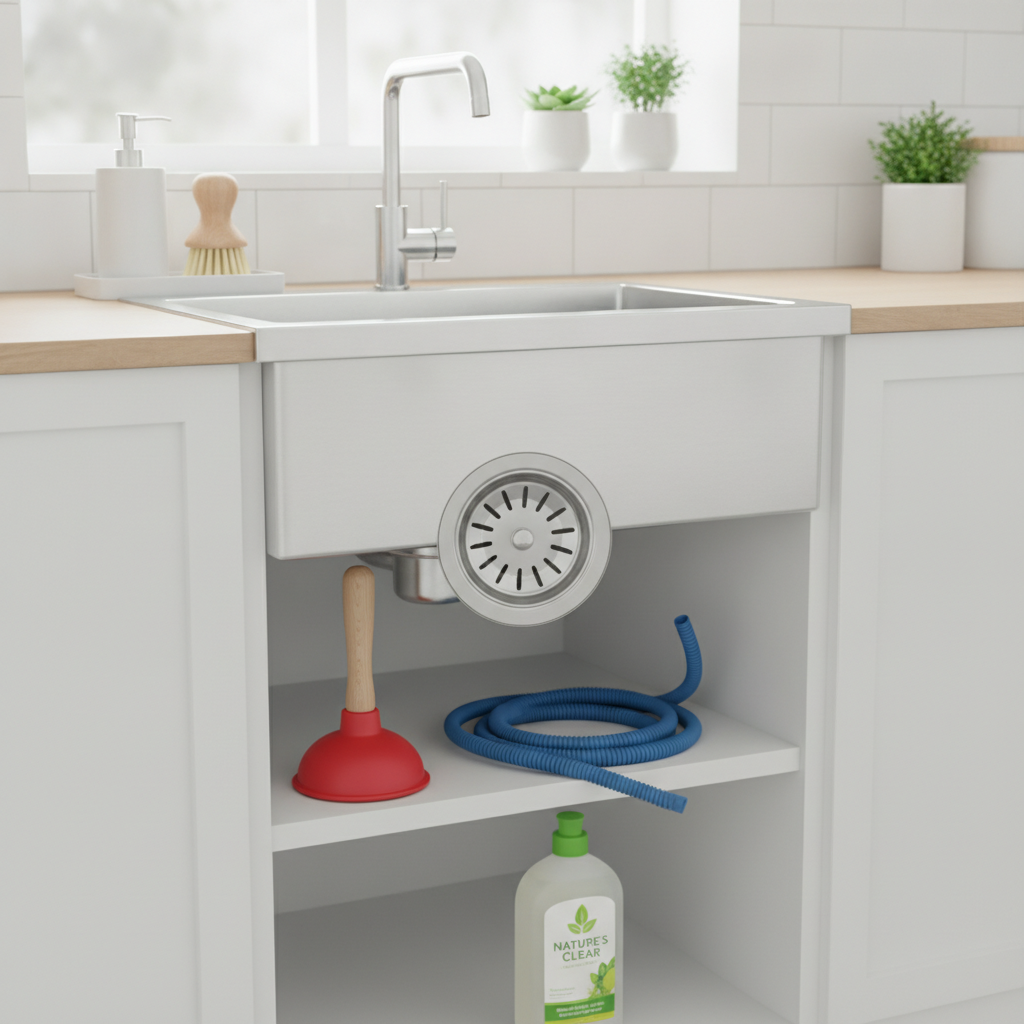
Many property owners are tempted to tackle drain maintenance themselves, but it’s important to understand the limitations of DIY solutions. While plungers, drain snakes, and home remedies can resolve minor clogs, they rarely address the underlying causes of recurring blockages. Overuse of chemical cleaners can harm pipes and the environment, while improper use of tools can lead to accidental damage.
Professional drain cleaning services offer a deeper level of care, utilizing advanced equipment and techniques to thoroughly clean and inspect plumbing systems. Experts can also provide valuable advice on maintenance schedules and preventive measures tailored to your property. For most businesses and larger residential buildings, partnering with a trusted plumber is the best way to ensure long-term reliability and minimize the risk of repeat issues.
The Impact of Local Regulations and Environmental Factors
Local plumbing codes and environmental conditions can influence how you approach clog prevention. In the area, regulations may dictate acceptable materials for pipes, backflow prevention requirements, and standards for grease traps in commercial kitchens. Staying informed about these rules helps property owners avoid violations and ensures that plumbing upgrades or repairs are compliant.
Environmental factors, such as the region’s freeze-thaw cycles, heavy rainfall, and tree root growth, also affect plumbing performance. For example, properties with large trees nearby should be vigilant about root intrusion, while those in low-lying areas may need to guard against flooding and silt buildup. By understanding the local context and working with professionals familiar with the community’s unique challenges, you can develop a more effective, customized prevention plan.
Table: Common Causes of Recurring Clogs and Solutions
| Cause | Description | Solution |
|---|---|---|
| Grease and Fat Buildup | Oils and fats solidify in pipes, restricting flow. | Dispose of grease in trash, use enzyme cleaners, regular professional cleaning. |
| Hair Accumulation | Hair binds with soap and debris, forming tough clogs. | Install hair catchers, clean traps regularly. |
| Foreign Objects | Non-flushable items block pipes and cause backups. | Educate users, post signage, use strainers. |
| Tree Root Intrusion | Roots enter pipes through cracks, causing major blockages. | Schedule regular inspections, use root barriers, professional removal. |
| Pipe Corrosion | Aging pipes corrode and trap debris more easily. | Upgrade piping, schedule professional assessments. |
Final Thoughts
Recurring clogs don’t have to be a fact of life for property owners, business managers, or residents in this city. By understanding the underlying causes, adopting smart daily habits, and investing in routine maintenance and professional support, you can keep your plumbing system flowing freely year-round. Remember, prevention is always more cost-effective than emergency repairs. Whether you’re overseeing a commercial property, developing new construction, or simply want peace of mind at home, a proactive approach to drain care pays off in reliability, savings, and fewer headaches. Stay vigilant, communicate with users, and don’t hesitate to call in the experts when needed, your pipes, and everyone who relies on them, will thank you.