Skip to content
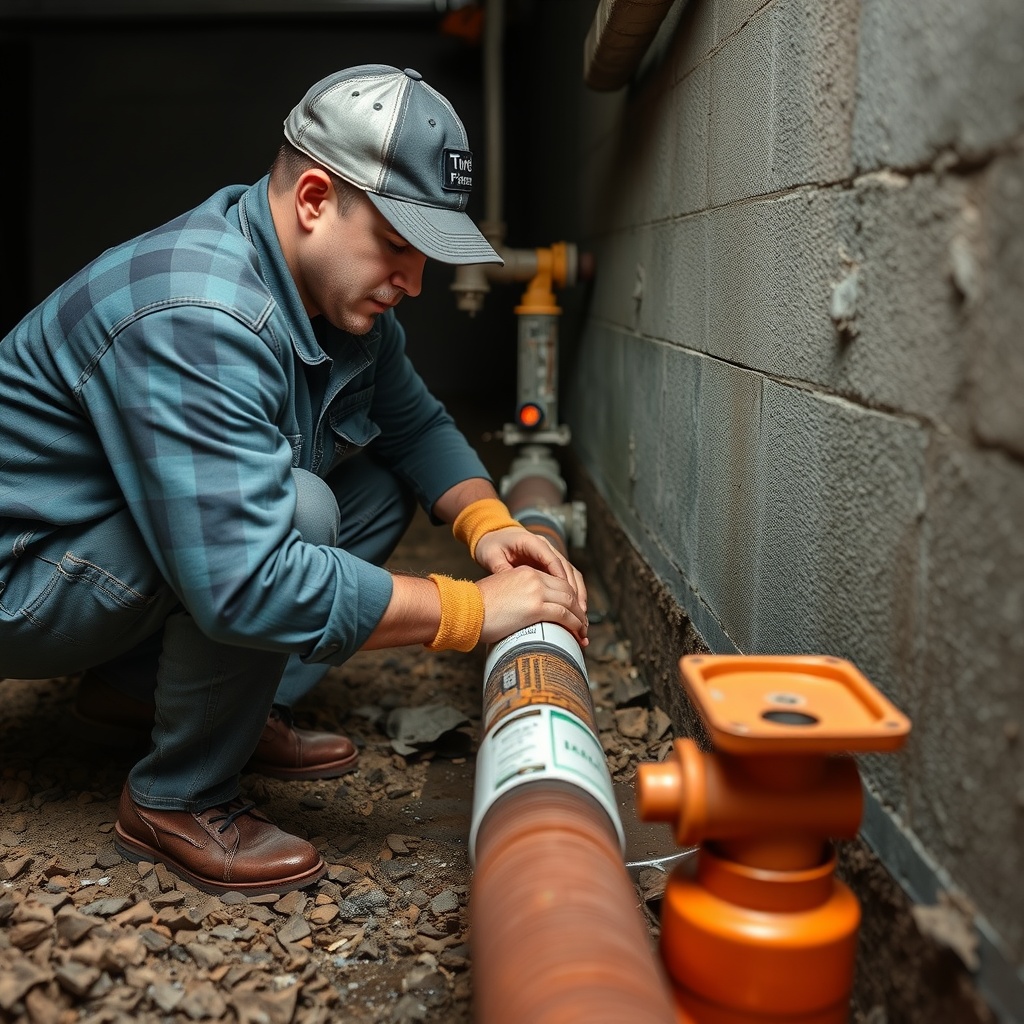
You’re facing a sewage backup, so act fast. Identify the cause and signs, like bad smells and water damage. Assess the damage, turn off utilities, and ventilate the area. Wear protective gear and choose the right equipment for cleanup. You’ll need to disinfect, control moisture, and inspect your plumbing. By following these essential steps, you’ll be on your way to repairing the backup, and taking a few more steps can guarantee your home is safe and secure again.
Key Takeaways
- Identify sewage backup causes and signs immediately.
- Assess damage and safety risks to create a plan.
- Turn off utilities and ventilate the area.
- Wear protective gear for safe cleanup and disinfection.
- Inspect plumbing and maintain the system regularly.
Understanding Sewage Backup Causes
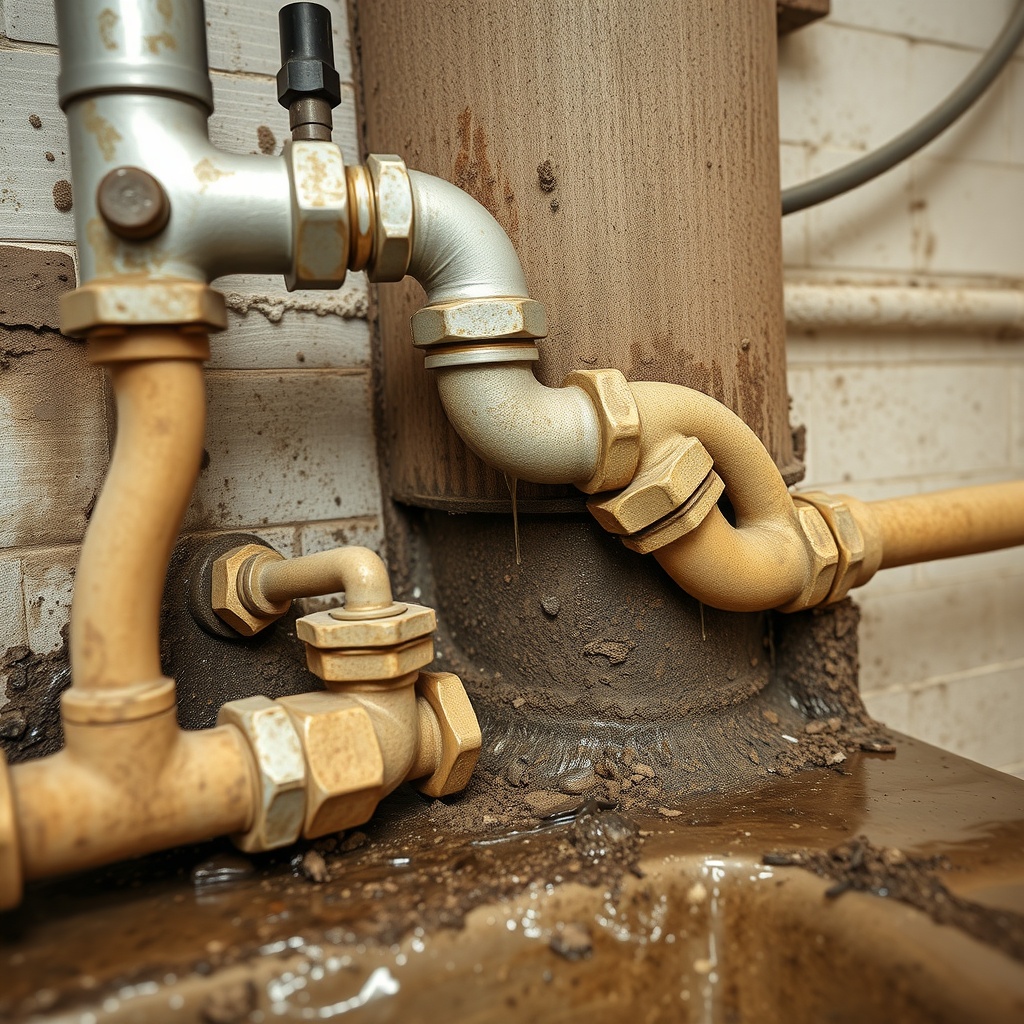
You’ll encounter various issues when dealing with sewage backup, but understanding its causes is key to preventing future occurrences.
It’s crucial to recognize that a faulty sewage system can lead to significant problems. You might experience plumbing issues, such as clogged drains or overflowing toilets, which can indicate a more substantial problem.
If you don’t address these issues, they can cause sewage to back up into your home. You should identify potential causes, like tree roots invading your sewage system or poor maintenance, to take corrective action.
By understanding the causes of sewage backup, you can take proactive steps to prevent it, reducing the risk of costly repairs and health hazards.
Regularly inspecting your sewage system and addressing plumbing issues promptly can help you avoid these problems. This knowledge will help you maintain a safe and healthy home.
You’ll be better equipped to handle emergencies.
Identifying Signs Of Sewage Backup
You’re looking for signs that indicate a sewage backup has occurred, and you’ll likely notice sewage smells coming from your drains or toilets.
As you inspect your property, you’ll also see visible damage, such as water stains or warped flooring, that can help you identify the issue.
You’ll need to evaluate the backup causes, like clogged pipes or heavy rainfall, to understand what’s happening and how to address it.
Sewage Smells
When sewage backup occurs, it often announces its presence with a strong, unpleasant odor that can’t be ignored.
You’ll likely notice sewage odors coming from your drains or toilets.
To prevent smells, consider:
- Checking your plumbing system regularly
- Keeping your drains clear of debris
- Inspecting your sewer lines for damage.
Preventing smells is key to avoiding sewage backup.
You can’t ignore sewage odors, as they indicate a serious issue that requires prompt attention to prevent further damage and health risks.
Visible Damage
Sewage backup can wreak havoc on your home, and it’s not just the smell that’s a problem – visible damage is often a clear sign that something’s gone terribly wrong.
You’ll notice water stains, warping, or discoloration on walls and floors. To address this, you’ll need to conduct a visible damage assessment to determine the extent of the damage.
This assessment will help you prioritize the visible damage repair tasks, such as replacing damaged materials or cleaning contaminated areas.
Backup Causes
Clogged drains and cracked pipes can trigger a sewage backup, causing chaos in your home. You can prevent this by taking backup prevention measures. Regular plumbing maintenance is key.
- Check your drains regularly
- Fix leaks promptly
- Clear tree roots from pipes to avoid clogs.
Assessing Damage And Safety Risks
You’re likely dealing with a messy situation, and at least one room in your home is affected by the backup.
Now, it’s time to evaluate the situation. You’re doing a damage evaluation to determine what’s affected and what needs repair. This involves checking for structural damage, ruined belongings, and contamination.
You must also do a safety evaluation to identify potential hazards. You’re looking for risks like electrical issues, slippery floors, and exposure to sewage-borne pathogens.
By evaluating the damage and examining safety risks, you can create a plan to safely restore your home. You’ll know what to prioritize and how to protect yourself and others from harm.
This evaluation is essential in ensuring a successful sewage backup repair.
Turning Off Utilities And Ventilation
You’ll need to shut off the power to prevent any electrical accidents or fires.
As you’re doing this, you should also open windows to ventilate the area and reduce the risk of inhaling toxic fumes.
Shut Off Power
Several key steps are involved in shutting off power during a sewage backup, and it’s essential that you take them to guarantee your safety.
You’ll need to identify all power sources and take necessary safety measures. To shut off power, consider:
- Locating main circuit breakers
- Switching off individual outlets
- Unplugging appliances to prevent damage, ensuring your safety while handling electrical systems and power sources.
Open Windows
Fresh air from open windows can help mitigate the effects of a sewage backup.
You’re creating a safer environment by allowing fresh airflow to circulate. Open windows improve air circulation, reducing the risk of further contamination. This helps you breathe easier while evaluating the damage.
By opening windows, you’re taking an essential step in ventilation, which is vital for sewage backup repair. You’re ensuring a healthier space to work in, and it won’t take long to notice the difference fresh air makes.
It’s a simple yet effective step in the repair process, enhancing overall air quality.
Wearing Protective Gear For Cleanup
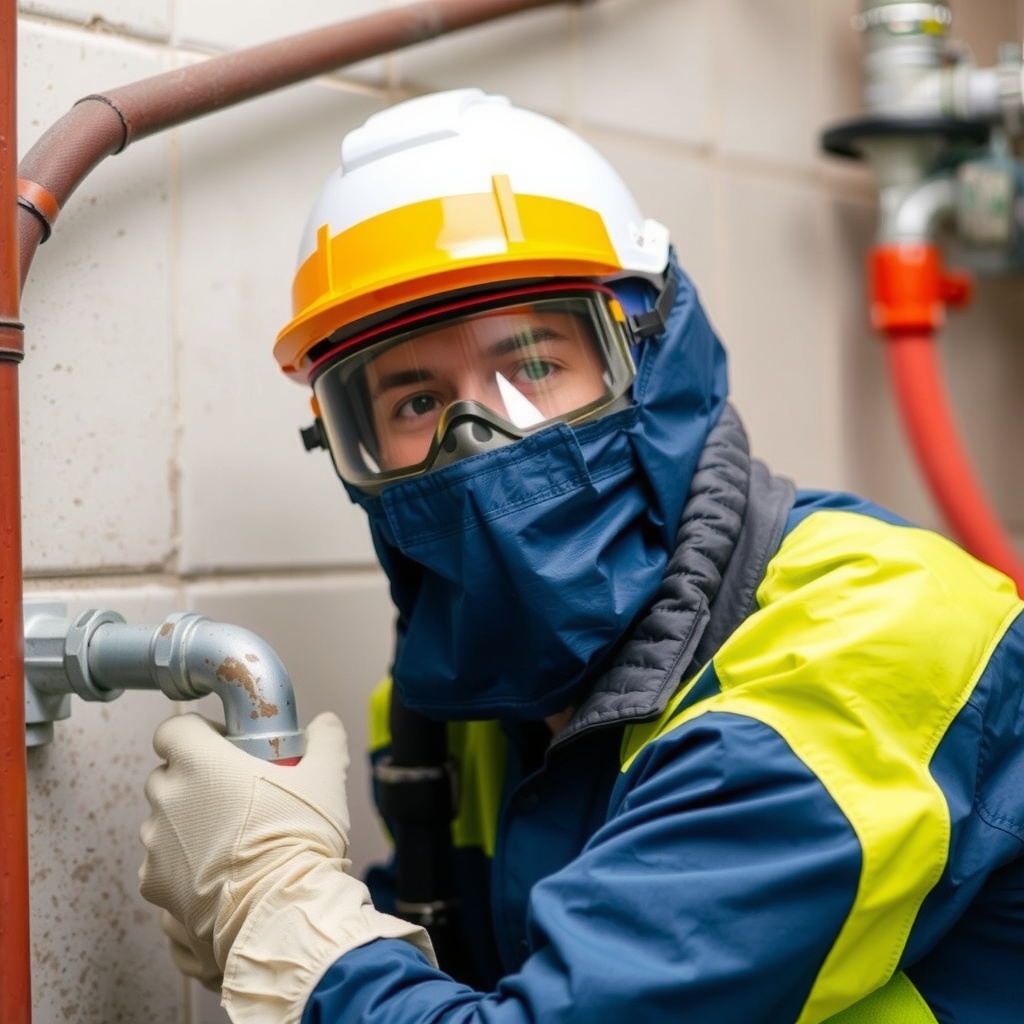
A essential step in sewage backup cleanup is putting on protective gear.
You’re handling contaminated water, so it’s important to protect yourself.
You’ll need to wear:
- protective gloves to prevent skin contact
- safety goggles to shield your eyes
- a face mask to avoid inhaling bacteria.
Wearing these items will help prevent the risk of infection and illness.
You’re taking a significant step by prioritizing your safety.
By wearing the right gear, you’ll be able to clean up the sewage backup safely and efficiently.
Removing Contaminated Materials Safely
You’ll need to prioritize safe removal of contaminated materials to prevent further damage and health risks.
As you remove these materials, you’re also deciding how to dispose of them, which is a critical step in the cleanup process.
You’ll have to figure out the best way to handle debris cleanup, material disposal, and safe removal to get your space back to normal.
Safe Removal
Removing contaminated materials safely is essential to preventing further damage and health risks.
You must follow safety procedures to avoid exposure.
- Wear protective clothing
- Use gloves and masks
- Remove materials quickly and carefully.
You’re taking these steps to prevent harm, using the right equipment and following guidelines.
Material Disposal
The disposal of contaminated materials is essential, and it’s your responsibility to do it correctly.
You must handle hazardous waste with care, as it poses serious health risks. Proper disposal is critical to prevent further contamination.
You’re dealing with harmful substances, so it’s imperative to follow guidelines for disposing of hazardous waste.
Take the time to sort and package contaminated materials correctly, and dispose of them through approved channels.
This guarantees a safe environment and prevents potential hazards. By doing so, you’re protecting yourself and others from harm.
Proper disposal is key to a successful sewage backup repair.
Debris Cleanup
Debris cleanup is a vital step in sewage backup repair, and it requires careful attention to safety protocols.
You’re handling contaminated materials, so it’s imperative to prioritize debris removal. Effective cleanup techniques are necessary.
- Wear protective gear
- Remove soaked items
- Disinfect surfaces
You must take these steps to guarantee safe debris removal and prevent further damage.
Disinfecting And Sanitizing Affected Areas
As you’re dealing with sewage backup, it’s essential that you disinfect and sanitize all affected areas to prevent the spread of diseases. You’ll need to focus on disinfecting surfaces and sanitizing air.
| Method | Area | Frequency |
| Bleach Solution | Floors | Daily |
| Air Purifiers | Rooms | Hourly |
| UV Light | Surfaces | Weekly |
| Fogging | Entire Space | Monthly |
You must prioritize these tasks to guarantee a safe environment. Disinfecting surfaces and sanitizing air will help prevent the spread of bacteria and diseases.
Drying Out The Space To Prevent Mold
Because you’ve completed disinfecting and sanitizing, it’s time to focus on drying out the space to prevent mold growth.
You’ll need to prioritize moisture control to stop mold from forming.
- Remove wet materials and items
- Improve air circulation using fans
- Use dehumidifiers to reduce moisture.
By doing so, you’re creating an environment that’s not conducive to mold growth.
Proper air circulation and moisture control are essential in preventing mold.
You’re taking the necessary steps to dry out the space, which will help prevent further damage and health risks.
Fixing The Underlying Cause Of Backup
Now that you’ve prevented mold growth by drying out the space, it’s time to tackle the root of the problem.
You need to identify and fix the underlying issues that caused the sewage backup. This involves a thorough plumbing inspection to determine the source of the problem.
You’re looking for clogs, cracks, or other damage that may be blocking the flow of waste. During the inspection, you’ll check the pipes, drains, and sewer lines for any signs of damage or wear.
Inspect pipes, drains, and sewer lines for clogs, cracks, or damage blocking waste flow.
By addressing these underlying issues, you can prevent future backups and guarantee your plumbing system is functioning properly.
A plumbing inspection will help you pinpoint the problem and make the necessary repairs to get your system running smoothly again.
Choosing The Right Cleanup Equipment
You’ll need several key pieces of equipment to effectively clean up a sewage backup, including a wet/dry vacuum, rubber gloves, and a face mask.
When it comes to equipment selection, it’s essential to choose the right cleanup tools for the job.
- A mop and bucket for cleaning floors
- Disinfectant solutions for sanitizing surfaces
- A shovel for removing solid waste.
You’re making progress by selecting the right equipment, which will help you tackle the mess efficiently.
Choose your equipment wisely to guarantee a successful cleanup, and remember that proper equipment selection is critical for effective sewage backup repair.
Preventing Future Sewage Backups
As you’ve completed the cleanup, it’s time to focus on preventing future sewage backups.
You’re taking an essential step by thinking about preventive maintenance. Regular inspections of your sewage system can help identify potential issues before they become major problems. You’ll want to check for clogs, tree root intrusion, and other damage that can cause backups.
By performing regular inspections, you can address issues early on and avoid costly repairs. It’s also a good idea to keep records of your inspections and maintenance activities. This will help you track any patterns or recurring issues, allowing you to take proactive steps to prevent future backups.
Hiring Professional Help When Necessary
Because preventive measures can’t guarantee a backup won’t occur, it’s vital to know when to hire professional help.
You’re evaluating expertise and understanding costs to make an informed decision. When hiring a pro, consider:
- Their experience with sewage backup repairs
- Equipment and technology they use
- Reputation and customer reviews
You’re looking for someone who can fix the issue quickly and efficiently.
Evaluating expertise and understanding costs will help you choose the right professional. Don’t hesitate to ask questions and compare prices before making a decision.
It’s important to find someone who can get the job done right, so you can focus on moving forward.
Restoring Your Property To A Safe Condition
Once the immediate issue of the sewage backup is resolved, it’s vital that you take steps to restore your property to a safe condition.
You’ll need to conduct a thorough property assessment to identify any damage or potential hazards. This assessment will help you determine the necessary repairs and cleaning required to make your property safe again.
It’s imperative that you follow established safety protocols to prevent further damage or health risks. You should wear protective gear, including gloves and a mask, when handling contaminated materials.
By taking these steps, you can guarantee your property is restored to a safe condition, and you can prevent future sewage backups from causing similar damage.
Taking proactive steps ensures a safe property and prevents future sewage backup damage.
You must prioritize your safety and the safety of others during the restoration process.
Frequently Asked Questions
Can I Use Bleach to Disinfect Sewage Backup?
You can’t use bleach alone for sewage disinfection, it’s not enough, you’re seeking sewage disinfection tips, consider bleach alternatives like vinegar or enzymes for safer, more effective cleaning and disinfection methods.
Is Sewage Backup Covered by Insurance?
You check your insurance policies, reviewing coverage limits, to see if they cover sewage backup, as it’s often included, but you’ll need to verify the specifics of your plan’s coverage.
How Long Does Cleanup Typically Take?
You’ll find cleanup duration varies, but you’re usually looking at 3-7 days for the restoration process, depending on contamination levels and your cleanup crew’s efficiency, which you’re overseeing directly.
Can I Repair Sewage Backup Myself?
You can attempt DIY repairs, but you’re taking risks, so you must follow strict safety precautions to avoid hazards and guarantee you’re doing it correctly to prevent further damage.
Will Sewage Backup Affect My Property Value?
You’ll likely see a decrease in property value, affecting your property assessment, and having a negative market impact, as sewage backups can deter potential buyers and decrease your home’s overall appeal considerably.
Final Thoughts
You’ve taken the right steps by acting quickly, prioritizing safety, and addressing both the cleanup and the underlying cause of the sewage backup. The key now is to protect your property long-term by staying proactive with inspections, moisture control, and routine maintenance so a single clog or damaged line doesn’t turn into another emergency.
If you want experienced help restoring your system and preventing repeat backups, DNA Honest Plumbing is ready to assist. Our team can diagnose the issue accurately and recommend the right solution—whether that involves targeted drain cleaning, advanced camera lines and sewer inspections, or thorough cabling sewer lines to clear stubborn blockages. If you need immediate support, our 24/7 emergency plumbing services are available to help you respond fast and minimize damage.
To schedule an inspection or request urgent service, reach out through our Contact page or explore our full range of plumbing services to find the best fit for your needs.