Skip to content
If you face a sewage backup, act fast to minimize damage and health risks. Start by wearing gloves and a mask for safety. Shut off the main water supply, and avoid flushing toilets or running water. Use essential tools like a plunger or drain snake to tackle clogs. Document everything for insurance claims. Regular maintenance and proper disposal practices can help prevent future issues. There’s more to know about managing and repairing sewage problems effectively.
Key Takeaways
- Quickly identify the source of the sewage backup and avoid flushing toilets to prevent worsening the situation.
- Use essential tools like plungers and drain snakes for immediate clogs; keep an emergency plumbing kit handy.
- Wear protective gear, including gloves and masks, to minimize health risks during cleanup.
- Regularly maintain plumbing systems by inspecting drains and avoiding improper disposal of waste to prevent future backups.
- Document damage with photos for insurance claims, and promptly start the claim process after a sewage incident.
Key Facts About Sewage Backups You Should Know

When you experience a sewage backup, it’s essential to act quickly, as neglecting the issue can lead to severe health risks and costly damage.
Many people believe sewage myths, like thinking that flushing anything labeled “flushable” is safe. In reality, these items can cause clogs and lead to backups.
Proper backup prevention starts with understanding your plumbing system and what shouldn’t go down the drain. Regular maintenance, like cleaning your drains and inspecting your sewer line, can greatly reduce the risk of backups.
Additionally, be cautious during heavy rains, as flooding can overwhelm your system. If you notice slow drains or gurgling sounds, don’t ignore them—they could signal a problem.
Educating yourself on these facts can empower you to take proactive steps, ensuring your home remains safe and functional.
How to Identify the Source of a Sewage Backup
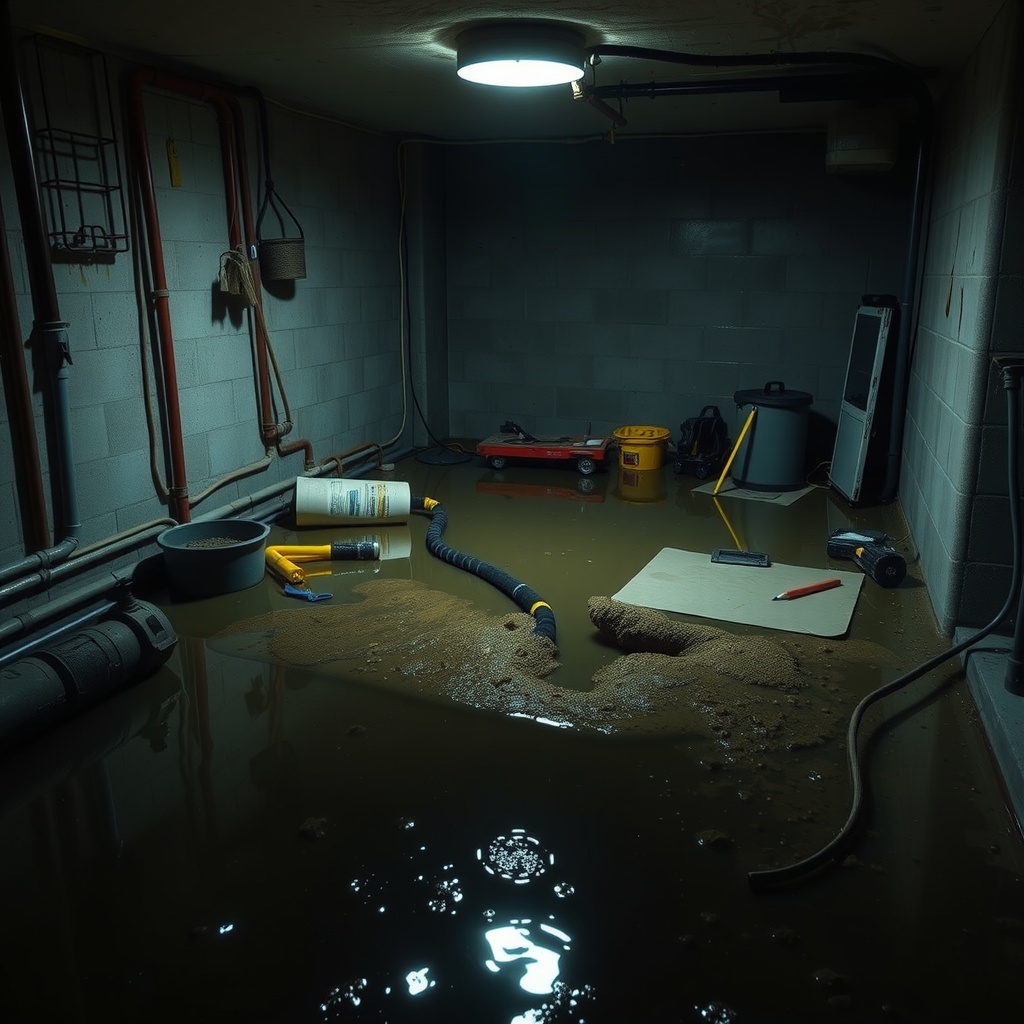
When you face a sewage backup, knowing how to pinpoint the source is essential.
Look for common causes like clogs or tree root intrusions, and be alert to signs such as unusual odors or slow drains.
Addressing these issues promptly can save you from bigger problems down the line.
Common Causes Identified
Identifying the source of a sewage backup can seem challenging, but knowing common causes makes the process easier.
Clogged drains often stem from grease buildup or improper disposal of items like wipes and food. Aging pipes can weaken over time, leading to leaks or breaks.
Root intrusion is another significant issue; tree roots can invade sewer lines, causing blockages. Heavy rainfall can overwhelm storm drains, leading to backups in your home.
Additionally, faulty installation of plumbing systems can create vulnerabilities.
Signs of Backup Issues
Noticing the early signs of a sewage backup can save you from extensive damage and costly repairs. Recognizing these backup indicators helps you act swiftly.
Here are some warning signs to watch for:
- Unpleasant Odors: A lingering sewage smell in your home indicates a potential problem.
- Slow Drains: If multiple drains are sluggish, it might signal a blockage in the main line.
- Gurgling Sounds: Strange noises coming from your drains can suggest trapped air or waste buildup.
- Water Pooling: Puddles near floor drains or in your yard can indicate a backup issue.
Addressing these signs promptly can prevent a more serious situation.
Stay alert, and don’t hesitate to call a professional if you notice these issues.
Immediate Steps to Take When a Backup Occurs
Experiencing a plumbing backup can feel overwhelming, but taking immediate action can help minimize damage and restore normalcy.
First, confirm your safety by wearing gloves and a mask, as sewage can pose health risks. If the backup is severe, shut off your home’s main water supply to prevent further issues.
Next, identify your emergency contacts, such as a trusted plumber or local authorities, and don’t hesitate to call for professional help.
Avoid flushing toilets or running water until the issue is resolved, as this can worsen the problem.
If it’s safe to do so, attempt to remove visible waste using buckets or towels, but remember to prioritize your safety first.
Finally, document the situation with photos for insurance claims. Taking these steps quickly can help you manage the situation effectively and reduce potential damage to your home.
Essential Tools for Emergency Plumbing
Having the right tools on hand can make all the difference when dealing with a plumbing emergency.
The right tools can transform a plumbing emergency from a nightmare into a manageable situation.
An effective emergency kit can save you time and frustration. Here are four essential plumbing tools you should include:
- Plunger: A must-have for tackling clogs in toilets and drains.
- Pipe Wrench: Useful for tightening or loosening plumbing fittings and pipes.
- Adjustable Pliers: Great for gripping and turning various plumbing components.
- Drain Snake: Helps reach and clear stubborn blockages in pipes.
Temporary Fixes to Mitigate Damage
When a plumbing issue strikes, quick temporary fixes can help minimize damage until a professional arrives. First, grab your emergency kits; they should include items like towels, buckets, and duct tape.
If you notice sewage backing up, place a bucket under the affected area to catch leaks. This simple step can prevent water damage to your floors.
Next, use duct tape to seal any small cracks or leaks in pipes. It won’t be a permanent solution, but it can hold until a plumber can fix it. If the backup is severe, consider shutting off the water supply to prevent further overflow.
Additionally, try to keep the area as dry as possible. Removing excess water with towels or a wet/dry vacuum can greatly reduce the risk of mold growth.
These temporary plumbing strategies can make a big difference while you wait for professional help.
Signs It’s Time to Hire a Professional Plumber
How can you tell if it’s time to call in a professional plumber? Recognizing the signs can save you from bigger headaches down the line. Here are four key indicators:
- Persistent Clogs: If your drains are backing up repeatedly, it’s more than just a simple blockage.
- Unpleasant Odors: Foul smells often signal sewage issues that require immediate attention.
- Water Damage: Stains or wet spots on walls or ceilings indicate leaks, needing a plumber’s expertise.
- Multiple Plumbing Issues: If various fixtures are malfunctioning simultaneously, it’s time to consult a pro.
Hiring a plumber with the right qualifications guarantees you receive effective emergency services.
Don’t wait until it’s too late—recognizing these signs early can save you time, money, and stress.
How to Prevent Sewage Backups in the Future
Experiencing plumbing issues can be frustrating, but taking proactive steps can help you avoid future problems like sewage backups.
First, regularly inspect your drainage systems for signs of wear and blockages. Clearing debris and maintaining proper flow can prevent clogs that lead to backups. Additionally, consider scheduling plumbing upgrades if your system is outdated. Newer pipes and fixtures can handle waste more effectively and reduce the risk of overflow.
It’s also essential to be mindful of what you flush down the toilet and pour down the sink. Avoid disposing of grease, heavy paper products, or non-biodegradable items.
Finally, consider installing a sump pump or a backflow valve for extra protection, especially in susceptible areas. By taking these measures, you’ll create a healthier plumbing environment and minimize the chances of future sewage backups.
Top Causes of Sewage Backups
Sewage backups can occur for several reasons, and understanding these causes can help you avoid them. Here are the top culprits:
- Tree Roots: Roots can invade your sewage systems, causing blockages that lead to backups.
- Heavy Rain: Excess water can overwhelm drainage systems, leading to backups and potential foundation damage.
- Improper Disposal: Flushing non-biodegradable items can create plumbing blockages and interfere with normal flow.
- Grease Buildup: Cooking grease can solidify in pipes, causing severe drainage issues over time.
Other factors like old pipes and worn seals can also contribute to problems.
Health Risks From Sewage Backups
Sewage backups pose serious health risks that you shouldn’t ignore. Exposure to bacteria can lead to infections, while harmful chemicals may threaten your safety.
Plus, the unpleasant odors can trigger respiratory issues, making it essential to address these situations promptly.
Bacterial Infections Risk
When plumbing issues lead to backups, the health risks associated with bacterial infections soar. Understanding these risks is essential for infection prevention. Here are key points to keep in mind:
- Bacterial Transmission: Sewage contains harmful bacteria that can easily enter your home and spread.
- Symptoms: Watch for signs of infection, like fever, diarrhea, or vomiting, which may indicate exposure.
- Vulnerable Populations: Children, the elderly, and those with weakened immune systems are at higher risk.
- Immediate Action: Clean contaminated areas promptly and wear protective gear to minimize exposure.
Being aware of these risks helps you take preventive measures, ensuring a healthier environment during plumbing emergencies.
Addressing sewage backups quickly can greatly reduce the chances of bacterial infections.
Chemical Exposure Hazards
Despite the immediate concern for bacterial infections, chemical exposure from sewage backups poses significant health risks that shouldn’t be overlooked. Chemicals in sewage can lead to various exposure symptoms like headaches, dizziness, and skin irritation. To guarantee chemical safety during cleanup, follow strict cleanup protocols and take protective measures.
| Exposure Symptoms | Protective Measures | Cleanup Protocols |
| Headaches | Wear gloves and masks | Shut off water supply |
| Dizziness | Use protective eyewear | Dispose of waste safely |
| Skin Irritation | Ventilate the area | Clean surfaces thoroughly |
Being aware of these risks can help you stay safe while addressing sewage backups effectively. Take the necessary precautions to protect yourself and your loved ones.
Respiratory Health Concerns
While dealing with sewage backups, you mightn’t realize how greatly it can impact your respiratory health. Sewage can release harmful respiratory irritants that compromise your indoor air quality.
Here are some key concerns to be aware of:
- Mold Growth: Damp environments encourage mold, which can trigger allergies and asthma.
- Bacteria: Sewage contains harmful bacteria that can spread through the air, leading to infections.
- Fumes: Toxic gases like methane and ammonia can irritate your lungs and throat.
- Chemical Exposure: Cleaning products used to address backups can also release harmful vapors.
Taking swift action is essential to safeguard your health.
Always prioritize ventilation and consider professional help to restore a safe indoor environment.
Sewage Damage Insurance Tips
Sewage damage can strike unexpectedly, leaving you scrambling for solutions and answers about your insurance coverage. First, review your policy for coverage specifics, as many plans have exclusions for sewage issues.
If disaster strikes, start the claim process promptly; knowing the filing deadlines can make or break your claim. Document the damage thoroughly—photos and written notes can strengthen your case during the damage assessment.
Start the claim process immediately; timely documentation and awareness of deadlines are crucial for a successful claim.
Get estimates for restoration costs, and keep receipts for any repairs or temporary solutions you implement. This documentation will be essential for your claim.
Consider preventive measures to avoid future backups, like regular maintenance checks on your plumbing system. Finally, don’t hesitate to reach out to your insurance agent for clarification on your policy. Understanding your coverage and being proactive can save you from bigger headaches down the line.
Long-Term Solutions for Plumbing Issues
To keep your plumbing in top shape, regular maintenance is key.
You’ll also want to evaluate the latest pipe inspection technologies and eco-friendly repair options that can save you money in the long run.
Let’s explore how these strategies can prevent costly emergencies down the line.
Regular Maintenance Practices
When you prioritize regular maintenance practices, you can greatly reduce the risk of plumbing issues down the line.
Implementing preventive measures is key, and sticking to a maintenance schedule helps keep everything running smoothly.
Here are four essential practices to follow:
- Inspect and clean drains regularly to prevent clogs.
- Check for leaks in faucets and pipes to avoid water damage.
- Flush water heaters annually to remove sediment buildup.
- Monitor your sewer line for tree roots and blockages.
Pipe Inspection Technologies
While you might think that visible signs of plumbing issues are the only indicators of trouble, advanced pipe inspection technologies can reveal hidden problems before they escalate. Utilizing camera inspections and robotic technology, plumbers can accurately diagnose issues within your pipes without invasive digging.
Here’s a quick comparison:
| Technology | Benefits |
| Camera Inspections | Real-time visuals; non-invasive |
| Robotic Technology | Access hard-to-reach areas; precise |
These methods not only save time but also reduce repair costs by identifying issues early. By investing in these technologies, you can guarantee your plumbing system remains in top shape, preventing emergencies down the line. Understanding these solutions empowers you to make informed decisions about your plumbing maintenance.
Eco-Friendly Repair Options
After uncovering hidden plumbing issues with advanced inspection technologies, it’s time to contemplate sustainable repair options that benefit both your home and the environment.
Here are some eco-friendly solutions you can consider:
- Green Plumbing: Choose certified green plumbing fixtures that conserve water and reduce utility bills.
- Sustainable Materials: Use eco-friendly materials like bamboo or recycled metal for repairs and installations.
- Low-Flow Systems: Install low-flow toilets and showerheads to minimize water usage without sacrificing performance.
- Rainwater Harvesting: Consider systems that collect rainwater for irrigation, reducing your dependency on municipal water.
Frequently Asked Questions
What Are the Costs Associated With Sewage Backup Cleanup?
Sewage backup cleanup expenses can vary widely. You’ll typically pay for restoration services, which include water extraction, sanitization, and repairs. Expect costs to range from hundreds to thousands, depending on the extent of the damage.
How Can I Tell if My Insurance Covers Sewage Backups?
To determine if your insurance covers sewage backups, check your insurance policies for specific clauses. Pay attention to coverage limits, as some plans exclude this type of damage, while others may include it with restrictions.
Are There DIY Methods to Fix Sewage Backups?
Yes, you can try DIY methods for sewage backups using tools like a plunger or auger. Regular maintenance and backup prevention techniques, such as installing a backwater valve, can also help keep your system running smoothly.
What Local Regulations Should I Be Aware of for Sewage Issues?
You need to check local codes and sewage regulations before starting any repairs. Familiarize yourself with requirements for permits, disposal methods, and maintenance standards to avoid fines and guarantee compliance with health and safety guidelines.
How Do I Find a Reliable Emergency Plumber?
To find a reliable emergency plumber, check their qualifications and read reviews. Ask about their emergency services and response times. A licensed plumber with good references will guarantee quick, effective solutions for your plumbing needs.
Final Thoughts
A sewage backup is never convenient, but quick action and the right next steps can protect your home, your health, and your plumbing system. If you’re dealing with slow drains, recurring clogs, or an active backup, it’s time to bring in a licensed team that can diagnose the problem correctly and fix it at the source.
At DNA Honest Plumbing, we provide fast, straightforward help—from 24/7 emergency plumbing services and fast emergency plumbing solutions to targeted solutions like drain cleaning, hydro jetting, camera lines and sewer inspections, and cabling sewer lines. If repairs are needed, we also handle pipe repair and pipe replacement to help prevent repeat issues.
If you suspect a sewage backup or want to prevent the next one, contact us today to schedule service and get honest recommendations you can trust: Contact DNA Honest Plumbing.