Skip to content
Winter clogs happen fast because cold pipes harden grease, soap, and detergent buildup, so keep fats out of your drain by cooling and scraping them into a sealed container, then wiping pans before washing. Use plenty of soap and hot water when cleaning greasy dishes, and run hot water regularly to keep flow moving. Install drain screens in sinks and showers, and empty them often to stop hair and scraps. Keep going to pick up more easy prevention habits.
Key Takeaways
- Keep grease, fats, and oil out of drains by cooling, scraping into sealed containers, and wiping pans before washing.
- Use drain screens and hair catchers in sinks, tubs, and showers; clean them after each use to prevent buildup.
- Scrape food scraps into the trash instead of rinsing plates, coffee grounds, or debris down the kitchen sink.
- Flush drains regularly with hot water and soap after greasy washing to keep fats from sticking in cold pipes.
- Act fast on warning signs like slow drains in multiple rooms, gurgling, odors, or rising water; stop water use and call a plumber.
Why Drains Clog Faster in Winter (Common Causes)
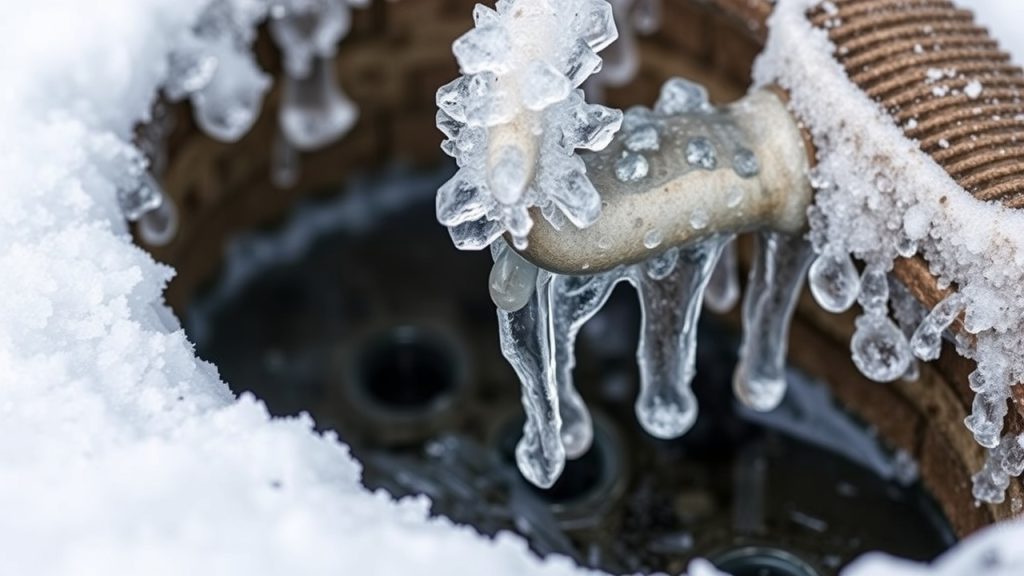
Although your plumbing works year-round, winter conditions can make clogs build up faster. One big reason is the cold weather effects on pipes and drain lines: lower temperatures thicken fats, soaps, and detergents, so they stick to pipe walls instead of rinsing away.
Grease that might flow in summer can congeal quickly, narrowing the passage and catching more debris. If parts of your system run through unheated areas, cold can also slow water movement, giving buildup more time to settle.
In winter, grease congeals fast, tightening your pipes and trapping debris while cold slows water flow and buildup settles.
You’ll often see increased usage in winter, too. You cook heavier meals, run the dishwasher more, and rinse more cookware, sending extra food particles and oil down the drain.
Holiday guests add more showers, laundry, and toilet flushes, which pushes hair, lint, and paper through lines more frequently. Combine slower-flowing drains with higher daily load, and small accumulations turn into stubborn clogs.
Quick Signs Your Winter Clog Is Getting Serious
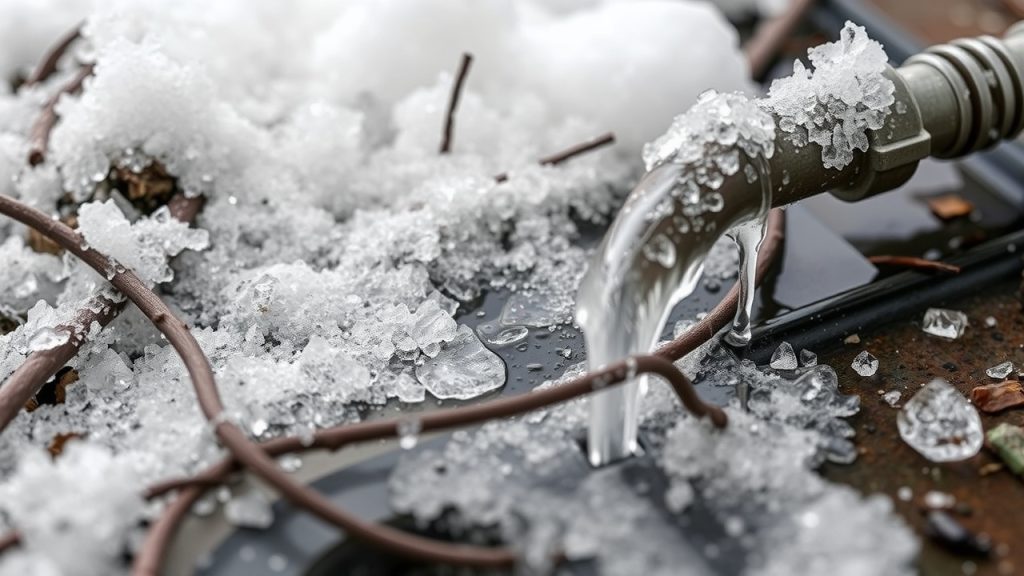
When should you worry that a winter clog’s turning into a real problem? Watch for fast changes in flow and pressure. If several fixtures slow at once, your clog severity is rising beyond a simple trap blockage. Gurgling after you run water can signal trapped air and a narrowing line, and sewer-like odors may mean backups are starting. You should also take note if plunging or hot water gives only brief relief, because recurring symptoms often point to a deeper obstruction. During winter maintenance, act early to prevent a freeze-triggered backup.
| Sign you notice | What it suggests | What you should do |
| Slow drains in two rooms | Main line restriction | Stop heavy use, assess |
| Gurgling or bubbling | Air trapped by blockage | Check vents, call help |
| Water rises in tub/sink | Developing backup | Shut off, inspect |
| Bad odors | Standing waste | Clean traps, monitor |
| No improvement after reset | Deeper clog | Schedule service soon |
Keep Grease and Oil Out of Winter Drains
As temperatures drop, grease and cooking oil turn from “liquid” to sticky sludge inside your pipes, grabbing food bits and narrowing the line until a winter clog forms.
Even small amounts can coat cold drain walls, especially after you run hot water that cools quickly in the line.
Skip the “rinse it down” habit. Instead, let pan grease cool, then scrape it into a sealed can or jar for proper grease disposal in the trash.
Wipe oily pans with a paper towel before washing so you send soap and water, not fat, through the drain.
For used cooking oil, pour it into a labeled container and take it to a local drop-off for oil recycling, or check whether your city collects it.
If you must wash after frying, use plenty of soap and the hottest water you can safely run.
Use Drain Screens to Catch Hair and Food Scraps
Before cold weather slows drainage, put drain screens in your kitchen and bathroom sinks, tubs, and shower to stop hair, food scraps, and debris from ever entering the pipes.
Choose a mesh screen for shower and tub drains to trap strands without slowing flow. In the kitchen, use a sink strainer basket that catches rice, peels, and coffee grounds while letting water pass freely.
Make drain maintenance easy: lift the screen after each use, toss the captured waste in the trash, and rinse the screen under hot water.
Once a week during seasonal cleaning, check for warped edges, stuck particles, or rust, and replace worn screens so they keep sealing the opening.
If you’ve got kids or guests, keep an extra screen on hand so every drain stays protected. This small barrier reduces buildup, limits odor, and helps your plumbing handle winter’s slower drainage.
Clear Soap Scum Buildup Before It Hardens
Drain screens stop the big stuff, but soap scum still sneaks past and clings to pipe walls, especially in showers and bathroom sinks.
In winter, colder water can thicken that residue, so you’ve got to clear it before it hardens into a stubborn ring that narrows flow.
After each shower, run hot water for 30 seconds to melt fresh buildup, then finish with a quick rinse of warm water mixed with a splash of dish soap to lift oils.
Once a week, pour a cup of hot water down the drain, follow with half a cup of baking soda, then add half a cup of white vinegar and cover the drain for 10 minutes before flushing again.
For soap scum prevention in hard-water areas, install a showerhead filter or water softener as practical hard water solutions, and switch to liquid body wash, which leaves less residue than bar soap.
Kitchen Habits That Prevent Winter Drain Clogs
In winter, you can keep your kitchen drain flowing by scraping plates into the trash instead of rinsing scraps down the sink.
You should also keep grease and cooking oils out of the drain, since they cool fast and cling to pipes.
These small habits cut buildup before it turns into a stubborn clog.
Scrape Plates, Don’t Rinse
Although it feels faster to rinse everything down the sink, that habit sends grease, starches, and tiny food scraps into your pipes—where cold winter temps can turn them into stubborn buildup.
Instead, make plate scraping your default move. Use a rubber spatula or paper towel to push leftovers into the trash or compost before dishes hit the water.
When you’ve got sticky sauces or rice grains, scrape twice, then wipe the plate briefly so fewer particles enter the drain. You’ll also keep your sink strainer from clogging and reduce gunk that can harden in colder sections of pipe.
Add this to your winter cleaning routine: empty the strainer after each meal, and toss food scraps promptly. Small habits like this prevent slow drains and surprise backups later on.
Avoid Grease Down Sinks
Scraping plates keeps food bits out of your pipes, but grease is the bigger winter troublemaker. When hot fat hits cold plumbing, it congeals fast, sticks to pipe walls, and traps crumbs until you’ve got a stubborn clog. Make grease disposal a habit: pour cooled grease into a can, wipe pans with paper towels, and toss them. For sink maintenance, run hot water with a little dish soap after cooking, and use a strainer to catch residue.
| What you do | What happens in winter pipes |
| Pour bacon grease in sink | Cools, hardens, narrows flow |
| Rinse oily pans | Grease coats, collects debris |
| Wipe first, then wash | Less buildup, smoother draining |
| Use a grease can | Stops repeat clogs |
| Soap + hot rinse | Helps move leftover film |
Bathroom Habits That Prevent Winter Drain Clogs
When temperatures dip, the bathroom becomes one of the easiest places for drain clogs to start—especially if hair, soap scum, and thick products build up faster than your pipes can flush them away.
Start with a simple hair catcher in the shower and empty it after every wash to stop mats from forming in cold pipes.
You’ll also cut buildup by using less heavy conditioner and rinsing the tub with hot water for 30 seconds after you’re done.
Don’t let shaving cream, waxy soaps, or bath oils sit on surfaces; wipe residue into the trash instead of washing it down.
Once a week, run hot water for a minute, then flush the drain with a kettle of hot (not boiling) water.
Add proper drainage maintenance to your seasonal cleaning routines by removing the stopper, clearing trapped hair, and scrubbing gunk off the drain walls.
When to Call a Plumber for a Winter Drain Clog
If your drain keeps backing up or you’re dealing with overflow, it’s time to call a plumber before the mess spreads.
Watch for frozen-pipe warning signs like gurgling drains, no flow, or frost on exposed lines, because forcing the issue can cause a burst.
And if you’ve tried the usual DIY fixes more than once and the clog returns, you’ll save time and prevent damage by bringing in a pro.
Persistent Backup And Overflow
Although a slow drain can seem like a small winter nuisance, persistent backup or overflow signals a bigger blockage you shouldn’t ignore.
If water rises in the tub when you flush, gurgles in multiple fixtures, or sewage smells appear, you’re likely dealing with a main-line restriction that store-bought chemicals won’t fix and may worsen.
Stop running water and protect your home first: shut off nearby fixtures, contain spills, and move valuables.
Basic clog prevention still matters, but repeated backups mean you need a plumber’s tools—camera inspection, auger, or hydro jetting—to clear the cause safely.
Call right away if overflow reaches floors, returns soon after plunging, or affects more than one drain. Quick action limits damage and restores reliable drainage.
Frozen Pipe Warning Signs
Repeated backups often point to a blockage in the line, but winter adds another threat: a drain or supply pipe that’s starting to freeze.
If you notice slow drainage that suddenly worsens during cold snaps, you may be dealing with frozen pipes rather than grease or debris.
Watch for warning signs like gurgling after flushing, a sewer smell that comes and goes, or water that backs up only at certain times of day.
Check exposed areas—under sinks on exterior walls, basements, crawl spaces, and garage lines—for frost, sweating pipes, or bulging sections.
If faucets sputter, pressure drops, or you hear cracking or pinging in the wall, call a plumber fast to prevent a burst and major water damage.
Repeated DIY Failure
When your winter drain clog keeps coming back after you’ve plunged, snaked, and flushed it with hot water, it’s time to stop guessing and call a plumber.
Recurring backups often mean ice, grease, or a blocked vent deeper in the line, not just hair near the drain. If several fixtures slow down at once, you’re likely dealing with a main-line issue you can’t reach safely.
Watch for gurgling, sewage smells, or water returning after you clear it—those are red flags.
Avoid diy mistakes like overusing chemical cleaners, forcing a cable, or thawing pipes with open flames.
Common misconceptions include thinking boiling water fixes frozen traps or that “stronger” drain opener works in cold weather.
A plumber can camera-scope, clear, and prevent damage.
Frequently Asked Questions
What Temperature Causes Grease to Solidify and Clog Kitchen Drains in Winter?
Grease can start solidifying around 40°F (4°C) and hardens more as temperatures drop, so you’ll see clogs in winter plumbing when pipes cool. You can reduce grease solidification by keeping water hot.
Can Pouring Boiling Water Down Pipes Crack PVC or Older Plumbing?
Yes, pouring boiling water can crack PVC or stress older pipes, especially at joints. You’ll see boiling water effects vary by plumbing material; use hot tap water instead, and warm gradually if you’re unsure.
Are Chemical Drain Cleaners Safe to Use During Freezing Weather?
Chemical drain cleaners aren’t ideal during freezing weather; you risk slowed reactions and possible pipe damage if liquids freeze. For chemical safety and winter usage, you should follow label limits, ventilate well, and try safer mechanical clearing first.
How Often Should I Schedule a Professional Drain Cleaning in Winter?
Schedule a professional drain cleaning once in early winter, then again midseason if you’ve got slow drains. You’ll strengthen drain maintenance, support winter preparation, and catch buildup before freezes worsen clogs and backups.
Can Frozen Outdoor Drains or Downspouts Cause Indoor Sink Backups?
Yes, frozen outdoor drains or downspouts can trigger indoor sink backups when ice buildup blocks flow and forces water back into your plumbing. You’ll reduce risk with drain maintenance: clear debris, insulate lines, and keep outlets open.
Final Thoughts
Winter makes clogs sneak up faster, but you can stay ahead of them with a few simple habits. Keep grease and oil out of your sinks, scrape plates instead of rinsing scraps, and use drain screens to catch hair and food before they ever reach your pipes. Clear soap scum before it hardens, give drains a regular hot-water flush, and avoid sending anything down that doesn’t belong there—especially when cold temperatures make buildup stick faster. At the first signs of trouble—slow drains, gurgling, bad odors, or water rising where it shouldn’t—take them seriously before a minor winter clog turns into a messy backup.
If your winter drains are already slowing, backing up, or showing repeat issues, DNA Honest Plumbing is ready to help. Our team provides targeted drain cleaning, thorough cabling of sewer lines, detailed camera sewer inspections, and powerful hydro-jetting to clear cold-weather buildup safely and restore proper flow. We focus on solving the immediate clog and identifying what caused it so you’re not fighting the same winter drain problems over and over.
Don’t wait until a slow drain becomes a full backup in freezing weather. Explore our full plumbing services, learn more about DNA Honest Plumbing, or reach out through our contact page to schedule service or ask about prevention options. If a clog is already causing overflow or affecting multiple drains, our 24/7 emergency plumbing services are available to protect your home, your plumbing, and your peace of mind all winter long.