Skip to content
When your drain backs up or overflows, you need to act fast. Stop using the affected fixture immediately and turn off the water supply valve to prevent flooding. Try pouring boiling water down the drain, followed by a baking soda and vinegar solution. If multiple drains are clogging simultaneously or you notice sewage backup, call a professional plumber right away. Understanding the warning signs and proper response techniques can save you from expensive repairs.
Key Takeaways
- Stop using the affected fixture immediately and turn off the water supply valve to prevent further flooding and water damage.
- Try DIY methods like plunging, pouring boiling water, or using a baking soda and vinegar solution to dislodge surface blockages.
- Use a drain snake or auger for deeper clogs that plunging cannot resolve effectively.
- Call a professional plumber immediately if multiple drains clog simultaneously, sewage backs up, or persistent foul odors occur.
- Document the issue and keep emergency plumber contact information handy to ensure quick response and accurate diagnosis.
Recognizing the Signs of a Drain Emergency
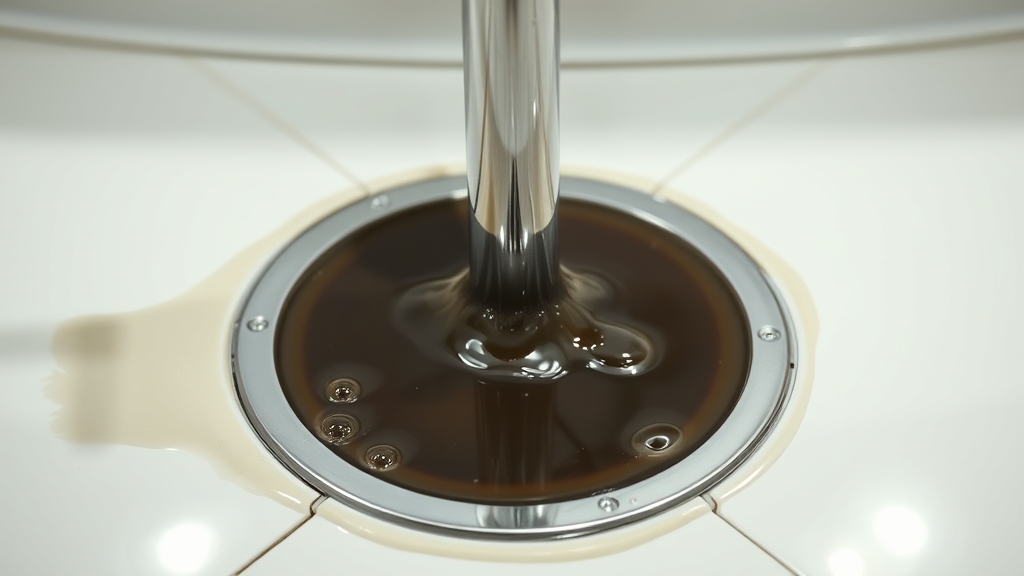
When water starts backing up in your sink, tub, or toilet, you’re likely dealing with more than a minor inconvenience. A true drain emergency requires immediate attention to prevent property damage and health hazards.
Learning to identify warning signs early can save you significant time and money.
Watch for persistent drain odors emanating from your pipes. These foul smells often indicate trapped debris or sewage backup deep within your plumbing system.
You shouldn’t ignore gurgling sounds coming from drains either—they signal air trapped in your pipes due to blockages.
Multiple slow-draining fixtures throughout your home point to a main line obstruction rather than an isolated clog.
Water pooling around floor drains or sewage backing up into your basement demands urgent professional intervention.
Act quickly when you notice these symptoms. Delayed response typically leads to extensive water damage and costly repairs that proper recognition could have prevented.
Immediate Steps to Take When Your Drain Clogs
Three critical actions can minimize damage the moment you discover a clogged drain.
First, stop using the affected fixture immediately. Running additional water only worsens flooding and potential water damage to your home.
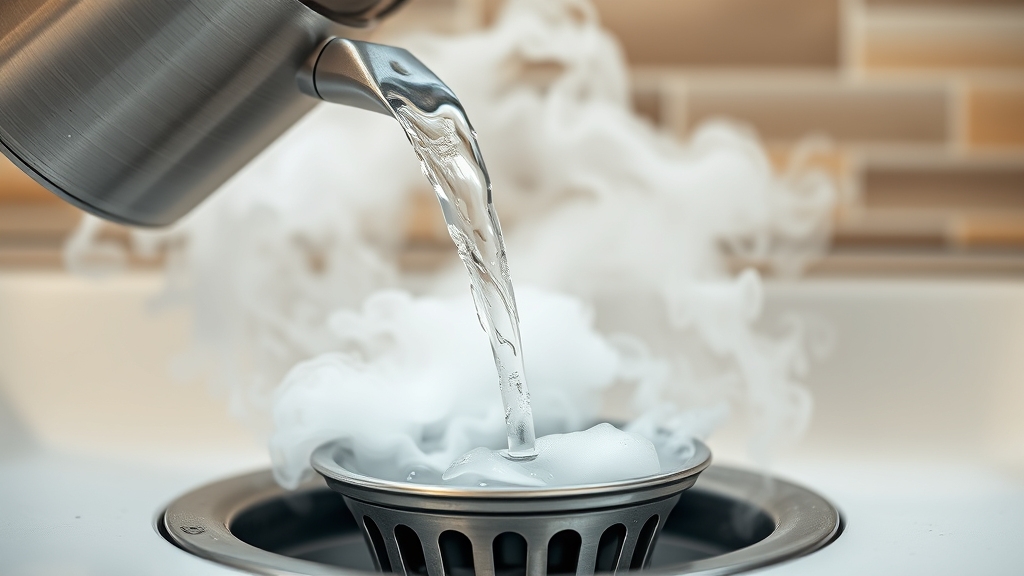
Second, try basic home remedies before calling a professional. Pour boiling water down the drain to dissolve grease buildup. If that fails, combine baking soda and vinegar to break apart organic blockages. Use a plunger with firm, consistent pressure to dislodge debris near the pipe’s surface.
Third, locate and turn off the water supply valve if the backup threatens to overflow. This prevents contaminated water from spreading throughout your bathroom or kitchen.
Document the problem by noting when it started and what preceded it. This information aids plumbers in diagnosing the issue.
Regular drainage maintenance after resolving the clog prevents future emergencies and extends your plumbing system’s lifespan.
DIY Methods to Clear Minor Blockages
Several effective DIY methods can clear minor drain blockages without professional help. You’ll find these techniques work best when you act quickly at the first signs of slow drainage.
Start by pouring hot water directly down the drain to dissolve grease and soap buildup. If that doesn’t work, try the baking soda and vinegar solution method. Pour half a cup of baking soda into the drain, followed by equal parts vinegar. You’ll notice fizzing action that breaks apart debris. Wait 15 minutes, then flush with hot water.
For tougher clogs, create a salt mixture by combining half a cup of table salt with half a cup of baking soda. Pour this down the drain and let it sit overnight. The abrasive combination helps scrub away stubborn buildup.
You can also use a plunger or drain snake for physical removal of blockages that chemical methods can’t dissolve.
Tools Every Homeowner Should Have on Hand
When a drain emergency strikes, you’ll want the right tools within arm’s reach to tackle the problem immediately.
Stock your home with essential drain cleaning tools, including a cup plunger for sinks and a flange plunger for toilets, along with a snake auger to break through stubborn clogs deeper in your pipes.
Don’t forget to keep rubber gloves and safety goggles nearby, as drain work often involves exposure to bacteria and harsh chemicals.
Essential Drain Cleaning Tools
Having the right tools within reach can mean the difference between a quick fix and a frustrating, messy ordeal. You’ll want to stock your home with a few essential items for proper drain maintenance.
Start with a quality plunger—both a cup style for sinks and a flange version for toilets. A drain snake or auger helps you reach deeper clogs that plungers can’t dislodge. Keep a pair of rubber gloves and a bucket nearby for messy situations.
You should also maintain effective cleaning solutions in your supply kit. Enzyme-based cleaners work well for regular maintenance without damaging pipes. A wet/dry vacuum proves invaluable for stubborn blockages, pulling debris directly from drains.
With these tools ready, you’ll tackle most clogs before they become emergencies.
Plungers and Snake Augers
A quality plunger ranks as the most essential drain tool you’ll ever own, yet many homeowners don’t realize there’s more than one type. Proper plunger techniques make all the difference—you need a tight seal and consistent vertical pressure for effective results.
| Tool Type | Best Use |
| Cup Plunger | Flat surfaces like sinks |
| Flange Plunger | Toilets and curved drains |
| Drain Snake (15-25 ft) | Bathroom clogs |
| Drain Snake (50+ ft) | Main line blockages |
Snake augers tackle clogs that plungers can’t reach. You’ll feed the cable into the drain while rotating the handle to break through stubborn blockages. Regular snake maintenance extends your tool’s lifespan—always clean and dry the cable after each use to prevent rust and corrosion.
Safety Gear and Gloves
Three essential safety items—chemical-resistant gloves, safety goggles, and a face mask—should sit in your drain emergency kit before you ever face a clog.
This safety equipment protects you from harmful bacteria, sewage gases, and caustic drain cleaners that can cause serious injuries.
Protective gloves serve as your first line of defense. Choose thick, rubber gloves that extend past your wrists to prevent contaminated water from touching your skin.
Drains harbor dangerous pathogens that can enter through small cuts or abrasions.
Safety goggles shield your eyes from splashing debris and chemical fumes.
A basic face mask filters out unpleasant odors and prevents you from inhaling toxic vapors when using commercial drain products.
Don’t skip this safety equipment—treating chemical burns or infections costs far more than prevention.
When to Call a Professional Plumber
When should you stop tackling a clogged drain yourself and pick up the phone? If you’ve tried basic methods like plunging and drain snakes without success, it’s time to contemplate professional help. A licensed plumber brings essential plumber qualifications that guarantee proper diagnosis and repair.
You’ll want to call for emergency response when you notice:
- Multiple drains clogging simultaneously throughout your home
- Sewage backing up into tubs, showers, or toilets
- Persistent foul odors coming from your drains
- Water damage appearing on walls, ceilings, or floors
These signs indicate deeper issues within your plumbing system that require specialized equipment and expertise.
Attempting complex repairs yourself can worsen the problem and lead to costly damage. Professional plumbers can identify root causes, whether it’s tree root intrusion, pipe collapse, or main sewer line blockages.
Don’t hesitate when facing these warning signs—quick action prevents further complications.
Preventing Future Clogged Drain Emergencies
Once you’ve handled a clogging emergency—whether on your own or with professional help—your focus should shift to prevention.
Implementing preventative maintenance practices will save you time, money, and stress in the long run.
Start by installing drain screens in your sinks, showers, and tubs to catch hair and debris before they enter your pipes. You should also avoid pouring grease, coffee grounds, or food scraps down your kitchen drain. Instead, dispose of these materials in the trash.
Schedule regular inspections with a licensed plumber annually. These checkups allow professionals to identify potential problems before they become emergencies. During inspections, plumbers can remove minor buildup and assess your system’s overall health.
Additionally, flush your drains monthly with hot water to clear accumulated soap residue and oils.
Consider using enzyme-based cleaners quarterly—they’re gentler on pipes than chemical alternatives while effectively breaking down organic matter that causes blockages.
Understanding the Costs of Emergency Drain Services
Emergency drain services typically cost between $150 and $500 for standard clogs, though prices can climb significantly higher depending on several factors.
You’ll find that emergency pricing often includes premiums for after-hours calls, weekends, and holidays. Always request service estimates before authorizing any work.
Several factors influence your final bill:
- Time of service – Night and weekend calls typically add 50-100% to standard rates
- Severity of the clog – Deep blockages requiring specialized equipment cost more
- Location of the blockage – Main sewer line clogs demand extensive labor
- Required equipment – Hydro-jetting and camera inspections increase costs
You can reduce expenses by describing your situation accurately when calling. This helps technicians arrive prepared with the right tools.
Ask about flat-rate pricing versus hourly charges, and confirm whether diagnostic fees apply toward the final repair cost.
Frequently Asked Questions
Can Clogged Drains Cause Health Problems for My Family?
Yes, clogged drains can harm your family’s health. You’ll notice unpleasant drain odors that release harmful bacteria into your air. Standing water contamination creates breeding grounds for mold and pathogens, potentially causing respiratory issues and infections.
Are Chemical Drain Cleaners Safe for Septic Systems?
You shouldn’t use chemical drain cleaners with septic systems. The harsh chemical effects kill beneficial bacteria your tank needs to break down waste. For proper septic maintenance, you’ll want enzyme-based cleaners or professional drain clearing instead.
How Long Does a Professional Drain Cleaning Typically Take?
You’ll find that drain cleaning duration typically ranges from 30 minutes to two hours, depending on clog severity. Professional intervention for simple blockages takes less time, while complex obstructions require more extensive work.
Will Homeowners Insurance Cover Emergency Drain Repair Costs?
Your homeowners insurance coverage typically doesn’t cover emergency drain repairs caused by normal wear or neglect. However, you’ll find repair options may be covered if sudden, accidental damage caused the clog. Check your policy’s specific terms.
Can Tree Roots Cause Recurring Drain Clogs in Older Homes?
Yes, tree root intrusion commonly causes recurring drain clogs in older homes. Roots naturally seek water sources and can infiltrate aging pipes through small cracks. You’ll need regular plumbing maintenance and professional inspections to prevent costly blockages.
Final Thoughts
Clogged drain emergencies escalate quickly, and recognizing early signs—slow drains, gurgling noises, foul odors, backups, or multiple fixtures clogging at once—helps you act before major damage occurs. Basic DIY steps may resolve surface-level blockages, but deeper clogs, sewage backups, and repeated issues require professional diagnostics and intervention to protect your home and health.
For fast, reliable help, DNA Honest Plumbing offers comprehensive solutions for drain emergencies, including drain cleaning, advanced hydro jetting to clear stubborn buildup, and full-system evaluations using camera sewer inspections. If your clog relates to damaged pipes or interior plumbing issues, explore our interior plumbing services or browse our complete list of professional plumbing services for long-term prevention and system health.
Acting quickly prevents costly repairs and recurring problems. For immediate assistance, accurate diagnosis, and expert repair, contact us here: Contact DNA Honest Plumbing