Plumbing problems can disrupt your day, damage property, and even impact your business’s bottom line. Whether you’re a small business owner, a developer, or a resident, understanding the most common plumbing problems Sterling Heights faces can help you stay ahead of costly repairs. From leaky faucets to clogged drains, these issues are not just inconvenient, they can quickly escalate if left unchecked. In this guide, we’ll break down the top 10 plumbing challenges seen locally, share practical tips for prevention, and explain when it’s time to call in a pro. If you want to protect your property and avoid unnecessary expenses, knowing what to watch for is key. Let’s dive into the most frequent plumbing problems Sterling Heights encounters and how you can tackle them with confidence.
Top Plumbing Problems in Sterling Heights
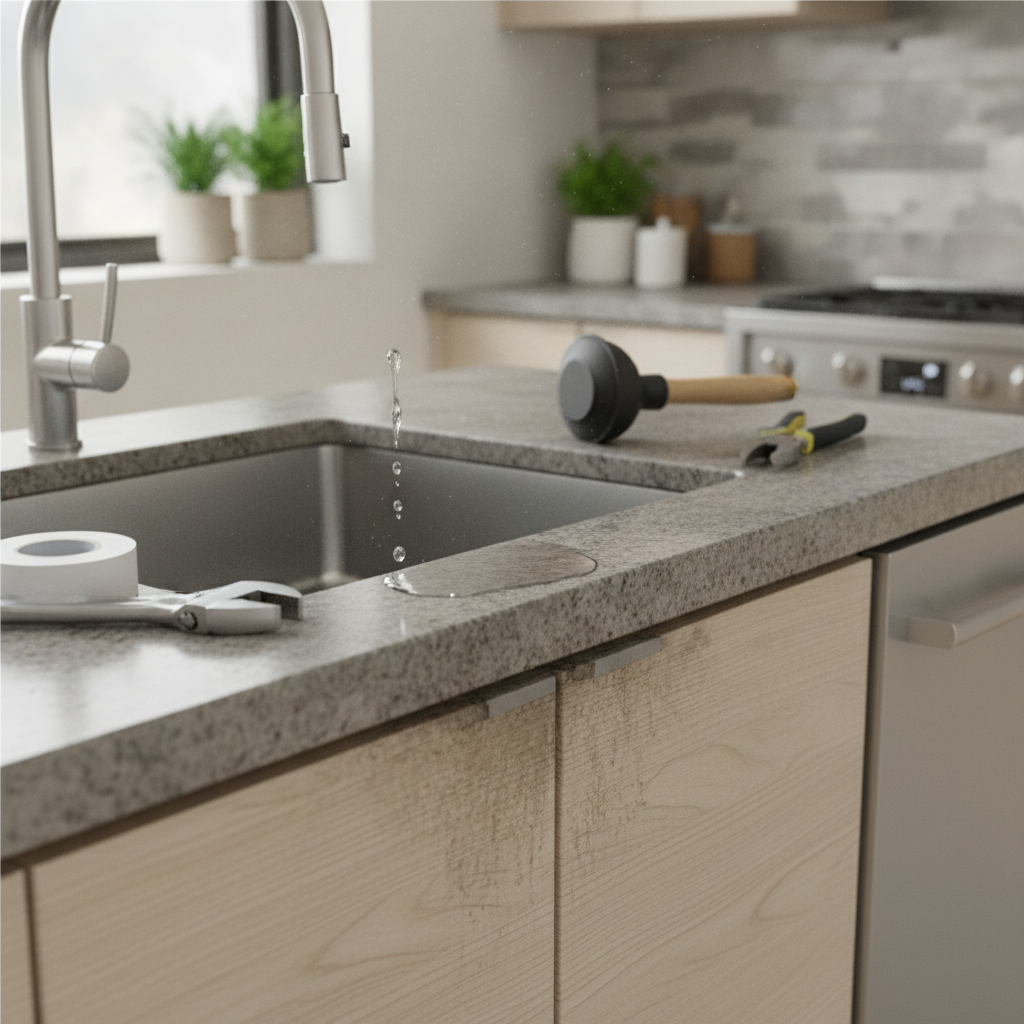
When it comes to plumbing problems Sterling Heights residents and business owners encounter, certain issues top the list year after year. Leaky faucets, slow drains, and running toilets are among the most common complaints. These problems might seem minor at first, but they can lead to wasted water, higher bills, and even structural damage if ignored. One of the most frequent calls plumbers receive is for dripping faucets. The constant drip not only wastes water but can also stain sinks and bathtubs over time.
Another major concern in the area is clogged drains. Whether it’s a kitchen sink filled with grease and food particles or a bathroom drain blocked by hair and soap scum, clogs can quickly disrupt daily routines. In commercial spaces, these problems can halt business operations and create an unpleasant environment for customers and employees alike. Running toilets are also a persistent nuisance, often caused by worn-out flappers or faulty fill valves. These issues can result in hundreds of gallons of wasted water each month.
Water heater troubles round out the top plumbing problems Sterling Heights faces. From inconsistent hot water to strange noises and leaks, water heater malfunctions can be both inconvenient and costly. Regular maintenance and prompt repairs are essential to extend the lifespan of these appliances. For a more comprehensive look at Sterling Heights plumbing issues, it’s wise to consult with a professional who understands the unique challenges of this community.
Common Plumbing Problems in Sterling Heights, MI
In the region, plumbing problems Sterling Heights business owners and residents face often include burst pipes during winter months, low water pressure, and sewer line backups. Burst pipes are particularly common when temperatures drop, as frozen water expands and can cause pipes to crack or rupture. This can lead to significant water damage and expensive repairs. Preventing frozen pipes involves insulating exposed plumbing and keeping indoor temperatures consistent during cold snaps.
Low water pressure is another frequent complaint. This issue can stem from mineral buildup in pipes, leaks, or problems with the municipal water supply. It’s important to identify the source of low pressure quickly, as it can indicate hidden leaks that may be causing water damage behind walls or under floors. Sewer line backups, often caused by tree root intrusion or flushing inappropriate items, can result in foul odors, slow drains, and even raw sewage backing up into homes or businesses.
For small business owners, these problems can disrupt operations and deter customers. Proactive maintenance, such as regular drain cleaning and inspections, can help prevent major disruptions. If you’re experiencing any of these plumbing problems Sterling Heights, MI is known for, reaching out to DNA Honest Plumbing is a smart move. Their local expertise ensures you get solutions tailored to the area’s unique needs.
Plumbing Issues Affecting Sterling Heights Michigan
In this city, plumbing issues go beyond the basics. Aging infrastructure, fluctuating temperatures, and increased demand in growing neighborhoods all contribute to unique challenges. Older buildings often have outdated pipes that are more susceptible to corrosion and leaks. Galvanized steel pipes, common in older properties, can rust from the inside out, leading to reduced water quality and potential blockages.
Another concern is sump pump failure, especially during heavy rain or rapid snowmelt. Sump pumps are essential in preventing basement flooding, but they require regular testing and maintenance. A malfunctioning sump pump can leave properties vulnerable to water damage, mold, and mildew. Additionally, hard water is prevalent in the area, which can cause mineral deposits to build up in appliances, reducing efficiency and lifespan.
Business owners and developers should pay close attention to these issues, as neglecting them can result in costly downtime and repairs. Regular inspections and timely upgrades are critical to maintaining a safe and functional plumbing system. For more information on addressing complex plumbing problems Sterling Heights faces, visit our site for expert advice and service options.
Leaky Faucets and Fixtures
Leaky faucets are one of the most common plumbing problems in the area. While a slow drip may seem harmless, it can waste hundreds of gallons of water each year, raising utility bills and causing potential water damage. The primary causes of leaks include worn-out washers, corroded valve seats, or loose parts. Over time, even minor leaks can stain sinks and bathtubs, leading to unsightly mineral buildup.
Business owners should pay special attention to leaky fixtures, as customers often notice these details. A dripping faucet in a restroom or break room can create a negative impression and signal neglect. Regularly checking and maintaining fixtures helps prevent small leaks from becoming larger problems. Replacing washers or cartridges is a simple DIY fix, but if leaks persist, it may indicate a deeper issue within the plumbing system.
For those who are not comfortable with repairs, hiring a licensed plumber ensures that leaks are properly diagnosed and fixed. Preventative maintenance, such as tightening connections and inspecting seals, can extend the life of your fixtures and reduce the risk of water damage in your property.
Clogged Drains and Toilets
Clogged drains and toilets are a nuisance that can quickly escalate into a major headache. In both homes and businesses, blockages often occur due to the accumulation of hair, soap scum, grease, food particles, or foreign objects. Toilets may become clogged when excessive paper or non-flushable items are disposed of improperly. In commercial settings, these issues can disrupt operations and create unsanitary conditions.
Signs of a clogged drain include slow water drainage, gurgling sounds, and unpleasant odors. If left untreated, clogs can lead to backups, flooding, and even pipe damage. Using chemical drain cleaners is not recommended, as they can corrode pipes over time. Instead, try using a plunger or a plumbing snake to remove blockages. For persistent or recurring clogs, professional drain cleaning services are the safest and most effective solution.
Preventing clogs involves being mindful of what goes down your drains. Install drain screens to catch hair and debris, and avoid pouring grease or oil into sinks. Regular maintenance and prompt attention to slow drains will help keep your plumbing system flowing smoothly.
Running Toilets and Silent Leaks
A running toilet can waste hundreds of gallons of water each day, driving up your water bill and straining the local water supply. The most common causes are worn-out flappers, faulty fill valves, or improperly adjusted float arms. Sometimes, the leak is silent, making it difficult to detect until you notice a spike in your utility bill.
To check for a silent leak, add a few drops of food coloring to the toilet tank and wait 15 minutes without flushing. If the color appears in the bowl, you have a leak that needs attention. Replacing the flapper or adjusting the fill valve can often resolve the issue. However, if these fixes do not work, the problem may lie deeper within the plumbing system and require professional intervention.
Business owners should address running toilets promptly, as they can create a negative impression and lead to unnecessary expenses. Regular inspections and maintenance are key to preventing water waste and ensuring your facilities operate efficiently.
Low Water Pressure
Low water pressure can make daily tasks frustrating, from showering to washing dishes. In the region, this issue is often caused by mineral buildup in pipes, leaks, partially closed shutoff valves, or problems with the municipal water supply. Older buildings are particularly susceptible, as aging pipes can become clogged with sediment over time.
To diagnose low water pressure, start by checking if the problem affects the entire property or just specific fixtures. If only one faucet is affected, the aerator may be clogged and can be cleaned or replaced. If the issue is widespread, it could indicate a leak or blockage in the main water line. In some cases, pressure regulators may need adjustment or replacement.
Maintaining optimal water pressure is important for both comfort and the longevity of your plumbing system. Regular inspections, prompt repairs, and periodic pipe cleaning can help prevent this common problem from impacting your home or business.
Burst and Frozen Pipes
Burst and frozen pipes are a significant concern during the winter months. When temperatures drop, water inside exposed or poorly insulated pipes can freeze and expand, causing the pipe to crack or burst. This can lead to extensive water damage, mold growth, and costly repairs.
Preventing frozen pipes involves insulating pipes in unheated areas, keeping cabinet doors open to allow warm air to circulate, and letting faucets drip slightly during extreme cold. If you suspect a pipe has frozen, turn off the main water supply and call a professional immediately. Thawing pipes with a hairdryer or heating pad can sometimes help, but avoid using open flames or high heat, which can damage pipes.
Regular maintenance and proactive measures can help protect your property from the costly consequences of burst pipes. Business owners should also ensure that employees know how to shut off the water supply in case of an emergency.
Water Heater Problems
Water heaters are essential for comfort and hygiene, but they can develop problems such as inconsistent hot water, strange noises, or leaks. Sediment buildup is a common culprit, especially in areas with hard water. Over time, minerals settle at the bottom of the tank, reducing efficiency and causing the heater to work harder.
Regularly flushing your water heater can help prevent sediment buildup and extend the unit’s lifespan. If you notice rust-colored water, it may indicate corrosion inside the tank, which can eventually lead to leaks. Unusual noises, such as popping or rumbling, are signs that sediment is interfering with the heating element.
Leaks around the base of the water heater should be addressed immediately, as they can cause water damage and mold growth. If your water heater is more than 10 years old or requires frequent repairs, it may be time to consider a replacement. Consulting a professional ensures you choose the right size and type for your needs.
Sump Pump Failures
Sump pumps play a crucial role in preventing basement flooding, especially during heavy rain or rapid snowmelt. However, sump pump failures are a common problem in the region. Causes include power outages, clogged discharge lines, switch malfunctions, or lack of maintenance.
Regularly testing your sump pump by pouring water into the pit and ensuring it activates is a simple way to confirm it’s working. Cleaning the pump and discharge line prevents clogs that can render the system ineffective. Installing a battery backup system is also recommended to keep the pump running during power outages.
For business owners, a failed sump pump can result in property damage and lost revenue. Scheduling annual inspections and maintenance helps ensure your sump pump is ready to protect your property when you need it most.
Sewer Line Backups and Tree Root Intrusion
Sewer line backups are a serious plumbing problem that can cause foul odors, slow drains, and even raw sewage to back up into your property. In many cases, the culprit is tree root intrusion. Roots naturally seek out moisture and can infiltrate sewer lines through small cracks or joints, eventually causing blockages and damage.
Warning signs of a sewer line issue include multiple slow drains, gurgling toilets, and water pooling around floor drains. If you suspect a problem, it’s important to act quickly. Professional plumbers use specialized cameras to inspect sewer lines and identify the source of the blockage. Removing roots and repairing damaged pipes restores proper flow and prevents further issues.
Preventing sewer line backups involves avoiding flushing non-degradable items and scheduling regular inspections, especially if your property is surrounded by mature trees. Early detection and intervention can save you from extensive repairs and health hazards.
Table: Top 10 Common Plumbing Problems and Solutions
| Problem | Typical Cause | Recommended Solution |
|---|---|---|
| Leaky Faucets | Worn washers or seals | Replace washers or call a plumber |
| Clogged Drains | Hair, grease, debris | Use a plunger or snake, avoid chemicals |
| Running Toilets | Worn flapper or fill valve | Replace flapper or valve |
| Low Water Pressure | Sediment, leaks, regulator issues | Clean aerators, check for leaks |
| Burst Pipes | Freezing, aging pipes | Insulate pipes, repair or replace |
| Water Heater Issues | Sediment, corrosion | Flush tank, replace if needed |
| Sump Pump Failure | Power loss, clogs | Test regularly, install backup |
| Sewer Line Backup | Tree roots, blockages | Professional cleaning, root removal |
| Silent Leaks | Hidden pipe damage | Monitor bills, inspect regularly |
| Hard Water Buildup | Mineral deposits | Install water softener |
Hard Water and Mineral Buildup
Hard water is a common issue in the region, leading to mineral buildup in pipes, fixtures, and appliances. Over time, calcium and magnesium deposits can restrict water flow, reduce appliance efficiency, and cause unsightly stains on sinks and tubs. Water heaters are especially vulnerable, as sediment buildup can shorten their lifespan and increase energy costs.
Installing a water softener is the most effective way to combat hard water. These systems remove minerals from the water supply, protecting your plumbing and appliances. Regularly cleaning aerators and showerheads can also help maintain optimal flow and appearance. For businesses, addressing hard water is important to maintain a professional environment and avoid equipment breakdowns.
If you notice white, chalky residue around faucets or reduced water pressure, it may be time to have your water tested and consider a softening system. Preventative action can save you money and extend the life of your plumbing infrastructure.
Final Thoughts
Plumbing problems Sterling Heights property owners face can range from minor annoyances to major emergencies. By understanding the most common issues, like leaky faucets, clogged drains, running toilets, and burst pipes, you can take proactive steps to protect your home or business. Regular maintenance, timely repairs, and awareness of warning signs are your best defense against costly damage and disruptions. For complex problems or when in doubt, don’t hesitate to consult a local plumbing professional who understands the unique needs of the area. Staying informed and prepared will help you keep your plumbing system running smoothly for years to come.