When a plumbing emergency strikes, every second counts. Whether you’re a small business owner, a property developer, or a homeowner, knowing how to respond and who to call can make all the difference. This comprehensive Emergency Plumbing FAQ brings together the most common questions and expert answers from local professionals, ensuring you’re prepared for the unexpected. From burst pipes to overflowing toilets, plumbing disasters can disrupt your day, damage your property, and lead to costly repairs. Understanding what qualifies as an emergency, how to minimize damage, and when to call in the experts is crucial. In this guide, we’ll walk you through the essential steps, provide actionable tips, and share insights from seasoned plumbers in the area. Whether you’re facing a midnight leak or want to be ready for the next big storm, this Emergency Plumbing FAQ is your go-to resource for reliable information and peace of mind.
Emergency Plumbing FAQ: Expert Advice for the Area
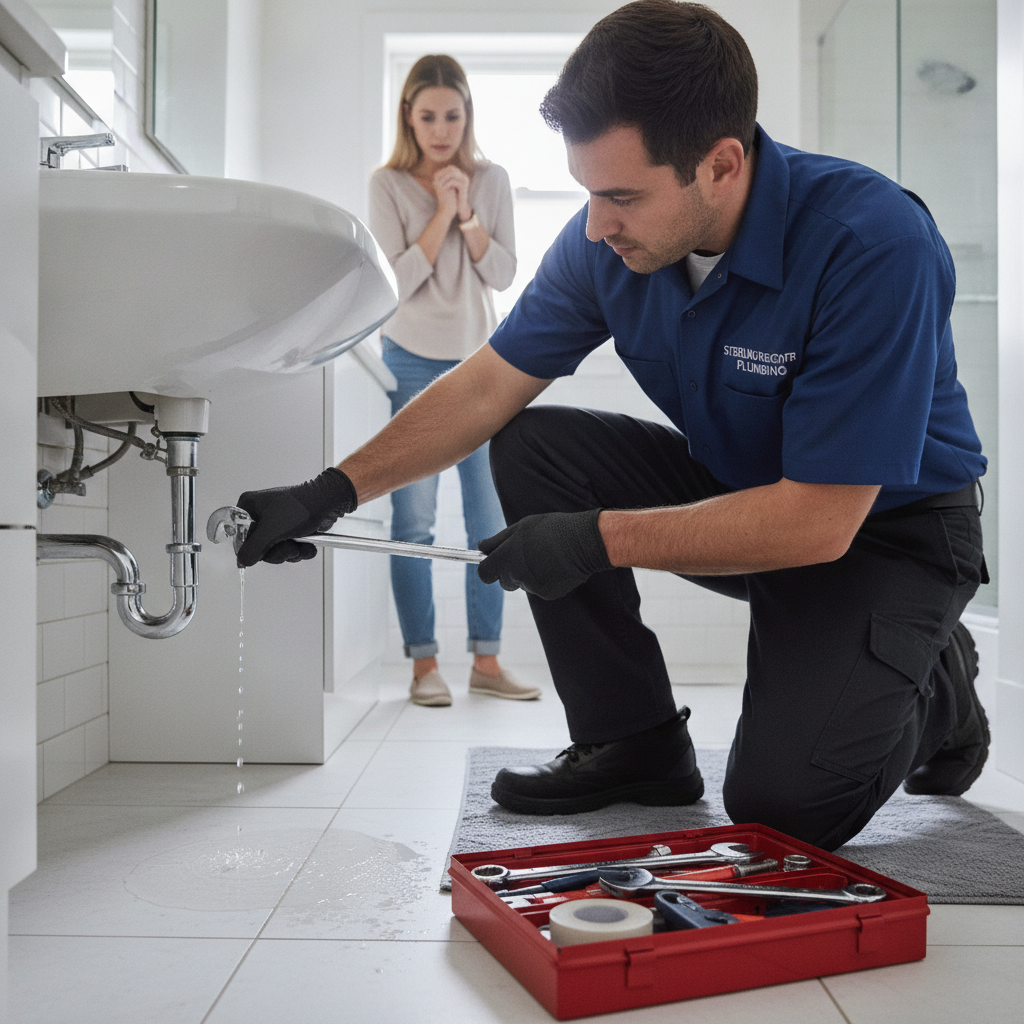
Plumbing emergencies can happen at any time, and knowing what to do in the first few moments can save you time, money, and stress. This Emergency Plumbing FAQ section addresses the most urgent questions residents and business owners in the neighborhood often ask. From sudden leaks to unexpected clogs, quick action is essential. One of the most common emergencies is a burst pipe, which can flood your property in minutes. If you notice water gushing or pooling unexpectedly, the first step is to shut off the main water supply. This prevents further damage until a professional can arrive. Another frequent issue is a backed-up sewer line, which can cause unpleasant odors and even health hazards. In these situations, avoid using water fixtures and call a plumber immediately.
Many people wonder what truly qualifies as a plumbing emergency. Generally, if the issue poses a risk to your property, safety, or health, it’s considered urgent. Examples include major leaks, sewage backups, gas line problems, or a complete loss of water. For less severe issues like a slow drain or a dripping faucet, you may be able to schedule a regular appointment. However, if you’re unsure, it’s always better to err on the side of caution and consult a professional.
Preparation is key. Keep the contact information of a trusted plumber handy, and familiarize yourself with the location of your main water shut-off valve. If you’re a business owner, make sure your staff knows these basics as well. In the event of an emergency, clear the area around the problem to allow the plumber easy access. For more information on reliable plumbing services in the region, check out DNA Honest Plumbing.
Emergency Plumbing FAQ in Sterling Heights, MI
If you’re searching for answers to your most pressing plumbing questions, this Emergency Plumbing FAQ for Sterling Heights, MI, is designed to help. Emergencies can be overwhelming, but knowing what to expect and how to respond can make a significant difference. The most common emergency calls in this city involve burst pipes during winter, overflowing toilets, and water heater failures. Each of these issues can escalate quickly if not addressed promptly.
A frequent question is, “How do I know if I need an emergency plumber?” If water is causing damage, sewage is backing up, or you smell gas, don’t hesitate to call for help. Time is of the essence, especially during extreme weather events. Residents are encouraged to insulate pipes before winter and to routinely check for leaks under sinks and around appliances. Preventative maintenance can reduce the risk of emergencies, but when disaster strikes, acting fast is crucial.
Another common concern is cost. Emergency plumbing services may carry a premium, especially after hours or on weekends. However, the expense is often justified by the potential savings in property damage and restoration costs. To help you prepare, here’s a quick reference table outlining typical emergency scenarios and recommended actions:
| Emergency Scenario | Immediate Action | Call a Plumber? |
|---|---|---|
| Burst Pipe | Shut off main water, clear area | Yes, immediately |
| Overflowing Toilet | Stop water supply, use plunger | If unresolved, yes |
| Sewer Backup | Avoid using water fixtures | Yes, immediately |
| Water Heater Leak | Turn off power/gas, contain leak | Yes |
If you want to learn more about how local experts handle emergencies, explore the Emergency Plumbing FAQ page for additional insights and tips.
Emergency Plumbing FAQ for Sterling Heights Michigan Homeowners
Homeowners in Sterling Heights Michigan often face unique plumbing challenges due to seasonal changes and aging infrastructure. This Emergency Plumbing FAQ section is tailored specifically for those managing properties in this city. One of the top concerns is frozen or burst pipes during cold snaps. To prevent this, insulate exposed pipes and keep a trickle of water running during extreme cold. If a pipe does burst, immediately shut off the main water supply and contact a professional.
Another frequent issue is water heater failure. If you notice water pooling around your heater or a sudden loss of hot water, turn off the power or gas supply and call for emergency service. Quick response can prevent further damage and restore comfort to your home. Sewer line backups are also a major concern, especially after heavy rains. Warning signs include slow drains, gurgling noises, and foul odors. If you notice these, avoid using water fixtures and seek help right away.
For a comprehensive list of emergency plumbing services, visit our site and get connected with local experts who can assist you 24/7. Remember, being proactive and informed is your best defense against plumbing disasters.
What to Do Before the Plumber Arrives
When a plumbing emergency occurs, your actions in the first few minutes are critical. Start by shutting off the main water supply to stop the flow and prevent further damage. Locate the shut-off valve, usually found in the basement, crawl space, or near the water meter. Next, turn off any electrical appliances near the affected area to prevent electrical hazards. If the issue involves a gas line, evacuate the building and contact emergency services immediately.
Clear the area around the problem so the plumber can access it easily. Place towels or buckets to contain water and minimize damage to floors and furniture. Document the damage with photos for insurance purposes. If you have time, make a list of all affected fixtures and appliances to help the plumber assess the situation quickly. These steps can save valuable time and reduce the risk of further complications once the plumber arrives.
Common Emergency Plumbing Issues Explained
Understanding the most common emergency plumbing issues can help you respond effectively. Burst pipes are often caused by freezing temperatures or corrosion. Signs include water stains, pooling, or a sudden drop in water pressure. Overflowing toilets are usually the result of blockages in the drain line. If plunging doesn’t resolve the issue, avoid flushing and call a professional. Sewer backups can lead to hazardous conditions and require immediate attention. Water heater leaks may indicate a failing tank or faulty valve, both of which need urgent repair.
Other emergencies include gas leaks, which are extremely dangerous and require evacuation and immediate professional intervention. If you smell gas or hear a hissing sound, leave the property and call emergency services. By recognizing these issues early, you can take swift action and minimize damage.
How to Prevent Plumbing Emergencies
Prevention is always better than cure when it comes to plumbing emergencies. Regular maintenance, such as inspecting pipes for leaks, cleaning drains, and servicing water heaters, can help you catch problems before they escalate. Insulate pipes in unheated areas to prevent freezing during winter. Avoid flushing non-degradable items down the toilet and keep grease out of the kitchen sink. Schedule annual inspections with a licensed plumber to identify potential issues early.
Educate everyone in your household or business about the location of the main water shut-off valve and how to use it. Keep emergency contact numbers handy and create a checklist of steps to follow in case of a plumbing crisis. By being proactive, you can reduce the risk of unexpected disasters and keep your property safe.
Choosing the Right Emergency Plumber
Selecting a reliable emergency plumber is crucial for resolving issues quickly and effectively. Look for licensed and insured professionals with positive reviews and a proven track record in the community. Ask about their response times, availability, and pricing structure. It’s wise to establish a relationship with a trusted plumber before an emergency occurs, so you know exactly who to call when the need arises.
Check if the plumber offers 24/7 emergency services and inquire about their experience with your specific type of property, whether residential or commercial. Transparency in communication and upfront estimates are also important factors. By doing your homework in advance, you can avoid the stress of searching for help during a crisis.
What to Expect During an Emergency Plumbing Visit
When you call an emergency plumber, expect a prompt response and a thorough assessment of the situation. The plumber will typically inspect the affected area, identify the source of the problem, and explain the necessary repairs. They may need to shut off water or gas lines to ensure safety. Once the issue is diagnosed, you’ll receive an estimate for the work required.
Emergency plumbing visits often involve immediate repairs to stabilize the situation, followed by recommendations for permanent solutions. Be prepared for some noise, disruption, and possibly the need to vacate certain areas of your property temporarily. Good communication with your plumber will help set expectations and ensure a smooth process.
Costs and Insurance for Emergency Plumbing Services
Emergency plumbing services can be more expensive than routine repairs, especially if they occur after hours or on holidays. It’s important to ask for a detailed estimate before work begins. Some plumbers charge a flat emergency fee, while others bill by the hour. Always clarify payment terms and accepted methods in advance.
Check your homeowner’s or business insurance policy to see if plumbing emergencies are covered. Many policies include coverage for sudden and accidental water damage, but exclusions may apply. Keep records of all repairs and take photos for your insurance claim. Promptly notifying your insurer can expedite the claims process and help you recover costs.
Expert Tips for Minimizing Damage
While waiting for emergency plumbing help, there are steps you can take to minimize damage. Use towels, buckets, or wet/dry vacuums to contain and remove water. Move valuables and electronics away from affected areas. If you have fans or dehumidifiers, use them to speed up drying and prevent mold growth. Avoid using electrical outlets near water and keep children and pets away from the scene.
If you suspect a sewage backup, avoid contact with contaminated water and wear protective gear if necessary. Document all damage for insurance purposes and keep a log of your actions. These measures can make a significant difference in the aftermath of a plumbing emergency.
Final Thoughts
Plumbing emergencies are stressful, but with the right knowledge and preparation, you can respond effectively and minimize damage. This Emergency Plumbing FAQ has covered the most common scenarios, immediate actions to take, and tips for choosing the right professional in your community. Remember to stay calm, act quickly, and keep essential contact information handy. Regular maintenance and proactive measures can help you avoid many emergencies altogether. When in doubt, don’t hesitate to call a trusted expert. By following the advice in this guide, you’ll be better equipped to handle any plumbing crisis that comes your way.