Plumbing emergencies can strike at the most inconvenient times, causing stress and unexpected expenses for business owners, property developers, and residents alike. While calling an emergency plumber is sometimes unavoidable, the best strategy is to prevent issues before they escalate. That’s where preventative plumbing tips come in. By understanding how plumbing systems work and implementing a few simple habits, you can save money, avoid downtime, and keep your property running smoothly. In this guide, we’ll explore expert advice from the region’s most trusted emergency plumbers, focusing on practical steps anyone can take to reduce the risk of leaks, clogs, and costly repairs. Whether you manage a commercial property, oversee new developments, or simply want peace of mind at home, these preventative plumbing tips will help you stay ahead of problems and maintain a healthy, efficient system. Let’s dive into the essential strategies that keep plumbing disasters at bay and ensure your pipes, fixtures, and drains work reliably year-round.
Preventative Plumbing Tips for Sterling Heights
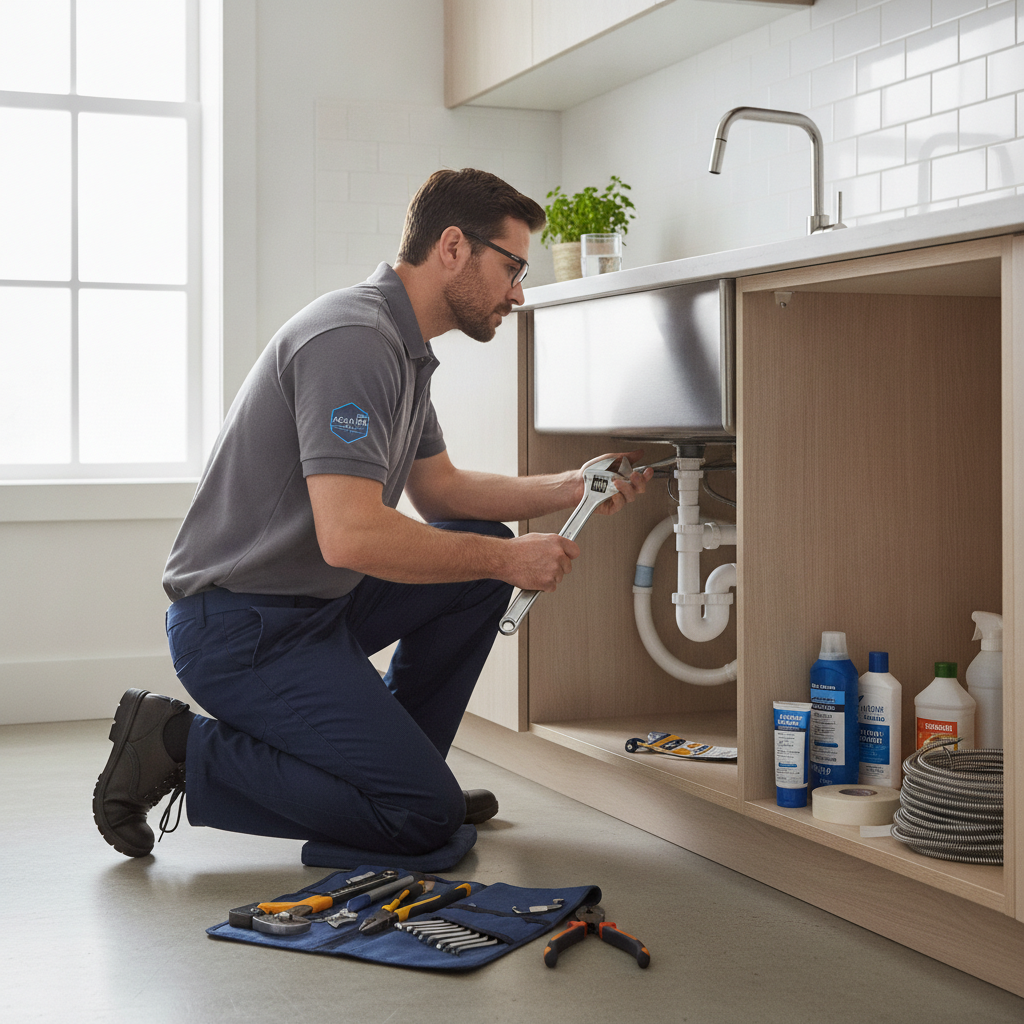
Every property owner in this community knows the value of a reliable plumbing system. Preventative plumbing tips are essential for avoiding sudden breakdowns and expensive repairs. By taking proactive steps, you can extend the lifespan of your pipes and fixtures, ensuring your business or home continues to run smoothly. One of the most important things you can do is schedule regular inspections. Even if everything seems fine, a professional plumber can spot early signs of corrosion, leaks, or wear that might otherwise go unnoticed. This is especially crucial for older buildings, where aging pipes are more susceptible to issues.
Another key preventative measure is to monitor water pressure. High pressure can strain your pipes and lead to leaks or bursts. Installing a pressure regulator is a simple way to protect your plumbing system. Additionally, be mindful of what goes down your drains. Avoid flushing items like wipes, paper towels, or grease, as these can cause stubborn clogs. Implementing drain screens in sinks and showers helps catch debris before it enters your pipes, making maintenance much easier.
For business owners, it’s wise to educate staff on proper plumbing use. Simple reminders, such as not disposing of food waste in sinks or using only approved cleaning products, can make a significant difference. Regularly check for leaks under sinks, around toilets, and in utility rooms. Even a small drip can waste hundreds of gallons of water over time and lead to hidden water damage. If you’re unsure about the condition of your pipes, consider seeking Sterling Heights preventative plumbing advice from local experts who understand the unique challenges of the area’s infrastructure.
Seasonal changes can also impact your plumbing. In colder months, insulate exposed pipes to prevent freezing, which can cause pipes to burst. During heavy rain, ensure gutters and downspouts are clear to direct water away from your foundation. These preventative plumbing tips are not just about avoiding emergencies, they’re about building a resilient property that can handle whatever comes its way. By making these practices part of your routine, you’ll save time, money, and stress in the long run.
Preventative Plumbing Tips for Sterling Heights, MI
When it comes to preventative plumbing tips, property owners in this city benefit from a local approach tailored to the climate and infrastructure. The region’s changing seasons, from icy winters to humid summers, place unique demands on plumbing systems. One effective strategy is to perform seasonal maintenance checks. Before winter, inspect outdoor faucets and irrigation lines, draining and shutting them off to prevent freezing. In spring, check for any leaks or damage caused by ice and thaw cycles.
Routine maintenance is the cornerstone of plumbing longevity. Schedule annual professional inspections to assess the condition of your water heater, sump pump, and main sewer line. These checks can reveal sediment buildup, corrosion, or tree root intrusions before they become emergencies. For businesses, create a maintenance calendar that includes regular flushing of water heaters and cleaning of grease traps. This not only prevents clogs but also ensures compliance with local health and safety regulations.
Water quality is another consideration for the neighborhood. Hard water can accelerate mineral buildup in pipes and appliances, reducing efficiency and increasing the risk of blockages. Installing a water softener is a smart preventative measure that protects your plumbing investment. Additionally, keep an eye on your water bill. A sudden spike may indicate a hidden leak, which, if left unchecked, can cause significant structural damage.
For those looking to further safeguard their property, explore plumbing maintenance suggestions from professionals who understand the specific needs of this region. Preventative plumbing tips should be part of every property manager’s toolkit, helping to avoid disruptions and costly repairs. By staying proactive, you’ll ensure your plumbing system remains reliable, efficient, and ready to handle the demands of daily use.
Preventative Plumbing Tips for Sterling Heights Michigan
Residents and business owners in the area know that preventative plumbing tips are vital for maintaining a safe and efficient environment. One of the most overlooked aspects of plumbing care is the importance of early detection. Small leaks, slow drains, or unusual noises can be early warning signs of larger problems. Addressing these issues promptly can prevent them from escalating into emergencies that disrupt your operations or daily life.
Another essential tip is to familiarize yourself with the location of your main water shut-off valve. In the event of a burst pipe or major leak, shutting off the water supply quickly can minimize damage. Make sure everyone in your household or team knows where the valve is and how to operate it. Regularly test the valve to ensure it functions smoothly, as valves can become stuck over time.
Preventative plumbing tips also include keeping an eye on appliance hoses and connections. Washing machines, dishwashers, and ice makers are common sources of leaks. Inspect hoses for cracks, bulges, or signs of wear, and replace them every five years or as recommended by the manufacturer. Using stainless steel braided hoses adds an extra layer of protection against unexpected bursts.
Finally, consider installing smart water sensors in areas prone to leaks, such as basements, bathrooms, and kitchens. These devices alert you to moisture before it becomes a major problem, allowing you to act quickly. Preventative plumbing tips like these empower property owners to take control of their plumbing systems, reducing the risk of emergencies and preserving the value of their investment.
The Importance of Routine Plumbing Inspections
Routine plumbing inspections are a cornerstone of effective preventative plumbing tips. Professional inspections catch issues that might be invisible to the untrained eye, such as hidden leaks, pipe corrosion, or early signs of root intrusion in sewer lines. These problems, if left unchecked, can lead to major water damage or costly repairs. By scheduling inspections annually or biannually, you ensure that your plumbing system is always in top condition.
During an inspection, plumbers use specialized tools like video cameras to examine pipes from the inside. This allows them to identify blockages, cracks, or buildup that could impede water flow. They also check water pressure, inspect fixtures for leaks, and assess the condition of valves and joints. For commercial properties, inspections may include checking backflow prevention devices and grease traps, which are critical for compliance and safety.
Routine inspections are not just about finding problems, they’re about creating a maintenance plan tailored to your property’s needs. Plumbers can recommend preventative plumbing tips specific to your building’s age, materials, and usage patterns. This proactive approach helps you budget for repairs, plan upgrades, and avoid unexpected disruptions. In the long run, investing in regular inspections saves money by catching minor issues before they become emergencies.
Common Plumbing Problems and How to Prevent Them
Understanding the most frequent plumbing problems is the first step in applying effective preventative plumbing tips. Clogged drains, leaky faucets, running toilets, and burst pipes are among the top issues faced by property owners. Each of these problems can be prevented with simple habits and regular maintenance.
Clogged drains are often caused by improper disposal of food, grease, or non-flushable items. To prevent blockages, use drain screens and avoid pouring fats or oils down the sink. Leaky faucets are typically the result of worn washers or seals, which are inexpensive to replace. Addressing leaks promptly not only conserves water but also prevents damage to cabinets and flooring.
Running toilets can waste hundreds of gallons of water each day. This issue is usually caused by a faulty flapper or fill valve. Regularly check your toilets for silent leaks by adding a few drops of food coloring to the tank, if the color appears in the bowl without flushing, you have a leak. Burst pipes are most common in winter when water freezes and expands inside the pipes. Insulating exposed pipes and keeping indoor temperatures above freezing are key preventative plumbing tips for avoiding this costly problem.
Seasonal Plumbing Maintenance Checklist
Seasonal changes bring unique challenges for plumbing systems. Following a seasonal maintenance checklist ensures that your pipes, fixtures, and appliances are prepared for whatever the weather brings. In the fall, disconnect and drain outdoor hoses, shut off exterior faucets, and insulate exposed pipes to prevent freezing. Clean gutters and downspouts to direct water away from your foundation, reducing the risk of basement flooding.
In winter, keep cabinet doors open under sinks to allow warm air to circulate around pipes. If you plan to be away, set your thermostat to at least 55°F to prevent frozen pipes. In spring, check for leaks or damage caused by ice and thaw cycles, and inspect your sump pump to ensure it’s working properly. Summer is a good time to flush your water heater, clean aerators on faucets, and check for slow drains.
By following these preventative plumbing tips each season, you’ll minimize the risk of emergencies and keep your plumbing system running efficiently year-round. Make this checklist part of your regular property maintenance routine for peace of mind and long-term savings.
Table: Quick Reference for Preventative Plumbing Tips
| Issue | Prevention Tip | Frequency |
|---|---|---|
| Clogged Drains | Use drain screens, avoid grease | Weekly |
| Leaky Faucets | Replace washers/seals | Annually |
| Frozen Pipes | Insulate pipes, maintain heat | Seasonally |
| Running Toilets | Check flapper/fill valve | Quarterly |
| Hidden Leaks | Monitor water bills, inspect regularly | Monthly |
How to Educate Staff and Tenants on Plumbing Best Practices
For business owners and property managers, sharing preventative plumbing tips with staff and tenants is crucial. Clear communication helps everyone understand their role in maintaining a healthy plumbing system. Start by providing simple guidelines, such as what can and cannot be flushed or poured down drains. Post reminders in restrooms and kitchens to reinforce these habits.
Organize periodic training sessions or distribute informational handouts that outline best practices. Demonstrate how to spot early warning signs of plumbing issues, such as slow drains, water stains, or unusual odors. Encourage prompt reporting of any problems, as early intervention is key to preventing costly repairs.
Consider implementing a checklist for staff to follow during daily or weekly cleaning routines. This can include checking for leaks, ensuring drain screens are in place, and verifying that toilets and faucets are functioning properly. By making preventative plumbing tips part of your organizational culture, you’ll foster a sense of ownership and responsibility among everyone who uses the property.
Smart Technology for Modern Plumbing Prevention
Advancements in technology have made it easier than ever to implement preventative plumbing tips. Smart water sensors, leak detectors, and automated shut-off valves provide real-time alerts when a problem is detected. These devices can be installed in high-risk areas such as basements, bathrooms, and kitchens, offering peace of mind for property owners who travel frequently or manage multiple locations.
Many smart systems integrate with mobile apps, allowing you to monitor your plumbing system remotely. If a leak is detected, you can receive instant notifications and take action before significant damage occurs. Some systems even allow you to shut off the main water supply with the tap of a button, minimizing the impact of leaks or bursts.
Incorporating smart technology into your preventative plumbing tips not only protects your property but also adds value and convenience. As these systems become more affordable and user-friendly, they are quickly becoming a standard feature in modern buildings. Investing in smart plumbing solutions is a proactive step toward long-term maintenance and reliability.
The Role of Water Quality in Plumbing Longevity
Water quality plays a significant role in the effectiveness of preventative plumbing tips. Hard water, which contains high levels of minerals like calcium and magnesium, can cause scale buildup inside pipes and appliances. Over time, this buildup restricts water flow, reduces efficiency, and increases the risk of blockages and leaks.
Installing a water softener is a practical solution for areas with hard water. Softened water reduces scale accumulation, extends the lifespan of your plumbing system, and improves the performance of water-using appliances. Regularly cleaning faucet aerators and showerheads also helps prevent mineral buildup and maintains strong water pressure.
Monitoring water quality is an ongoing process. Test your water annually to identify any changes in mineral content or the presence of contaminants. If you notice stains, odors, or changes in taste, consult a professional for recommendations. By including water quality management in your preventative plumbing tips, you’ll ensure your system remains efficient and trouble-free for years to come.
When to Call a Professional for Preventative Plumbing
While many preventative plumbing tips can be implemented by property owners, some situations require professional expertise. If you encounter persistent clogs, recurring leaks, or unexplained spikes in your water bill, it’s time to call a licensed plumber. Professionals have the tools and experience to diagnose complex problems, perform thorough inspections, and recommend targeted solutions.
Regular professional maintenance is especially important for commercial properties and older buildings. Plumbers can perform tasks like hydro-jetting to clear stubborn blockages, inspecting sewer lines with cameras, and testing backflow prevention devices. These services go beyond basic maintenance, addressing underlying issues that could lead to major emergencies if left unchecked.
Don’t wait until a minor issue becomes a crisis. Incorporate professional inspections and services into your preventative plumbing tips for comprehensive protection. By partnering with trusted local experts, you’ll ensure your plumbing system is always in peak condition.
Final Thoughts
Preventative plumbing tips are the key to avoiding costly emergencies and maintaining a safe, efficient property. By adopting proactive habits, scheduling regular inspections, and staying informed about the latest technology and best practices, you can protect your investment and ensure peace of mind. Whether you’re a business owner, developer, or homeowner, making preventative plumbing tips part of your routine will save you time, money, and stress in the long run. Remember, a little effort today can prevent major headaches tomorrow. Stay vigilant, stay informed, and enjoy the benefits of a well-maintained plumbing system for years to come.