Becoming a new homeowner is an exciting milestone, but it also comes with its fair share of responsibilities, especially when it comes to emergency plumbing. Whether you’re a small business owner, a local developer, or simply settling into your first house, understanding the basics of new homeowner emergency plumbing Sterling Heights can save you time, money, and stress. Plumbing emergencies can strike at any time, and knowing how to respond quickly and effectively is essential for protecting your investment and keeping your home safe. In this comprehensive guide, we’ll walk you through the most common plumbing emergencies, how to handle them, and what preventative steps you can take to minimize risks. With the right knowledge, you’ll feel confident managing unexpected plumbing issues and know when to call in the pros. Let’s dive into everything you need to know about emergency plumbing for new homeowners in this community, so you’re never caught off guard.
New Homeowner Emergency Plumbing in the Area
Moving into a new home is a significant transition, and plumbing issues are among the most common surprises new homeowners face. The phrase “new homeowner emergency plumbing Sterling Heights” is more than just a search term, it’s a real concern for anyone settling into this neighborhood. From burst pipes to sudden leaks, emergencies can occur without warning. Knowing what to do in those first critical moments can make all the difference.
The most frequent emergencies include clogged drains, overflowing toilets, leaking water heaters, and frozen pipes. Each of these issues can quickly escalate if not addressed promptly. As a new homeowner, it’s vital to familiarize yourself with the location of your main water shut-off valve and learn how to turn off water to specific fixtures. This simple knowledge can prevent extensive water damage and costly repairs.
Another important step is to build a relationship with a trusted local plumber. Services like DNA Honest Plumbing offer advanced solutions such as hydro-jetting, which can clear stubborn blockages and keep your pipes flowing smoothly. Having a reliable professional on speed dial ensures you’re never left scrambling during an emergency.
Preventative maintenance is also key. Schedule annual inspections to catch potential problems before they become emergencies. Look for signs of trouble, such as slow drains, water stains on ceilings or walls, and fluctuating water pressure. Addressing these issues early can save you from bigger headaches down the line.
Finally, create an emergency plumbing kit for your home. Stock it with essentials like a plunger, pipe wrench, plumber’s tape, and towels. This simple preparation can help you manage minor issues until professional help arrives. By staying informed and proactive, you’ll be well-equipped to handle any emergency plumbing situation that arises as a new homeowner in the area.
New Homeowner Emergency Plumbing in Sterling Heights, MI
Understanding the unique plumbing challenges in Sterling Heights, MI is crucial for new homeowners. The region’s climate, with its cold winters and warm summers, can put extra stress on plumbing systems. Frozen pipes are a particular concern during the colder months, and knowing how to prevent and respond to this issue is essential.
If a pipe freezes, it’s important to act quickly. Turn off the main water supply to prevent the pipe from bursting, and gently warm the affected area with a hairdryer or heating pad. Never use an open flame, as this can damage the pipes or create a fire hazard. Insulating exposed pipes before winter arrives is the best way to prevent freezing in the first place.
Other emergencies, such as sewer backups or water heater failures, require immediate attention. In these cases, professional emergency plumbing services can provide rapid response and expert solutions. Local plumbers are familiar with the area’s building codes and common issues, making them a valuable resource for new homeowners.
It’s also wise to familiarize yourself with your home’s plumbing layout. Locate the shut-off valves for sinks, toilets, and appliances, and make sure everyone in your household knows how to use them. Keep important contact numbers handy, including your plumber, utility companies, and insurance provider.
Regular maintenance and prompt action during emergencies can help you avoid costly repairs and protect your investment. By staying prepared and informed, you’ll ensure your home’s plumbing system remains reliable and efficient, no matter what challenges arise in Sterling Heights, MI.
New Homeowner Emergency Plumbing in Sterling Heights Michigan
For those who have recently purchased property in Sterling Heights Michigan, understanding the essentials of new homeowner emergency plumbing Sterling Heights is a must. The area’s mix of older homes and new developments means that plumbing systems can vary widely in age and condition. This diversity brings unique challenges and opportunities for proactive homeowners.
One of the first steps after moving in should be a thorough inspection of your plumbing system. Look for signs of aging pipes, corrosion, or outdated fixtures. If your home has a basement, check for sump pumps and ensure they’re functioning properly, as this region can experience heavy rains that lead to flooding.
Water quality is another consideration. Hard water can lead to mineral buildup in pipes and appliances, reducing efficiency and lifespan. Installing water softeners or filtration systems can help mitigate these issues. Regularly check for leaks under sinks, around toilets, and near water heaters, as even small drips can indicate larger problems.
In the event of a plumbing emergency, quick thinking and the right tools are your best defense. Keep a list of emergency contacts and know the basics of shutting off water and gas supplies. If you’re unsure about any aspect of your plumbing system, don’t hesitate to consult a professional. Many local plumbers offer emergency services and can provide guidance specific to Sterling Heights Michigan homes.
Being proactive about maintenance and repairs will help you avoid unexpected emergencies and keep your home’s plumbing in top condition. With the right knowledge and resources, new homeowners can confidently manage any plumbing challenge that comes their way in Sterling Heights Michigan.
Common Plumbing Emergencies for New Homeowners
Every new homeowner should be aware of the most common plumbing emergencies that can occur. These issues often strike without warning and can cause significant damage if not addressed promptly. Understanding what to look for and how to respond can make all the difference in protecting your home and minimizing repair costs.
- Burst Pipes: Often caused by freezing temperatures or aging infrastructure, burst pipes can flood your home in minutes. Turn off the main water supply immediately and call a professional.
- Clogged Drains: Hair, grease, and debris are common culprits. Use a plunger or drain snake for minor clogs, but avoid chemical cleaners that can damage pipes.
- Overflowing Toilets: Usually the result of blockages, this issue requires quick action to prevent water damage. Shut off the water supply to the toilet and use a plunger to clear the blockage.
- Leaking Water Heaters: Signs include pooling water, rust, or strange noises. Turn off the power or gas supply and contact a plumber for repairs or replacement.
- Sewer Backups: Foul odors and slow drains can indicate a backup. Stop using water in the home and call for professional help immediately.
By staying vigilant and knowing how to respond to these emergencies, new homeowners can prevent small problems from becoming major disasters. Regular maintenance and prompt action are your best defenses against unexpected plumbing issues.
Essential Tools for Emergency Plumbing
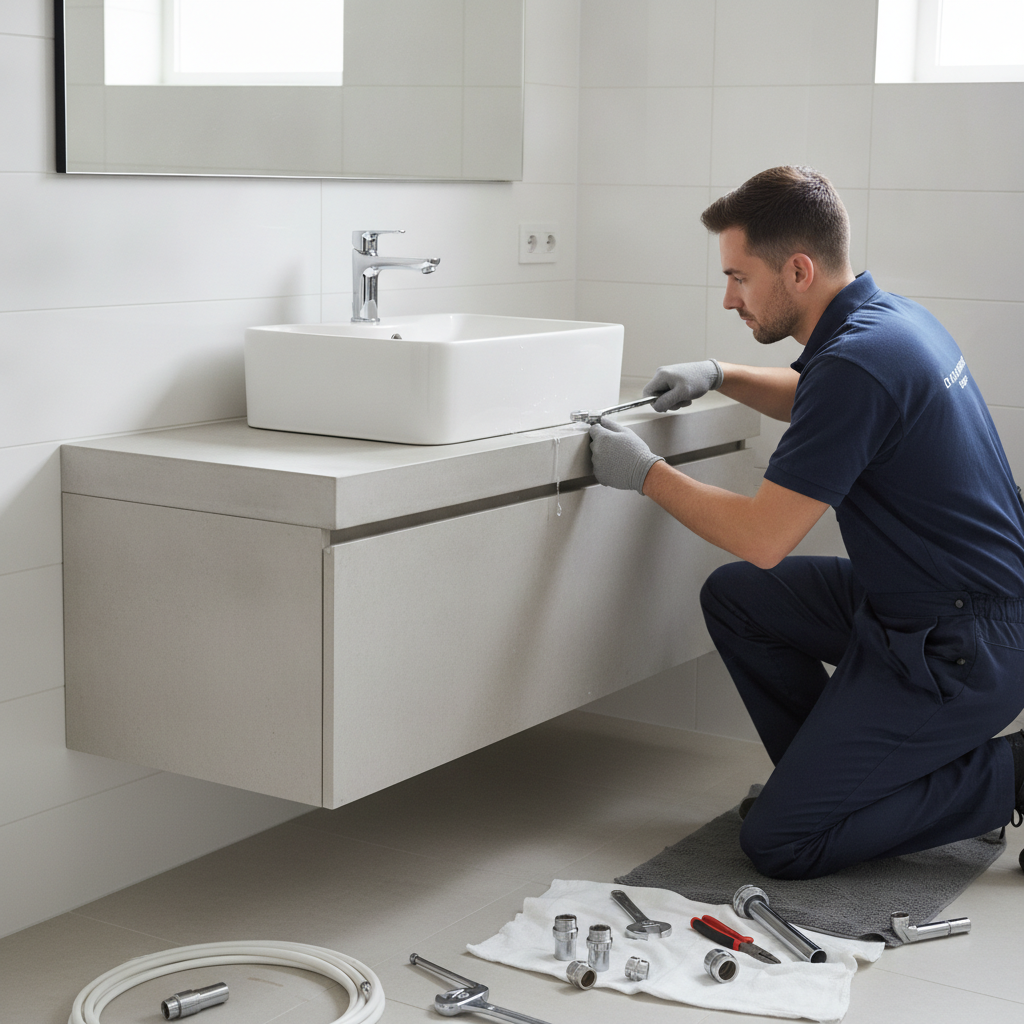
Being prepared for a plumbing emergency means having the right tools on hand. Every new homeowner should assemble a basic toolkit to handle minor issues until professional help arrives. Here are some essential items to include:
- Plunger: Indispensable for clearing clogged toilets and drains.
- Adjustable Wrench: Useful for tightening or loosening pipe fittings.
- Pipe Wrench: Provides extra leverage for stubborn pipes.
- Plumber’s Tape: Helps seal leaking joints and fittings.
- Bucket and Towels: For catching and cleaning up water spills.
- Flashlight: Essential for working in dark or hard-to-reach areas.
- Drain Snake: Useful for clearing tough clogs in sinks and tubs.
- Gloves: Protect your hands from dirty water and sharp objects.
Having these tools readily available can help you manage minor emergencies and prevent further damage. Store your kit in an easily accessible location and make sure all household members know where to find it. Being prepared is the first step toward effective emergency plumbing management.
Preventative Maintenance Tips for New Homeowners
Prevention is always better than cure, especially when it comes to plumbing. New homeowners can avoid many emergencies by implementing a few simple maintenance routines. Regular inspections and upkeep can extend the life of your plumbing system and save you from unexpected repairs.
- Check for Leaks: Inspect under sinks, around toilets, and near appliances for signs of moisture or water stains.
- Clean Drains Regularly: Use natural cleaners or a drain snake to prevent buildup and blockages.
- Insulate Pipes: Especially in colder climates, insulation can prevent freezing and bursting.
- Test Water Pressure: High pressure can strain pipes and fixtures. Use a gauge to ensure it’s within safe limits.
- Schedule Professional Inspections: Annual check-ups by a licensed plumber can catch issues early.
By staying proactive with maintenance, you’ll reduce the risk of emergencies and keep your home’s plumbing running smoothly. Consistent care is the key to long-term peace of mind for new homeowners.
How to Shut Off Water During an Emergency
Knowing how to shut off your home’s water supply is crucial during a plumbing emergency. Quick action can prevent extensive water damage and save you from costly repairs. Every new homeowner should take the time to locate and test their main shut-off valve as soon as they move in.
- Main Shut-Off Valve: Typically located in the basement, crawl space, or near the water meter. Turn the valve clockwise to stop water flow to the entire house.
- Fixture Shut-Off Valves: Found under sinks and behind toilets. Use these to isolate problems without shutting off water to the whole home.
- Outdoor Shut-Off: For garden hoses and exterior faucets, especially important to prevent freezing in winter.
Practice turning these valves periodically to ensure they operate smoothly. In an emergency, every second counts, and being prepared can make all the difference.
When to Call a Professional Plumber
While many minor plumbing issues can be handled by homeowners, some situations require the expertise of a professional. Knowing when to call for help can prevent further damage and ensure your home’s plumbing system is repaired safely and effectively.
- Major Leaks or Flooding: If you can’t stop the water flow, call a plumber immediately.
- Sewer Backups: These can pose serious health risks and require specialized equipment to resolve.
- Water Heater Failures: Repairs often involve gas or electrical components and should be left to professionals.
- Persistent Clogs: If plungers and drain snakes don’t work, there may be a deeper issue in your pipes.
- Low Water Pressure: This can indicate hidden leaks or problems with the main supply line.
Don’t hesitate to call a licensed plumber if you’re unsure about the severity of a problem. Prompt professional intervention can save you time, money, and stress in the long run.
Emergency Plumbing Checklist for New Homeowners
Having a clear plan in place can make all the difference during a plumbing emergency. Use this checklist to prepare your home and family for the unexpected:
| Task | Frequency |
|---|---|
| Locate main water shut-off valve | Upon move-in, review annually |
| Inspect pipes for leaks | Monthly |
| Test shut-off valves | Twice a year |
| Clean drains and traps | Monthly |
| Schedule professional inspection | Annually |
| Review emergency contacts | Annually |
By following this checklist, you’ll be prepared to handle emergencies efficiently and protect your home from unnecessary damage.
Tips for Communicating with Your Plumber
Effective communication with your plumber can speed up repairs and ensure the best outcome during an emergency. Here are some tips for making the process as smooth as possible:
- Describe the Issue Clearly: Provide as much detail as possible about the problem, including when it started and any steps you’ve taken.
- Take Photos or Videos: Visuals can help your plumber assess the situation before arriving.
- Ask About Costs: Request an estimate for both the service call and any potential repairs.
- Discuss Preventative Measures: Ask for advice on how to avoid similar issues in the future.
- Keep Records: Document all repairs and maintenance for future reference.
Clear communication ensures that your plumber can address the issue efficiently and helps you make informed decisions about your home’s plumbing system.
What to Expect During a Plumbing Emergency Visit
When you call a plumber for an emergency, knowing what to expect can help you stay calm and organized. Here’s a typical sequence of events during an emergency plumbing visit:
- Initial Assessment: The plumber will ask questions about the issue and inspect the affected area.
- Damage Control: Immediate steps may be taken to stop water flow and prevent further damage.
- Diagnosis: The plumber will identify the root cause of the problem using specialized tools if necessary.
- Repair or Replacement: Depending on the issue, repairs may be completed on the spot, or parts may need to be ordered.
- Cleanup and Advice: The plumber will clean up the work area and provide tips for ongoing maintenance.
Being prepared for each step will help you manage the situation effectively and ensure your home returns to normal as quickly as possible.
Key Takeaways
Navigating new homeowner emergency plumbing Sterling Heights can feel overwhelming at first, but with the right information and preparation, you’ll be ready to handle any situation. Remember to familiarize yourself with your home’s plumbing system, keep essential tools on hand, and build a relationship with a trusted local plumber. Preventative maintenance, quick action during emergencies, and clear communication with professionals are your best strategies for protecting your investment and enjoying peace of mind in your new home. By following the guidance in this guide, you’ll ensure your home’s plumbing remains reliable and efficient for years to come. Stay proactive, stay informed, and you’ll be well-equipped to manage any emergency plumbing challenge that comes your way.