Skip to content
Shut off your main water valve immediately and cut power to any wet electrical outlets or appliances; move people, kids, and pets to safety. Contain flow with buckets, towels, and a wrench-ready kit, then make a temporary patch—epoxy putty for pinholes or rubber and hose clamps for small cracks—and test slowly. Call an emergency plumber if the fix fails or source is unclear, document damage for insurance, and keep drying gear handy; keep going to learn full cleanup and prevention steps.
Key Takeaways
- Shut off the main water valve immediately to stop flow and reduce flooding.
- Cut power to nearby outlets and appliances if water approaches electrical sources.
- Contain water with buckets, towels, and temporary seals while documenting damage with photos.
- Apply a temporary repair (epoxy putty, rubber wrap and hose clamps) after drying the pipe area.
- Call an emergency plumber if the source is uncertain or temporary fixes fail; record arrival and estimates for insurance.
Immediate Steps to Stop the Leak and Protect People
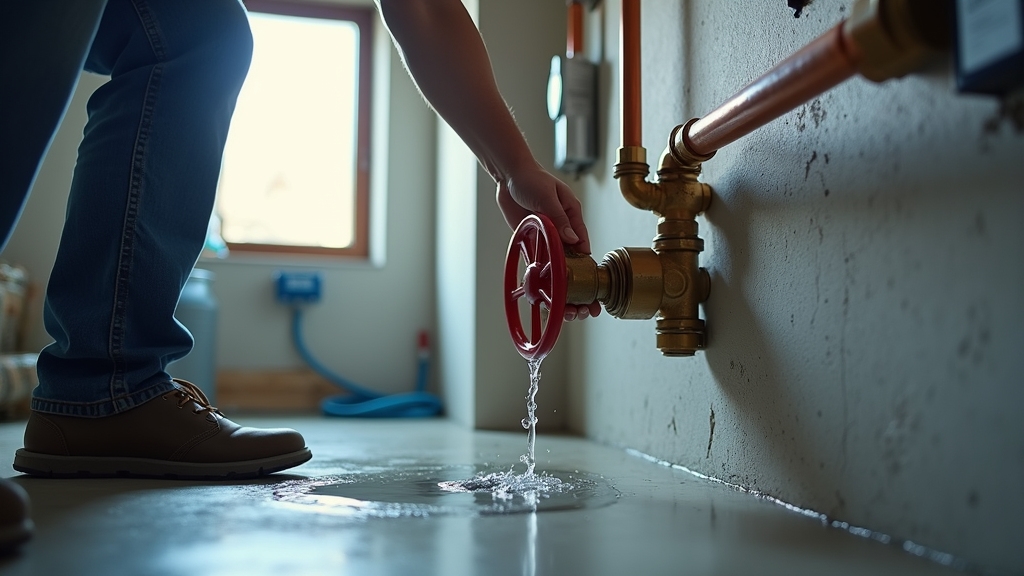
Shut off the main water valve right away to stop the flow, then cut power to nearby outlets and appliances if water’s near electrical sources.
Shut off the main water valve immediately, then disconnect nearby power if water reaches outlets or appliances.
You’ll want to prioritize electrical isolation to reduce shock risk; don’t touch wet appliances until power’s confirmed off.
Next, assess who’s in immediate danger — anyone with mobility issues, children, or pets — and move them to a safe, dry area.
If standing water’s deep or you smell gas, evacuate immediately and call emergency services; include clear evacuation planning so everyone knows exit routes and a rendezvous point.
Contain the leak area by placing buckets and towels to limit spread, and prop open doors to ventilate if safe.
Keep everyone informed: explain hazards, where to go, and what you’ve shut off.
Once people are secure, document damage with photos before cleanup.
Call a licensed plumber and your utility company to restore service safely rather than attempting risky electrical or structural fixes yourself.
Essential Tools and Supplies to Have Ready
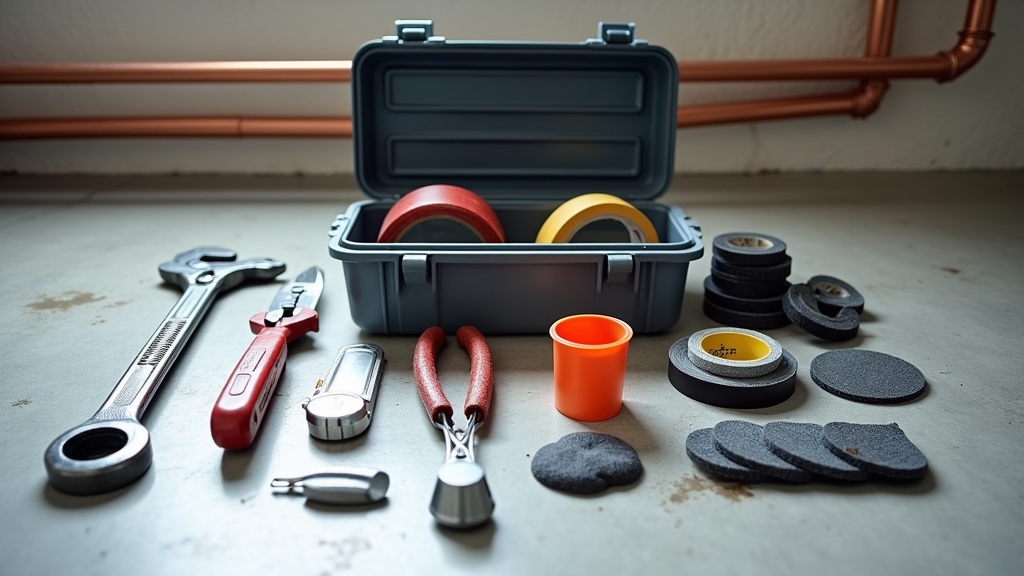
When a burst pipe happens, having a compact kit ready will speed your response and limit damage: include a wrench or water-stop tool to turn valves, heavy-duty gloves, absorbent rags or towels, buckets, a flashlight with fresh batteries, plastic sheeting and tape for temporary seals, and a battery-powered or cellular phone charger.
Keep an inventory checklist so you can verify contents quickly and replace used items.
Store the kit near the water shutoff and make storage organization simple — a clearly labeled bin or wall-mounted case saves precious minutes.
Add a small first-aid kit, a portable radio, and waterproof marker for notes.
Periodically inspect batteries, tape, and rags; update the inventory checklist after use or seasonal changes.
If you rent space in a closet or garage, make sure moisture won’t damage supplies.
With a compact, well-organized kit and clear inventory checklist, you’ll be ready to act immediately, reduce water damage, and protect household members until professional help arrives.
Quick Temporary Repairs You Can Do Yourself
With your emergency kit within reach, you can move on to simple temporary repairs that stop water flow and limit damage until a plumber arrives. First, shut off the water and dry the area. For small pinholes, knead epoxy putty per instructions, press it over the clean, dry leak, and let it cure. For longer cracks, wrap rubber wrap tightly around the pipe, then secure with hose clamps or strong tape. Monitor the repair and keep a bucket underneath.
| Repair Type | Quick Steps |
| Pinholes | Clean, apply epoxy putty, let cure |
| Small cracks | Rubber wrap tightly, clamp or tape |
| Joint leaks | Tighten fittings, use epoxy if needed |
| Temporary seal tests | Turn water on slowly, watch for drips |
Keep tools handy and check the repair periodically. These fixes buy time and reduce damage but aren’t permanent; plan for a professional replacement when feasible.
When and How to Contact an Emergency Plumber
If a temporary patch doesn’t stop the leak, or you’re unsure about the source, call an emergency plumber right away—don’t wait for water damage to get worse.
When you call, give clear details: location, visible damage, and whether utilities are shut off.
Ask about response time and expected costs before they arrive.
- Confirm the plumber credentials and request ID when they arrive so you know they’re licensed.
- Ask if they accept your insurance and what documentation you’ll need for Insurance Coverage claims.
- Request a written estimate for emergency repairs and any temporary measures they’ll take.
- Get a brief explanation of permanent repair options and timelines so you can decide next steps.
You should stay safe, keep clear of flooded areas, and document damage with photos for insurers.
A prompt, credentialed professional will limit disruption and help you navigate insurance and repairs efficiently.
Minimizing Water Damage and Preventing Mold
After calling the plumber and making temporary repairs, act quickly to limit water damage and stop mold before it starts. Remove standing water with pumps or wet/dry vacuums, and move soaked items outside or to a dry area.
Open windows and run fans to accelerate drying, and use dehumidifiers to pull moisture from walls and flooring. Inspect drywall, insulation, and carpet; cut away saturated materials that won’t dry within 48 hours to prevent mold colonies.
Clean hard surfaces with detergent and a mold-inhibiting solution, and wear gloves and a mask while handling contaminated items.
Document damage with photos for insurance, and schedule professional remediation if contamination is extensive. After recovery, address underlying causes: make sure proper landscape grading to direct water away from foundations, and consider ventilation upgrades in basements and crawlspaces to reduce humidity. Regular inspections and prompt action will minimize long-term damage and health risks.
Frequently Asked Questions
Can Water Damage My Home’s Electrical System if a Pipe Bursts?
Yes — water can damage your home’s electrical system, creating electrical hazards and frying circuits. You’ll risk appliance damage, short circuits, and fires; shut power off, avoid contact, and call an electrician and water remediation promptly.
Will My Homeowner’s Insurance Cover Burst Pipe Repairs and Water Damage?
Usually yes, but it depends: you’ll need to check policy exclusions and whether sudden accidental bursts are covered. Your deductible impact matters, so expect to pay that amount before insurance covers eligible repairs and water damage.
Can I Safely Shut off a Frozen Pipe Without Replacing It First?
Yes — you can shut off a frozen pipe, but follow a proper Shutoff Procedure and do a thorough Pipe Inspection afterward; you’ll avoid pressure buildup and check for cracks or leaks before deciding whether replacement’s necessary.
How Long After a Burst Pipe Is It Safe to Return Home?
You can generally return once cleanup’s done, water’s off, and professionals confirm no ongoing leaks; expect 24–72 hours for safety checks to prevent Mold Growth and assess Structural Integrity so living spaces aren’t compromised.
Are There Temporary Fixes That Won’t Void My Plumbing Warranty?
Yes—you can use manufacturer approved clamps and warranty friendly sealants temporarily, but only per your maker’s instructions; follow their steps, document the repair, and call a licensed plumber to avoid voiding coverage and guarantee proper permanent repair.
Final Thoughts
When a pipe bursts, every minute counts. Shutting off the main valve, protecting people, and containing water buys you precious time—but full recovery requires trained professionals who can diagnose, repair, and prevent further damage. Temporary fixes like clamps or epoxy help stabilize the situation, but long-term protection depends on fast, expert intervention, proper drying, and documented repairs to avoid mold, electrical hazards, and structural issues.
If you need immediate help, DNA Honest Plumbing offers rapid emergency response and complete repair solutions across Metro Detroit. Whether you’re dealing with a sudden pipe failure, hidden moisture, or damaged fixtures, our licensed technicians provide clear assessments and dependable repairs. Explore our24/7 Emergency Plumbing Services for urgent assistance, or review targeted services such aspipe repair,drain cleaning, andinterior plumbing solutions. For complete system evaluation and prevention, visit ourfull service lineup.
Act quickly, stay safe, and rely on a trusted professional team to restore your home properly. For immediate service or to schedule a follow-up after temporary fixes, contact us here: Contact DNA Honest Plumbing