Skip to content
Spot hidden leaks by monitoring your water bills for unexplained increases and checking for wall discoloration, musty odors, or persistent hissing sounds. Use a moisture meter to scan suspicious areas and inspect exposed pipes quarterly for corrosion or mineral deposits. Install smart leak detection sensors near water heaters and under sinks for real-time alerts. Don’t attempt DIY repairs on gas lines or main water ruptures—call professionals. The following inspection techniques will help you prevent costly structural damage.
Key Takeaways
- Unexpected increases in water bills often indicate hidden leaks requiring immediate investigation.
- Listen for persistent hissing sounds within walls or ceilings which signal active pipe leaks.
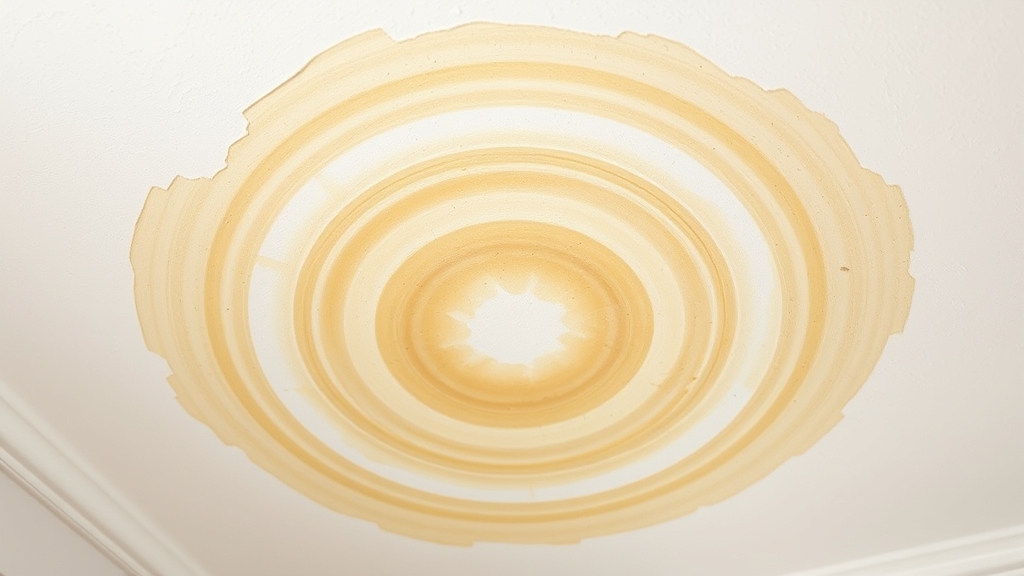
- Look for yellowish or brownish stains with concentric rings on walls and ceilings.
- Install leak detection sensors near water heaters and sinks for real-time smartphone alerts.
- Inspect exposed pipes quarterly for corrosion, mineral deposits, and moisture using a flashlight.
Warning Signs of Hidden Pipe Leaks
How often do homeowners detect pipe leaks only after significant damage has occurred? Unfortunately, this scenario plays out daily across thousands of households, but you can avoid becoming another statistic by recognizing subtle indicators.
Monitor your water bill for unexplained increases—even minor fluctuations warrant investigation. Pay attention to pressure variations; persistent low pressure often indicates compromise somewhere in your system.
The auditory signature of hidden leaks manifests as persistent hissing or dripping sounds within walls. Examine baseboards, flooring, and ceiling surfaces for discoloration, warping, or unexplained moisture. Musty odors signal the presence of water-fostered microbial growth.
Water meter verification provides quantifiable evidence—check readings before and after a two-hour period of zero water usage; any movement confirms leakage.
Detecting Water Leaks in Walls and Ceilings
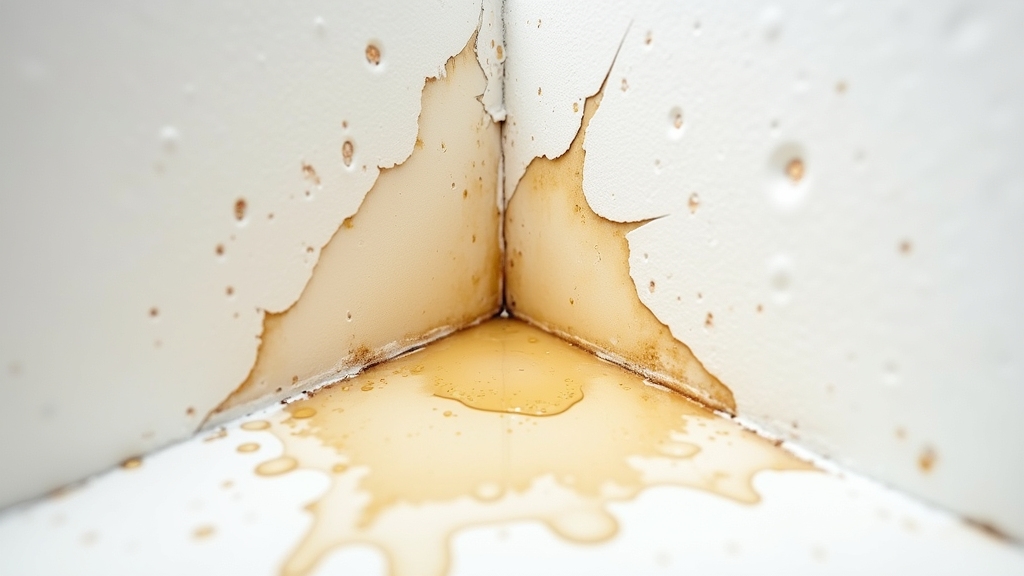
Where exactly does water hide when infiltrating your home’s structural elements? Water typically migrates along framing members, creating distinctive patterns that reveal its path.
Water silently tracks along your home’s framework, leaving telltale migration patterns that betray its destructive journey.
You’ll need to scan for discoloration—yellowish or brownish stains that form concentric rings as they dry and rewet. Thermal imaging cameras detect temperature differentials (78°F-82°F) where moisture evaporates, cooling affected areas.
Use a moisture meter with dual-mode functionality—pins for quantitative measurements (12-20% indicates saturation) and pinless for non-invasive scanning.
Acoustic leak detectors amplify the distinct 1000-2000Hz frequency of water escaping pressurized pipes. When investigating drywall, press firmly—saturated gypsum yields to tactile pressure.
For definitive confirmation, cut a 2″x2″ inspection hole below the suspected leak point, as gravity pulls water downward before lateral dispersion occurs.
Smart Technology Solutions for Early Leak Detection
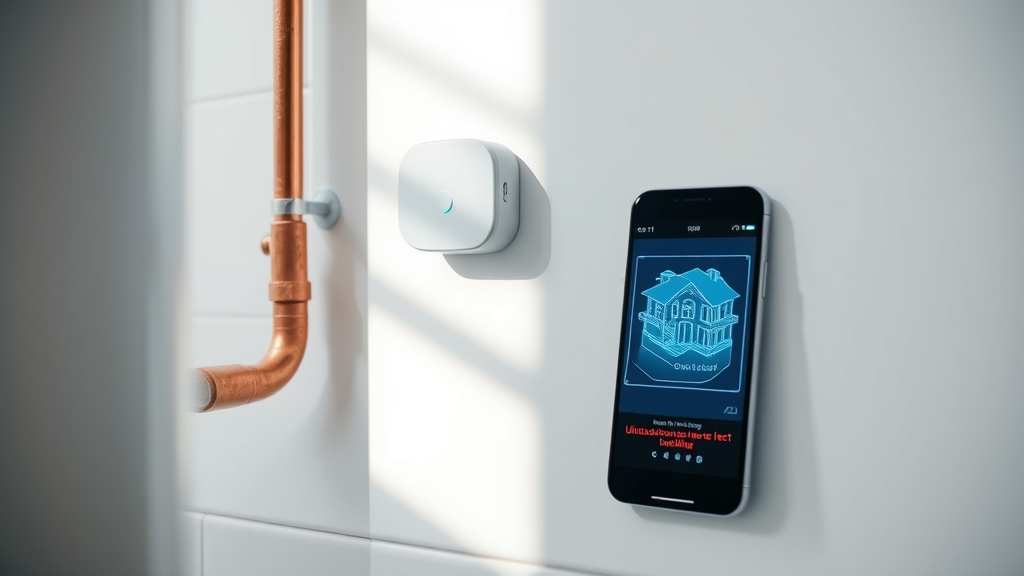
While traditional leak detection relies on visible evidence, modern smart technology systems can identify water intrusions before structural damage occurs. These systems deploy wireless sensors that monitor ambient moisture levels, water flow rates, and pressure differentials throughout your plumbing network.
Install leak detection sensors near water heaters, under sinks, behind toilets, and along basement walls—locations most vulnerable to undetected leaks. Premium systems integrate with home automation platforms, sending real-time alerts to your smartphone when anomalies emerge. Some advanced models can automatically shut off your water supply when flow exceeds programmed thresholds.
For thorough protection, consider ultrasonic flow meters that detect micro-leaks by analyzing sound frequencies within pipes. These devices can identify pinhole leaks measuring less than 0.1 gallons per hour—far below human detection capability.
DIY Inspection Techniques to Identify Potential Problems
Regular home inspections serve as your first line of defense against plumbing catastrophes, allowing you to identify developing issues before they escalate into costly repairs. Implement a quarterly inspection protocol that scrutinizes high-risk areas with methodical precision.
| Inspection Zone | Key Indicators | Tools Required | Action Protocol |
| Exposed Pipes | Corrosion, mineral deposits | Flashlight, magnifying glass | Document with photos, check fittings |
| Under-sink Areas | Water stains, musty odors | Moisture meter | Test all cabinet floors and walls |
| Fixture Connections | Loose fittings, water residue | Adjustable wrench | Tighten connections, apply thread seal |
| Basement/Crawlspace | Efflorescence, dampness | Hygrometer, inspection mirror | Mark suspect areas, monitor humidity levels |
When examining pipes, listen for the subtle hiss of escaping water—an acoustic signature of pinhole leaks often missed in visual inspections.
When to Call the Professionals: Beyond Simple Fixes
Though DIY inspections can identify many issues, certain pipe problems exceed the scope of amateur repair capabilities and demand professional intervention.
Call experts immediately when you encounter: extensive corrosion across multiple pipe sections, main water line ruptures, sewer line backups, or any situation involving gas lines.
Never attempt DIY repairs when dealing with gas lines, major water ruptures, or system-wide corrosion—these situations demand immediate professional attention.
Additionally, seek professional help for persistent water hammer, widespread pinhole leaks indicating systemic failure, or when water pressure drops dramatically throughout your entire system.
Don’t attempt repairs when pipes are embedded in concrete foundations or when specialized equipment (hydro jetters, pipe cameras, or thermal imaging devices) is required for proper diagnosis.
Professional plumbers possess both the certifications to handle code-compliant repairs and the insurance coverage to protect against unforeseen complications.
Remember that attempting complex repairs yourself often exacerbates damage, ultimately increasing repair costs substantially.
Frequently Asked Questions
1. How can I tell if I have a hidden water leak?
Hidden leaks often reveal themselves through subtle signs like unexplained increases in your water bill, hissing or dripping sounds within walls, and low water pressure throughout your plumbing system. You may also notice wall discoloration, warped floors, or a musty odor. At DNA Honest Plumbing, we use professional diagnostic tools to confirm leaks before they cause costly structural damage.
2. What do yellow or brown stains on my wall or ceiling mean?
These stains, especially when they form circular or ringed patterns, are often caused by slow leaks that repeatedly dry and rewet. They indicate moisture traveling through framing or drywall. Our licensed technicians can pinpoint the source using non-invasive moisture and thermal imaging tools.
3. Can I use my water meter to check for leaks myself?
Yes. Turn off all fixtures and record your meter reading. Wait two hours without using any water—if the meter changes, water is escaping somewhere in your system. If that happens, DNA Honest Plumbing can perform a detailed pressure test to locate and repair the leak efficiently.
4. What tools help detect hidden leaks?
Homeowners can use moisture meters or thermal cameras to spot damp areas, but professionals use advanced technology such as acoustic leak detectors and ultrasonic flow meters. These tools allow us to find leaks behind walls, under slabs, or within ceilings—without unnecessary damage to your home.
5. Where should I install smart leak detectors?
For maximum protection, install sensors near your water heater, under sinks, behind toilets, and in basements. DNA Honest Plumbing recommends smart detection systems that alert you via smartphone if moisture is detected—and can even shut off your main water line automatically to prevent flooding.
6. How often should I inspect my plumbing system?
We recommend a quarterly visual inspection of exposed pipes, fixture connections, and under-sink areas. Look for corrosion, mineral deposits, or dampness. DNA Honest Plumbing offers preventive maintenance visits to identify potential problems early, saving you from expensive emergency repairs later.
7. What should I do if I suspect a leak inside a wall or ceiling?
First, observe any discoloration, soft drywall, or bubbling paint. Press gently—saturated gypsum will feel soft. Avoid cutting into walls yourself; instead, call DNA Honest Plumbing. We use precision tools to confirm the leak location before performing a targeted repair, minimizing wall or ceiling damage.
8. When should I call a professional plumber instead of doing it myself?
You should always call a licensed plumber for major water line ruptures, gas line leaks, widespread corrosion, or leaks embedded in concrete or ceilings. DNA Honest Plumbing’s experts are fully licensed and insured to handle complex repairs safely and up to code.
9. Can I repair small leaks myself?
Tightening loose fittings or replacing worn washers is sometimes safe for DIYers, but even small leaks can indicate bigger system issues. For peace of mind, let our experienced technicians inspect your system. We guarantee code-compliant, long-lasting repairs.
10. How can DNA Honest Plumbing help prevent future leaks?
Our team offers comprehensive leak detection, inspection, and repair services using the latest smart technology. We help you safeguard your home through:
- Preventive maintenance plans and routine inspections
- Smart sensor installation for real-time alerts
- Precision diagnostics to detect micro-leaks before they worsen
We believe in honest recommendations, transparent pricing, and dependable workmanship—values that make DNA Honest Plumbing the trusted choice for protecting your home’s plumbing system.
Final Thoughts
Hidden leaks may start small, but they can quickly escalate into major water damage and costly repairs if ignored. By paying attention to early warning signs—like rising water bills, musty odors, or faint hissing sounds—you can catch problems before they compromise your home’s structure. Regular inspections, smart leak detection devices, and professional diagnostic tools make all the difference in preventing plumbing disasters.
For reliable, accurate detection and repair, trustDNA Honest Plumbing — Sterling Heights’ trusted experts inpipe repair,leak detection, andemergency plumbing services. Our licensed technicians use cutting-edge technology to identify and fix leaks before they cause structural damage, mold growth, or high water bills.
Don’t wait for hidden leaks to become disasters. Call 586-257-1272 or visit ourContact Page to schedule a professional inspection today. With DNA Honest Plumbing, you’ll gain peace of mind knowing your home is protected by honesty, precision, and expert care—because honesty flows through every pipe.