Understanding Smart Leak Sensors
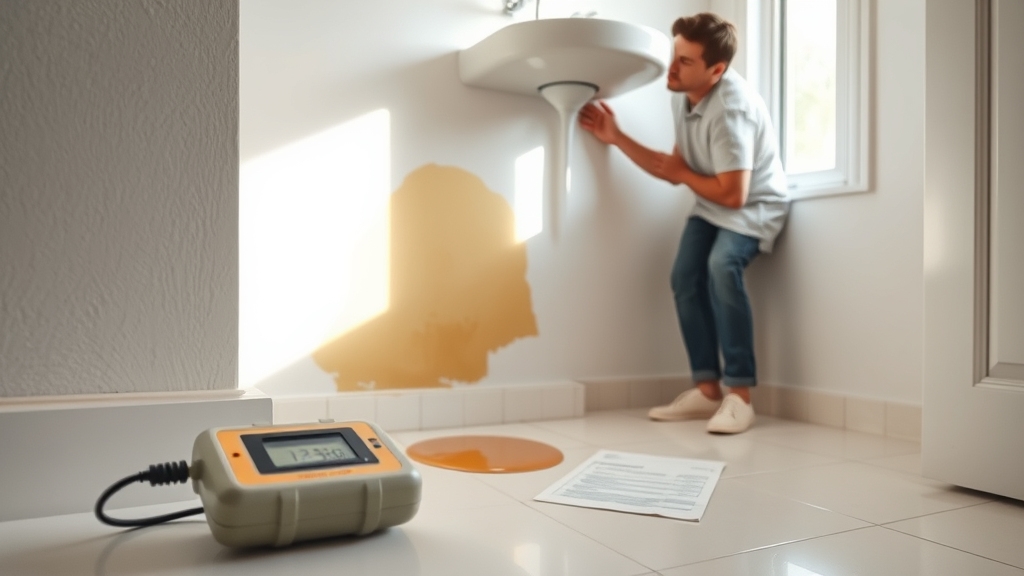
Smart leak sensors are innovative devices designed to detect water leaks in real-time, providing homeowners with immediate alerts. These sensors use advanced technology to monitor moisture levels and can connect to smartphones or home automation systems for enhanced monitoring.
For example, many smart leak sensors can send notifications directly to your phone when they detect unusual moisture, allowing you to take action before significant damage occurs. Some models even integrate with your home’s plumbing system to automatically shut off water supply in case of a leak, providing an added layer of protection.
Benefits of Installing Smart Leak Sensors
Installing smart leak sensors can lead to significant savings for homeowners by preventing water damage and reducing repair costs. Early detection of leaks can mitigate the risk of mold growth, structural damage, and high water bills, ensuring your home remains safe and dry.
Additionally, many insurance companies offer discounts on premiums for homes equipped with leak detection systems, making the initial investment in smart leak sensors even more worthwhile. This proactive approach not only protects your property but also enhances your peace of mind.
How to Choose the Right Smart Leak Sensor
When selecting a smart leak sensor, consider factors such as connectivity, battery life, and the range of features offered. Look for sensors that provide alerts through multiple channels, such as smartphone notifications, email, or even integration with home security systems.
Additionally, evaluate the sensor's compatibility with your existing smart home devices and its ease of installation. Some sensors may require professional installation, while others can be easily set up by homeowners themselves, making it essential to choose one that fits your needs and skill level.
Common Issues with Smart Leak Sensors
While smart leak sensors are highly beneficial, they are not without potential issues. False alarms can occur due to environmental factors, such as humidity or condensation, which may lead to unnecessary concern for homeowners.
It’s also important to regularly check and maintain your sensors to ensure they are functioning correctly. Battery replacements and software updates are crucial for optimal performance, and being aware of these maintenance needs can help prevent unexpected failures when you need them most.
 Skip to content