Skip to content
To identify hidden plumbing leaks, start by monitoring your water bills for unusual increases. Look for signs of water damage on walls and ceilings, like stains or bubbling paint. Use moisture meters to detect moisture levels in suspect areas. Listen for unusual sounds, like dripping or running water, even when taps are off. Don’t forget to inspect common leak-prone areas, such as under sinks and around toilets. There’s more to discover about keeping your home leak-free.
Key Takeaways
- Monitor monthly water bills for unusual increases that may indicate hidden leaks.
- Look for signs of water damage, such as stains, peeling paint, and mold growth.
- Use moisture meters to detect hidden leaks in walls and floors.
- Listen for unusual water sounds, like persistent drips or running water when taps are off.
- Inspect common leak-prone areas, including under sinks, toilet seals, and pipe joints.
Monitor Your Water Bills for Unusual Increases
Have you ever noticed a sudden spike in your water bill? It can be alarming, especially when your water usage hasn’t changed. Regular bill comparison is essential to catch these anomalies early.
Start by tracking your monthly bills and look for any unusual increases. If you notice a jump, it might indicate a hidden plumbing leak.
Tracking your monthly bills is crucial; unexpected increases could signal a hidden plumbing leak. Stay vigilant!
Consider how much water you typically use for cooking, cleaning, and bathing. If your current bill doesn’t match your expected consumption, there’s a problem.
Compare your bill with the previous months to identify any trends. Additionally, some utility companies provide online tools to analyze your water usage over time.
Taking these steps not only helps you save money but also prevents potential damage caused by leaks.
Identify Signs of Water Damage on Walls and Ceilings
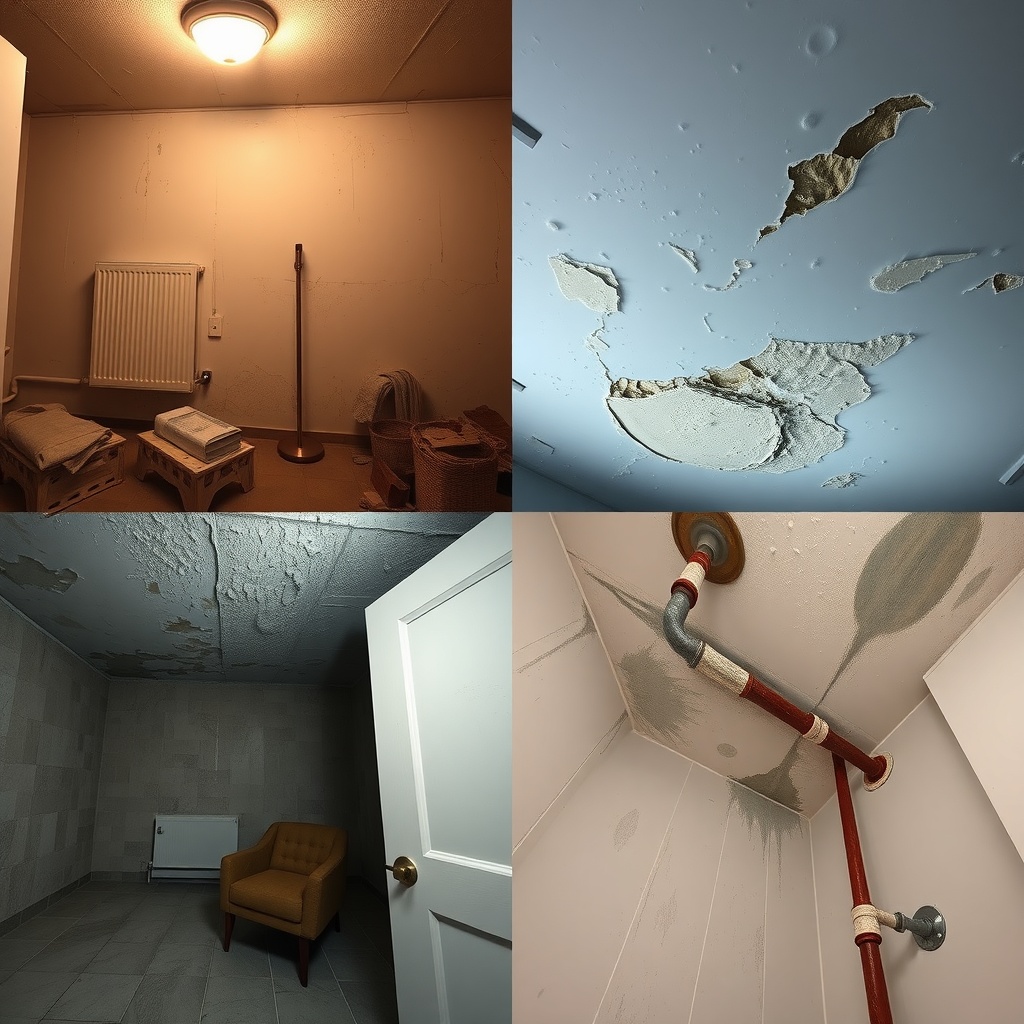
How can you tell if your walls and ceilings are hiding water damage? Keep an eye out for these signs that could indicate a hidden leak:
- Water Stains: Look for brown or yellowish spots that can appear on walls and ceilings, signaling moisture issues.
- Peeling Paint and Bubbling Wallpaper: If your paint is peeling or wallpaper is bubbling, it’s a strong sign of trapped moisture.
- Mold Growth: Check for patches of mold or a musty odor, which can indicate dampness and potential leaks behind the surfaces.
You might also notice ceiling discoloration, damp patches, or warped drywall.
These issues not only affect aesthetics but can lead to more serious damage if left unchecked.
Being proactive will help you identify and address any hidden plumbing leaks before they become major problems.
Use Moisture Meters to Detect Leaks

After spotting signs of water damage, using moisture meters can help you confirm the presence of hidden leaks. These handy devices come in various moisture meter types, including pin and pinless models.
Pin meters use probes to measure moisture levels directly in materials, while pinless models scan surfaces without causing damage.
Pin meters directly assess moisture levels with probes, while pinless models offer non-invasive surface scanning.
To effectively detect leaks, choose a moisture meter that suits your needs. Employ detection techniques like scanning walls, floors, and ceilings, focusing on areas near plumbing fixtures.
If you notice higher moisture levels, you’ll likely be dealing with a hidden leak.
Using a moisture meter not only saves you from costly water damage but also helps you pinpoint the exact location of the issue, allowing for quicker repairs.
Listen for Unusual Water Sounds to Find Leaks?
Ever wondered if those odd water sounds in your home could signal a hidden leak? Paying attention to unusual noises can help you pinpoint potential issues.
Here are three sounds to listen for:
- Drip Sounds: If you hear persistent dripping, it might indicate a leaky faucet or pipe. This sound shouldn’t be ignored.
- Pipe Vibrations: If your pipes vibrate or make a humming noise, it could signal water pressure issues or a hidden leak.
- Running Water: If you hear water running when no taps are on, it’s a strong indicator of a leak somewhere in your plumbing.
Inspect Common Leak-Prone Areas in Your Home
While you mightn’t see visible signs of a leak, inspecting common leak-prone areas in your home can reveal hidden issues before they escalate.
Start by checking under your sink, where water can easily accumulate unnoticed. Look closely at faucet connections; any dampness could indicate a problem. Don’t forget to inspect toilet seals, as they can wear out over time, leading to leaks.
Next, examine pipe joints, which are often weak points in your plumbing system.
Be sure to check basement corners; moisture can gather here, suggesting a leak might be lurking.
Finally, take a look inside wall cavities if you suspect an issue but can’t find it elsewhere.
Frequently Asked Questions
How Can Temperature Changes Affect Leak Detection?
Temperature changes can affect leak detection by causing moisture detection tools to identify disparities in heat. You can use thermal imaging to spot cooler areas, indicating hidden leaks that might otherwise go unnoticed. Detect them early!
What Tools Can Help Locate Hidden Leaks Effectively?
To locate hidden leaks effectively, you can use moisture meters, acoustic sensors, and infrared cameras. These leak detection tools help you pinpoint issues quickly, saving you time and preventing further damage to your home.
Are Certain Appliances More Prone to Leaks Than Others?
Yes, certain appliances, like dishwashers and washing machines, are more prone to leaks. Regular appliance maintenance can help you spot issues early, ensuring effective leak prevention and protecting your home from potential water damage.
How Often Should I Check for Plumbing Leaks?
You should check for plumbing leaks at least once a year. Incorporate leak detection frequency into your routine, and follow plumbing inspection tips to catch issues early. Regular checks can save you money and prevent damage.
Can I Repair Hidden Leaks Myself, or Should I Hire a Professional?
You can attempt DIY repairs for minor leaks, but a professional assessment is often best for hidden issues. They’ll guarantee everything’s fixed properly, preventing future damage and saving you from costly mistakes.
Final Thoughts
Hidden plumbing leaks rarely stay small for long. A rising water bill, stains on walls or ceilings, musty odors, or the sound of water when nothing is running can all point to moisture where it shouldn’t be—and the longer it goes unchecked, the higher the risk of mold, structural damage, and costly repairs. If you suspect a leak but can’t find the source, getting a proper diagnosis early is the best way to protect your home and avoid unnecessary damage.
At DNA Honest Plumbing, we help homeowners and businesses pinpoint leaks accurately and fix them the right way. If the situation feels urgent, our 24/7 emergency plumbing services and fast emergency plumbing solutions are available to minimize damage quickly. Once we identify the issue, we can resolve it with dependable pipe repair or, when the line is compromised beyond a reliable fix, pipe replacement.
If you’re seeing warning signs or want a professional inspection for peace of mind, schedule service today: Contact DNA Honest Plumbing.