Skip to content
You’re about to tackle a home plumbing installation, so understanding your system’s basics is essential. You’ll want to choose the right materials and tools for the job. Knowing what mistakes to avoid, like pipe alignment issues, will save you headaches. By following these tips, you’ll be well on your way to a successful install, and exploring further will help you get it just right.
Key Takeaways
- Understand plumbing basics before installation.
- Choose durable and corrosion-resistant pipe materials.
- Ensure correct pipe alignment to prevent leaks.
- Place valves in accessible locations for control.
- Double-check work for successful installation.
Understanding Your Plumbing System Before Installation
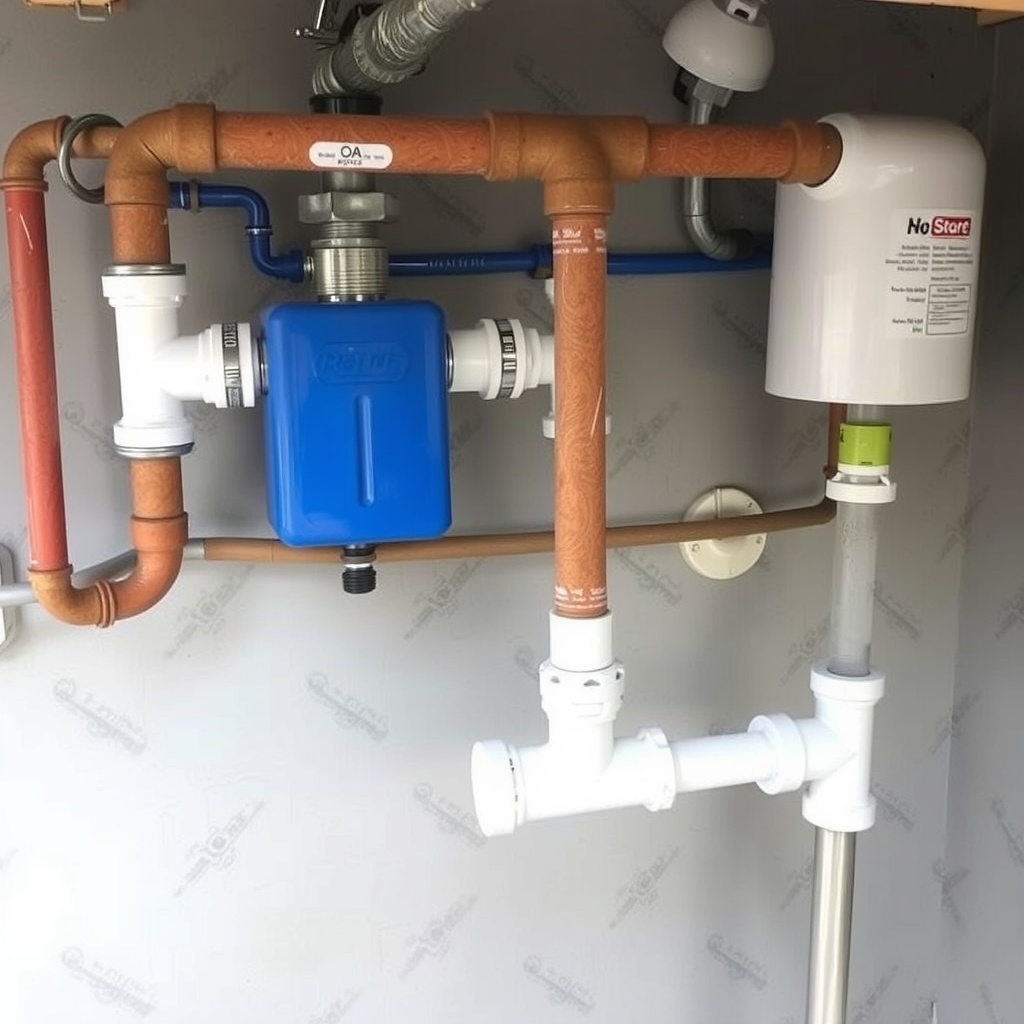
Since you’re about to install a new plumbing system, it’s essential that you understand how it works. You’ll need to grasp plumbing basics, including water supply lines, drains, and vents.
The system layout is vital, as it determines how water flows in and out of your home. You’ll want to familiarize yourself with the main components, such as the water heater, pipes, and fixtures.
Understanding the system layout will help you identify potential issues and make informed decisions during installation. By knowing how your plumbing system works, you’ll be better equipped to install it correctly and avoid costly mistakes.
This knowledge will also help you maintain and repair your system in the future, saving you time and money. You’ll be able to tackle plumbing issues with confidence.
Choosing The Right Materials And Tools For The Job
You’ve got a solid grasp of your plumbing system’s layout and components, so now it’s time to focus on the materials and tools you’ll need to get the job done. You’ll need to choose the right pipe materials, considering factors like durability and corrosion resistance. Essential tools are also vital.
| Tool | Function | Importance |
| Pliers | Grip and bend | High |
| Wrench | Tighten and loosen | High |
| Cutter | Cut pipe | Medium |
You’ll use these tools to work with various pipe materials, ensuring a successful installation. By selecting the right materials and tools, you’ll save time and effort in the long run.
Common Mistakes To Avoid During DIY Plumbing Installation
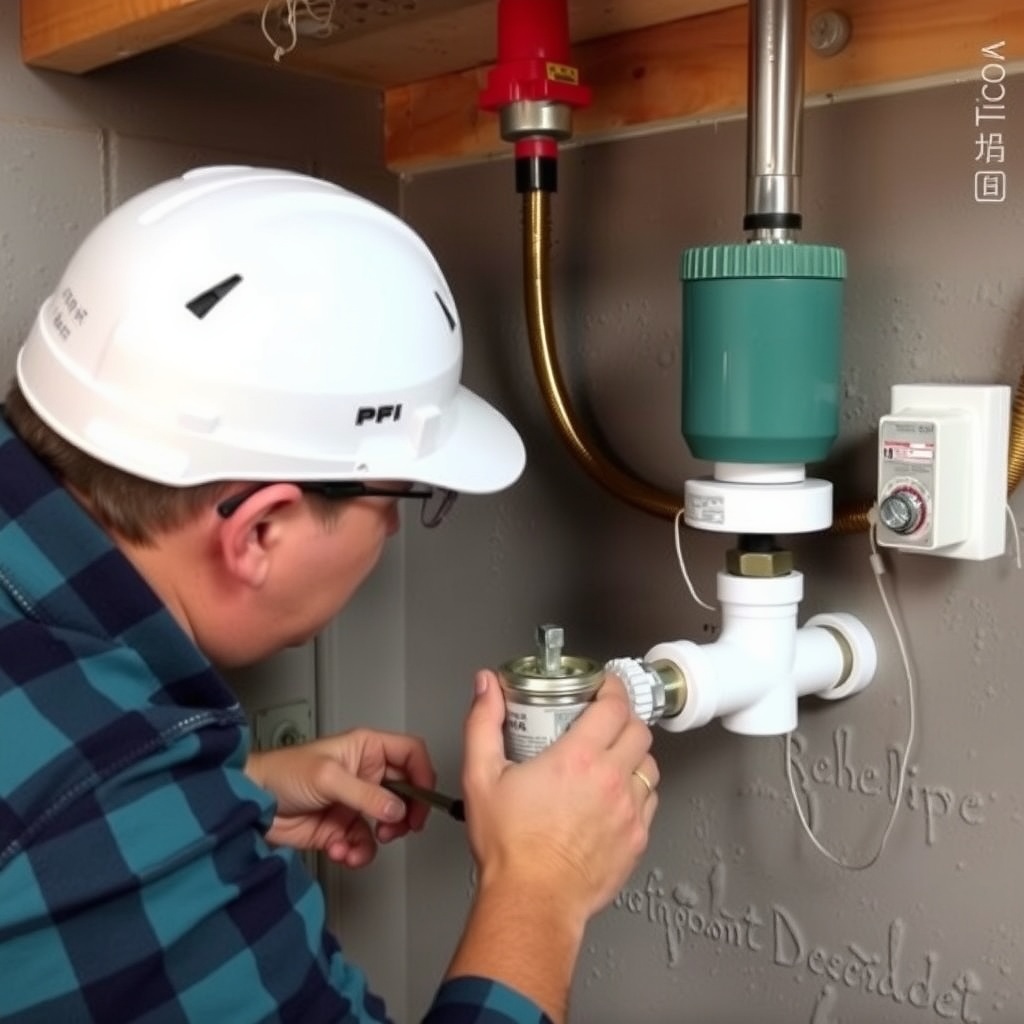
Mistakes can derail even the best-planned DIY plumbing installation, so it’s crucial to identify and avoid them.
You’ll want to watch out for pipe alignment issues, as they can lead to leaks and water damage. When you’re installing pipes, make sure they’re straight and level.
Valve placement errors are another common mistake, and they can be costly to fix. You should place valves in accessible locations, so you can easily turn off the water supply if needed.
By avoiding these mistakes, you can guarantee a successful DIY plumbing installation. Double-check your work as you go, and don’t hesitate to consult a professional if you’re unsure about anything.
This will help you avoid costly repairs down the line and make certain your plumbing system works efficiently. You’ll be glad you took the time to get it right.
Frequently Asked Questions
What Is Average Cost of Plumbing Installation?
You’ll pay between $2,000-$15,000, depending on cost factors like plumbing materials, labor, and fixtures, which you’re installing, affecting overall plumbing installation costs greatly, don’t you see.
Can I Reuse Old Plumbing Pipes?
You can’t reuse old plumbing pipes if they’re damaged, but you can if they’re in good condition and their material is compatible with new pipes, you’re checking both thoroughly first.
Do I Need Permit for DIY Plumbing?
You’ll likely need a permit, checking local plumbing regulations and DIY guidelines is essential, you’re responsible for ensuring compliance with codes and ordinances when tackling plumbing projects yourself, isn’t it.
How Long Does Plumbing Installation Take?
You’re estimating plumbing installation takes several days to weeks, depending on your project’s size and complexity, with the installation timeline varying based on several project factors that you’re considering and controlling.
Is Plumbing Insurance Really Necessary?
You’re deciding if plumbing insurance is necessary, it’s worth considering plumbing coverage for insurance benefits that’ll protect you from costly repairs and potential financial burdens, which you’ll likely appreciate having.
Final Thoughts
A successful home plumbing installation starts with preparation and ends with careful verification. When you understand your system layout, choose the right materials, and avoid common DIY mistakes like poor pipe alignment and inaccessible valve placement, you reduce the risk of leaks, future repairs, and unnecessary costs. Taking the time to plan, measure, and double-check each connection helps ensure your new plumbing works efficiently and safely from day one.
If you want professional guidance or prefer an expert to handle the installation for long-term reliability, DNA Honest Plumbing is ready to help. We provide dependable plumbing fixtures installation and full-service plumbing support for both interior plumbing and exterior plumbing. If your project involves aging or damaged lines, we can also recommend the best next step with pipe repair or full pipe replacement based on what your home needs.
To schedule an installation consult or get a quote, reach out through our Contact page or explore our complete list of services.