Understanding Water Heater Types
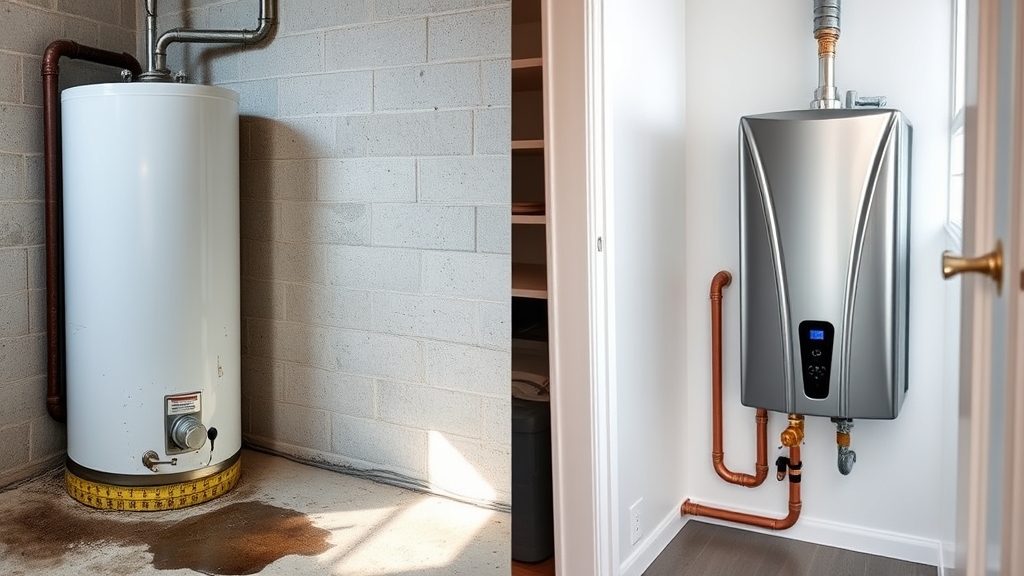
When it comes to selecting a water heater, understanding the different types available is crucial. The two primary categories are tank water heaters and tankless water heaters, each offering unique benefits and drawbacks that cater to various household needs.
Tank water heaters store a specific volume of hot water, making them suitable for homes with high hot water demand. In contrast, tankless systems heat water on demand, providing endless hot water but often at a higher initial cost. Knowing these differences can help you make an informed decision based on your family's usage patterns.
Cost Considerations for Water Heater Installation
The cost of water heater installation can vary significantly based on the type of system chosen, the complexity of the installation, and local labor rates. Understanding these factors can help you budget effectively and avoid unexpected expenses.
For instance, while tankless water heaters typically have a higher upfront cost of $1,500 to $3,000, they can lead to savings on energy bills over time due to their efficiency. Additionally, installation costs may increase if modifications to existing plumbing or electrical systems are necessary, so it's essential to consider these potential expenses when planning your installation.
Energy Efficiency and Environmental Impact
Choosing an energy-efficient water heater not only reduces your utility bills but also lessens your environmental footprint. Tankless water heaters, for example, use 24-34% less energy compared to traditional tank models, making them a more sustainable option.
Moreover, many modern water heaters are designed with eco-friendly technologies, such as solar water heating systems, which can significantly decrease greenhouse gas emissions. By opting for energy-efficient models, homeowners can contribute to a healthier planet while enjoying long-term cost savings.
Maintenance Tips for Longevity
Regular maintenance is key to ensuring the longevity and efficiency of your water heater. Simple tasks, such as flushing the tank annually and checking the anode rod, can prevent sediment buildup and corrosion, extending the lifespan of your unit.
For tankless systems, it's important to descale the unit periodically to prevent mineral buildup that can affect performance. Scheduling routine maintenance with a professional plumber can help identify potential issues early and keep your water heater operating at peak efficiency.
 Skip to content