Importance of Water Heater Flushing
Water heater flushing is a crucial maintenance task that helps to remove sediment buildup, ensuring the efficient operation of your water heater. This process not only extends the lifespan of the unit but also improves energy efficiency, which can lead to lower utility bills for homeowners.
Regular flushing of your water heater can prevent issues such as reduced hot water supply and potential damage to the heating elements. Homeowners should consider scheduling this service at least once a year, particularly in areas with hard water, to maintain optimal performance and reliability.
Signs Your Water Heater Needs Flushing
Recognizing the signs that your water heater requires flushing can save you from costly repairs and inefficiencies. Common indicators include discolored water, unusual noises coming from the tank, and fluctuating water temperatures.
If you notice any of these signs, it’s essential to address them promptly. Sediment buildup can lead to more severe issues, such as leaks or complete water heater failure, making regular maintenance critical for the longevity of your plumbing system.
DIY vs. Professional Water Heater Flushing
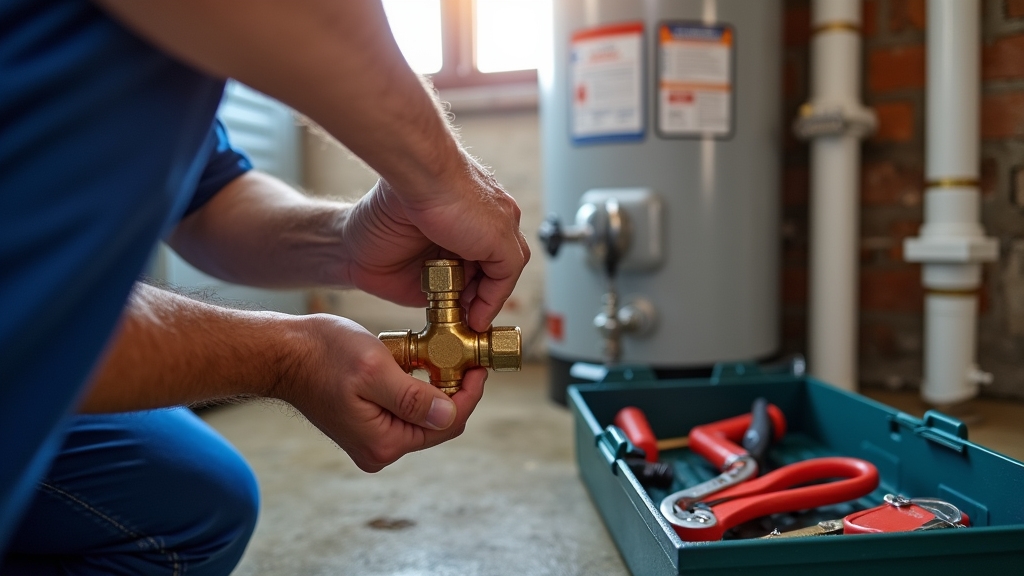
While some homeowners may consider flushing their water heater as a DIY task, it is often best left to professionals. Proper flushing requires knowledge of the system and safety precautions to avoid potential hazards.
Hiring a professional ensures that the job is done correctly and efficiently. Professionals have the necessary tools and expertise to handle any complications that may arise during the flushing process, providing peace of mind to homeowners.
Additional Plumbing Maintenance Tips
In addition to water heater flushing, there are several other essential plumbing maintenance tasks that homeowners should prioritize. Regular inspections of pipes, checking for leaks, and maintaining fixtures can prevent larger issues down the line.
Implementing a comprehensive maintenance schedule that includes these tasks can help ensure your plumbing system remains in excellent condition. Simple steps like monitoring water pressure and inspecting for signs of wear can save homeowners significant time and money in the long run.
 Skip to content