Understanding Plumbing Installation Basics
Before diving into specific installation types, it's essential to understand the fundamental principles of plumbing installations. This includes knowledge of local plumbing codes, the types of materials used, and the necessary tools for various jobs. Familiarizing yourself with these basics can help you make informed decisions and avoid costly mistakes.
For instance, knowing the difference between PVC, PEX, and copper piping can influence your choice of materials based on durability, cost, and installation ease. Additionally, understanding local codes ensures that your installation complies with safety regulations, helping to prevent potential legal issues.
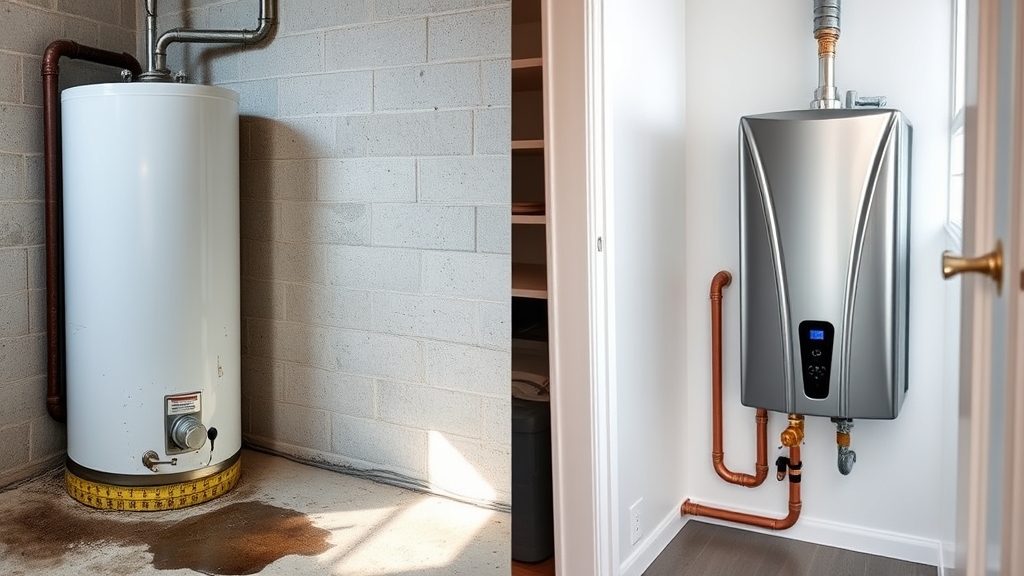
Comparing Installation Costs: Tank vs. Tankless Water Heaters
When considering a new water heater, understanding the cost implications of both tank and tankless systems is crucial. While tankless systems may have a higher upfront cost, they can lead to significant savings on energy bills over time due to their efficiency. Conversely, traditional tank systems may be cheaper initially but can incur higher operational costs.
For example, tank water heaters typically have a lifespan of 10-15 years, while tankless units can last over 20 years with proper maintenance. This longevity, combined with energy savings, often makes tankless systems a more economical choice in the long run, despite their initial expense.
Common Plumbing Installation Mistakes to Avoid
Many DIY enthusiasts make common mistakes during plumbing installations that can lead to significant issues down the line. These mistakes often stem from a lack of understanding of plumbing systems or improper measurements, which can result in leaks, water damage, or even complete system failures.
For example, failing to properly secure fittings can lead to leaks, while using the wrong type of pipe for a specific application can compromise the entire system. It's essential to take the time to research and plan your installation thoroughly, or consider hiring a professional to ensure everything is done correctly.
Maintenance Tips for Plumbing Systems
Regular maintenance is key to extending the lifespan of your plumbing systems and avoiding costly repairs. Simple tasks such as checking for leaks, cleaning out drains, and flushing water heaters can prevent larger issues from developing. Establishing a maintenance routine can save homeowners time and money in the long run.
For instance, flushing your water heater annually can remove sediment buildup, improving efficiency and extending its life. Additionally, inspecting pipes for corrosion or wear can help catch problems early, ensuring your plumbing system remains in optimal condition.
 Skip to content