Understanding Hot Water Systems
Hot water systems are essential in every household, providing comfort and convenience. These systems can vary significantly in design, efficiency, and functionality, making it crucial for homeowners to understand their options when selecting a system.
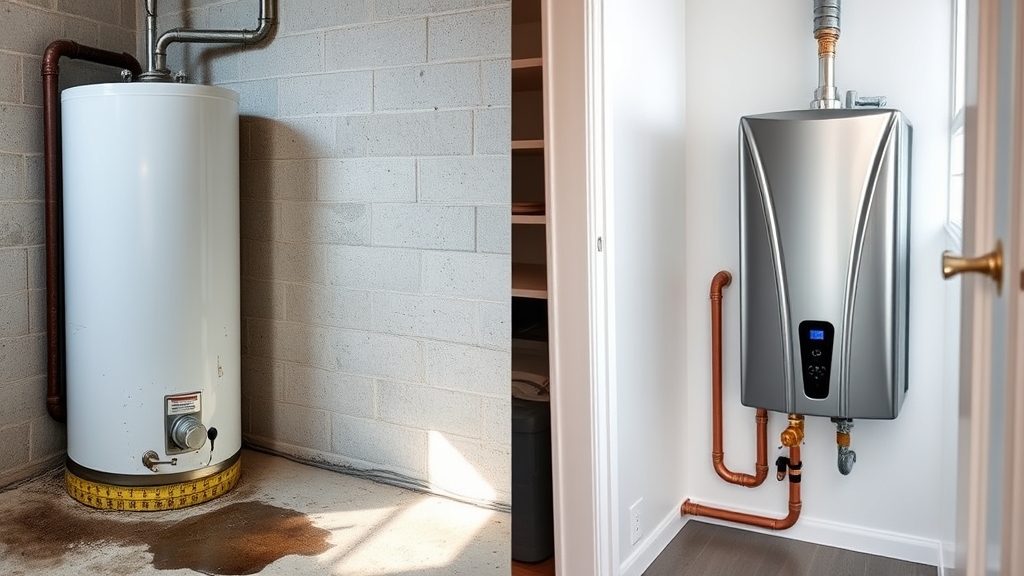
There are primarily two types of hot water systems: tank and tankless. Tank water heaters store a specific volume of hot water for immediate use, while tankless systems heat water on demand. Understanding the differences in energy efficiency, installation costs, and maintenance needs can help consumers make informed decisions that suit their lifestyle and budget.
Benefits of Tankless Water Heaters
Tankless water heaters offer numerous advantages over traditional tank systems, making them an increasingly popular choice among homeowners. One of the primary benefits is their ability to provide an endless supply of hot water, which is especially beneficial for larger households or homes with high hot water demands.
In addition to providing continuous hot water, tankless systems are more energy-efficient, using significantly less energy since they only heat water when needed. This efficiency can lead to lower utility bills and a reduced carbon footprint, making them an environmentally friendly option for modern homes.
Cost Considerations for Water Heater Installation
When planning for a water heater installation, understanding the costs involved is vital for budgeting effectively. The price of installation can vary widely based on the type of system chosen, with tankless options typically costing more upfront due to their advanced technology and installation complexity.
Homeowners should also consider long-term savings when evaluating costs. Although tankless systems have a higher initial investment, their energy efficiency can result in substantial savings over time. Additionally, factors such as local labor rates, permits, and potential modifications to existing plumbing can influence overall installation costs.
Maintenance Tips for Hot Water Systems
Regular maintenance is crucial for extending the lifespan and efficiency of hot water systems. Homeowners should schedule routine inspections and flush their water heaters annually to prevent sediment buildup, which can affect performance and efficiency.
For tankless systems, descaling is an important maintenance task to prevent mineral buildup that can impede functionality. Additionally, checking for leaks and ensuring proper ventilation can help maintain optimal performance and prevent costly repairs in the future.
 Skip to content