Benefits of Energy-Efficient Water Heating
Energy-efficient water heating systems provide numerous advantages, including reduced utility bills and a lower environmental impact. By consuming less energy, these systems not only help homeowners save money but also contribute to sustainability efforts by reducing greenhouse gas emissions.
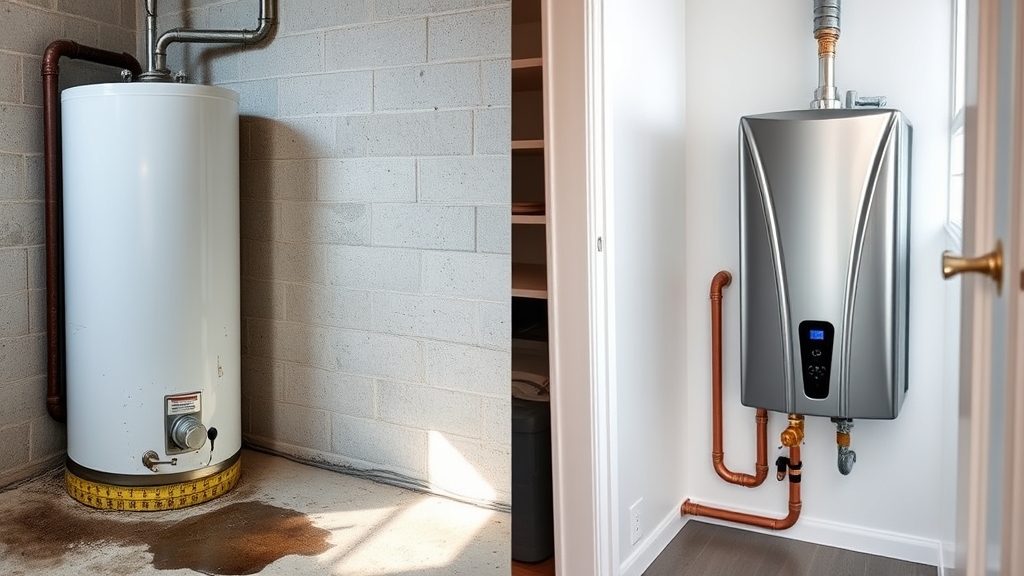
For instance, switching to a tankless water heater can lead to energy savings of 24-34% compared to traditional tank systems. Additionally, many energy-efficient models qualify for rebates and tax credits, making them a financially savvy choice for homeowners looking to upgrade their plumbing systems.
Comparing Costs: Tank vs. Tankless Water Heaters
Understanding the cost implications of tank and tankless water heaters is crucial for making an informed decision. While tankless systems typically have a higher upfront cost, they can result in significant savings over time due to their energy efficiency and longevity.
For example, although the initial installation of a tankless water heater can range from $1,500 to $3,000, the average lifespan of these units is over 20 years. In contrast, traditional tank heaters may need replacement every 10-15 years, leading to higher long-term expenses when factoring in energy costs and maintenance.
Installation Considerations for Energy-Efficient Water Heaters
When considering installation of energy-efficient water heaters, several factors must be taken into account. These include the existing plumbing infrastructure, the size of the household, and the specific hot water needs of the family.
For instance, tankless water heaters require proper venting and may need modifications to existing plumbing, which can influence installation costs. It’s essential to consult with a professional plumber to assess your home’s requirements and ensure that the chosen system is installed correctly for optimal performance.
Maintenance Tips for Optimal Performance
Regular maintenance is essential to ensure the longevity and efficiency of energy-efficient water heating systems. Simple tasks such as flushing the tank, checking for leaks, and inspecting the pressure relief valve can prevent costly repairs and extend the lifespan of the unit.
Homeowners should also consider scheduling annual professional inspections to identify any potential issues early. By keeping up with maintenance, users can enjoy reliable hot water service while maximizing energy savings and system efficiency.
 Skip to content