Skip to content
Sterling Heights faces spring flooding from saturated soils, frozen ground, and rapid snowmelt overwhelming drains. A properly sized, code‑compliant sump pump collects rising groundwater and discharges it away from foundations. Signs include persistent dampness, musty odors, bubbling paint, and pooling in pits. Submersible pumps run quieter; pedestal models offer easier access. Battery backups keep pumps running during outages. Correct sizing, freeze‑protected discharge, and documented maintenance reduce damage and insurance issues. The following sections explain choices, installation, costs, and compliance.
Sump Pumps: Essential Spring Flood Protection for Sterling HeightsKey Takeaways
- Sterling Heights’ saturated soils, snowmelt, and overwhelmed drains make basements highly vulnerable to spring flooding without a sump system.
- Sump pumps intercept rising groundwater, relieving slab pressure and redirecting water safely away from foundations.
- Signs you need one include persistent dampness, musty odors, pooling in pits, efflorescence, and bubbling paint.
- Properly sized pumps with check valves, code-compliant discharge routing, and battery backups ensure reliability during storms and outages.
- Professional installation, permits, and maintenance reduce failure risk, protect property value, and may improve insurance outcomes.
Understanding Spring Flood Risks in Sterling Heights

As winter thaws in Sterling Heights, saturated soils, frozen ground, and rapid snowmelt converge to elevate flood risk, especially in low-lying neighborhoods and older subdivisions.
Local drainage systems can become overwhelmed when runoff arrives faster than culverts and catch basins can convey it. Flood zone mapping highlights areas where high groundwater and limited slope increase exposure, while older storm infrastructure may lack capacity for intense meltwater pulses.
When meltwater outpaces culverts and basins, outdated systems and high groundwater magnify flood exposure
Seasonal rainfall trends compound these pressures. Early spring often brings back-to-back systems that add rain to lingering snowpack, accelerating infiltration limits and surface pooling.
Small streams and roadside ditches respond quickly, pushing water toward basements and crawlspaces. Property owners benefit from reviewing updated flood zone mapping, monitoring seasonal rainfall trends, and noting yard grading or sump outlets that influence where water ultimately collects.
How Sump Pumps Work to Protect Your Basement
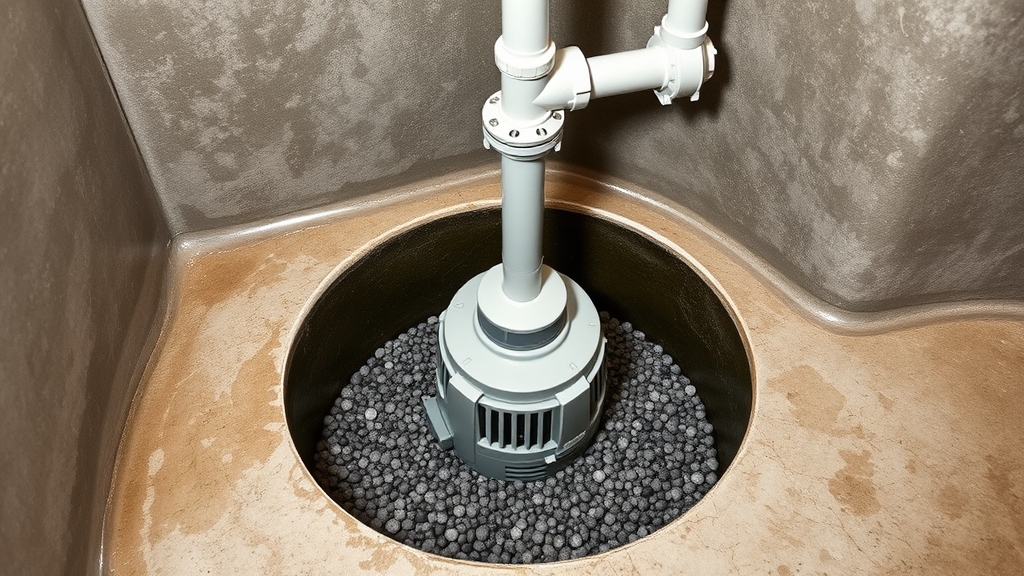
Why does a simple pit and pump keep basements dry when soils are saturated and water pressures rise? A sump system collects subsurface water that seeps toward the foundation and redirects it before it can elevate the slab’s pore pressure.
Perforated drain tile channels water into a basin; a float switch senses rising levels and activates the motor. The pump forces water through a discharge line, moving it away from the footing to a safe outlet.
Different sump pump types—submersible and pedestal—perform the same task with varying installation profiles and maintenance access. Check valves prevent backflow.
Proper sizing guarantees pump efficiency, matching gallons per hour to inflow rates and head height. Battery backups maintain operation during outages.
With continuous cycling, hydrostatic pressure is relieved, protecting finishes and structure.
Signs Your Home Needs a Sump Pump Now
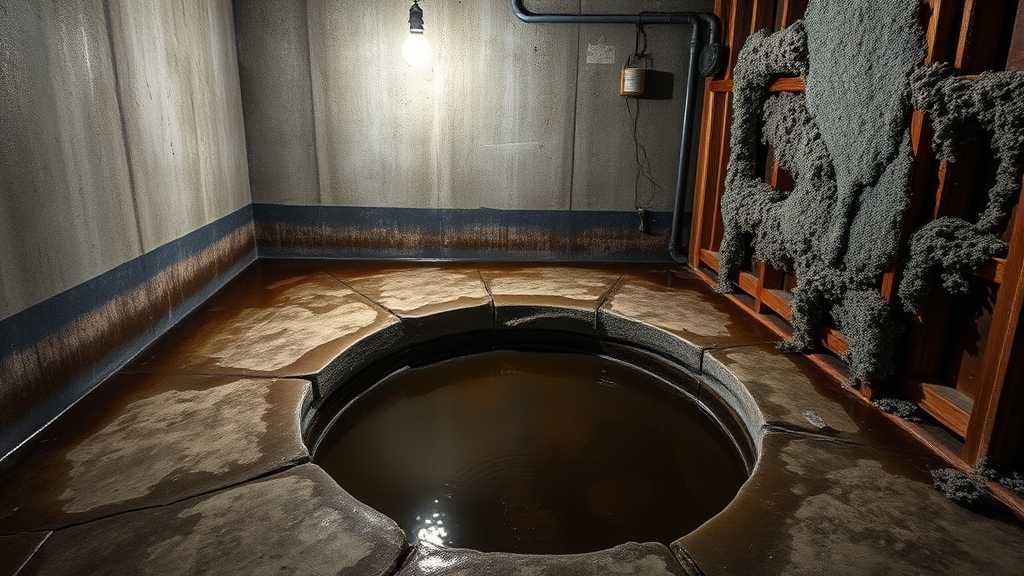
Homeowners in Sterling Heights often first notice persistent basement dampness or unexplained moisture along walls and floors.
Frequent pooling in an existing sump pit indicates groundwater pressure is overwhelming passive drainage.
Musty odors and visible mold growth further signal that a sump pump is needed to prevent structural damage and health risks.
Persistent Basement Dampness
Even when rain is light and snowmelt is weeks away, a basement that stays clammy or musty signals groundwater pressure at work.
Persistent basement moisture is not just inconvenient; it accelerates hidden deterioration. Paint that bubbles, efflorescence lines, and a lingering odor indicate vapor seeping through slabs and walls.
Over time, studs swell, wiring corrodes, and stored items succumb to water damage. A sump pump helps relieve hydrostatic pressure before dampness becomes decay, protecting finishes and indoor air quality without waiting for a storm.
1) Anxiety rises as boxes warp and heirlooms spot with mold.
2) Frustration grows when dehumidifiers run nonstop yet floors still feel cold.
3) Concern deepens seeing rust creep along appliances and hardware.
4) Relief follows the first dry week after installation.
Frequent Sump Pit Pooling
Repeated pooling in a sump pit, especially during dry spells, signals groundwater intrusion and inadequate drainage. Observing water rise without recent rainfall indicates the soil’s water table presses against the foundation. In Sterling Heights, clay-heavy soils slow water drainage, so a poorly sized sump pit design or undersized discharge line can allow water to linger. Persistent pooling stresses motors, short-cycles pumps, and points to a need for upgraded components or a new installation.
| Indicator | What It Suggests |
| Water present in dry weather | High water table or lateral seepage |
| Rapid refill after pumping | Insufficient water drainage path |
| Short, frequent pump cycles | Pit too small or float mis-set |
| Standing water without pump | Inadequate sump pit design or failure |
Correcting capacity, discharge slope, and check-valve function restores reliable control.
Musty Odors and Mold
While musty odors may seem minor, they often signal chronic moisture in basements and crawlspaces that fosters mold growth and hidden seepage.
In Sterling Heights, thaw cycles and spring rains push groundwater against foundations, and musty smells indicate that vapor and seepage are lingering. A sump pump reduces humidity by directing water away before it saturates slab edges, wood framing, and stored belongings.
Left unchecked, mold growth can spread quickly, harming indoor air quality and degrading finishes.
- Anxiety rises as musty smells cling to furnishings, reminding homeowners of unseen dampness.
- Frustration mounts when cleaning fails to erase the odor because moisture persists.
- Concern deepens over respiratory irritation and allergy flare-ups from mold spores.
- Relief follows when a sump pump restores dryness, odor fades, and health risks decline.
Choosing Between Submersible and Pedestal Models
Homeowners in Sterling Heights must weigh space constraints and installation complexity when choosing between submersible and pedestal sump pumps.
They should also consider noise and performance, as submersible units run quieter while pedestal models can be easier to access.
Maintenance access and expected lifespan differ as well, influencing long-term costs and reliability.
Space and Installation Needs
Space dictates the choice between submersible and pedestal sump pumps in Sterling Heights basements.
Space optimization and installation considerations determine how well each model fits existing pits, joists, and utility lines. Submersible units require a wider, deeper basin but keep equipment below the lid, freeing floor area.
Pedestal units fit narrow pits and simplify servicing, yet need vertical clearance for the motor and discharge piping. Proper measurements—pit diameter, depth, and clearances—guide model selection and reduce retrofit costs.
Local codes may require dedicated circuits, check valves, and sealed lids, influencing layout.
- Relief: a compact footprint preserves storage space.
- Confidence: clearances verified before drilling or cutting.
- Security: code-compliant routing prevents backflow and leaks.
- Control: planned placements ease maintenance and future upgrades.
Noise and Performance Levels
After confirming a pump will physically fit and meet code, attention turns to how it sounds and how it moves water.
Submersible models sit underwater, so sump pump noise is naturally dampened by the basin. They typically deliver higher flow rates for their size, supporting performance efficiency in deeper pits or higher head conditions.
Pedestal models keep the motor above the pit, making them easier to hear; their sound often includes motor whir and vibration transmitted through the stand.
Noise also depends on discharge piping, check valve selection, and vibration isolation.
Submersibles often accept wider impellers, helping with solids tolerance and sustained output. Pedestals can offer similar rates but may lose efficiency at higher lifts.
For living areas near the sump, quieter submersibles usually provide a better comfort-to-capacity balance.
Maintenance and Lifespan Differences
While both sump pump types can protect a basement for years, their upkeep and service lives diverge in meaningful ways.
Submersible pumps sit underwater, run cooler, and typically deliver longer motor life, yet they demand periodic pit cleaning and seal checks.
Pedestal pumps keep the motor dry and accessible, simplifying repairs but exposing components to dust and accidental bumps.
In Sterling Heights, where spring thaws stress equipment, diligent maintenance practices determine sump pump longevity more than brand labels.
1) Relief: Fewer surprises when a submersible’s seals and impeller are checked each season.
2) Confidence: A pedestal’s easy motor access reduces repair downtime during heavy rains.
3) Security: Battery backup tests and float switch cleaning prevent flood panic.
4) Pride: Documented maintenance practices extend sump pump longevity and safeguard investments.
Why Battery Backup Systems Are Non‑Negotiable
Storms, outages, and overwhelmed grids make battery backup systems essential for Sterling Heights homes with sump pumps. When power fails, water still rises; a secondary power source keeps pumping continuous.
Battery backups bridge utility gaps, protecting finished basements, electrical systems, and stored valuables. The installation benefits include automatic switchover, monitored charging, and extended run time sized for local rainfall patterns and soil saturation.
| Risk | Result | Backup Value |
| Power loss | Pump stops | Keeps flow moving |
| Heavy rain | Long cycles | Extends run time |
| Partial outages | Brownouts | Delivers steady volts |
| Travel/away | No oversight | Provides assurance |
Professionals evaluate amperage draw, head height, and discharge rates to right‑size capacity.
Clear maintenance plans—testing, charger checks, and battery replacement intervals—ensure readiness when storms strike.
Key Features to Look for in a Reliable Sump Pump
A reliable sump pump starts with proper pump capacity and head to match local groundwater conditions in Sterling Heights.
Durable materials and a solid build—such as cast iron housings and stainless steel fasteners—support long service life.
Backup power options, including battery or water-powered systems, guarantee operation during outages.
Pump Capacity and Head
Choosing the right pump capacity and head begins with matching the unit to Sterling Heights’ typical groundwater levels and discharge needs.
Capacity describes how many gallons per hour the pump moves; head indicates how high and far it can push water through discharge piping. Together, they determine pump efficiency during peak storms.
A proper calculation factors sump depth, vertical lift to the discharge point, pipe length, and friction losses through fittings.
Installers should follow clear installation guidelines: use adequately sized discharge lines, minimize elbows, and include check valves to prevent backflow that steals capacity.
Oversizing wastes energy; undersizing risks backups. A balanced choice delivers reliable evacuation without strain.
- Confidence during downpours
- Relief from basement worries
- Control over rising water
- Calm when forecasts threaten
Durable Materials and Build
While performance specs set expectations, longevity hinges on construction. A reliable unit starts with sump pump materials that resist corrosion, abrasion, and impact.
Cast iron housings disperse heat efficiently, extending motor life, while stainless steel fasteners and shafts combat rust in humid pits. Thermoplastic can be acceptable when reinforced, but thin plastics deform under sustained load.
Sealed bearings, not sleeve types, reduce wear and maintenance. A thick, rigid volute and impeller minimize warping and maintain clearances that preserve efficiency.
Look for epoxy-coated windings and robust gaskets to guard against moisture intrusion. Strain relief on power leads prevents cracking at entry points.
Overall construction durability shows in weight, fit, and finish: tight tolerances, solid mounts, and a sturdy, vibration-resistant base.
Backup Power Options
Durability protects the pump itself, but storms and outages threaten its operation, making backup power a key safeguard.
In Sterling Heights, reliable backup power solutions keep basements dry when grids falter. A battery backup system paired with an efficient charger offers hours of pumping, while smart controllers send alerts before failure.
Generators provide extended runtime, but automatic transfer switches guarantee seamless activation. Water-powered backups, where permitted, add redundancy without electricity, though they require sufficient water pressure.
- Peace of mind: emergency power options stand ready when sirens blare and lights go dark.
- Protection of keepsakes: boxes, photos, and heirlooms avoid ruin.
- Budget control: preventing one flood often offsets system cost.
- Continuity: layered backup power solutions sustain pumping through long, punishing storms.
Proper Sizing and Capacity for Sterling Heights Homes
Every effective sump pump system in Sterling Heights starts with correct sizing and capacity matched to the home’s water inflow and soil conditions. Proper sump pump sizing evaluates peak gallons per hour during storms, static head height, and friction losses in discharge piping. Matching pump output to home capacity prevents short-cycling, overheating, and flooded basements. Clay-heavy soils common locally may require higher flow ratings due to slower drainage.
| Concern | Feeling | Action |
| Flood risk rising | Uneasy | Verify pump GPH at required head |
| Storm forecast | Alert | Compare inflow to pump curve |
| Aging pump | Concerned | Reassess home capacity needs |
| Peace of mind | Relieved | Choose right-sized backup |
Contractors should measure water inflow during wet tests, calculate total dynamic head, and align pump curves with real demand. Overspec wastes energy; underspec risks loss.
Ideal Placement and Pit Design for Maximum Efficiency
Placement dictates performance in a Sterling Heights sump system, and pit design turns that placement into reliable drainage.
Install the basin at the lowest point of the slab where hydrostatic pressure concentrates, ideally near interior footing drains. Proper sump pit design includes a diameter wide enough to reduce short-cycling, with depth below the slab to capture rising groundwater without undermining footings.
Place the basin at the slab’s low point; size and depth prevent short-cycling and protect footings.
A solid, level base of gravel prevents tilt, while a sealed lid limits humidity and debris. Float switches need unobstructed movement; cords and check valves require accessible space. Clean stone backfill around the basin improves inflow and pump efficiency by filtering fines and easing water entry.
1) Relief in every storm: water finds the pit, not the floor.
2) Confidence from steady cycling.
3) Quiet, measured operation.
4) Dry storage, protected memories.
Discharge Line Routing and Freeze Protection
How should a Sterling Heights sump system send water out and keep lines from freezing? Effective discharge line routing starts with a dedicated outlet that moves water well away from the foundation—typically 10 to 20 feet downslope, avoiding depressions and neighboring structures.
The discharge line should use smooth-walled, adequately sized pipe with minimal bends to reduce friction loss and backpressure. A check valve near the pump prevents return flow.
For freeze protection, the exterior section should be buried below the frost line where possible, with a slight continuous slope to prevent standing water.
An air-gap or freeze relief fitting offers a secondary exit if the main outlet ices over. Insulated pipe segments, protected terminations, and daylighted outlets further reduce icing risk and keep flow reliable.
Professional Installation vs. DIY: What to Consider
While a capable homeowner can handle straightforward sump pump setups, choosing between DIY and professional installation in Sterling Heights hinges on code compliance, soil and groundwater conditions, and risk tolerance.
DIY appeals for cost control and scheduling, yet mistakes with pit depth, check-valve orientation, or electrical connections can invite failures during peak melt or storm events.
Licensed contractors bring professional expertise with local permitting, drainage codes, and installation techniques tailored to clay soils and high water tables common in the area.
They also size pumps, select basin types, and route discharge to protect foundations and neighbors.
- Relief: Confidence that code and safety boxes are checked.
- Security: Proper sizing reduces flood anxiety.
- Respect: Skilled installation techniques honor the home’s integrity.
- Assurance: Warranty and accountability when stakes are highest.
Maintenance Tips to Keep Your Pump Ready for Storms
Routine upkeep turns a sump pump from a dormant appliance into a reliable first line of defense when Sterling Heights storms hit. Consistent sump pump maintenance underpins storm preparedness: test the float switch monthly, clear debris from the pit, and verify the discharge line is unobstructed and slopes away from the foundation. Clean the intake screen quarterly to prevent clogs, and pour water into the pit to confirm automatic operation. Inspect power, GFCI outlets, and consider an alarm. Replace aging check valves and examine seals for wear. Keep a backup power source ready and document service dates.
| Task | Frequency |
| Test float and cycle | Monthly |
| Clear pit, clean screen | Quarterly |
| Inspect discharge line | Quarterly |
| Check valve and seals | Biannually |
| Backup power/alarm test | Before storm season |
Cost Breakdown and Long‑Term Savings
Three primary cost components define a sump pump installation in Sterling Heights: equipment, labor, and add‑ons.
Equipment includes the pump, basin, check valve, and discharge components; sump pump pricing varies by horsepower, materials, and warranty.
Labor reflects site conditions, pit excavation difficulty, and discharge routing.
Add‑ons may include a battery backup, water alarms, and surge protection—items that improve resilience.
Viewed as a long term investment, the system’s value lies in avoided losses: mold remediation, flooring replacement, damaged electronics, and disrupted routines.
Over 8–12 years, proactive replacement and simple maintenance sustain performance and stabilize ownership costs.
Strategic upgrades reduce emergency calls and downtime, translating to predictable expenses and peace of mind.
- Relief when storms hit
- Confidence after heavy snowmelt
- Protection for family memories
- Pride in a dry, secure home
Local Codes, Permits, and Insurance Considerations
Even before selecting a pump, local requirements in Sterling Heights and Macomb County dictate how a sump system is designed, installed, and discharged. Permits are commonly required through the local building department, and plans must specify discharge locations, backflow prevention, and electrical connections.
Compliance regulations often prohibit directing discharge to sanitary sewers, favoring storm lines or approved daylighting to avoid overloading infrastructure.
Direct sump discharge away from sanitary sewers—use storm lines or approved daylighting to protect infrastructure.
Inspections verify proper pit sizing, check valve placement, GFCI‑protected circuits, and adherence to setback rules for exterior outlets. Homeowners’ association rules may add appearance or noise limits.
Insurers may request proof of permits, inspection sign‑offs, and maintenance records; some offer premium credits for battery backups or water sensors. Noncompliance can void claims, trigger fines, or require corrective work after flooding events.
Frequently Asked Questions
How Can Sump Pumps Affect Indoor Humidity and Mold Prevention Year-Round?
Sump pumps reduce basement water accumulation, lowering indoor moisture that drives humidity control and mold prevention year-round.
By promptly evacuating seepage after storms or snowmelt, they shorten wet periods, limit capillary wicking into walls, and decrease musty odors.
Coupled with sealed sumps and check valves, they minimize vapor release.
Consistent operation supports dehumidifiers, stabilizes relative humidity, and protects finishes and stored items, reducing spore proliferation, allergen loads, and structural decay across seasons.
What Noise Levels Should I Expect From Different Sump Pump Setups?
Different sump pump setups produce varying noise levels. A basic pedestal model often emits 60–70 dB, while submersible pump types typically run quieter at 50–60 dB.
With check-valve clatter and pipe vibration, peaks may reach 70–75 dB during startup.
Noise comparison improves with rubber grommets, insulated lids, and quiet check valves. Battery backups add brief fan or alarm sounds.
Properly sized, well-anchored discharge piping further reduces resonance and perceived loudness.
Are Smart Sump Pumps Compatible With Popular Home Automation Platforms?
Yes. Many smart sump pumps support popular platforms like Amazon Alexa, Google Home, and Apple HomeKit via Wi‑Fi controllers or add‑on modules.
Smart home integration typically enables status alerts, runtime logs, water level monitoring, and remote testing. Key sump pump features include battery backup reporting, leak and power outage notifications, and integration with IFTTT for automations.
Compatibility varies by brand; buyers should verify hub requirements, app quality, and local network reliability before purchase.
How Do Sump Pumps Impact Resale Value in Sterling Heights?
Sump pumps can modestly boost resale value in Sterling Heights by reducing perceived flood risk and signaling proactive maintenance.
Buyers view sump pump benefits as protection for finished basements, lower insurance claims, and fewer mold concerns.
Real estate considerations include documented installation, permits, battery backup, and service records, which strengthen buyer confidence.
While not a luxury upgrade, a reliable system can speed offers, support stronger pricing, and ease appraisals in neighborhoods with seasonal groundwater challenges.
What Temporary Protections Help While Waiting for Installation During Storms?
Temporary protections include sandbag lines as temporary barriers around foundations, plastic sheeting on window wells, and door dams to block low entry points.
He also sees water diversion using downspout extensions, gutter cleaning, and landscape swales to route runoff away.
Inside, moisture alarms, moving valuables off floors, and using wet/dry vacs or portable utility pumps help.
Backup power via batteries or a generator keeps dehumidifiers and pumps running during storms until installation occurs.
Final Thoughts
In Sterling Heights, spring snowmelt and heavy rains can overwhelm clay soils and aging drains fast. A properly sized, code-compliant sump pump—with a sealed pit, check valve, and freeze-protected discharge—is the most reliable way to keep groundwater from pushing into your basement. Pair the pump with a battery backup for outages, and schedule routine testing and maintenance to ensure it’s ready when storms hit.
For expert sizing, installation, and compliance, trustDNA Honest Plumbing. Our licensed techs handlesump pump installation & backups,drain cleaning andcamera inspections, pluspipe repair and24/7 emergency service—all with documented workmanship to support permits and insurance.Protect your basement before the next storm. Call 586-257-1272 or request service via ourContact Page. With DNA Honest Plumbing, your home stays dry, safe, and compliant—because honesty flows through every pipe.