Skip to content
When you’re dealing with a clogged drain, local plumbers offer faster response times and personalized service that national chains can’t match. They’re familiar with your area’s specific plumbing infrastructure and common issues, which means quicker diagnoses and more effective solutions. You’ll also benefit from their accountability within the community and flexible scheduling options. Understanding what causes clogs and how professionals tackle them will help you make smarter decisions for your home’s plumbing health.
Key Takeaways
- Local plumbers offer faster response times and personalized service due to their proximity and familiarity with community plumbing infrastructure.
- Professional drain cleaning is needed when multiple slow drains, gurgling sounds, foul odors, or recurring clogs occur.
- Reliable plumbers use video camera inspections to accurately locate blockages and assess pipe condition before recommending solutions.
- Common clearing methods include drain snaking for localized clogs and hydro jetting for heavy buildup without harsh chemicals.
- Reputable local plumbers provide detailed cost estimates upfront and offer post-service maintenance tips to prevent future clogs.
Common Causes of Clogged Drains in Your Home
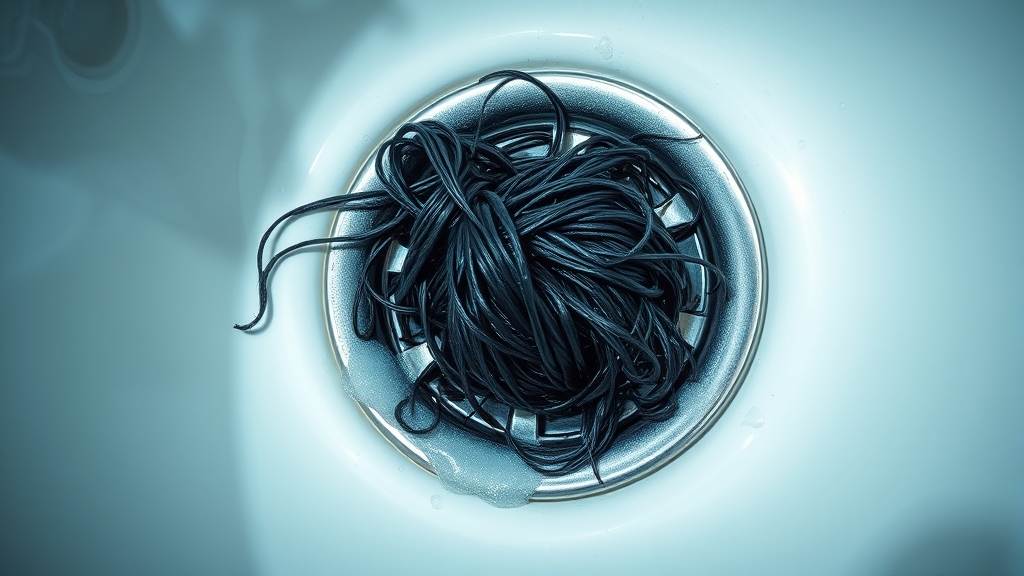
When you’re dealing with a stubborn clogged drain, understanding what caused the blockage can help you prevent future problems.
Hair buildup is one of the most frequent culprits in bathroom drains, tangling together and trapping other debris. In kitchens, grease accumulation and food debris create sticky blockages that worsen over time.
Hair and grease are silent drain destroyers—building up slowly until water has nowhere to go.
Soap residue combines with minerals in your water to form a hard coating inside pipes, gradually narrowing the passage.
Foreign objects like cotton swabs, dental floss, or small toys can lodge in your plumbing and cause immediate backups.
Outside your home, tree roots seek moisture and can infiltrate your sewer lines through tiny cracks.
Older homes often experience pipe corrosion, where deteriorating metal creates rough surfaces that catch debris and restrict water flow.
Recognizing these common causes helps you take preventive action and know when you need professional assistance.
Warning Signs You Need Professional Drain Cleaning
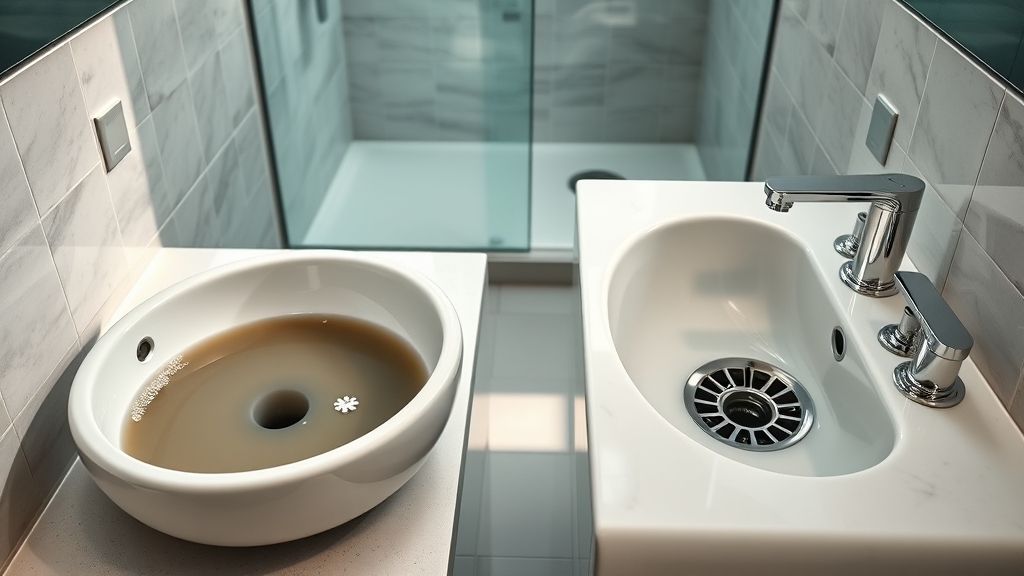
Although minor clogs often respond to basic home remedies, certain warning signs indicate you need a professional plumber’s expertise. When you notice persistent issues despite your DIY efforts, it’s time to call in the experts.
Watch for these warning indicators that signal serious drainage problems:
- Multiple slow drains throughout your home – This suggests a main sewer line issue rather than isolated clogs.
- Gurgling sounds from toilets or drains – Air trapped by blockages creates these unusual noises.
- Foul odors rising from drains – Decomposing debris stuck deep in pipes produces unpleasant smells.
- Water backing up in unexpected places – Shower water appearing in your toilet indicates serious signs of blockage.
- Recurring clogs in the same drain – Repeated problems point to deeper obstructions requiring professional equipment.
Don’t ignore these signals. Delaying professional intervention often leads to costly repairs, water damage, and potential health hazards from sewage exposure.
Benefits of Hiring Local Plumbers Over National Chains
When you’re dealing with a clogged drain, you want someone who can arrive quickly and understand your specific needs.
Local plumbers offer faster response times because they’re already in your community, often reaching your home the same day you call.
They also provide a personalized service approach, taking time to build relationships with customers rather than treating you like just another ticket number.
Faster Response Times
Local plumbers can often arrive at your home within hours of your call, while national chains may leave you waiting a day or more. When you’re dealing with a clogged drain, every minute counts.
Local professionals provide emergency services that get you back to normal quickly.
You’ll benefit from rapid assessments because local plumbers know your area’s common plumbing issues. They don’t waste time with unnecessary diagnostics.
Why local plumbers respond faster:
- They’re based in your community, reducing travel time
- They maintain smaller service areas with dedicated technicians
- They prioritize building neighborhood relationships
- They offer flexible scheduling without corporate red tape
- They understand local infrastructure and building codes
You deserve prompt, efficient service when plumbing problems strike. Local plumbers deliver exactly that.
Personalized Service Approach
Beyond quick response times, you’ll notice a distinct difference in how local plumbers treat you as a customer.
Local professionals prioritize client communication, taking time to explain your drain problem and walk you through repair options. They’re not rushing to the next appointment on a corporate schedule.
Local plumbers develop customized solutions based on your home’s specific plumbing system and history. They remember your previous issues and can identify recurring patterns that national chains might miss.
This familiarity helps prevent future clogs.
You’re not just another ticket number when working with neighborhood plumbers. They build relationships within their community and depend on your satisfaction for referrals.
This accountability means they’ll answer your questions thoroughly and guarantee you understand the work being performed before leaving your property.
Tools and Techniques Professional Plumbers Use for Drain Clearing
Professional plumbers bring specialized equipment to tackle clogs that household tools simply can’t handle. When you call a licensed technician, they’ll assess your situation and select the right approach for your specific blockage.
Common professional drain clearing methods include:
- Drain snaking – A flexible metal cable that breaks through soft blockages and retrieves debris
- Hydro jetting – High-pressure water streams that scour pipe walls and eliminate buildup completely
- Video camera inspection – Fiber-optic cameras that locate blockages and assess pipe condition
- Motorized augers – Power-driven tools that cut through tough obstructions like tree roots
- Air burst cleaners – Compressed gas systems that dislodge stubborn clogs safely
You’ll benefit from these professional-grade tools because they address the root cause of your drainage problems.
Rather than temporary fixes, these techniques provide lasting solutions that keep your pipes flowing freely for years.
How to Find Trustworthy Plumbers in Your Neighborhood
Knowing which tools work best for your clog means little if you can’t find a qualified plumber to use them. Start your search by checking online reviews on platforms like Google, Yelp, and Angi.
Look for plumbers with consistent positive feedback, paying attention to comments about punctuality, pricing transparency, and quality of work.
Don’t underestimate word of mouth recommendations. Ask neighbors, friends, and family members who they’ve hired for drain issues.
Personal referrals often reveal insights that online reviews miss, such as how plumbers handle unexpected complications.
Verify credentials before hiring anyone. Confirm the plumber holds proper licensing and insurance for your state.
Request references from recent customers and actually call them.
Get written estimates from at least three plumbers. Compare not just prices but also what’s included in each quote.
A trustworthy plumber will explain the problem clearly and won’t pressure you into unnecessary services.
What to Expect During a Professional Drain Cleaning Service
When you hire a professional to clear your clogged drain, they’ll typically start with an initial inspection to identify the blockage’s location and cause.
Once they’ve assessed the situation, they’ll select the most effective cleaning method, whether that’s snaking, hydro jetting, or another technique suited to your specific problem.
After completing the job, your plumber should provide post-service recommendations to help you prevent future clogs and maintain healthy drains.
Initial Inspection Process
Before any drain cleaning work begins, a qualified plumber will conduct a thorough assessment of your plumbing system to pinpoint the exact location and cause of the blockage.
During the drain inspection, you’ll see professionals use specialized equipment to examine your pipes without causing damage.
Video analysis technology allows plumbers to insert a small waterproof camera into your drains, providing real-time footage of the problem area. This method eliminates guesswork and guarantees accurate diagnosis.
During your inspection, expect the plumber to:
- Insert a flexible camera through accessible drain openings
- Identify buildup, tree roots, or pipe damage
- Document findings with recorded footage
- Explain the severity of your clog
- Recommend appropriate cleaning methods based on results
This systematic approach guarantees you receive targeted, effective solutions.
Cleaning Methods Used
Professional plumbers rely on several proven techniques to clear stubborn drain blockages effectively. During your drain cleaning service, technicians will select the most appropriate method based on the clog’s severity and location.
| Method | Best For | Process |
| Hydro Jetting | Heavy buildup | High-pressure water blasts debris away |
| Drain Snaking | Localized clogs | Rotating cable breaks through blockages |
| Bio-Enzymatic Treatment | Organic matter | Eco friendly solutions dissolve waste naturally |
You’ll find that modern plumbers increasingly use eco friendly solutions that protect your pipes and the environment. Hydro jetting proves especially effective because it doesn’t require harsh chemicals while thoroughly cleaning pipe walls. Your plumber will explain which technique suits your situation before beginning work, ensuring you understand the entire process.
Post-Service Recommendations
Once your plumber finishes clearing the blockage, they’ll share specific recommendations to keep your drains flowing smoothly.
This plumbing advice helps you avoid future problems and extends the life of your system.
Your technician’s post service care instructions typically include:
- Monthly maintenance tips for preventing buildup in high-use drains
- Product recommendations for safe, effective drain cleaners
- Warning signs that indicate developing clogs
- Scheduling guidance for routine professional inspections
- Disposal practices to avoid putting harmful materials down drains
You’ll want to follow this plumbing advice closely, as proper post service care considerably reduces emergency calls.
Ask your plumber questions before they leave—they’re your best resource for understanding your home’s specific drainage needs and vulnerabilities.
Cost Factors for Clogged Drain Repairs and Services
When you’re facing a clogged drain, understanding what affects the final bill helps you budget appropriately and avoid surprises. Several variables influence repair pricing, including the clog’s location, severity, and accessibility. A simple bathroom sink blockage costs markedly less than a main sewer line obstruction requiring specialized equipment.
Your plumber should provide detailed service estimates before beginning work. These estimates typically account for labor time, equipment usage, and any replacement parts needed. Emergency calls during nights or weekends often carry premium rates, so scheduling routine appointments when possible saves money.
The diagnostic method also impacts costs. Camera inspections add expense but pinpoint problems accurately, potentially reducing overall repair time. Additionally, older homes with outdated piping may require more extensive work.
Always request itemized quotes from multiple plumbers to compare fairly. This transparency guarantees you’re paying reasonable rates for quality drain repair services.
Preventive Maintenance Tips to Keep Your Drains Clear
Taking proactive steps to maintain your drains can save you hundreds of dollars in repair costs and prevent the headache of dealing with sudden backups.
Proactive drain maintenance today prevents costly repairs and frustrating backups tomorrow.
Regular drain maintenance doesn’t require professional expertise—you can implement several DIY tips to keep water flowing smoothly through your pipes.
Here are effective strategies to prevent clogs:
- Run hot water through your drains weekly to dissolve grease buildup before it hardens.
- Use drain screens in showers and sinks to catch hair, soap residue, and food particles.
- Pour a mixture of baking soda and vinegar monthly to break down organic matter.
- Avoid dumping grease down kitchen drains; instead, collect it in containers for disposal.
- Flush drains with enzyme-based cleaners quarterly to maintain bacterial balance.
You’ll notice fewer slow drains and backups when you follow these practices consistently.
If problems persist despite your efforts, that’s when you should contact a local plumber.
Frequently Asked Questions
Can Chemical Drain Cleaners Damage My Pipes Over Time?
Yes, chemical drain cleaners can damage your pipes over time. The harsh chemical reactions they create may corrode various pipe materials, especially older metal or PVC pipes. You’re better off calling a professional plumber for stubborn clogs.
How Long Does a Typical Professional Drain Cleaning Appointment Take?
You’ll typically spend about 30 minutes to two hours on your service appointment timeline, depending on clog severity. Most drain cleaning duration falls closer to one hour when you’re dealing with standard blockages.
Do Plumbers Offer Emergency Services for Clogged Drains on Weekends?
Yes, most plumbers offer weekend availability for urgent drain problems. You’ll find many companies provide 24/7 emergency response services, so you can get your clogged drain fixed quickly, even outside regular business hours.
Will My Homeowner’s Insurance Cover Professional Drain Cleaning Costs?
Your homeowner’s insurance typically won’t cover routine drain cleaning costs. You’ll want to check your home warranty coverage instead, as it often includes plumbing services. Review your plumbing policy limitations to understand what’s excluded.
How Often Should I Schedule Professional Drain Inspections for My Home?
You should schedule professional drain inspections annually for ideal drain maintenance. However, older homes or properties with mature trees nearby may benefit from increased inspection frequency—every six months—to catch potential clogs before they become costly problems.
Final Thoughts
Don’t let clogged drains interfere with your day or lead to costly plumbing damage. Reliable local plumbers provide faster response times, community accountability, and the specialized knowledge needed to diagnose recurring clogs, sewer line issues, or buildup deep within your system. When warning signs appear—slow drains, foul odors, backups, or repeated blockages—acting quickly prevents long-term damage and protects your home.
For dependable, expert help, DNA Honest Plumbing delivers fast, local service backed by industry-leading tools such as drain cleaning, high-powered hydro jetting, and detailed camera sewer inspections to locate and resolve stubborn or hidden problems. If your clog is related to internal plumbing issues or aging fixtures, explore our interior plumbing services or browse our complete plumbing solutions for long-term prevention and system health.
Whether you’re facing an active blockage or looking to avoid future issues, partnering with a trusted local professional ensures reliable results and ongoing peace of mind. For immediate service or to schedule a comprehensive drain evaluation, contact us here: Contact DNA Honest Plumbing