Plumbing emergencies can strike at the most inconvenient times, often leaving homeowners and small business owners scrambling for fast solutions. Whether it’s a burst pipe in the middle of the night or a clogged drain during a busy workday, knowing how to handle these situations with DIY emergency fixes Sterling Heights can save you time, money, and stress. This guide is crafted for residents, developers, and business owners in the area who want to be prepared for unexpected plumbing issues. By understanding the basics of emergency plumbing repairs, you can prevent minor mishaps from turning into costly disasters. From quick leak repairs to unclogging stubborn drains, you’ll find practical advice and step-by-step instructions to tackle common plumbing problems confidently. Let’s dive into essential tips and techniques that will empower you to handle emergencies like a pro, ensuring your property stays safe and functional even when the unexpected happens.
DIY Emergency Fixes Sterling Heights
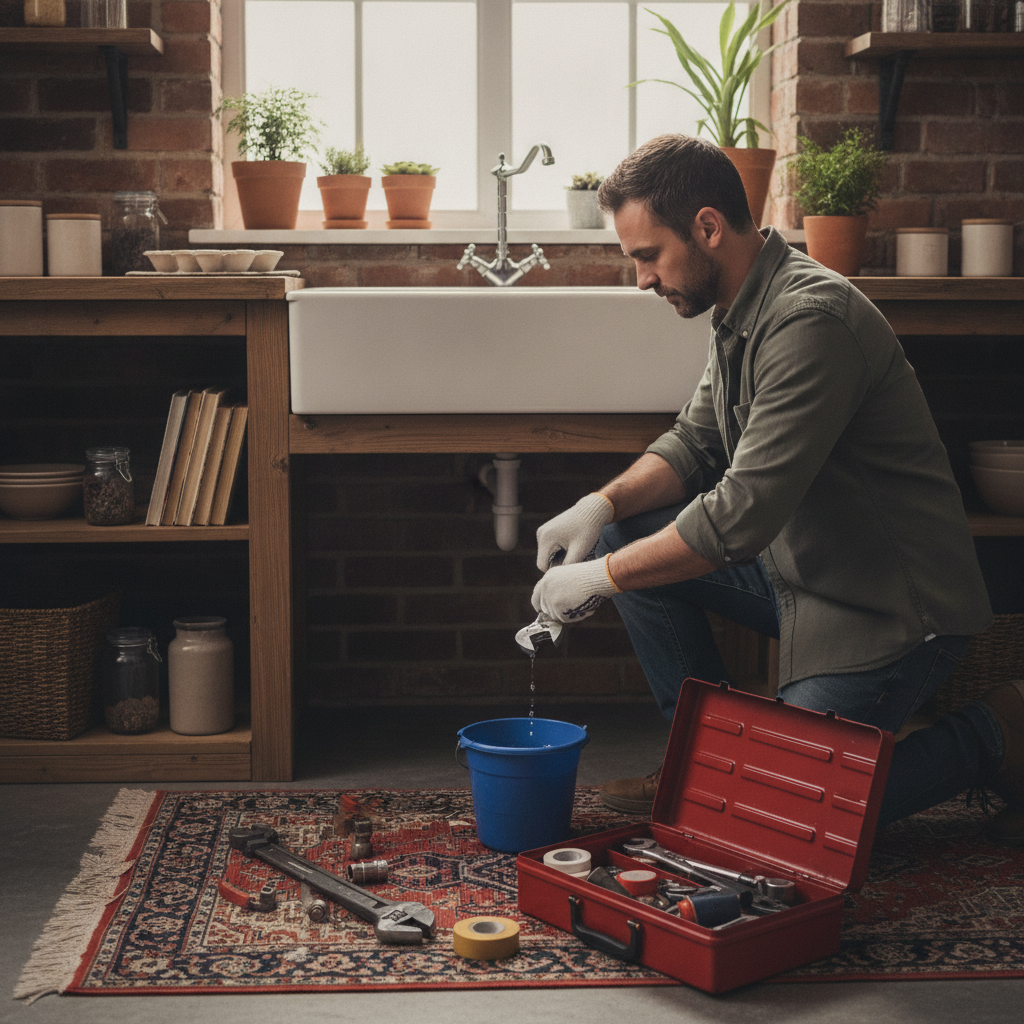
When plumbing emergencies occur, acting quickly with the right DIY emergency fixes Sterling Heights is crucial. The first step is to remain calm and assess the situation. Is water actively leaking? Is a drain backing up? Identifying the problem helps you choose the correct response. For leaks, locate the nearest shutoff valve and turn off the water supply to prevent further damage. If you can’t find the source, shutting off the main water valve is your safest bet. Keep a basic plumbing toolkit handy, including an adjustable wrench, pliers, pipe tape, and a plunger. These tools are essential for most emergency fixes.
One of the most common emergencies is a burst pipe. If this happens, immediately shut off the water and use pipe repair tape or a pipe clamp to temporarily seal the break. For minor leaks under sinks, tightening connections or wrapping threads with plumber’s tape can often stop the drip until a professional arrives. Clogged drains are another frequent issue. Use a plunger to try to clear the blockage. For tougher clogs, a drain snake or auger can help break up debris. Avoid using chemical drain cleaners, as they can damage pipes and are often ineffective for severe clogs.
If you’re dealing with a running toilet, check the flapper and fill valve inside the tank. Adjusting or replacing these inexpensive parts can resolve most issues. For water heater leaks, turn off the power or gas supply and the cold water inlet. Never attempt to repair a water heater tank yourself, but you can contain leaks with towels or buckets until expert help arrives. Remember, safety comes first. If you suspect a gas leak or electrical hazard, evacuate the property and call emergency services immediately.
For more comprehensive emergency plumbing tips, consider consulting local professionals who can guide you through advanced repairs. Being prepared and knowing these basics can make a significant difference when every minute counts.
DIY Emergency Fixes Sterling Heights, MI
Tackling plumbing emergencies in this community requires a blend of resourcefulness and quick thinking. DIY emergency fixes Sterling Heights are especially valuable for small business owners who need to keep operations running smoothly. When a pipe bursts in a commercial setting, shutting off the water supply is still the first priority. However, it’s also important to communicate with employees and customers, ensuring safety and minimizing disruption. Place signs around affected areas and use buckets or towels to contain leaks.
For clogged sinks or toilets in a business environment, use a heavy-duty plunger or a commercial-grade auger. These tools are designed to handle larger volumes and tougher blockages. If the problem persists, check for visible obstructions in the trap or U-bend beneath sinks. Sometimes, removing and cleaning these parts can restore normal flow. Always wear gloves and protective eyewear when handling plumbing repairs, especially in high-traffic spaces.
Frozen pipes are a seasonal challenge in the region. If you suspect a pipe is frozen, open the faucet and gently warm the pipe with a hair dryer or heating pad. Never use an open flame, as this can cause pipes to burst or create fire hazards. Insulating exposed pipes before winter is a proactive step that can prevent emergencies. For water heater issues, check the thermostat and reset button before calling for service. Sometimes, a simple reset can restore hot water and avoid costly downtime.
If you’re unsure about any repair or the situation seems dangerous, don’t hesitate to seek professional help. For a detailed guide on DIY Plumbing Fixes Sterling Heights, reliable resources are available to assist you in managing urgent plumbing needs efficiently.
DIY Emergency Fixes Sterling Heights Michigan
In this region, understanding the local plumbing infrastructure can help you perform more effective DIY emergency fixes Sterling Heights. The age and type of pipes, water pressure, and weather patterns all influence how plumbing systems behave during emergencies. For example, older homes may have galvanized steel pipes prone to corrosion and leaks, while newer constructions often use PEX or copper, which are more resilient but still susceptible to freezing or bursting under extreme conditions.
When disaster strikes, quick action is key. Keep a list of shutoff valves and their locations for every water fixture in your home or business. Labeling these valves can save precious minutes during an emergency. For multi-story buildings, remember that water can travel quickly between floors, so inspect ceilings and walls for signs of leaks after an incident. Mold and water damage can develop rapidly if not addressed, so use fans and dehumidifiers to dry affected areas as soon as possible.
It’s also wise to know the location of your main sewer cleanout. In the event of a major backup, accessing this point allows you to relieve pressure and prevent sewage from flooding your property. For minor blockages, a hand auger or drain bladder can be effective. Always dispose of waste water and debris safely, following local regulations to protect the environment and your plumbing system.
Regular maintenance is the best way to avoid emergencies. Schedule seasonal inspections, insulate pipes before winter, and replace worn-out washers and seals. By staying proactive, you’ll reduce the likelihood of sudden breakdowns and ensure your plumbing remains reliable year-round.
Essential Tools for DIY Plumbing Repairs
Having the right tools on hand is critical for successful DIY emergency fixes Sterling Heights. A well-stocked toolkit enables you to respond quickly and effectively to a wide range of plumbing issues. Here are some must-have tools for every homeowner or small business owner:
- Adjustable wrench: For tightening and loosening nuts and fittings.
- Pipe wrench: Provides extra grip for stubborn pipes and fittings.
- Plunger: Essential for clearing clogs in sinks, toilets, and tubs.
- Drain snake or auger: For breaking up tough clogs deep in pipes.
- Plumber’s tape (Teflon tape): Seals threaded connections to prevent leaks.
- Pipe repair clamp or epoxy putty: Temporary fixes for leaks and cracks.
- Bucket, towels, and sponges: For containing and cleaning up water spills.
- Flashlight: For inspecting dark or hard-to-reach areas.
- Protective gloves and goggles: To keep you safe during repairs.
Investing in these basic tools will make you more self-sufficient and ready to tackle most plumbing emergencies. Store your toolkit in an easily accessible location, and check periodically to ensure everything is in good working order. Remember, preparation is half the battle when it comes to plumbing repairs.
How to Stop Leaks Quickly
Leaks can cause significant water damage if not addressed immediately. The first step in any DIY emergency fixes Sterling Heights is to stop the flow of water. Locate the nearest shutoff valve or turn off the main water supply. Once the water is off, dry the area around the leak to assess the damage. For small leaks at joints or fittings, wrap plumber’s tape around the threads and tighten the connection. If the leak is in a pipe, use a pipe repair clamp or epoxy putty for a temporary seal.
For pinhole leaks, a rubber patch secured with a hose clamp can provide a short-term solution. If the leak is under a sink, check the P-trap and supply lines for loose connections or cracks. Replace worn washers or gaskets as needed. Always monitor the repair for signs of continued leakage, and contact a professional if the problem persists or worsens. Quick action can prevent extensive damage and costly repairs down the line.
It’s also important to document any leaks and repairs. Take photos and keep notes, especially if you plan to file an insurance claim or need to explain the situation to a plumber later. Staying organized ensures a smoother resolution to any plumbing emergency.
Unclogging Drains and Toilets
Clogged drains and toilets are among the most frequent reasons for DIY emergency fixes Sterling Heights. Start by using a plunger to create a tight seal over the drain or toilet opening. Pump vigorously to dislodge the blockage. For sinks and tubs, remove any visible debris from the strainer or stopper before plunging. If the clog persists, a drain snake or auger can reach deeper obstructions. Insert the tool into the drain and rotate it to break up and retrieve the blockage.
Avoid pouring chemical drain cleaners down your pipes, as these can corrode plumbing and harm the environment. Instead, try a mixture of baking soda and vinegar followed by hot water to clear minor clogs. For toilets, if plunging doesn’t work, use a toilet auger to reach and remove the obstruction. Be gentle to avoid damaging the porcelain or internal components.
Regular maintenance can help prevent future clogs. Avoid flushing non-degradable items and keep hair, grease, and food scraps out of drains. Installing drain screens is a simple way to catch debris before it causes problems. If you experience frequent or severe clogs, it may be time to consult a professional to inspect your plumbing system for underlying issues.
Handling Burst and Frozen Pipes
Burst and frozen pipes are serious emergencies that require immediate attention. If you discover a burst pipe, shut off the main water supply right away. Open faucets throughout the property to drain remaining water and relieve pressure. Use towels, buckets, or a wet/dry vacuum to contain and remove water from affected areas. For a temporary fix, wrap the damaged section with a pipe repair clamp or heavy-duty tape.
Frozen pipes are common during cold snaps. If you suspect a pipe is frozen, open the nearest faucet and gently warm the pipe with a hair dryer or heating pad. Start from the faucet end and work your way toward the frozen section. Never use an open flame, as this can damage the pipe and create fire hazards. Insulate exposed pipes with foam sleeves or heat tape to prevent future freezing.
After addressing the immediate issue, inspect nearby pipes for signs of stress or leaks. Water damage can spread quickly, so act fast to dry out affected areas. If you’re unable to locate or access the frozen section, or if the pipe has burst and caused significant flooding, contact a licensed plumber as soon as possible. Prompt action can minimize damage and restore normal water service quickly.
Quick Fixes for Running Toilets
A running toilet wastes water and can lead to higher utility bills. To perform DIY emergency fixes Sterling Heights, start by removing the tank lid and inspecting the internal components. The most common culprits are a faulty flapper, a misaligned float, or a worn fill valve. If the flapper isn’t sealing properly, replace it with a new one. Adjust the float to ensure the water shuts off at the correct level. If the fill valve is malfunctioning, replacing it is a straightforward process with basic tools.
Check the chain connecting the flush handle to the flapper. It should have a slight slack but not be tangled or too tight. If the chain is too short, the flapper may not close completely, allowing water to leak into the bowl. If the chain is too long, it can get caught under the flapper. Adjust as needed for smooth operation.
After making adjustments, flush the toilet and observe its operation. If the water continues to run, double-check all connections and seals. Persistent issues may indicate mineral buildup or a more complex problem requiring professional attention. Regularly inspecting and maintaining toilet components can prevent unexpected breakdowns and keep your bathroom running efficiently.
Temporary Solutions for Water Heater Problems
Water heater issues can leave you without hot water and disrupt daily routines. For DIY emergency fixes Sterling Heights, start by checking the power supply. For electric units, ensure the breaker hasn’t tripped. For gas heaters, verify the pilot light is lit. If you notice water pooling around the base, turn off the power or gas and the cold water inlet to prevent further leaks.
Small leaks from fittings or valves can sometimes be stopped by tightening connections or replacing washers. For more significant leaks, use towels and buckets to contain the water and minimize damage. Never attempt to open or repair the tank itself, as this can be dangerous. If the water is discolored or has an unusual odor, flush the tank by draining a few gallons from the bottom valve. This can remove sediment and improve performance.
If the water heater isn’t producing hot water, check the thermostat and reset button. Sometimes, a simple reset can restore normal function. If the problem persists, contact a licensed technician for further diagnosis. Regular maintenance, such as flushing the tank and inspecting the anode rod, can extend the life of your water heater and prevent unexpected breakdowns.
Preventative Maintenance Checklist
Preventing plumbing emergencies is often easier and less expensive than dealing with repairs. Use this checklist to stay ahead of potential problems and keep your plumbing system in top condition:
| Task | Frequency | Notes |
|---|---|---|
| Inspect pipes for leaks | Monthly | Check under sinks and around appliances |
| Test shutoff valves | Quarterly | Ensure they operate smoothly |
| Clean drains and traps | Monthly | Remove hair, grease, and debris |
| Flush water heater | Annually | Removes sediment and extends lifespan |
| Insulate exposed pipes | Before winter | Prevents freezing and bursting |
| Replace worn washers and seals | As needed | Fixes drips and slow leaks |
Following this checklist will help you catch minor issues before they escalate, ensuring your plumbing system remains reliable and efficient. Regular maintenance is the best defense against unexpected emergencies.
When to Call a Professional
While many plumbing emergencies can be managed with DIY emergency fixes Sterling Heights, some situations require professional expertise. If you encounter a major leak that you cannot control, sewage backups, or signs of mold and water damage, it’s time to call in the experts. Electrical hazards, gas leaks, and water heater malfunctions are also best left to licensed professionals to ensure safety and compliance with local codes.
Attempting complex repairs without the proper knowledge or tools can lead to further damage and higher repair costs. Professional plumbers have the training and equipment to diagnose and resolve issues quickly and effectively. They can also provide valuable advice on upgrading fixtures, improving efficiency, and preventing future emergencies.
Keep a list of trusted local plumbers and emergency contacts in an easily accessible location. Being prepared ensures you can act quickly when professional help is needed. Remember, your safety and the integrity of your property should always come first.
Final Thoughts
Plumbing emergencies are stressful, but with the right knowledge and preparation, you can handle many situations confidently. By mastering DIY emergency fixes Sterling Heights, you’ll be ready to respond quickly to leaks, clogs, and other common issues. Remember to keep essential tools on hand, perform regular maintenance, and know when to call a professional. Staying proactive not only protects your property but also saves you time and money in the long run. Empower yourself with these practical tips, and you’ll be well-equipped to keep your home or business running smoothly, no matter what plumbing challenges arise.