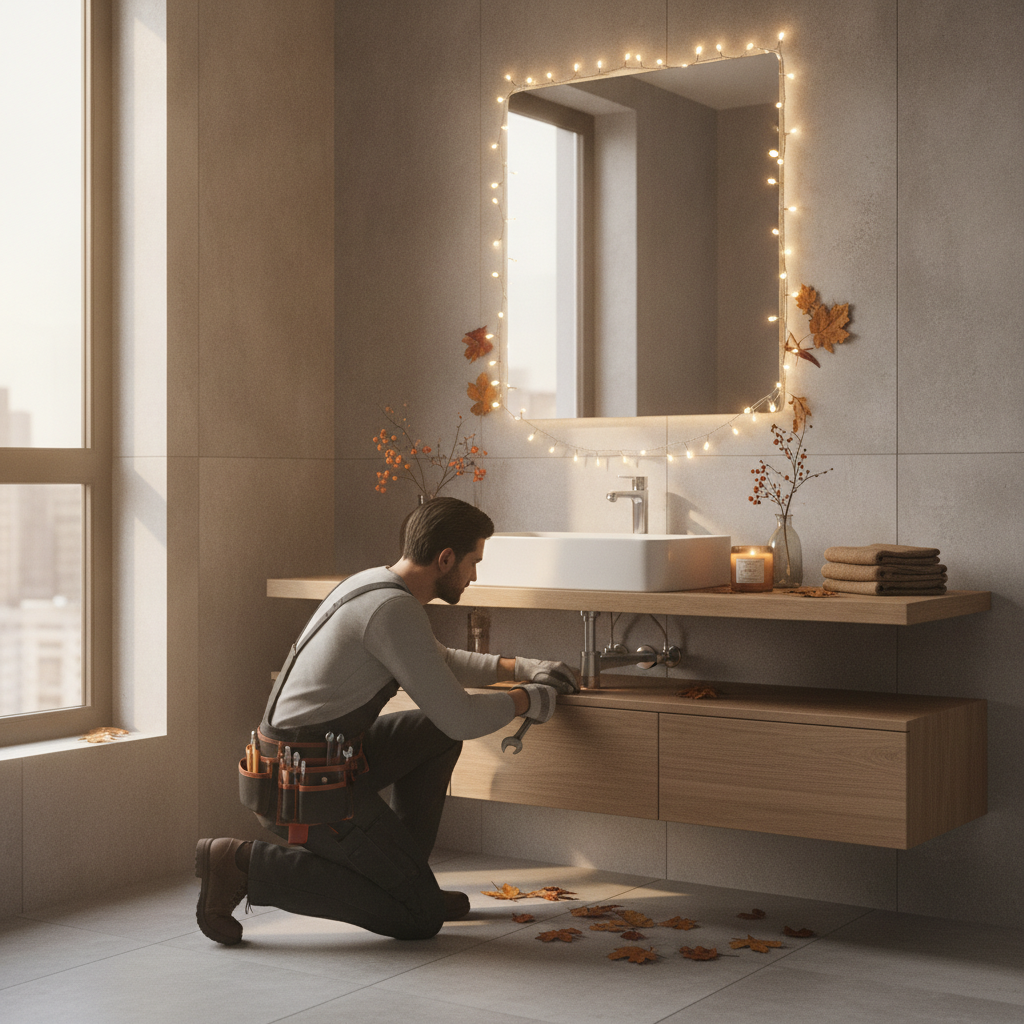
Urban living brings unique challenges, and when it comes to plumbing, each season can introduce new concerns for business owners, developers, and residents alike. Whether you’re running a small shop, managing a multi-unit property, or simply want to keep your home’s pipes in top shape, understanding how seasonal changes affect your plumbing is essential. This guide delivers practical, actionable seasonal plumbing advice Sterling Heights locals can use to avoid costly repairs, prevent water damage, and keep their systems running smoothly all year. From freezing winters to humid summers, we’ll break down what to watch for, how to prepare, and the steps you can take to protect your property’s plumbing investment. With proactive care and a few expert strategies, you’ll be ready to tackle whatever the weather brings, ensuring peace of mind for your business, tenants, or family. Let’s dive into the essentials of seasonal plumbing care in this community and discover how to stay ahead of common issues before they become emergencies.
Seasonal Plumbing Advice Sterling Heights
The need for seasonal plumbing advice Sterling Heights is especially critical as temperatures swing from icy winters to warm, rainy springs. For local business owners and residents, winter is often the most challenging time. Frozen pipes, burst lines, and malfunctioning water heaters can disrupt operations and daily life. The area’s cold snaps make it vital to insulate exposed pipes, especially those running along exterior walls or in unheated spaces like basements and garages. Pipe insulation is an affordable, effective way to prevent freezing and subsequent bursts that can cause thousands of dollars in water damage.
Spring brings its own set of challenges. Melting snow and frequent rain can overwhelm drainage systems and lead to basement flooding. This is the ideal time to check sump pumps for functionality, clear out gutters, and ensure downspouts direct water away from foundations. A proactive approach to maintenance can prevent the headaches that come with water intrusion and mold growth. For small business owners, keeping entryways and storage areas dry is critical to protecting inventory and maintaining a safe environment for customers and staff.
To stay ahead of seasonal plumbing issues, consider scheduling a professional inspection before winter and again in early spring. A licensed plumber can spot early warning signs, such as minor leaks or corrosion, that could become major problems if left unchecked. For more detailed tips and to learn about specialized solutions for sewer line issues, visit our site for expert guidance tailored to this region.
Seasonal Plumbing Advice Sterling Heights, MI
When considering seasonal plumbing advice Sterling Heights, MI, it’s important to recognize how the local climate directly impacts your plumbing infrastructure. The region’s freeze-thaw cycles can cause underground pipes to shift, increasing the risk of leaks or breaks. It’s essential to know where your main water shutoff valve is located and to test it periodically, so you can act quickly in an emergency. For businesses, having staff trained on emergency shutoff procedures is a smart move that can minimize downtime and property damage.
Routine maintenance should include checking for slow drains, unusual odors, or gurgling sounds in your plumbing system. These can be early indicators of blockages or venting problems that are best addressed before heavy spring rains or summer storms arrive. In multi-unit buildings, regular communication with tenants about what should and shouldn’t go down the drains can prevent costly clogs and backups.
Another key aspect of seasonal plumbing advice Sterling Heights, MI, is water heater maintenance. Sediment buildup can reduce efficiency and lead to premature failure, especially after a long winter of heavy use. Flushing the tank and checking the pressure relief valve are simple steps that can extend the life of your water heater. For those looking for trusted local expertise, DNA Honest Plumbing offers comprehensive maintenance and emergency services to keep your plumbing in peak condition year-round.
Seasonal Plumbing Advice Sterling Heights Michigan
Residents and business owners seeking seasonal plumbing advice Sterling Heights Michigan should pay close attention to summer and fall transitions. Summer’s high water usage, think irrigation systems, cooling towers, and increased laundry, can stress pipes and fixtures. Inspect outdoor spigots and hoses for leaks, and consider installing backflow preventers to protect your potable water supply from contamination. As fall approaches, prepare for dropping temperatures by disconnecting hoses, draining outdoor lines, and shutting off exterior water valves to prevent freezing.
Storm preparation is another crucial part of seasonal plumbing advice Sterling Heights Michigan. Heavy rain can lead to sewer backups, especially in older neighborhoods. Installing a backwater valve and ensuring your sump pump has a battery backup can help safeguard your property during severe weather. Regularly clearing debris from storm drains and checking that your property’s grading directs water away from the foundation can also reduce flood risk.
For those needing more in-depth seasonal plumbing advice, especially regarding water heaters and emergency repairs, check out this plumbing advice resource for professional tips and support tailored to the local climate.
Winterizing Your Plumbing System
Winter brings some of the harshest conditions for plumbing systems in this city. To avoid frozen or burst pipes, begin by insulating all exposed piping, especially in crawl spaces, attics, and garages. Use foam pipe sleeves or heat tape for added protection. Keep cabinet doors under sinks open during extreme cold to allow warm air to circulate around pipes. For vacant properties or businesses that close during winter holidays, it’s wise to drain the water system entirely and shut off the main supply.
Another important step is to check for drafts near plumbing lines. Seal any gaps in walls or foundations where cold air can enter. If a pipe does freeze, never use an open flame to thaw it. Instead, use a hair dryer or space heater, applying heat gradually. If you notice reduced water flow or suspect a frozen line, act quickly to prevent a burst. Contacting a professional plumber can save you from expensive repairs and water damage.
Finally, keep an eye on your water heater’s performance during winter. Cold incoming water makes your heater work harder, so consider raising the thermostat slightly (but never above 120°F) and flush the tank to remove sediment. These steps will help your system run efficiently and reduce the risk of breakdowns during the coldest months.
Spring Plumbing Maintenance Checklist
As winter fades and spring arrives, it’s time to inspect your plumbing for any damage caused by freezing temperatures. Start by checking all visible pipes for cracks, leaks, or corrosion. Test outdoor faucets and irrigation systems before regular use, and repair any leaks immediately to avoid water waste and landscape damage. Clean gutters and downspouts to ensure proper drainage away from your property’s foundation.
Inspect sump pumps by pouring a bucket of water into the pit to confirm it activates and drains properly. If your pump fails to operate or makes unusual noises, schedule a repair or replacement. In multi-unit buildings, ensure that all common area drains are clear of debris and functioning well. Encourage tenants or staff to report slow drains, gurgling toilets, or foul odors, as these can signal developing clogs or sewer line issues.
Finally, review your water bill for any unexplained increases, which may indicate hidden leaks. Early detection and prompt repairs can save significant money and prevent water damage as the rainy season begins.
Summer Plumbing Tips for Businesses and Homes
Summer is a busy season for plumbing systems, with increased water usage from irrigation, cooling, and recreational activities. Inspect all outdoor faucets, hoses, and sprinkler systems for leaks or worn components. Repair or replace faulty parts to prevent wasted water and high utility bills. If you operate a business with a commercial kitchen or restroom, schedule regular drain cleaning to avoid clogs caused by grease, food debris, or paper products.
In residential settings, avoid overloading washing machines and dishwashers, as heavy use can strain pipes and lead to backups. Remind family members or tenants to avoid flushing wipes, paper towels, or other non-flushable items. If you plan to travel or close your business for vacation, shut off the main water supply and drain pipes to prevent leaks while you’re away.
Finally, check your water heater for signs of rust, leaks, or odd noises. Summer is a great time to schedule a professional inspection and flush the tank to remove sediment, which can extend the life of your unit and improve efficiency.
Autumn Preparation for Plumbing Systems
Autumn is the perfect time to prepare your plumbing for the coming winter. Begin by disconnecting and draining outdoor hoses, shutting off exterior water valves, and insulating any exposed pipes. Clean gutters and downspouts to prevent blockages that can cause water to back up and freeze around your foundation.
Inspect your water heater and consider scheduling a professional tune-up. Sediment buildup is common after summer’s heavy use, and a thorough flush can improve performance and extend the unit’s lifespan. Test sump pumps and backup systems to ensure they’re ready for increased precipitation and potential power outages.
For businesses, autumn is a good time to review emergency procedures with staff and check that all plumbing fixtures in restrooms and kitchens are functioning properly. Address minor leaks or slow drains before they worsen during the winter months.
Common Plumbing Emergencies and How to Prevent Them
Plumbing emergencies can strike at any time, but many are preventable with regular maintenance and seasonal preparation. The most common issues include frozen pipes, burst lines, sewer backups, and water heater failures. To reduce risk, schedule annual inspections, insulate vulnerable pipes, and install backwater valves and sump pumps with battery backups.
Keep a list of emergency contacts and ensure everyone in your home or business knows where the main water shutoff valve is located. Respond quickly to signs of trouble, such as water stains, musty odors, or unexplained increases in water bills. Early intervention can prevent minor issues from becoming costly disasters.
Educate staff and tenants about what can and cannot be flushed or poured down drains. Simple habits, like disposing of grease in the trash and using drain screens, can prevent many common clogs and backups.
Table: Seasonal Plumbing Checklist
| Season | Key Tasks | Tips |
|---|---|---|
| Winter | Insulate pipes, check water heater, keep cabinets open | Use foam sleeves, test thermostat, know shutoff location |
| Spring | Inspect for leaks, test sump pump, clear gutters | Check water bill, repair immediately, ensure drainage |
| Summer | Check irrigation, clean drains, inspect water heater | Replace worn hoses, flush tank, avoid overloading |
| Autumn | Disconnect hoses, insulate pipes, test sump pump | Prepare for freezing, schedule tune-up, review procedures |
Energy Efficiency and Water Conservation
Improving energy efficiency and conserving water are important goals for both businesses and homeowners in this region. Upgrading to low-flow fixtures, such as toilets, faucets, and showerheads, can significantly reduce water usage and lower utility bills. Consider installing a programmable irrigation system that adjusts watering schedules based on weather conditions to prevent overwatering during the summer months.
Regularly check for leaks in toilets, faucets, and outdoor spigots. Even small drips can waste hundreds of gallons of water each year. Insulating hot water pipes reduces heat loss and allows you to lower the water heater’s temperature setting, saving energy without sacrificing comfort.
For businesses, implementing water-saving practices can enhance your reputation as an environmentally responsible organization. Encourage staff to report leaks promptly and provide training on efficient water use in kitchens and restrooms. These steps not only benefit the environment but also contribute to long-term cost savings.
When to Call a Professional Plumber
While many seasonal plumbing tasks can be handled with basic tools and know-how, some situations require the expertise of a licensed professional. Persistent leaks, low water pressure, recurring clogs, or signs of water damage are all indicators that it’s time to call in the experts. Attempting to fix complex plumbing problems without proper training can lead to more extensive damage and higher repair costs.
For business owners and property managers, establishing a relationship with a trusted local plumber ensures fast response times in emergencies and reliable service for routine maintenance. Ask for references, verify licensing and insurance, and choose a provider with experience in both residential and commercial systems.
Don’t wait until a minor issue becomes a major headache. Proactive maintenance and timely repairs are the best ways to protect your investment and keep your plumbing system running smoothly throughout every season.
Key Takeaways
Staying ahead of the seasons with proactive plumbing care is essential for every resident, business owner, and developer in the area. By following the seasonal plumbing advice Sterling Heights outlined in this guide, you can minimize the risk of costly emergencies, protect your property, and ensure comfort year-round. Remember to insulate pipes before winter, check for leaks and drainage issues in spring, maintain your systems during summer’s heavy use, and prepare thoroughly in autumn. Regular inspections, quick repairs, and a partnership with a trusted plumbing professional will keep your system in top shape. With these strategies, you’ll be ready for whatever the weather brings, enjoying peace of mind and reliable plumbing in every season.