Plumbing emergencies can strike at any moment, leaving homeowners and business owners scrambling for quick answers and reliable solutions. Whether you’re dealing with a burst pipe, a clogged drain, or an overflowing toilet, knowing what to do in the first critical moments can make all the difference. This comprehensive guide brings together the most common Emergency Plumbing FAQs Sterling Heights residents and professionals ask. From understanding the signs of a true emergency to learning how to minimize water damage, we cover the essentials so you can act fast and confidently. With expert insights, practical tips, and clear answers, you’ll be prepared to tackle urgent plumbing problems and protect your property. Let’s dive into the most pressing emergency plumbing questions and provide clarity for anyone facing a plumbing crisis in this community.
Emergency Plumbing FAQs Sterling Heights
When a plumbing emergency occurs, time is of the essence. Homeowners and business owners alike often find themselves unsure about what qualifies as an emergency and how to respond. Here, we answer the most common Emergency Plumbing FAQs Sterling Heights property owners have, so you know exactly what to do when disaster strikes.
What is considered a plumbing emergency? Typically, emergencies include burst pipes, severe leaks, overflowing toilets, and any situation where water is rapidly damaging your property. If you notice water pooling, hear the sound of running water behind walls, or experience a sudden loss of water pressure, these are all signs that immediate action is required.
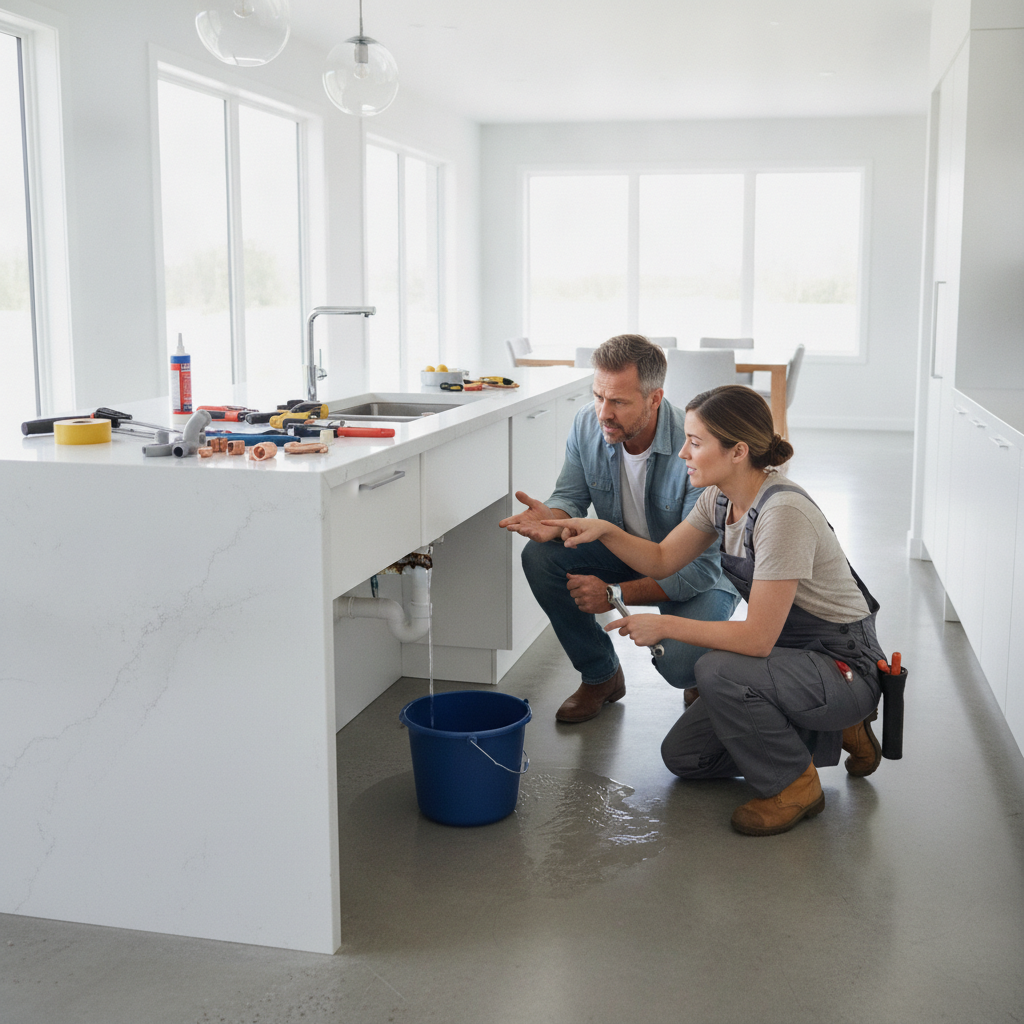
How should you respond to a plumbing emergency? First, locate your main water shut-off valve and turn it off to prevent further water damage. Next, try to contain the affected area with towels or buckets. Then, contact a local emergency plumber who can respond quickly and has experience with urgent repairs in the area. Having a trusted professional on speed dial can save you time and money.
Why is acting quickly so important? Water damage can escalate rapidly, leading to structural issues, mold growth, and costly repairs. The faster you address the problem, the less likely you are to face long-term consequences. Many insurance policies also require prompt action to cover damages, so don’t delay.
For a detailed guide on handling interior plumbing emergencies, check out Emergency Plumbing FAQs Sterling Heights.
Emergency Plumbing FAQs Sterling Heights, MI
Understanding the unique challenges of plumbing emergencies in this region is crucial for effective response. The climate, infrastructure, and water quality all play a role in the types of emergencies that occur and how they should be handled. Below, we address Emergency Plumbing FAQs Sterling Heights, MI property owners often face, focusing on local concerns and solutions.
What are the most common plumbing emergencies in the region? In this area, frozen pipes during winter, sump pump failures during heavy rains, and sewer backups are among the top issues. Each of these can cause significant damage if not addressed quickly. Being aware of seasonal risks can help you prepare and prevent emergencies before they happen.
How can you prevent common emergencies? Regular maintenance is key. Insulate exposed pipes before winter, have your sump pump inspected annually, and avoid flushing items that can clog your sewer line. Many local plumbers offer maintenance packages tailored to the needs of this city’s homes and businesses.
What should you look for in an emergency plumber? Choose a company with 24/7 availability, fast response times, and a proven track record in the neighborhood. Check reviews and ask for recommendations from neighbors or colleagues. A reliable plumber will not only fix the immediate problem but also offer advice to prevent future issues.
For more in-depth answers to Sterling Heights emergency plumbing questions answered, visit Sterling Heights emergency plumbing questions answered.
Emergency Plumbing FAQs Sterling Heights Michigan
Plumbing emergencies can be overwhelming, but having clear answers to your questions can make the situation far less stressful. This section compiles Emergency Plumbing FAQs Sterling Heights Michigan residents and business owners ask, helping you stay informed and ready to act.
How do you know if you need an emergency plumber or if it can wait? If there’s a risk of water damage, sewage exposure, or loss of essential services like hot water, it’s best to call an emergency plumber. Minor drips or slow drains can often wait until regular business hours, but don’t hesitate to ask a professional if you’re unsure.
What information should you provide when calling for emergency help? Be ready to describe the problem, your location, and any steps you’ve already taken. This helps the plumber arrive prepared with the right tools and parts, speeding up the repair process.
Are emergency plumbing services more expensive? Emergency services often come with a premium due to after-hours response and the need for immediate action. However, the cost is often justified by the prevention of further damage and higher repair bills down the line.
To learn more about sewer line emergencies and prevention, learn more.
Identifying a Plumbing Emergency
Recognizing the signs of a true plumbing emergency is the first step toward minimizing damage and ensuring a swift resolution. Not all plumbing issues require immediate professional intervention, but some do. Here’s how to tell the difference and what to watch for.
- Sudden and severe water leaks, such as a burst pipe or a leaking water heater
- Overflowing toilets or drains that cannot be stopped with a plunger
- Sewage backups, which pose health risks and can quickly damage property
- Complete loss of water supply or hot water, especially in extreme weather
- Unusual noises behind walls, like hissing or rushing water
If you notice any of these warning signs, it’s time to act. Quick action can prevent minor issues from escalating into full-blown disasters. Keep an emergency plumber’s contact information handy and don’t hesitate to call if you’re unsure about the severity of the problem.
What to Do Before the Plumber Arrives
In the moments after a plumbing emergency begins, there are steps you can take to limit damage and ensure your safety. Acting quickly and calmly is key. Here’s a checklist of actions to take before your emergency plumber arrives:
- Shut off the main water valve to stop the flow of water
- Turn off electricity in affected areas if water is near electrical outlets or appliances
- Move valuables and electronics away from the affected area
- Use towels, buckets, or mops to contain and remove standing water
- Document the damage with photos for insurance purposes
These steps can help minimize water damage and create a safer environment for both you and the plumber. Preparation and quick thinking are your best defenses against costly repairs.
Preventing Future Plumbing Emergencies
While not all plumbing emergencies can be avoided, many can be prevented with regular maintenance and smart habits. Here are some strategies to reduce your risk:
- Schedule annual plumbing inspections to catch issues early
- Insulate pipes before winter to prevent freezing and bursting
- Avoid flushing anything other than toilet paper to prevent clogs
- Install a sump pump and test it regularly, especially if your basement is prone to flooding
- Know the location of your main water shut-off valve and ensure everyone in your household does too
Proactive care can save you thousands in emergency repairs and give you peace of mind. Many local plumbers offer maintenance packages that include inspections, minor repairs, and advice tailored to your property’s unique needs.
Costs and Insurance for Emergency Plumbing
One of the most common concerns during a plumbing emergency is cost. Emergency services often carry a higher price tag due to the urgency and after-hours nature of the work. However, understanding what to expect can help you budget and make informed decisions.
| Service | Typical Cost Range | Covered by Insurance? |
|---|---|---|
| Burst Pipe Repair | $300 – $1,500 | Usually, if sudden and accidental |
| Sewer Backup | $500 – $3,000 | Depends on policy/rider |
| Water Heater Leak | $200 – $1,000 | Sometimes, if damage is sudden |
| Clogged Drain | $150 – $500 | Rarely |
Check your homeowner’s or business insurance policy to see what types of plumbing emergencies are covered. Some policies require specific riders for sewer backups or sump pump failures. Document all damages and repairs to support your claim if you need to file one.
Choosing the Right Emergency Plumber
Selecting a trustworthy emergency plumber is essential for a fast and effective resolution. Here’s what to look for:
- 24/7 availability and rapid response times
- Licensed, insured, and experienced professionals
- Transparent pricing with clear estimates
- Positive reviews and local recommendations
- Ability to handle a wide range of emergencies, from leaks to sewer backups
Don’t hesitate to ask questions about their experience, guarantees, and response protocols. A reputable plumber will be happy to provide references and explain their process, giving you confidence in their ability to handle your emergency.
Common Plumbing Emergencies and Their Solutions
Knowing how to handle specific plumbing emergencies can help you stay calm and take the right steps. Here are some of the most frequent issues and what to do:
- Burst Pipes: Shut off water immediately and call a plumber. Use towels to soak up water and prevent further damage.
- Clogged Drains: Try a plunger first. If water won’t drain, avoid using chemical cleaners and call a professional.
- Overflowing Toilets: Turn off the water supply to the toilet and use a plunger. If the problem persists, call for emergency help.
- Sump Pump Failure: If your basement floods during heavy rain, unplug electrical devices and call a plumber immediately.
- Sewer Backups: Avoid contact with sewage and keep children and pets away. Call a plumber right away for safe cleanup and repairs.
Being prepared and knowing these basic steps can help you protect your property and reduce the impact of a plumbing emergency.
Emergency Plumbing Tips for Small Businesses
Plumbing emergencies can be especially disruptive for small businesses, potentially leading to lost revenue, damaged inventory, and safety concerns for staff and customers. Here are targeted tips for business owners in the region:
- Train staff on how to shut off water and respond to leaks or overflows
- Schedule regular plumbing inspections to catch problems early
- Keep emergency contact information posted in visible areas
- Develop a plan for quick cleanup and damage control
- Review insurance coverage to ensure it includes plumbing emergencies
Preparation helps minimize downtime and protects your reputation. Partnering with a reliable plumber who understands the needs of local businesses can make all the difference during an emergency.
How Developers and Property Managers Can Prepare
Developers and property managers have a unique responsibility to maintain plumbing systems and respond quickly to emergencies. Here’s how to be proactive:
- Establish relationships with trusted local emergency plumbers
- Implement regular maintenance schedules for all properties
- Educate tenants on what to do in case of leaks or water damage
- Keep detailed records of plumbing repairs and upgrades
- Invest in preventative measures like backflow valves and sump pumps
Being prepared not only protects your investment but also ensures tenant satisfaction and reduces liability. Quick response and clear communication are essential components of effective property management during plumbing emergencies.
Key Takeaways
Plumbing emergencies are unpredictable, but being prepared can make all the difference. By familiarizing yourself with Emergency Plumbing FAQs Sterling Heights, knowing how to identify urgent issues, and having a plan in place, you can protect your home or business from costly damage. Remember to act quickly, keep emergency contacts handy, and invest in regular maintenance to prevent future problems. Whether you’re a homeowner, business owner, or property manager, these insights will help you respond with confidence and minimize the impact of any plumbing crisis in the neighborhood. Stay informed, stay prepared, and don’t hesitate to seek expert help when you need it most.