Skip to content
To maintain your drains cost-effectively, make it a habit to pour hot water down them regularly, which can dissolve grease and soap buildup. Try using a mixture of baking soda and vinegar to tackle minor clogs and keep drain strainers handy to catch debris. Schedule regular inspections to spot issues early, saving you money in the long run. Investing in basic tools and preventive measures guarantees peace of mind, and there’s more to discover about efficient maintenance strategies.
Key Takeaways
- Regularly pour hot water down drains to dissolve grease and soap buildup, preventing clogs effectively.
- Use a baking soda and vinegar mixture to break down minor blockages naturally and economically.
- Implement drain strainers to catch debris, significantly reducing the risk of clogs entering the plumbing.
- Schedule routine inspections to identify potential issues early, saving on costly repairs in the long run.
- Invest in preventive tools like drain covers and cleaning solutions to maintain clear and functional drains affordably.
Why Neglecting Drain Maintenance Can Cost You?
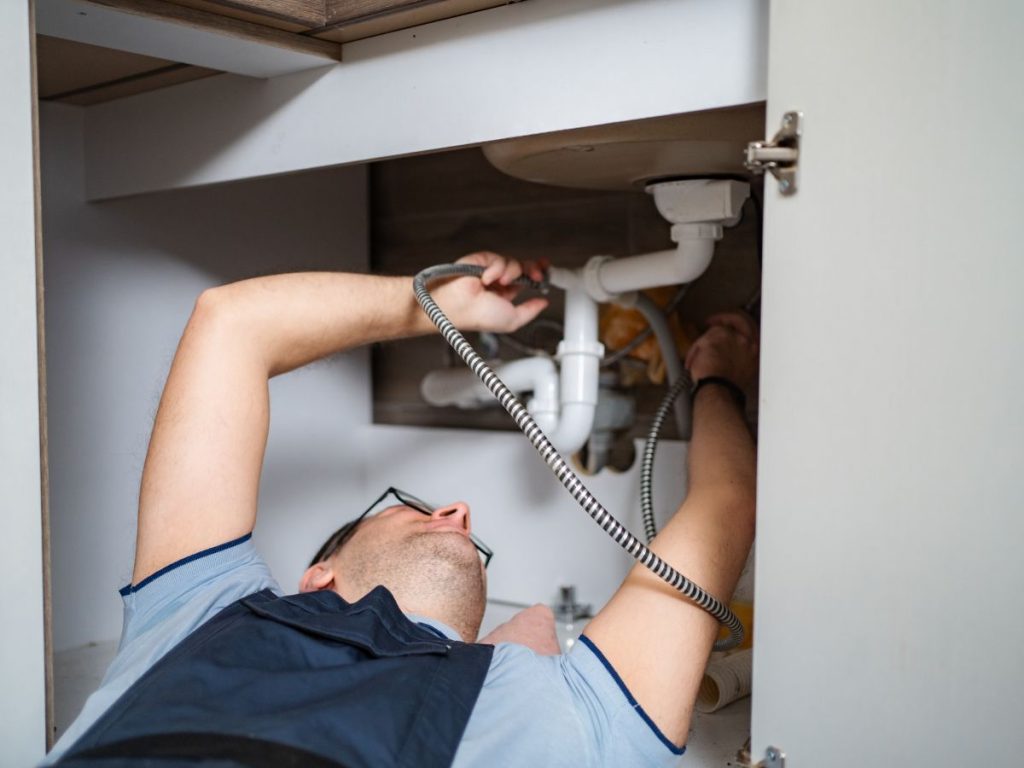
When you ignore drain maintenance, you risk facing costly repairs down the line. Poor drain hygiene can lead to clogs and backups, which not only disrupt your daily activities but also create an environment for mold and bacteria.
Ignoring drain maintenance can lead to costly repairs, clogs, and health risks from mold and bacteria.
These issues can escalate quickly, requiring expensive professional services to resolve. You might think skipping maintenance saves money, but the financial consequences of neglect can add up fast.
Regular cleaning and inspections can prevent minor issues from becoming major problems, ultimately saving you both time and money. By prioritizing drain hygiene, you’re investing in your home’s health and your wallet’s future.
Don’t wait for a disaster—schedule maintenance today to avoid unnecessary expenses tomorrow.
Common Causes of Drain Clogs and Backups
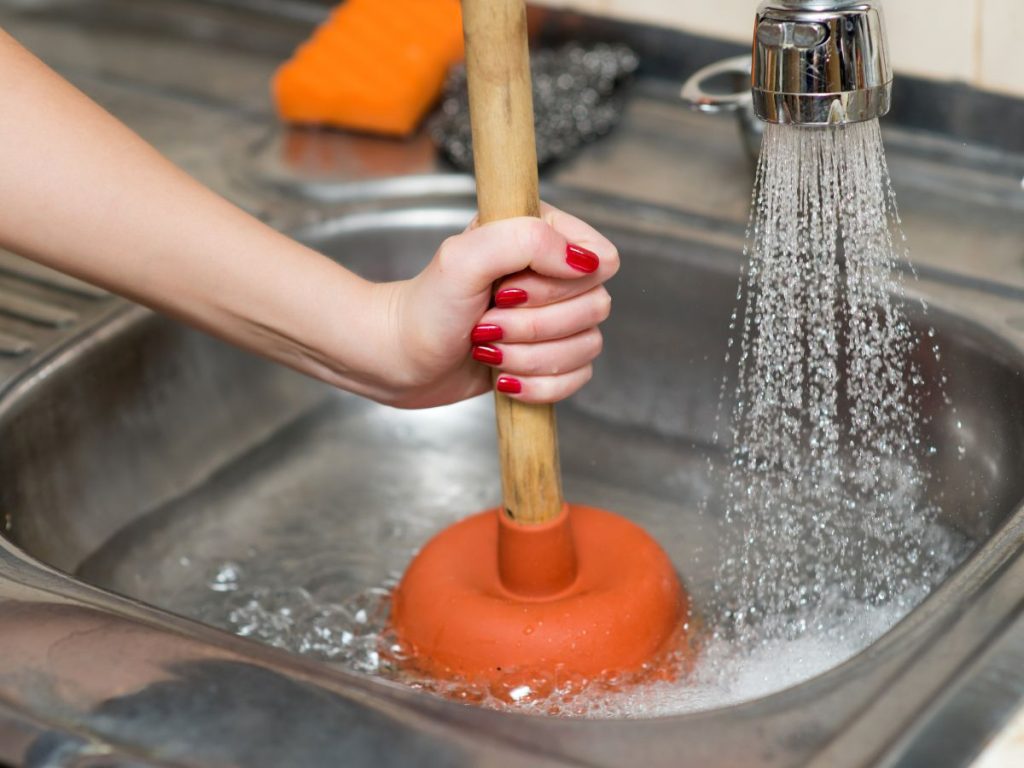
While you mightn’t think twice about what goes down your drains, several common culprits can lead to clogs and backups.
Hair accumulation is a frequent offender, especially in bathroom sinks and showers. In kitchens, grease buildup from cooking can solidify and create blockages.
You may also accidentally introduce foreign objects, like small toys or wrappers, into your drains. Tree roots can invade underground pipes, causing significant issues.
Additionally, soap residue can combine with other materials, forming a stubborn sludge. Food particles left in sinks contribute to slow drainage, while mineral deposits from hard water can narrow pipes over time.
Recognizing these causes helps you take proactive steps to maintain clear drains.
Effective DIY Drain Maintenance Solutions
To keep your drains flowing smoothly, you can implement several effective DIY maintenance solutions.
First, regularly perform drain cleaning by pouring hot water down your drains weekly. This helps dissolve grease and soap buildup.
You can also use a mixture of baking soda and vinegar to break down minor clogs—just let it sit for about 30 minutes before rinsing with hot water.
Additionally, using a drain strainer can catch debris before it goes down, preventing potential blockages.
Don’t forget to periodically check and clean your sink traps.
These simple maintenance tips can save you from costly repairs and keep your plumbing in good shape.
With a bit of effort, you can maintain clear and functional drains year-round.
Natural Remedies to Clear Clogged Drains
If you’re dealing with a clogged drain, natural remedies can be a game changer.
You can try the baking soda method, the vinegar flush technique, or even a mix of salt and boiling water.
These simple options aren’t only effective but also budget-friendly!
Baking Soda Method
When you’re faced with a clogged drain, the baking soda method offers an effective and natural solution. Start by pouring about half a cup of baking soda directly into the drain. This simple step initiates the drain cleaning process by helping to break down any buildup.
Next, let it sit for about 15 minutes to allow the baking soda to work its magic. Follow this with a pot of boiling water, which can help flush away the debris.
This method’s great because it uses non-toxic ingredients, making it safe for your plumbing and the environment. You can repeat this process monthly to keep your drains clear and functioning smoothly, making it a cost-effective maintenance option.
Vinegar Flush Technique
Following the baking soda method, the vinegar flush technique is another effective natural remedy for clearing clogged drains. This method harnesses vinegar’s benefits, such as its acidic properties, which help break down grease and grime.
To use it, pour a cup of vinegar down the drain after the baking soda treatment. Let it sit for about 30 minutes, then flush with hot water. This combination not only helps clear clogs but also freshens your pipes.
For best results, consider using this technique monthly. Regular flushing frequency can prevent build-up and keep your drains flowing smoothly. By incorporating the vinegar flush into your routine, you’ll maintain cleaner drains without harsh chemicals.
Salt And Boiling Water
While vinegar and baking soda are popular choices for drain maintenance, salt and boiling water also offer a simple and effective solution for clearing clogs.
Start by pouring about half a cup of salt down the drain. Salt benefits include breaking down grease and food particles, making it easier for water to flow.
Next, boil a pot of water and pour it down the drain slowly. The boiling effectiveness helps dissolve stubborn blockages while flushing away debris.
This combination not only clears clogs but can also prevent future build-up. Regularly using this method can keep your drains flowing smoothly without harsh chemicals.
Alternatives to Chemical Drain Cleaners
If you’re looking for effective ways to clear your drains without relying on harsh chemicals, several alternatives can do the trick.
Biodegradable alternatives like baking soda and vinegar can break down grime naturally. Simply pour them down your drain, let them sit, and then flush with hot water.
Enzymatic cleaners are another great option; they use natural enzymes to digest organic matter, making them eco-friendly solutions that are safe for your plumbing.
Additionally, incorporating preventative measures, such as regularly cleaning your drains and avoiding putting food waste down them, can help keep your system clear.
Why Regular Drain Inspections Matter?
Regular drain inspections are key to preventing costly repairs down the line.
By keeping an eye on your system, you can enhance its performance and catch potential issues early.
This proactive approach saves you time and money, ensuring your drains function smoothly.
Prevent Costly Repairs
To prevent costly repairs, it’s essential to prioritize regular drain inspections. By checking your drains frequently, you can spot potential issues before they escalate. Clogs and leaks can develop over time, but with routine inspections, you can implement effective drain cleaning and other preventative measures.
These steps help maintain your drainage system and save you from expensive repair bills later on. Ignoring small problems can lead to significant damage, often requiring extensive repairs.
Regular inspections allow you to address minor issues promptly, protecting your home and wallet. So, make drain inspections a part of your maintenance routine. It’s a simple way to guarantee your plumbing system remains in good shape, ultimately avoiding the headaches of costly repairs.
Enhance System Performance
Boosting your drainage system’s overall performance starts with regular inspections. By checking your drains periodically, you can identify issues before they escalate, ensuring peak drain performance.
These inspections help maintain system efficiency by revealing blockages, leaks, or signs of wear that could hinder functionality.
When you spot problems early, you not only save on potential repair costs but also extend the life of your drainage system. Regular maintenance means your drains can handle heavy usage without breaking down.
Investing time in inspections will pay off in the long run, keeping your system running smoothly and efficiently. So, prioritize those inspections, and you’ll enjoy a reliable drainage system that meets your needs.
Cost-Effective Plumbing Tools for Homeowners
While plumbing issues can be intimidating, having the right tools on hand can make all the difference for homeowners. Investing in a few plumbing essentials can save you time and money. Here’s a quick look at some budget tools every homeowner should consider:
| Tool | Purpose |
| Plunger | Clears clogs effectively |
| Pipe Wrench | Tightens or loosens fittings |
| Adjustable Wrench | Versatile for various sizes |
| Drain Snake | Removes deep-set blockages |
These tools aren’t just practical; they empower you to tackle minor plumbing problems with confidence. With the right budget tools, you can maintain your home’s plumbing system without breaking the bank.
When to Call a Plumber?
Knowing when to call a plumber can save you time, money, and a lot of frustration.
If you notice persistent drain problems, like slow drainage or foul odors, it’s time to act. Don’t ignore plumbing signs such as gurgling noises or water pooling around fixtures. These issues often indicate deeper blockages or potential leaks that require professional attention.
Persistent drain issues like slow drainage and foul odors signal deeper problems that need professional help. Don’t ignore the signs.
If you’ve tried basic remedies like plunging or using a drain snake without success, don’t hesitate to reach out for help. Waiting too long can lead to more severe damage and higher repair costs.
Trust your instincts; if something feels off, a plumber can diagnose the issue and provide effective solutions. Your home deserves proper care, and timely action is key.
Budgeting for Ongoing Drain Maintenance
- Create a maintenance schedule: Plan regular inspections and cleanings.
- Set aside a contingency fund: Prepare for unexpected repairs.
- Research local service providers: Compare costs and services.
- Invest in preventive tools: Purchase drain covers and cleaning solutions.
- Track expenses: Monitor your spending to adjust your budget as needed.
Frequently Asked Questions
How Often Should I Perform Drain Maintenance?
You should perform drain maintenance at least twice a year. Use effective drain cleaning techniques and follow preventive maintenance tips to keep your drains clear and avoid costly clogs. Regular checks can save you time and money.
What Are the Signs of a Clogged Drain?
If you notice unpleasant drain odors or experience slow draining, it’s likely a sign of a clogged drain. Address these issues promptly to prevent further complications and maintain a healthy plumbing system.
Can Tree Roots Affect My Drains?
Yes, tree root intrusion can definitely affect your drains. Roots can invade pipes, causing blockages and damage. For effective drainage solutions, consider regular inspections and root barriers to prevent these issues from worsening.
Is It Safe to Use Hot Water for Clearing Drains?
Yes, it’s generally safe to use hot water for clearing drains. Just make sure the temperature isn’t too high, as extremely hot water can damage pipes. Hot water effectiveness can help dissolve minor clogs effectively.
What Materials Should I Avoid Flushing Down the Toilet?
Avoid flushing anything but toilet paper. Common flushing mistakes include wipes, feminine products, and paper towels, which can cause clogs. Stick to toilet paper alternatives for safe, effective waste disposal and maintain your plumbing.
Final Thoughts
Keeping your drains in good condition does not have to be expensive when you take a proactive approach. At DNA Honest Plumbing, we believe cost-effective drain maintenance starts with simple preventive care, routine attention, and trusted professional support when needed. Whether you need help with recurring buildup, professional drain cleaning, more thorough hydro jetting, or fast assistance through our 24/7 emergency plumbing services, our team is here to provide dependable solutions that help you avoid bigger and more costly plumbing problems. To protect your home or business and keep your drains flowing properly, explore our full services or contact us today.