Skip to content
You should know a few must-know plumbing repair tips to keep your home running smoothly. Start with basic fixes like replacing a leaky faucet washer or unclogging drains using a plunger or a baking soda and vinegar mix. Always check for leaks and monitor water pressure to avoid bigger issues. Don’t forget essential tools, like pipe wrenches and a plumber’s snake. These tips can save you time and money, and there’s more to explore for effective maintenance.
Key Takeaways
- Regularly inspect for leaks and corrosion to catch small issues before they escalate into major repairs.
- Use a plunger or a baking soda and vinegar mixture for minor clogs instead of harsh chemicals.
- Always turn off the water supply before starting any plumbing repairs to prevent water damage.
- Replace worn flapper valves in toilets to resolve running issues and conserve water.
- Invest in essential tools like pipe wrenches and plumber’s snakes for effective DIY plumbing fixes.
How to Fix Common Plumbing Problems Yourself
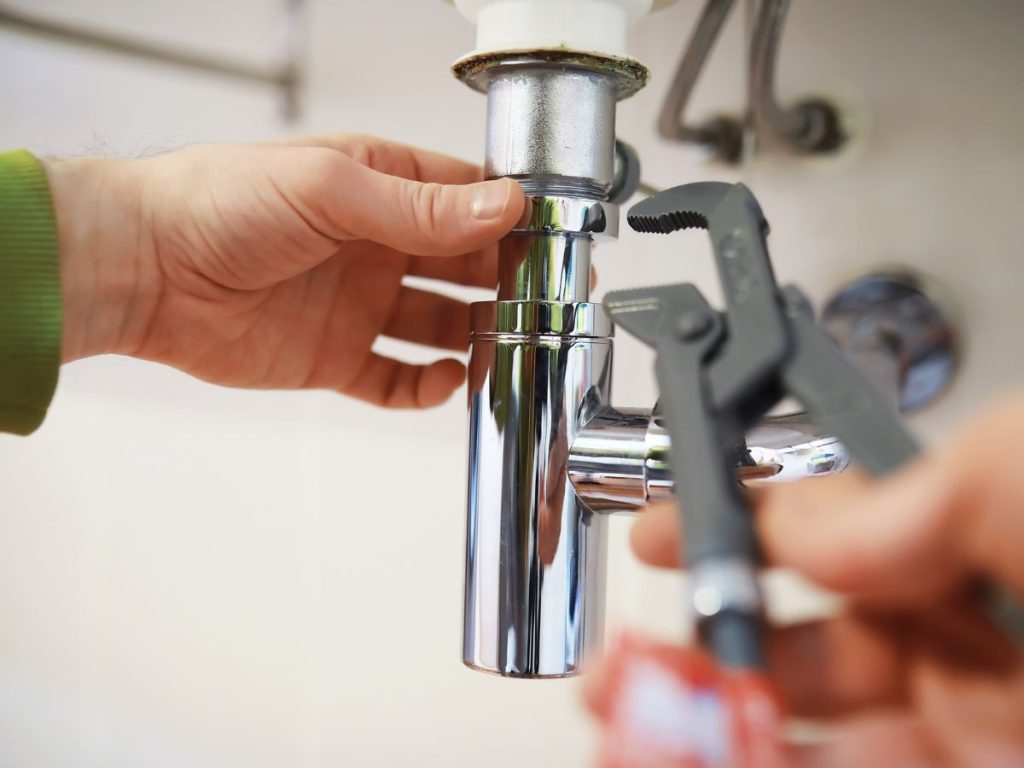
When a plumbing issue arises, it can feel overwhelming, but you can tackle many common problems yourself with a few simple tools and techniques.
Start by ensuring your plumbing safety; always turn off the water supply before diving into any DIY repairs.
Ensure your plumbing safety first; always turn off the water supply before starting any DIY repairs.
A leaky faucet? Replace the washer or O-ring to stop the drip.
For a clogged drain, try using a plunger or a mixture of baking soda and vinegar to break down the blockage.
If you’re dealing with a running toilet, check the flapper valve for wear and replace it if needed.
Don’t forget to have a towel handy to catch any spills!
Regularly inspect your pipes for signs of corrosion or leaks, and address them promptly.
Essential Tools Every Homeowner Should Have
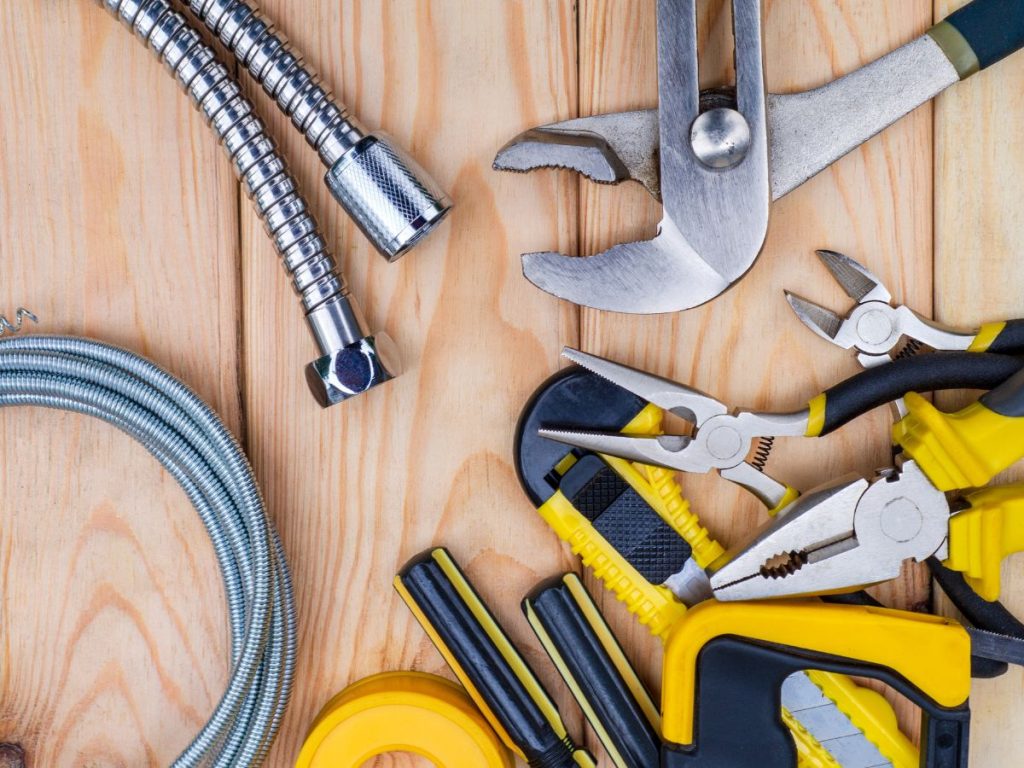
To tackle plumbing issues effectively, you need the right tools at your fingertips.
Basic hand tools, along with some plumbing specialty tools, can make repairs much easier.
Let’s explore what every homeowner should keep in their toolkit for those unexpected leaks and clogs.
Basic Hand Tools
Having the right tools can make all the difference in tackling plumbing repairs at home. You don’t need a full workshop, but a few basic hand tools can save you time and money.
Here are some essentials to keep in your toolkit:
- Pipe wrenches: Perfect for gripping and turning pipes, ensuring you can handle various sizes without hassle.
- Plunger types: A good cup plunger works for sinks, while a flange plunger is best for toilets. Make sure you have both!
- Adjustable wrench: This versatile tool allows you to tackle nuts and bolts of different sizes easily.
With these tools, you’ll be ready to address common plumbing issues and feel more confident in your DIY skills.
Plumbing Specialty Tools
While basic hand tools are great for everyday plumbing tasks, plumbing specialty tools take your DIY skills to the next level. Having the right tools can make all the difference in your plumbing projects.
| Tool | Purpose | Why You Need It |
| Specialty Wrenches | Tighten or loosen odd fittings | Perfect for unique plumbing setups |
| Plumbing Cameras | Inspect pipes and drains | Identify hidden issues easily |
| Pipe Cutters | Cut pipes cleanly | Essential for precise installations |
| Plumber’s Snake | Clear stubborn clogs | A must-have for tough blockages |
Equipping yourself with these tools not only enhances your capabilities but also saves you time and money in the long run.
Fix That Leaky Faucet in Just a Few Steps
A leaky faucet can waste gallons of water and drive you crazy, but fixing it’s easier than you might think.
Here’s a simple guide to help you tackle that drip:
A straightforward guide to fix that dripping faucet and save water effortlessly.
- Turn off the water supply. Locate the shut-off valves under your sink and turn them off.
- Remove the handle. Use a screwdriver to take off the faucet handle and expose the faucet cartridge.
- Check the washer. If the washer’s worn out, it needs replacement. If you’re using a cartridge faucet, replacing the entire faucet cartridge may be necessary.
Once you’ve replaced the washer or cartridge, reassemble everything and turn the water supply back on.
With just a few steps, you can eliminate that annoying leak and save water at the same time!
Plumbing Repair Tips: Clear Your Clogged Drain Like a Pro
After tackling that leaky faucet, you might encounter another common issue: a clogged drain. Don’t worry, you can clear it like a pro with a few simple plumbing techniques.
Start by using a plunger to create suction, which can often dislodge minor blockages. If that doesn’t work, try a mixture of baking soda and vinegar. Pour half a cup of each down the drain, let it sit for about 30 minutes, then flush with hot water. This natural drain cleaning method can effectively break down grime.
For tougher clogs, consider using a plumber’s snake. Insert it into the drain and twist until you feel resistance; this can help remove stubborn debris.
Always avoid harsh chemicals, as they can damage your pipes. By following these tips, you’ll be well on your way to maintaining clear drains without the hassle of a professional plumber.
Repair Your Running Toilet With These Simple Tips
Is your toilet constantly running?
You can easily fix it by inspecting the flapper valve and adjusting the float height.
Let’s explore these simple tips to stop the noise and save water.
Inspect The Flapper Valve
Inspecting the flapper valve is an essential step in fixing a running toilet. This simple component plays a vital role in controlling water flow.
Here’s what you should check during your flapper inspection:
- Condition: Look for wear or damage, like cracks or warping.
- Sealing: Make sure the flapper sits snugly against the valve seat to prevent leaks.
- Chain Length: Check that the chain isn’t too tight or too loose, as this can affect the flapper’s function.
If you notice any issues, a valve replacement might be necessary.
Replacing the flapper is a straightforward task that can save you money on your water bill and restore peace to your bathroom.
Don’t let a running toilet disrupt your day!
Adjust The Float Height
Adjusting the float height is a quick fix that can effectively stop your toilet from running. When the float’s set too high, water spills into the overflow tube, causing constant refilling. Start by removing the tank lid and checking the float mechanism. If it’s a ball float, bend the arm down; if it’s a cylindrical float, adjust the height using the screw.
Here’s a handy table for quick reference:
| Float Type | Adjustment Method |
| Ball Float | Bend the arm down |
| Cylindrical Float | Turn the adjustment screw |
| Too High | Lower the float |
| Too Low | Raise the float |
This float adjustment is essential for effective toilet troubleshooting.
When and How to Use Plumber’s Tape?
Plumber’s tape, also known as Teflon tape, is an essential tool for anyone tackling plumbing repairs. It’s used to create a watertight seal on threaded connections, helping to prevent leaks. Knowing when and how to use it can save you time and frustration.
Here are some key plumber’s tape applications:
- Threaded pipe connections: Wrap the tape around threads before tightening to guarantee a secure seal.
- Faucet installations: Use it on faucet threads to avoid leaks at the joints.
- Showerheads and hoses: Apply tape on these fittings to keep water from seeping out.
For proper tape installation techniques, always wrap the tape clockwise, making sure you cover the threads without overdoing it. A couple of layers usually do the trick.
With these tips, you can confidently tackle your plumbing tasks and maintain a leak-free environment.
Preventative Plumbing Maintenance Tips
While you might think plumbing issues only arise unexpectedly, regular preventative maintenance can keep your system running smoothly and save you from costly repairs.
Start with drain cleaning; clear out any buildup to prevent clogs and guarantee water flows freely. You can use a mixture of baking soda and vinegar for a natural solution or a plumber’s snake for tougher blockages.
Next, don’t overlook pipe insulation. Insulating exposed pipes can prevent freezing in winter and reduce heat loss in hot water systems. This simple step saves energy and protects your pipes from damage.
Additionally, check for leaks regularly. A small drip can waste gallons of water over time and lead to bigger issues.
Finally, monitor your water pressure; high pressure can stress your system.
Knowing When to Call a Professional Plumber?
Even with regular preventative maintenance, plumbing problems can still occur. Knowing when to call a professional plumber is vital to avoid further damage and costly repairs.
Here are some signs that indicate it’s time to reach out for help:
- Persistent leaks: If you notice water pooling or dripping consistently, it’s a sign of a serious leak that needs immediate attention.
- Low water pressure: A sudden drop in water pressure can indicate a blockage or a hidden leak, which may require emergency plumbing services.
- Unusual noises: Gurgling or banging sounds in your pipes can signal a problem that’s best handled by a professional.
Don’t hesitate to call a plumber if you encounter these issues.
Addressing them sooner rather than later can save you from extensive damage and guarantee your plumbing system stays in good shape.
Frequently Asked Questions
How Can I Identify Plumbing Issues Before They Become Major Problems?
You can identify plumbing issues early by regularly checking for leak detection and monitoring water pressure. Notice any changes in pressure or damp spots, as these often signal underlying problems needing immediate attention.
What Are the Signs of a Hidden Leak in My Home?
You’ll notice signs like water stains, damp walls, or unexpected spikes in your water bill. Regular leak detection can help prevent serious water damage, so stay vigilant and address any unusual moisture right away.
Are There Plumbing Repairs I Should Never Attempt Myself?
You should never attempt complex repairs like sewer line issues or major pipe replacements yourself. Recognizing your DIY limitations is vital—always seek professional help for these tasks to avoid costly mistakes and guarantee safety.
How Often Should I Schedule Professional Plumbing Inspections?
You should schedule professional plumbing inspections at least once a year. Regular inspections help guarantee pipe maintenance and catch potential issues early, saving you time and money while keeping your plumbing system in top shape.
What Should I Do if My Plumbing Repair Worsens the Issue?
If your plumbing repair worsens, follow emergency protocols immediately. Shut off the water supply, document the issue, and contact a professional. Don’t hesitate—repair escalation can lead to more significant damage and costly fixes.
Final Thoughts
At DNA Honest Plumbing, we believe knowing a few essential plumbing repair tips can help you stay ahead of common problems, protect your home, and avoid unnecessary repair costs. Simple fixes, routine maintenance, and early attention to warning signs can make a big difference in keeping your plumbing system working efficiently.
When you need trusted professional support, our team is here to help with expert pipe repair, dependable interior plumbing, and complete plumbing services. If you’re dealing with a plumbing issue or want reliable help to keep your system in top condition, contact us today and let DNA Honest Plumbing provide the service you can count on.