Skip to content
If you suspect frozen pipes, look for signs like no water flow or frost on exposed pipes. Start by warming the area gradually and keeping water running at a trickle. Common causes include extreme cold and inadequate insulation. Identify vulnerable spots in your home, and know when to call a plumber if you notice cracks or decreased pressure. There are effective prevention techniques to help you avoid future issues. Discover more strategies to safeguard your plumbing this winter.
Key Takeaways
- Recognize signs of frozen pipes like lack of water flow and unusual sounds to identify potential issues early.
- Common causes include extreme cold, inadequate insulation, and drafts affecting vulnerable areas.
- Thaw frozen pipes safely using a hair dryer, heat tape, or warm towels; avoid open flames.
- Implement prevention techniques like insulating pipes and using draft blockers to reduce freezing risk.
- Be aware of severe damage signs and consult insurance about coverage for burst pipes and water damage.
Signs Your Pipes Are Frozen
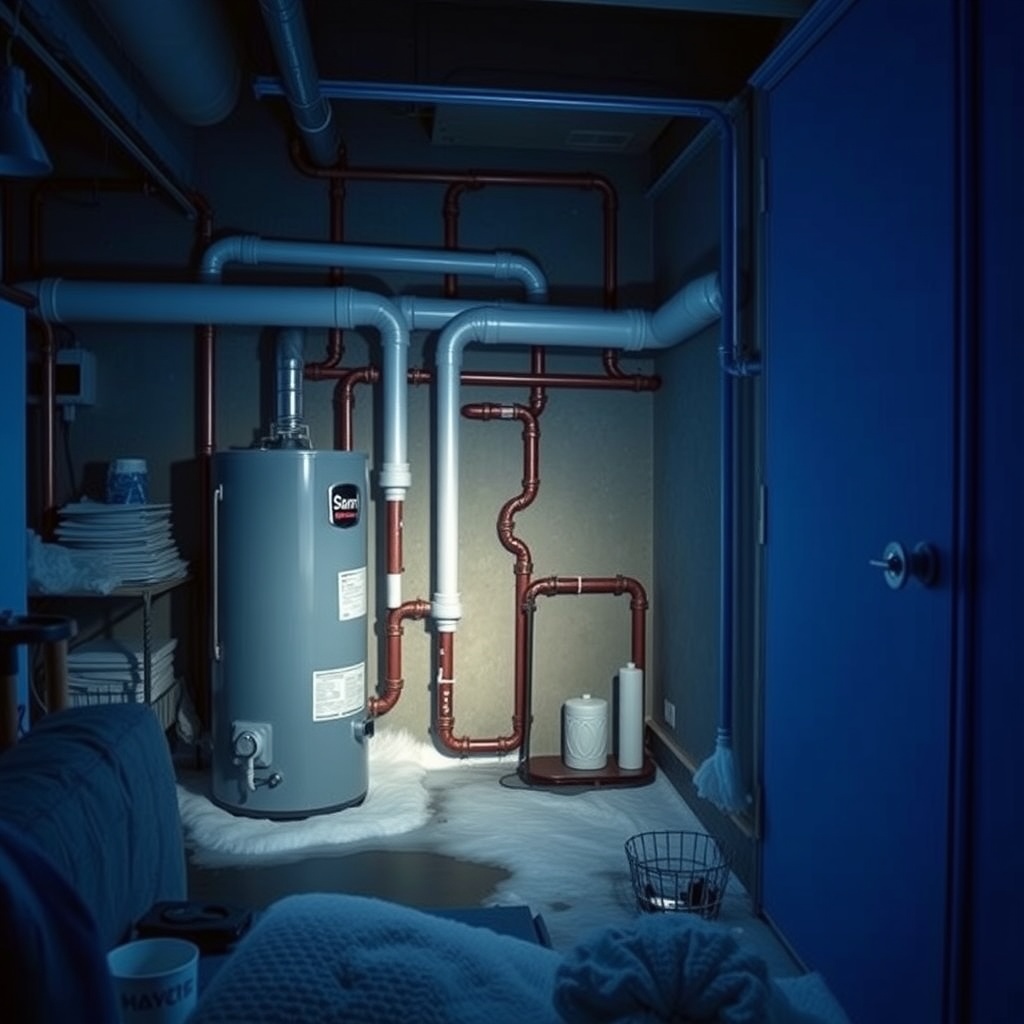
When temperatures drop, you might notice signs that your pipes are frozen. One of the first indicators is a lack of water flow when you turn on your faucet. If you only get a trickle or nothing at all, it’s a clear warning.
When temperatures drop, a lack of water flow from your faucet can signal that your pipes are frozen.
You should also check for frost or condensation on exposed pipes, especially in unheated areas like basements or attics. Another sign is unusual sounds, such as clanging or banging, which can occur when water tries to push through a blockage.
If you detect an odd smell, it may signal that ice has blocked the wastewater line. To prevent these issues, winter preparation is key. Insulating your pipes and keeping your home heated can help avoid frozen pipes altogether.
Stay vigilant during cold snaps to protect your plumbing from the potential damage of freezing.
Immediate Steps to Take When You Suspect Freezing
When you suspect your pipes are freezing, start by identifying the affected areas.
Once you pinpoint where the trouble lies, gradually restore heat to those spots to prevent any further damage.
Acting quickly can make all the difference in avoiding a plumbing disaster.
Identify Affected Areas
Identifying affected areas is essential as soon as you suspect your pipes have frozen. Start by checking common pipe locations, such as basements, attics, and outside walls, where temperatures drop more quickly.
Use temperature monitoring tools, like thermometers, to pinpoint any spots that fall below freezing. Pay attention to uninsulated pipes, as they’re more vulnerable to freezing.
If you notice any signs of frost or bulging, these areas are likely affected. Remember, it’s vital to act fast, as prolonged freezing can lead to bursts.
Once you’ve identified the impacted sections, you’ll be better prepared for the next steps in addressing the issue. Knowing where to look can save you time and damage in the long run.
Restore Heat Gradually
As you notice signs of frozen pipes, it’s essential to restore heat gradually to prevent further damage. Start by turning up your home’s thermostat to a warmer setting. This basic step can help raise the temperature in the affected areas.
Next, use safe heat sources like a space heater or a hairdryer, focusing on the section of pipe you suspect is frozen. Avoid using open flames, as they can damage your pipes or even cause a fire.
If you’re using thawing techniques, be patient; it might take some time for the ice to melt. Keep the water running at a trickle to help the thawing process and prevent future freezing.
Common Causes of Frozen Pipes
Frozen pipes often occur due to a combination of factors, such as extreme cold temperatures, inadequate insulation, and drafts. When temperatures drop, especially below 20°F, water inside your pipes can freeze, leading to significant issues.
Different pipe materials react differently to cold; for instance, metal pipes may conduct cold more effectively than plastic, making them more prone to freezing.
Temperature fluctuations can also play a role. If the temperature swings between warm and cold, it may cause stress on your pipes. This can happen in unheated spaces like basements or attics, where cold air can easily seep in.
Additionally, drafts from windows and doors can lower the temperature around pipes, increasing the risk of freezing.
How to Identify the Location of a Frozen Pipe
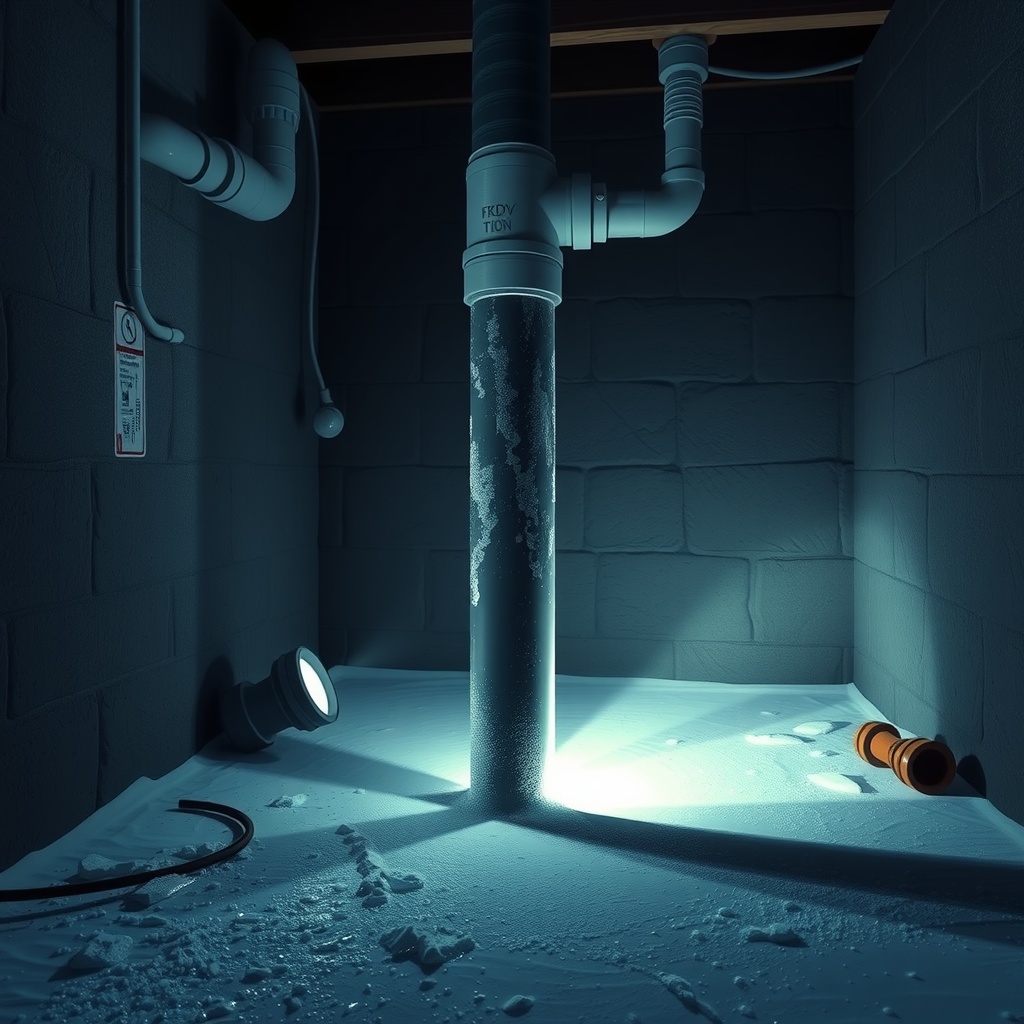
When temperatures drop and pipes freeze, knowing how to locate the affected areas becomes essential. You can use various detection methods to pinpoint the pipe location efficiently.
Start by checking areas prone to freezing, such as:
- Uninsulated spaces: Look in basements, attics, and crawl spaces.
- Exterior walls: Inspect pipes that run along outside walls.
- Faucets: Test for reduced water flow or no water at all.
- Temperature changes: Feel along the pipes for cold spots, indicating a freeze.
Additionally, listen for any unusual sounds, like gurgling or knocking, which may indicate a blockage.
If you suspect a frozen pipe but aren’t sure, it’s wise to consult a professional. They can offer expert guidance and may have specialized tools to detect the exact pipe location without causing damage.
What to Do After Identifying a Frozen Pipe
Once you’ve pinpointed a frozen pipe, it’s crucial to act quickly to prevent further damage. Start by shutting off the water supply to the affected area. This will help avoid any potential leaks once the pipe thaws. Next, open the faucet connected to the frozen pipe. This allows water to flow when it begins to thaw, reducing pressure buildup.
Consider these important steps for effective pipe maintenance and winter readiness:
| Step | Action Required | Purpose |
| Shut Off Water | Turn off the main valve | Prevent leaks and floods |
| Open Faucet | Allow water to escape | Reduce pressure in pipes |
| Inspect Surroundings | Check for insulation | Identify vulnerable areas |
| Warm the Area | Use space heaters | Gradually thaw the pipe |
Taking these actions now can save you from bigger plumbing issues down the road.
Safe Methods to Thaw Frozen Pipes
After you’ve taken steps to address a frozen pipe, it’s time to focus on thawing it safely. Using effective thawing techniques is essential to prevent pipe damage.
Here are some heating options to take into account:
- Hair dryer: Direct warm air along the pipe, starting at the faucet and moving toward the frozen section.
- Heat tape: Apply electrical heat tape to the frozen area, following manufacturer instructions for safety.
- Warm towels: Soak towels in hot water, wring them out, and wrap them around the pipe to gradually warm it.
- Space heater: Position a space heater in the area where the pipe is located, ensuring it’s at a safe distance.
Always monitor the situation and avoid using open flames, as they can cause serious damage.
Thawing your pipes safely can save you from costly repairs down the line.
Tools You Might Need for Thawing Pipes
Thawing frozen pipes effectively requires a few essential tools at your disposal. Having the right equipment not only speeds up the process but also helps prevent damage.
| Tool | Purpose | Tips |
| Heating Tape | Provides direct heat to pipes | Wrap it around the affected area |
| Pipe Insulation | Prevents future freezing | Apply before the cold season |
| Hair Dryer | Quick, localized heat source | Keep it moving to avoid melting |
| Space Heater | Warms the surrounding area | Use in enclosed spaces safely |
| Towels | Absorb moisture after thawing | Keep them handy for cleanup |
Using these tools will make thawing a lot easier. Remember, a proactive approach with heating tape and proper pipe insulation can save you from future headaches. Stay prepared and you’ll manage frozen pipes effectively!
How to Prevent Frozen Pipes
Frozen pipes can lead to significant damage, but preventing them is much easier than you might think. By taking a few proactive steps, you can safeguard your plumbing system during the chilly months.
Here are some effective winterization tips:
- Install pipe insulation: Protect vulnerable pipes with foam sleeves to keep them warm.
- Use heat tape: Apply this electrical tape to pipes in unheated areas for extra warmth.
- Seal drafts: Use draft blockers to close gaps around windows and doors, reducing cold air exposure.
- Adjust thermostat settings: Keep your home’s temperature consistent, even when you’re away, to prevent freezing.
Additionally, regular plumbing maintenance and pipe monitoring can help you identify potential issues before they escalate.
Incorporating moisture barriers in crawl spaces can also minimize the risk.
Insulation Techniques for Vulnerable Areas
To protect your home from frozen pipes, start by identifying the vulnerable areas, like basements and attics.
Once you’ve pinpointed these spots, consider the best insulation materials to shield them effectively.
Taking these steps now can save you from costly repairs later.
Identify Vulnerable Areas
As winter approaches, it’s crucial to identify vulnerable areas in your plumbing system that may be susceptible to freezing. By focusing on these specific spots, you can take proactive steps to prevent costly damage.
Here are key areas to monitor:
- Exterior walls: Pipes running along these surfaces are often at risk.
- Crawl spaces: Unheated areas can drop below freezing.
- Attics: Insufficient insulation can expose pipes to cold air.
- Basements: Below-ground pipes may face extreme temperature fluctuations.
Consider using pipe insulation in these areas and implement temperature monitoring to catch any dips before they lead to issues.
Taking these steps now can save you from emergency plumbing later on.
Insulation Materials Options
When it comes to protecting your plumbing from freezing temperatures, choosing the right insulation materials is essential. Various insulation types can help you minimize the risk of frozen pipes. Here’s a quick overview of some popular options and their benefits:
| Insulation Type | Benefits | Best Use Area |
| Foam Pipe Insulation | Easy to install, cost-effective | Pipes in unheated areas |
| Fiberglass Wrap | High thermal resistance | Basements and attics |
| Heat Tape | Provides direct heat | Problematic sections |
| Reflective Insulation | Reflects heat back | Exterior walls |
Why Consistent Heating Prevents Frozen Pipes
Consistent heating is essential because it keeps your home’s temperature stable, preventing the conditions that lead to frozen pipes.
When you maintain proper temperature regulation, you’re less likely to experience issues during cold weather.
Here are some effective heating methods you can use:
- Central heating: This guarantees even warmth throughout your home.
- Space heaters: Ideal for targeting specific areas, especially uninsulated spaces.
- Heat tape: This can be wrapped around vulnerable pipes to provide direct warmth.
- Insulation: While it helps maintain heat, it works best in conjunction with proper heating methods.
When Should You Call a Plumber?
If you notice signs of severe damage, like water stains or bulging pipes, it’s time to call a plumber.
Don’t ignore persistent pipe freezing either; that can lead to bigger problems down the line.
Acting quickly can save you from costly repairs and further headaches.
Signs of Severe Damage
Even though frozen pipes can seem like a minor issue at first, there are several signs that indicate severe damage.
If you notice any of these, it’s time to call a plumber for professional help:
- Visible cracks in your pipes or fittings
- Unexplained water stains on walls or ceilings
- Decreased water pressure when you turn on faucets
- Unusual sounds, like gurgling or banging, from your plumbing system
Ignoring these signs can lead to costly frozen pipe repair.
Follow winter plumbing tips to minimize risks, but if you spot these indicators, don’t wait.
Quick action can save you from extensive damage and headaches later on.
Persistent Pipe Freezing
Ignoring signs of severe damage can lead to bigger headaches, especially when it comes to persistent pipe freezing. If you notice pipes freezing repeatedly, it’s time to call a plumber. They can assess the situation and prevent costly repairs.
Here’s a quick guide to help you decide:
| Situation | Action |
| Pipes freeze multiple times | Call a plumber immediately |
| You see cracks or leaks | Don’t wait; call a plumber |
| You’ve tried DIY methods | Professional help is needed |
For effective frozen pipe prevention, guarantee proper insulation and follow winter plumbing tips. Don’t take chances—address issues early to avoid extensive damage.
Costs of Dealing With Frozen Pipes
When winter’s chill sets in, the costs of dealing with frozen pipes can catch homeowners off guard. You might face unexpected repair costs, especially if the pipes burst. Here’s what you should consider:
- Plumber Fees: Hiring a professional can range from $100 to $300 per hour, depending on your location and the severity of the issue.
- Repair Costs: If a pipe bursts, you might need extensive repairs, sometimes totaling thousands of dollars.
- Water Damage: Beyond the pipes, the damage to your home can escalate quickly, leading to costly restoration expenses.
- Insurance Claims: While you might think your policy covers everything, it often doesn’t. Understanding what’s included can affect your financial planning.
Being proactive about insulation and maintenance can save you from these expenses, making it essential to stay ahead of potential problems.
Frozen Pipes and Homeowner’s Insurance: What’s Covered?
Understanding what your homeowner’s insurance covers regarding frozen pipes can save you from significant financial stress. Most homeowner coverage includes damage caused by burst pipes due to freezing temperatures, but specifics can vary by policy.
Check whether your insurance covers both the damage to your home and the cost of repairing the pipes.
Ensure your policy covers both home damage and pipe repair costs to avoid unexpected expenses.
When you file insurance claims, document everything—take photos of the damage and keep receipts for any repairs. Some policies may have exclusions, especially if the damage occurred because you didn’t take preventative measures, like keeping the heat on during cold snaps.
It’s wise to review your policy annually to guarantee you understand your coverage limits and deductibles related to frozen pipes.
Long-Term Strategies for Winter Plumbing Preparedness
While knowing your insurance coverage for frozen pipes is important, taking proactive steps can prevent those emergencies in the first place.
Here are some effective winter maintenance tips and plumbing preparation techniques you can implement to safeguard your home:
- Insulate Pipes: Use foam insulation or heat tape on vulnerable pipes, especially in unheated areas.
- Seal Cracks: Check for drafts around windows and doors, sealing any gaps to keep cold air out.
- Let Faucets Drip: During extreme cold, let faucets drip slightly to maintain water flow and prevent freezing.
- Maintain Heating: Keep your home’s temperature consistent, especially during cold snaps, and verify your heating system is functioning properly.
Frequently Asked Questions
Can Frozen Pipes Burst Immediately, or Does It Take Time?
Frozen pipes can burst quickly, but it often takes time. Proper pipe insulation helps prevent this. If you notice freezing, act fast to avoid potential damage and costly repairs to your plumbing system.
Are There Specific Pipe Materials More Prone to Freezing?
Yes, plastic pipes are more prone to freezing than metal ones. To prevent this, you should use pipe insulation and maintain nearby heat sources. Keeping your pipes warm helps minimize the risk of freezing.
How Can I Tell if My Pipes Are Partially Frozen?
You can tell if your pipes are partially frozen by monitoring the temperature. Feel for cold spots on the pipes, and check if pipe insulation feels unusually cold. Water flow may also slow down or stop.
What Are the Risks of Thawing Pipes Too Quickly?
Thawing pipes too quickly can lead to bursting or leaks. Use gentle thawing techniques and guarantee proper pipe insulation afterward to prevent future freezing. Always prioritize gradual warming to protect your plumbing system effectively.
Will My Water Quality Be Affected After Thawing Frozen Pipes?
Yes, your water quality might be affected after thawing. If pipes are damaged, it can lead to water contamination. Regular pipe maintenance helps prevent these issues, ensuring safe, clean water throughout your home.
Final Thoughts
Frozen pipes can escalate fast—from restricted flow to cracks, bursts, and major water damage—so taking action early is the best way to protect your home. If you’ve noticed little to no water flow, frost on exposed lines, or repeated freezing in the same areas, don’t wait for the problem to get worse. Safe thawing and proper winter prevention can help, but persistent freezing often points to deeper issues like inadequate insulation, airflow problems, or a vulnerable section of piping that needs professional attention.
At DNA Honest Plumbing, we respond quickly and focus on solving the cause, not just the symptom. If you need urgent help, request 24/7 emergency plumbing services or our fast emergency plumbing solutions. We can inspect your system for weak points, restore safe flow, and recommend long-term fixes through our full range of services, including pipe repair and pipe replacement when needed.
If you suspect a frozen pipe or want to prevent a burst before it happens, schedule help now: Contact DNA Honest Plumbing.