Skip to content
If you notice slow drainage, overflowing sinks, or gurgling noises, it’s time to pay attention to your drains. Foul smells and costly repairs can signal serious issues. Bacteria buildup, clogged P-traps, and sewer line problems are often to blame. Ignoring these signs can worsen the situation. Regular maintenance and smart disposal habits can help too. Stay tuned, and you’ll discover more ways to keep your plumbing in top shape.
Key Takeaways
- Slow Drainage: Water takes longer than usual to flow down sinks or showers, indicating a potential clog.
- Overflowing Sinks: Water pools around sinks or spills over, signaling immediate drainage issues.
- Gurgling Noises: Sounds from drains suggest air pressure problems, often due to blockages.
- Foul Smell: Unpleasant odors indicate trapped debris and bacteria buildup in the plumbing.
- Pooling Water: Presence of water around fixtures signals potential backups that require urgent attention.
Signs of Clogged Drains
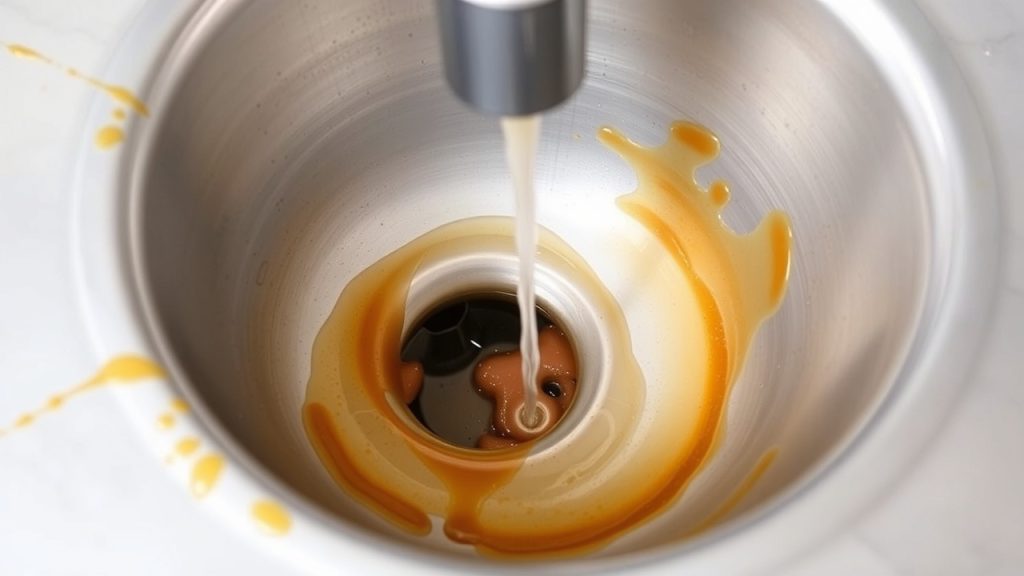
When your drains start acting up, you might notice several signs that indicate a clog. One of the most common signs is slow drainage. If water takes longer than usual to go down your sink or shower, it’s a clear warning that something’s blocking the pipes.
When your drains slow down, it’s a clear sign of a potential clog that needs immediate attention.
You may also experience overflowing sinks, which can be frustrating and messy. If you notice water pooling around the sink or spilling over the edges, it’s time to take action.
Other signs include gurgling noises coming from your drains or a foul smell emanating from them, indicating trapped debris. Ignoring these symptoms can lead to more serious plumbing issues down the line.
Regularly checking your drains can help you catch clogs early, saving you from costly repairs. If you see these signs, don’t hesitate to investigate further or call a professional for help.
Why Your Drains Might Smell Bad
If you notice an unpleasant odor coming from your drains, it’s often a sign of underlying issues that need attention. Ignoring these drain odors can lead to bigger problems down the line.
Here are a few common causes:
- Bacteria Buildup: Food particles and organic matter can accumulate, creating a breeding ground for bacteria, which produces foul smells.
- Clogged P-Trap: A blocked P-trap can trap water and debris, leading to stagnant water and odors.
- Sewer Line Issues: Problems in your sewer line can cause the smell to back up into your home, indicating a serious issue.
Addressing these sources promptly can help eliminate the odors and prevent further damage.
Regular maintenance is key to ensuring your drains remain odor-free and functional.
Don’t hesitate to seek professional help if the smell persists, as it could indicate a more serious plumbing problem.
What Gurgling Sounds Mean for Your Drains?
Gurgling sounds from your drains can be more than just an annoyance; they often signal underlying plumbing issues that need your attention. These gurgling noises typically indicate that air pressure is causing disruptions in the flow of water. It’s essential to understand what these sounds mean, as they can help you identify potential problems early.
| Cause | Description |
| Blocked Vent Pipes | Air can’t escape, causing pressure changes. |
| Partial Clogs | Water struggles to flow, creating gurgling sounds. |
| Sewer Line Issues | A blockage in the main line affects drainage. |
| Improperly Installed Fixtures | Non-vented fixtures lead to air pressure issues. |
| Broken Pipes | Cracks can cause air leaks and disrupt flow. |
Listening closely can save you from bigger repairs down the line. If you hear gurgling, it’s wise to act quickly before the problem escalates.
Dealing With Frequent Clogs
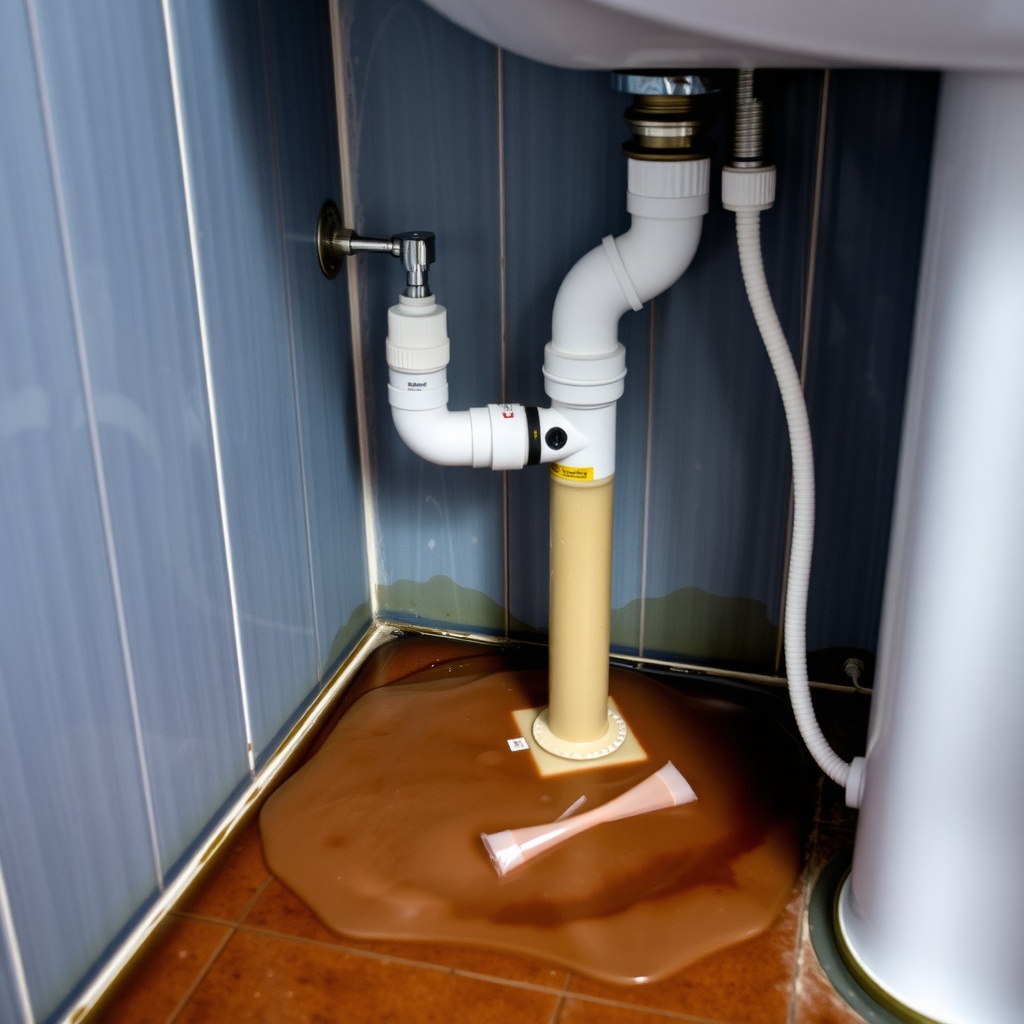
Frequent clogs can be just as frustrating as those gurgling sounds you might hear from your drains. If you’re dealing with this issue regularly, it’s time to take action.
Ignoring the problem can lead to bigger plumbing headaches down the road. Here are some essential plumbing tips for effective drain maintenance:
- Use a drain strainer: This simple tool can catch hair and debris before they enter the pipes.
- Flush with hot water: Regularly pouring hot water down your drains can help dissolve grease and soap buildup.
- Avoid chemical cleaners: They can damage your pipes over time; instead, try baking soda and vinegar for a natural solution.
Recognizing Water Backups in Your Home
When you notice water pooling around your sinks or floors, it’s essential to recognize these signs of potential backups. Ignoring this issue can lead to more significant plumbing problems.
Check for gurgling sounds in your drains; this often indicates a blockage. If your toilet or sink drains slowly, that’s another red flag. You might also see water backing up in other fixtures, like your bathtub, when you flush the toilet.
To avoid these issues, regular drain maintenance is key. Use plumbing tips like pouring hot water down the drains weekly to help clear minor buildups.
If you notice persistent backups or unusual odors, don’t hesitate to call a professional. Addressing these signs early can save you time and money in the long run.
Stay proactive to guarantee your home’s plumbing system runs smoothly and efficiently.
Frequently Asked Questions
How Can I Prevent Future Drain Issues?
You can prevent future drain issues by scheduling regular drain cleaning and plumbing maintenance. Keep drains clear of debris, avoid pouring grease down them, and consider using enzyme cleaners to maintain flow and reduce buildup.
Are Chemical Drain Cleaners Safe for All Pipes?
Chemical drain cleaners aren’t safe for all pipes. Their effectiveness varies by pipe material; they can damage older or PVC pipes. Always check compatibility before using, and consider safer alternatives for regular maintenance.
What Tools Are Essential for Drain Maintenance?
For effective drain cleaning, you’ll need essential plumbing tools like a plunger, drain snake, and a wet/dry vacuum. These will help you tackle clogs and maintain your drains efficiently, preventing future issues.
How Often Should I Schedule Drain Inspections?
You should schedule drain inspections at least once a year. Regular checks help you catch signs of blockage early, preventing bigger issues down the line. Staying proactive keeps your drains flowing smoothly and efficiently.
Can Tree Roots Affect My Drainage System?
Yes, tree root intrusion can greatly damage your drainage system. Roots often seek moisture and can grow into pipes, causing blockages and leaks. Regular inspections help you catch these issues before they escalate.
Final Thoughts
Drain problems rarely resolve on their own, and the warning signs—slow drainage, foul odors, gurgling sounds, or repeated backups—are your plumbing system’s way of asking for immediate attention. Addressing these issues early can help you avoid sewer backups, water damage, and expensive repairs while keeping your home safe and functional.
If your drains are showing any of these red flags, DNA Honest Plumbing is ready to help. Our team provides professional solutions such as drain cleaning, advanced hydro jetting, and thorough camera line and sewer inspections to identify and resolve problems at the source. For urgent situations, you can rely on our dependable 24/7 emergency plumbing services and fast-response emergency plumbing solutions.
Don’t wait for a minor drain issue to turn into a major disruption. Contact DNA Honest Plumbing today through our Contact Us page or explore our complete list of plumbing services to schedule professional assistance and keep your drains flowing properly.